Choosing Gel Brick Shipping for Reliable rantai dingin Supply
Memilih pengiriman batu bata gel adalah keputusan pengadaan dan keputusan risiko rantai dingin pada saat yang bersamaan. Pembeli tidak hanya membeli batu bata pendingin; pembeli menyetujui komponen yang dikemas, tim gudang, mitra transportasi, dan terkadang tim berkualitas akan bergantung padanya. Pendekatan yang paling aman adalah dengan menentukan kebutuhan produk, rute, paket, kebutuhan dokumentasi, dan kontrol pemesanan berulang sebelum menilai harga. Panduan terakhir ini menggabungkan pandangan praktis pembeli, batasan teknis, dan pemeriksaan operasional ke dalam satu kerangka sumber.
Tentukan pekerjaan yang harus dilakukan batu bata gel
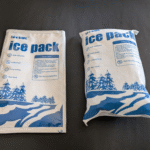
Pertanyaan sumber pertama sederhana tetapi sering dilewati: pekerjaan apa yang harus dilakukan batu bata gel dalam program khusus ini? Untuk skenario ketika tim pengiriman sedang mengemas produk dingin untuk jalur dengan pementasan gudang, penjemputan kurir, pergerakan jarak jauh, dan serah terima penyerahan akhir, jawabannya mungkin melibatkan perlindungan dingin, dukungan beku, buffering pengiriman yang singkat, pendinginan rute yang dapat digunakan kembali, atau aksesori bermerek untuk perangkat berinsulasi. Setiap pekerjaan menciptakan kriteria seleksi yang berbeda. Batu bata yang digunakan selain makanan laut tidak dievaluasi dengan cara yang sama seperti batu bata yang digunakan di dekat obat yang peka terhadap beku.
Tulis pernyataan pekerjaan sebelum meminta penawaran. Itu harus mencakup kategori produk, kondisi suhu yang diperlukan, jenis kemasan terisolasi, rute atau pola penanganan, apakah kontak langsung dengan produk diperbolehkan, bagaimana batu bata akan dikondisikan, dan apakah dokumentasi diperlukan. Ringkasan ini tidak harus panjang. Hal ini hanya perlu cukup spesifik bagi pemasok untuk merekomendasikan suatu produk tanpa menebak-nebak.
Pernyataan pekerjaan yang jelas juga melindungi pembeli dari pembelian berlebihan. Beberapa proyek memerlukan batu bata gel standar yang dapat digunakan kembali dan instruksi pengemasan yang cermat. Yang lain membutuhkan PCM, wadah yang berbeda, paket yang berkualitas, atau kontrol suhu aktif. Ketika persyaratan ditentukan lebih awal, pemasok dapat memberi tahu Anda di mana batu bata gel cocok dan di mana pekerjaan desain tambahan diperlukan.
Buat ringkasan sumber sebelum membandingkan harga
Perbandingan harga hanya berguna setelah opsi-opsi tersebut sebanding secara teknis. Jika satu kutipan untuk batu bata freezer yang kaku, satu lagi untuk kantong fleksibel, dan satu lagi untuk paket PCM label pribadi, harga satuan tidak menggambarkan produk yang sama. Pembeli harus terlebih dahulu menstandardisasi briefnya: penggunaan sasaran, ukuran, perilaku pengisian atau suhu untuk dikonfirmasi, bahan luar, persyaratan label, kemasan karton, jumlah sampel, dokumen, dan pola pesanan yang diharapkan.
Untuk paket pengiriman, ringkasan juga harus menyatakan apa yang tidak boleh diubah setelah sampel disetujui. Itu mungkin termasuk cetakannya, mengisi, konten bersih, cangkang atau film, logo, label instruksi, tas bagian dalam, karton, dan metode pemuatan palet. Jika pemasok kemudian mengusulkan perubahan, pembeli dapat memutuskan apakah dapat diterima sebelum sampai ke gudang atau pelanggan.
Laporan singkat tersebut harus menghindari janji-janji kinerja yang tidak didukung. Daripada meminta batu bata yang menjaga produk tetap dingin dalam waktu tertentu dalam segala kondisi, minta pemasok untuk menjelaskan konteks pengujian di balik klaim durasi. Wadah berinsulasi apa yang digunakan? Muatan apa? Profil ambien apa? Berapa jumlah batu batanya? Batas suhu berapa? Jika detail tersebut hilang, memperlakukan durasinya sebagai klaim pemasaran, bukan sebagai persyaratan sumber.
Pertanyaan pemasok yang memisahkan pembelian komoditas dari pengadaan terkontrol
Percakapan pemasok profesional harus membuat pembeli lebih yakin, tidak lebih bergantung pada klaim yang tidak jelas. Pemasok tidak perlu menjawab setiap pertanyaan peraturan, namun harus mampu menjelaskan konstruksi produk, aplikasi yang dimaksudkan, metode pengkondisian, pilihan kemasan, dan kontrol produksi berulang. Untuk proyek yang melibatkan makanan, farmasi, Perawatan kesehatan, ekspor, OEM, ODM, atau pasokan khusus, perbedaan ini menjadi penting dengan cepat.
| Pertanyaan untuk ditanyakan | Jawaban yang bermanfaat harus mencakup | Bendera merah |
|---|---|---|
| Apa sebenarnya yang dipasok? | Ukuran bata, bahan luar, jenis isian, penutup, label, karton, dan tujuan penggunaan | Hanya foto produk atau deskripsi yang tidak jelas |
| Bagaimana seharusnya hal itu dikondisikan? | Pembekuan, memanggungkan, penanganan stasiun pengepakan, penempatan, dan peringatan kontak produk apa pun | Tidak ada instruksi selain 'bekukan sebelum digunakan' |
| Dokumen apa yang tersedia? | Spesifikasi, data keselamatan, detail karton, dan informasi pengujian atau penggunaan apa pun | Klaim kesesuaian luas tanpa dukungan |
| Bagaimana repeat order dikendalikan? | Contoh catatan persetujuan, mengubah pemberitahuan, kontrol versi karya seni, dan pencocokan produksi | Pergantian diam-diam atau proses perubahan yang tidak ditentukan |
| Apa yang harus diuji oleh pembeli? | Paket lengkap sesuai, paparan rute, kontak muatan, kondisi penerimaan, dan bukti kualitas apa pun yang diperlukan | Pemasok memperlakukan batu bata sebagai solusi universal |
Tanda bahaya tidak selalu merupakan tanda pemasok buruk. Terkadang mereka menunjukkan bahwa pembeli tidak memberikan konteks yang cukup. Jika pemasok memberikan jawaban umum, tanggapi dengan singkat pengiriman dan tanyakan lagi. Tujuannya bukan untuk memaksakan proses yang rumit ke dalam setiap pesanan. Tujuannya untuk memastikan produk tersebut, kemasan, dan tingkat klaim sesuai dengan kasus penggunaan sebenarnya.
Rute, muatan, dan pembuktiannya harus ditinjau bersama
Kemasan rantai dingin gagal ketika satu elemen dianggap sendirian. Batu bata gel yang kuat dalam wadah yang lemah mungkin tidak melindungi muatannya. Wadah yang baik dengan penempatan batu bata yang salah dapat menciptakan zona beku atau hangat setempat. Pengemasan yang diuji mungkin masih salah penanganan jika disimpan di gudang, penjemputan kurir, atau penerimaan inspeksi tidak terkontrol. Rute, muatan, dan bukti termasuk dalam percakapan yang sama.
Untuk banyak pengiriman vaksin dan farmasi yang didinginkan, 2°C hingga 8°C adalah rentang perencanaan yang lazim, tetapi pembeli harus selalu memastikan kebutuhan produk yang sebenarnya. Beberapa barang tidak boleh dibekukan. Beberapa produk beku memiliki batasan berbeda. Beberapa pengiriman makanan memerlukan penyajian dalam keadaan dingin dibandingkan dokumentasi ala farmasi. Pemasok dapat memberikan informasi produk, tapi kualitas pembeli, peraturan, atau tim logistik harus memutuskan bukti apa yang diperlukan.
Bukti bisa bermacam-macam bentuknya. Untuk aksesori makanan berisiko rendah, lembar spesifikasi dan uji pengepakan internal mungkin cukup. Untuk barang kesehatan yang sensitif, pembeli mungkin memerlukan pemantauan suhu, data kualifikasi, dan tinjauan kualitas. Batu bata gel tidak menentukan tingkat bukti; produk dan rute melakukannya. Inilah sebabnya mengapa ringkasan pengadaan harus mencakup kategori produk dan tidak hanya ukuran batu bata.
Tinjauan sampel harus menguji prosesnya, bukan hanya barangnya saja
Tulis metode pengepakan berulang yang mencakup pengondisian, penempatan batu bata, pemuatan muatan, penyegelan, memanggungkan, dan menerima cek. Tahap sampel merupakan momen dengan biaya terendah untuk menemukan masalah. Periksa apakah bata tersebut sesuai dengan kemasan akhir, apakah pengepakan dapat menanganinya dengan aman, apakah label dapat bertahan dari kondensasi, apakah karton ditumpuk sesuai yang diharapkan, dan apakah produk mudah dikenali setelah dibekukan. Kalau batanya custom atau private label, konfirmasi karya seni, teks instruksi, warna, dan tanda karton sebelum produksi.
Tinjauan sampel yang berguna mencakup uji coba paket sederhana. Tempatkan produk, Gel Bricks, jangka pembagi garis, liner, penyerap, dan dokumen persis seperti yang direncanakan. Kemudian tanyakan apakah metode pengepakan tersebut realistis selama shift sibuk. Jika suatu metode hanya berhasil jika seseorang yang berpengalaman berkemas dengan lambat, itu mungkin gagal ketika volume meningkat. Sumber yang baik mempertimbangkan pihak yang benar-benar akan mengemas kiriman.
Alat pengambilan keputusan yang berguna
Periksa detailnya sebelum Anda memilih kemasan
Alat cepat ini dapat membantu Anda membandingkan risiko rute, kebutuhan ukuran, pilihan pendingin, dan detail kemasan sebelum Anda meminta penawaran.
Ketahanan Jatuh Bahan Isolasi
Tinjau ketahanan jatuh dan faktor penanganan sebelum memilih bahan insulasi.
Periksa resistensiPendingin & Referensi PCM
Bandingkan opsi cairan pendingin dan PCM ketika suatu rute memerlukan dukungan suhu tambahan.
Bandingkan pilihanKalkulator Ice Pack
Perkirakan jumlah paket es gel untuk pengiriman dingin dan perencanaan rute yang praktis.
Perkirakan kantong esCatat sampel yang disetujui dan sediakan untuk perbandingan di masa mendatang. Dalam pembelian berulang, perselisihan seringkali muncul karena tidak ada yang ingat apa yang telah disetujui. Sampel retensi fisik, foto, ukuran, versi dokumen, dan detail karton dapat menyelesaikan masalah dengan cepat. Untuk OEM, ODM, ekspor, pabrik, atau program distributor, catatan ini juga mendukung komunikasi antar penjualan, pembelian, gudang, dan tim pemasok.
Ketika batu bata gel saja tidak cukup
Pemasok yang berhati-hati harus bersedia mengatakan kapan batu bata gel saja tidak cukup. Jika pengirimannya lama, paparan lingkungan sangat parah, muatannya sangat sensitif, atau produk tidak dapat mentolerir kontak beku, batu bata gel dasar mungkin bukan komponen yang tepat. Pembeli mungkin membutuhkan PCM, pengirim terisolasi yang berbeda, menambahkan pemisahan, pendinginan aktif, perubahan rute, atau paket termal yang memenuhi syarat.
Pembeli juga harus berhati-hati dengan muatan yang tercampur. Jika satu item memerlukan kondisi dingin dan item lainnya sensitif terhadap pembekuan, penempatan batu bata dan lapisan isolasi penting. Jika paket berisi produk medis, dokumen dan pemantauan mungkin sama pentingnya dengan pendingin. Jika rute tersebut termasuk kargo udara, pemesanan kargo, Label, dan instruksi penanganan mungkin memerlukan tinjauan tambahan. Jawaban yang benar bisa jadi lebih rumit daripada mengubah ukuran batu bata.
Ini bukan kelemahan batu bata gel. Itu adalah batasan mereka. Komponen pendingin pasif sangat berguna bila digunakan dalam kemasan yang realistis. Mereka menjadi berisiko ketika diminta mengganti isolasi, kontrol rute, persyaratan spesifik produk, atau bukti kualitas. Pembeli yang memahami batasan ini akan mencari dengan lebih percaya diri dan menghindari klaim yang tidak dapat didukung.
Jalur pembelian yang praktis
Jalur pembeliannya bisa sederhana: mendefinisikan kasus penggunaan, meminta kutipan yang sebanding, meninjau dokumen, sampel uji dalam kemasan yang dimaksud, menyetujui spesifikasi yang tepat, tempatkan pesanan, memeriksa penerimaan, dan memantau kinerja dalam pengiriman nyata pertama. Urutan ini menjaga pesanan tetap bergerak sekaligus mengurangi risiko yang dapat dihindari. Hal ini sangat berguna ketika pembeli berencana untuk beralih dari pesanan percobaan ke pembelian berulang.
Untuk parsel pengiriman rantai dingin, jaringan kurir lokal, pemenuhan yang didinginkan, kotak langganan makanan, dan transportasi sampel layanan kesehatan, jalurnya harus mencakup komunikasi hilir. Jika produk tersebut dijual kembali, tim penjualan memerlukan kata-kata yang cermat. Jika digunakan di dalam operasi layanan, pengepakan membutuhkan instruksi yang jelas. Jika itu adalah bagian dari kiriman yang ditinjau kualitasnya, tim kualitas membutuhkan catatan. Batu bata gel mungkin terlihat seperti komponen kecil, tapi itu menyentuh beberapa bagian bisnis.
Pilihan pemasok akhir harus mencerminkan lebih dari sekedar harga. Carilah pemasok yang dapat menjaga kestabilan produk, menjelaskan batas-batasnya, dokumentasi pendukung, berkomunikasi sebelum perubahan, dan membantu Anda mencocokkan batu bata dengan paket rantai dingin di sekitarnya. Inilah perbedaan antara pesanan komoditas dan keputusan pengadaan yang melindungi operasi.
FAQ
Bagaimana cara memilih batu bata gel untuk pengiriman?
Mulailah dengan kasus penggunaan, bukan katalognya. Tentukan produknya, panjang rute, kisaran suhu yang diperlukan, ukuran muatan, isolasi, titik serah terima, dan ekspektasi dokumentasi. Kemudian mintalah pemasok untuk memastikan ukuran batu bata yang mana, bahan, karton, dan instruksi pengkondisian sesuai dengan skenario itu. Pilihan yang dapat diandalkan adalah pilihan yang dapat diulang dan diverifikasi, bukan sekadar penawaran termurah.
Dokumen apa yang harus diminta pembeli?
Dokumen yang berguna mungkin mencakup lembar spesifikasi, lembar data keselamatan, detail pengepakan karton, instruksi penanganan, dan informasi paket atau uji termal apa pun yang tersedia. Paket pastinya tergantung pada pasar dan kategori produk. Untuk perawatan kesehatan atau barang yang diatur, tim kualitas atau logistik Anda harus mengonfirmasi bukti apa yang diperlukan sebelum Anda mengandalkan pernyataan pemasok mana pun.
Bisakah satu batu bata gel berfungsi untuk semua pengiriman?
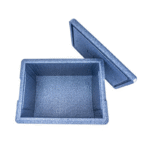
TIDAK. Batu bata yang sama dapat bekerja secara berbeda dalam kotak surat kecil yang terisolasi, tas jinjing yang dapat digunakan kembali, A kotak busa, atau sistem rantai dingin dalam palet. Massa muatan, ruang kosong, paparan lingkungan, penempatan batu bata, dan pengkondisian awal semua mengubah hasilnya. Buatlah sekumpulan kecil paket yang disetujui daripada mengharapkan satu bata umum untuk mencakup setiap produk.
Apa kesalahan sumber terbesar?
Kesalahan terbesar adalah menyetujui harga sebelum menyetujui kecocokan. Batu bata murah yang mengubah dimensi, kebocoran, tidak sesuai dengan paketnya, atau kurangnya dokumentasi dasar dapat menimbulkan lebih banyak biaya daripada penghematan. Pembeli harus memperlakukan tahap sampel sebagai uji proses: periksa batanya, karton, instruksinya, dan kemampuan pemasok untuk mengulangi konfigurasi yang disetujui.
Kesimpulan
Pengiriman batu bata gel harus dipilih melalui kerangka sumber yang jelas: mendefinisikan pekerjaan, standarisasi ringkasannya, bandingkan hanya penawaran yang sebanding, uji sampel dalam paket sebenarnya, dan mengontrol perubahan pesanan berulang. Batu bata gel adalah komponen pendingin pasif yang berguna, Tapi itu tidak menggantikan isolasi, pemantauan, kualifikasi, atau persyaratan spesifik produk.
Keputusan pembelian yang paling kuat adalah keputusan yang dapat diulangi oleh gudang Anda, tim penjualan Anda dapat menjelaskan secara akurat, dan tim kualitas atau logistik Anda dapat melakukan pembelaan saat kiriman ditinjau.
Tentang Tempk
Tempk memasok bahan kemasan rantai dingin bagi pembeli yang membutuhkan Gel Ice Packs, batu bata es freezer, tas terisolasi, Kotak Epp, kotak pengiriman dingin, liner terisolasi, penutup palet, dan komponen kemasan terkait. Dalam diskusi pengiriman batu bata gel, peran kami adalah membantu pembeli menentukan kasus penggunaan dengan jelas sebelum memilih ukuran, label, karton, atau arah paket. Kami menjaga pembicaraan tetap berdasarkan pada apa yang harus diverifikasi: muatan, rute, pengkondisian, kompatibilitas kemasan, dan apakah produk yang dipilih digunakan sebagai komponen pendingin atau sebagai bagian dari sistem pengatur suhu yang lebih luas.
Minta Tempk untuk meninjau kasus penggunaan pengepakan Anda dan membantu membandingkan batu bata gel yang sesuai, kemasan terisolasi, dan opsi karton untuk putaran sumber berikutnya.