Memilih Paket Gel untuk Es Krim dengan Ekspektasi Rute yang Realistis
Memilih yang baik dalam kategori ini bergantung pada satu prinsip: cocokkan paket dengan aplikasi sebelum Anda membandingkan pemasok. Terlalu banyak keputusan pengadaan dimulai dengan ukuran paket atau harga dan kemudian menemukan masalah pengondisian, bugar, kebocoran, pendinginan berlebih, dokumentasi, atau kontinuitas pasokan. Urutan yang lebih baik adalah menentukan pekerjaan terlebih dahulu dan kemudian mengaudit pemasok mana yang dapat mengulanginya dengan andal.
Jika rute Anda mencakup pembukaan pintu berulang kali, penundaan serah terima, atau freezer tujuan yang tidak dijamin siap, berasumsi jalurnya lebih keras dari yang ditunjukkan oleh uji laboratorium.
Apa yang seharusnya dilakukan oleh produk—dan apa yang tidak diharapkan dari produk tersebut
Untuk es krim, paket gel paling baik dipahami sebagai zat pendingin dengan penggunaan terbatas daripada solusi pengiriman beku universal. Hal ini dapat membantu melindungi produk pada rute yang sangat pendek atau dikelola dengan ketat, dan ini mungkin berguna sebagai penstabil sekunder di dalam tas jinjing yang terkontrol. Namun distribusi es krim grosir sering kali menuntut perlindungan dingin yang lebih dalam daripada yang bisa diberikan oleh kemasan gel standar, terutama jika waktu tunggu parsel dan paparan musim panas terlibat.
Perbedaan tersebut penting karena banyak pembeli menggunakan kata 'paket gel' dan 'pengiriman beku' seolah-olah memiliki arti yang sama. Mereka tidak melakukannya. Paket gel dapat memperlambat pemanasan; itu tidak secara otomatis menyimpan es krim dalam keadaan beku melalui penundaan yang lama, depot hangat, atau pengiriman tanpa pengawasan. Percakapan pemasok harus dimulai dengan target termal sebenarnya, tidak dengan foto katalog.
Untuk makanan penutup beku, pembicaraan kepatuhan dan kualitas dimulai dengan target suhu produk. Kemasan yang dapat diterima untuk pengiriman dalam lemari es tidak secara otomatis dapat diterima untuk menyimpan produk yang dibekukan. Panduan pelayaran publik secara konsisten memisahkan kemasan gel untuk penyangga dingin dari es kering atau larutan beku yang lebih kuat untuk pengangkutan dalam suhu sangat dingin.
Bagaimana format yang tepat dipilih
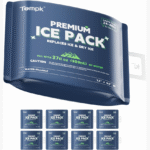
Paket gel standar biasanya mengandalkan gel berbahan dasar air atau polimer yang dibekukan sebelum digunakan. Mereka serbaguna, hemat biaya, dan tersedia secara luas dalam kantong lembut atau format yang lebih terstruktur. Paket PCM lebih terspesialisasi. Mereka dirancang untuk menyerap dan melepaskan panas mendekati suhu transisi yang dipilih, yang membuatnya lebih cocok untuk jendela sempit seperti suhu 2-8°C atau transportasi ambien terkendali. Dalam sebagian besar operasi sehari-hari, bungkusnya sudah dikondisikan sebelumnya di freezer atau ruangan dingin, kemudian ditempatkan di sekitar muatan untuk menyerap panas yang masuk. Kecepatan pemanasannya bergantung pada formulasi gel, massa zat pendingin, luas permukaan yang terkena udara, jumlah isolasi di pengirim, dan seberapa hangat produk saat dikemas.
Paket rantai dingin komersial biasanya menggunakan gel tidak beracun yang disegel di dalam film berbahan dasar polietilen atau poli-nilon, sementara beberapa format menambahkan lapisan luar penyerap untuk menangani kondensasi. Paket terapi dapat menambahkan penutup tekstil lembut, bungkus berbentuk, atau tali pengikat. Dalam setiap kasus, format yang terlihat penting karena lapisan luar mempengaruhi ketahanan tusukan, kemampuan bersih, fleksibilitas, dan bagaimana kemasan memindahkan suhu dingin ke produk atau tubuh. Pembeli juga harus memperhatikan geometri kemasan. Kantong tipis yang fleksibel dapat membungkus produk dengan lebih baik dan meningkatkan perpindahan panas, namun akan lebih rentan terhadap kerusakan jika lapisan film atau segelnya lemah. Format yang lebih tebal atau dapat digunakan kembali mungkin bertahan lebih lama, namun dapat membuang-buang ruang jika tidak sesuai dengan ukuran karton. Tidak ada pilihan universal terbaik tanpa mengacu pada rute dan muatan.
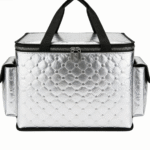
Paket gel yang masuk akal ada di tas distributor regional, program pengiriman langsung butik, dan pengiriman makanan penutup beku campuran yang mengutamakan presentasi produk. Ini biasanya merupakan jalur yang dikontrol ketat dengan jendela transit pendek, isolasi yang kuat, atau rantai berpendingin sebagian yang hanya memerlukan dukungan termal sementara selama penyerahan. Dalam kondisi seperti itu, paket gel dapat bertindak sebagai penstabil dan bukan sebagai satu-satunya sumber kapasitas pembekuan.
Dimana pembeli mendapatkan nilai dan dimana kesalahan dimulai
Keuntungan kemasan gel dalam logistik es krim terutama bersifat operasional. Itu sederhana, dapat digunakan kembali dalam beberapa format, dan nyaman untuk rute pendek atau langkah penyerahan terkendali. Dalam distribusi perkotaan yang dikelola secara ketat atau program jinjing yang terisolasi, kenyamanan itu bisa sangat berharga.
Batasannya sangat jelas: sebagian besar kemasan gel bukanlah pengganti metode distribusi beku yang sebenarnya di jalur yang panjang atau tidak pasti. Jika produk harus tetap dalam keadaan beku, Anda mungkin membutuhkan es kering, pendinginan mekanis, pengirim beku yang tervalidasi, atau desain ulang rute. Perlakukan setiap klaim pemasok yang mengabaikan batasan ini dengan hati-hati.
Tinjauan teknis harus dimulai dengan persyaratan pembekuan yang sebenarnya. Tanyakan kepada pemasok berapa suhu produk yang ingin dilindungi oleh jalur tersebut, berapa lama rute tersebut bertahan dalam kondisi terburuk, dan apakah kemasan tersebut diusulkan sebagai media beku utama atau hanya sebagai penstabil pendukung. Jika pertanyaan-pertanyaan tersebut tidak mendorong kutipan tersebut, proposal tersebut mungkin terlalu umum.
Mode kegagalan yang umum dapat diprediksi: terlalu sedikit massa dingin, terlalu banyak ruang kepala yang hangat, tinggal di ambang pintu yang panjang, dan siklus pencairan-pembekuan ulang yang berulang-ulang sehingga merusak kualitas produk meskipun karton masih terasa dingin di luar. Pembeli makanan penutup beku harus menguji jalur musiman yang paling sulit daripada uji coba internal yang paling mudah.
Daftar pemasok yang praktis
Dalam distribusi es krim, daftar periksa tersebut harus menunjukkan apakah pemasok memahami logistik beku atau hanya mengutip a paket dingin. Es krim adalah salah satu aplikasi termal yang paling sulit dalam distribusi parsel dan grosir karena jendela yang dapat diterima sempit dan pelunakannya langsung terlihat. Pembeli dapat menghemat uang untuk membeli bahan pendingin dan tetap kehilangan margin karena penyusutan, keluhan produk, atau penyalahgunaan freezer saat diterima.
Daftar pilihan yang tepat dibangun berdasarkan kemampuan pengulangan, bugar, dan batasan operasi yang jujur. Minta pemasok untuk menjawab poin-poin di bawah ini secara tertulis sehingga persetujuan sampel dan persetujuan massal tetap selaras.
Alat pengambilan keputusan yang berguna
Periksa detailnya sebelum Anda memilih kemasan
Alat cepat ini dapat membantu Anda membandingkan risiko rute, kebutuhan ukuran, pilihan pendingin, dan detail kemasan sebelum Anda meminta penawaran.
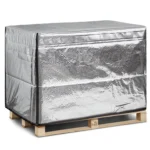
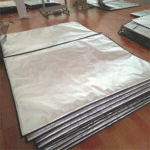
Pelapis Kotak & Ukuran Penutup Palet
Centang kotak logika ukuran penutup palet dan liner untuk proyek pengemasan berinsulasi.
Perkiraan ukuranKetahanan Jatuh Bahan Isolasi
Tinjau ketahanan jatuh dan faktor penanganan sebelum memilih bahan insulasi.
Periksa resistensiKalkulator Es Kering
Perkirakan kebutuhan es kering untuk pengiriman beku atau sangat dingin sebelum pengepakan.
Perkirakan es kering- Konfirmasikan dimensi internal dan eksternal, mengisi berat, dan jumlah kotak sehingga paket sesuai dengan pengirim Anda saat ini tanpa ruang udara yang terbuang.
- Tanyakan film atau bahan luar apa yang digunakan, bagaimana segel terbentuk, dan pengendalian apa yang diterapkan untuk mencegah penyimpangan lot-to-lot.
- Mintalah instruksi pengkondisian tertulis daripada mengandalkan kebiasaan freezer informal di meja pengepakan.
- Periksa apakah paket sampel dan paket produksi berasal dari bill of material yang sama, rutinitas pengisian yang sama, dan standar kualitas yang sama.
- Tanyakan bagaimana pemasok mengkomunikasikan formulasi apa pun, film, mencetak, atau perubahan dimensi paket sebelum pengiriman.
- Apakah paket tersebut ditujukan untuk penyangga dingin, dukungan beku, atau distribusi loop tertutup yang dapat digunakan kembali
- Bagaimana perilaku kemasan saat dimuat di samping produk beku keras dengan massa termal tinggi
- Kompatibilitas dengan es kering, pelat eutektik, atau tas jinjing berinsulasi yang dapat dikembalikan jika itu adalah bagian dari sistem
- Menerima kriteria ketegasan, permukaan mencair, dan membekukan kembali risiko
- Dukungan uji coba sebelum peluncuran grosir
- Perjelas apakah kemasan tersebut dimaksudkan sebagai salah satu komponen dalam pengirim yang memenuhi syarat atau sekadar pendingin umum untuk penggunaan yang lebih luas.
- Jalankan uji coba kecil dengan logger sebelum melakukan penskalaan. Pemasok yang dapat diandalkan harus merasa nyaman mendukung langkah tersebut.
Cara memvalidasi sebelum melakukan penskalaan
Sebelum pesanan besar, uji coba sepadan dengan waktu yang dihabiskan. Gunakan paket tujuan produksi di pengirim berinsulasi yang tepat, dengan massa muatan nyata, praktik pengondisian nyata, dan seorang penebang. Latihan kecil itu sering kali mengungkapkan apakah masalahnya ada pada pilihan zat pendingin, penempatan paket, rutinitas freezer, karton sesuai, atau menerima disiplin. Catat tidak hanya jejak logger, tetapi juga suhu pemuatan produk, jumlah pasti dan penempatan paket, waktu karton terbuka selama pengepakan, dan kondisi sekitar saat pengiriman.
Setelah pilotnya, meninjau lebih dari lulus/gagal. Carilah duri dingin, pemanasan yang terlambat, kondensasi, kerusakan paket, dan menangani gesekan. Banyak tim menemukan bahwa masalah utamanya bukanlah kimia gel sama sekali; itu adalah penempatan paket, ukuran kotak, rutinitas freezer, atau ketidaksesuaian antara paket sampel dan pasokan tujuan produksi.
Itu tidak berarti paket gel tidak berperan. Artinya, peran mereka bersifat kondisional. Mereka mungkin cocok untuk segmen yang dikontrol pendek, loop tote yang dapat dikembalikan, atau sebagai komponen penstabil dalam sistem beku yang lebih luas. Kualifikasi tambahan mungkin diperlukan jika jalurnya bervariasi atau spesifikasi produknya ketat.
Jika jawabannya tetap tidak jelas, asumsikan paket yang diusulkan hanya untuk penyangga dingin dan desain ulang jalurnya sesuai dengan itu. Dalam distribusi beku, optimisme itu mahal.
Arah prioritas pengadaan saat ini
Tren pasar terkuat itu sederhana: pembeli menjadi lebih jujur tentang mana yang cocok dan mana yang tidak cocok untuk kemasan gel. Pertumbuhan pengiriman lokal, pemenuhan mikro, dan program jinjing yang dapat dikembalikan dapat menciptakan kasus penggunaan yang valid, namun jalur e-commerce yang lebih panjang masih memerlukan strategi yang lebih dingin daripada yang biasanya dapat diberikan oleh soft gel saja.
Oleh karena itu, pembicaraan tentang keberlanjutan dan biaya berpusat pada desain rute. Kemasan yang dapat digunakan kembali dapat menurunkan limbah secara tertutup, namun kehilangan produk yang berulang atau pengembalian dana pelanggan menghapus manfaat tersebut dengan cepat. Pemasok yang bertanggung jawab adalah orang yang membantu Anda menentukan batasan alih-alih menjual secara berlebihan.
Jika paket gel tidak cukup, mendesain ulang jalur tersebut
Beberapa pembeli terus menambah massa gel padahal masalah sebenarnya adalah jalur itu sendiri. Jika pesanan menghabiskan waktu terlalu lama di depo yang hangat, menunggu di beranda, atau tergantung pada waktu paket yang bervariasi, menambahkan lebih banyak gel lunak hanya akan menambah berat dan biaya tanpa mempertahankan inti yang dibekukan. Pada saat itu, jawaban yang lebih baik mungkin adalah es kering, transportasi dingin mekanis, pemenuhan mikro, atau janji pengiriman yang lebih terbatas.
Ini bukanlah kegagalan konsep paket gel. Ini hanyalah sebuah pengakuan bahwa kualitas makanan penutup beku memiliki margin yang lebih sempit dibandingkan banyak produk dingin. Pengadaan harus memberikan penghargaan kepada pemasok yang menyatakan hal tersebut dengan jelas.
Kesimpulan
Dalam logistik es krim, pencocokan rute yang jujur lebih penting daripada spesifikasi yang diharapkan. Paket gel dapat berperan, tetapi hanya jika target termalnya, waktu transit, dan kondisi penanganan membuat peran tersebut realistis.
Pembeli grosir yang menetapkan batas tersebut dengan jelas cenderung membuang lebih sedikit uang dibandingkan mereka yang meminta satu bungkus untuk menyelesaikan setiap masalah pengiriman beku.
Tentang tempk
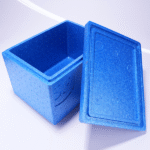
Dan Tempk, kami fokus pada rantai dingin Kemasan yang dikendalikan suhu untuk makanan, obat, dan pengiriman sensitif suhu lainnya. Rangkaian produk publik kami meliputi Gel Ice Packs, batu bata es freezer, liner kotak terisolasi, Kotak Epp, penutup palet, dan bahan kemasan terkait. Kami juga menjelaskan pekerjaan kami solusi rantai dingin pengembangan dengan in-house R&D dan dukungan pengujian termal. Hal ini membantu kita mendiskusikan masing-masing zat pendingin dan sistem pengemasan yang lebih luas di sekitarnya.
Langkah selanjutnya
Mulailah dengan kondisi rute realistis terdingin dan jangka waktu pengiriman realistis terpanjang. Kemudian uji apakah paket gel benar-benar sesuai dengan jalur tersebut sebelum Anda memperluas program grosir.
FAQ
Ini adalah pertanyaan yang paling sering muncul setelah perbandingan awal selesai.
Bisakah paket gel menggantikan es kering untuk es krim?
Terkadang pada rute putaran tertutup yang pendek, namun seringkali tidak untuk pengiriman parsel yang harus menjaga produk tetap beku. Es kering atau larutan beku yang tervalidasi seringkali merupakan pilihan yang lebih aman. Logistik makanan penutup beku tidak kenal ampun, jadi ujilah jalur yang paling sulit daripada uji coba internal yang paling mudah.
Tes apa yang harus dilakukan pedagang grosir terlebih dahulu?
Jalankan uji rute sederhana dengan logger dan massa produk nyata di pengirim sebenarnya. Periksa tidak hanya suhu kotak tetapi juga kekencangan produk dan kondisi penerimaan. Target produk harus tetap fokus pada kualitas hard-frozen, bukan hanya karton yang terasa sejuk.
Kapan format yang dapat digunakan kembali layak dilakukan?
Mereka lebih masuk akal pada rute regional yang dapat diprediksi dengan logistik terbalik, seperti program distributor atau program pengiriman lokal yang memulihkan tas jinjing dan bungkusan. Untuk pembelian grosir, realisme rute lebih penting daripada janji luas tentang retensi dingin.