Artikel 4: Versi pro yang dioptimalkan
Memilih yang benar Paket Pendingin Gel Pemasok di Australia
Hasil yang baik dari pemasok paket pendingin gel di Australia akan membuat pengoperasian menjadi lebih sederhana, tidak lebih rapuh. Apakah Anda melindungi produk yang sensitif terhadap suhu, mendukung aplikasi terapi, atau meningkatkan kinerja pengiriman cuaca hangat, paket yang tepat adalah yang sesuai dengan rute sebenarnya, proses penanganan sesungguhnya, dan kendala pembelian sebenarnya di balik pesanan tersebut.
Jika pengirimannya adalah farmasi, biologis, atau diagnostik, gunakan diskusi pemasok untuk mengonfirmasi apakah Anda membeli komponen pendingin umum atau paket yang sudah dimasukkan ke dalam pengirim yang memenuhi syarat konfigurasi.
Apa yang seharusnya dilakukan oleh produk—dan apa yang tidak diharapkan dari produk tersebut
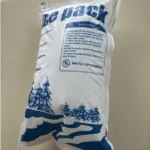
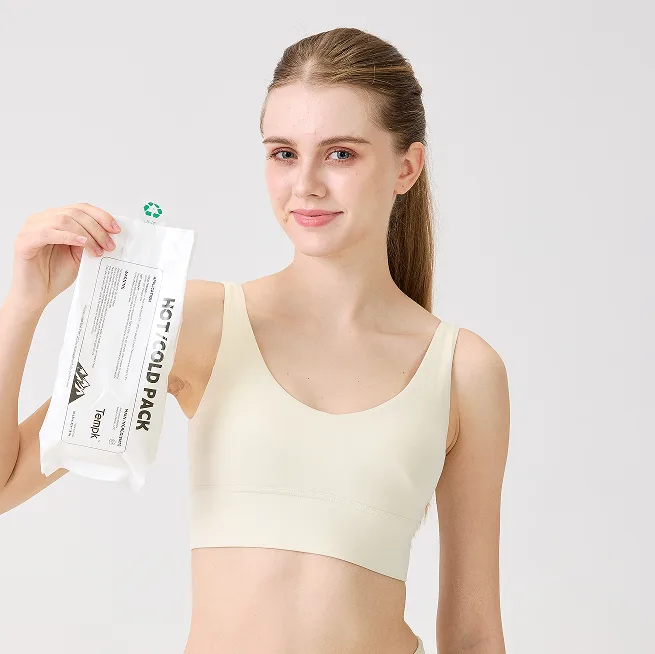
Paket pendingin gel adalah sumber dingin kemasan yang digunakan di dalam pengirim berinsulasi, tote, atau karton berbahan dasar liner untuk memperlambat kenaikan suhu selama pengangkutan. Di banyak jalur, ini adalah kantong lembut berisi gel berbahan dasar air atau polimer, meskipun format yang dapat digunakan kembali juga dapat dibuat lebih keras, paket yang lebih terstruktur. Pembeli memilih format ini karena lebih mudah untuk ditempatkan di sekitar muatan dibandingkan dengan balok es yang kaku dan biasanya lebih mudah untuk diisi ulang dibandingkan dengan pendinginan aktif..
Intinya, Namun, bukan untuk membeli massa dingin secara abstrak. Anda mencoba melindungi transportasi dingin untuk obat-obatan, Diagnostik, makanan, dan barang-barang sensitif suhu lainnya. Artinya, pertanyaan yang benar bukan hanya seberapa dingin kemasannya, tapi bagaimana perilakunya setelah pengkondisian, seberapa cepat ia menyerap panas, entah itu bocor atau mengeluarkan keringat berlebih, dan seberapa andal pemasok dapat mereproduksi paket yang sama dari bulan ke bulan.
Paket pendingin gel adalah sumber dingin, tidak lengkap sistem pengiriman yang dikontrol suhu. Dalam perawatan kesehatan dan pekerjaan laboratorium, kinerja tergantung pada kotak luar, isolasi, massa muatan, durasi jalur, paparan lingkungan, dan pemantauan suhu-tidak hanya pada kantong pendingin saja. Untuk produk kesehatan yang sensitif terhadap suhu, panduan global secara konsisten mengarah pada kualifikasi atau validasi sistem pengiriman dibandingkan ketergantungan buta pada klaim komponen. Itu berarti Anda harus menguji paket lengkap dalam kondisi panas dan dingin yang diperkirakan, tidak berasumsi bahwa suhu fase atau paket yang lebih besar akan secara otomatis menyelesaikan rute.
Bagaimana format yang tepat dipilih
Paket gel standar biasanya mengandalkan gel berbahan dasar air atau polimer yang dibekukan sebelum digunakan. Mereka serbaguna, hemat biaya, dan tersedia secara luas dalam kantong lembut atau format yang lebih terstruktur. Paket PCM lebih terspesialisasi. Mereka dirancang untuk menyerap dan melepaskan panas mendekati suhu transisi yang dipilih, yang membuatnya lebih cocok untuk jendela sempit seperti suhu 2-8°C atau transportasi ambien terkendali. Dalam sebagian besar operasi sehari-hari, bungkusnya sudah dikondisikan sebelumnya di freezer atau ruangan dingin, kemudian ditempatkan di sekitar muatan untuk menyerap panas yang masuk. Kecepatan pemanasannya bergantung pada formulasi gel, massa zat pendingin, luas permukaan yang terkena udara, jumlah isolasi di pengirim, dan seberapa hangat produk saat dikemas.
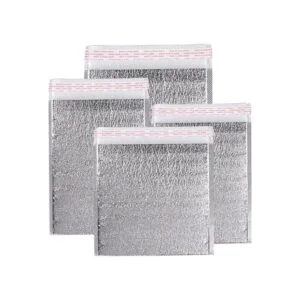
Paket rantai dingin komersial biasanya menggunakan gel tidak beracun yang disegel di dalam film berbahan dasar polietilen atau poli-nilon, sementara beberapa format menambahkan lapisan luar penyerap untuk menangani kondensasi. Paket terapi dapat menambahkan penutup tekstil lembut, bungkus berbentuk, atau tali pengikat. Dalam setiap kasus, format yang terlihat penting karena lapisan luar mempengaruhi ketahanan tusukan, kemampuan bersih, fleksibilitas, dan bagaimana kemasan memindahkan suhu dingin ke produk atau tubuh. Pembeli juga harus memperhatikan geometri kemasan. Kantong tipis yang fleksibel dapat membungkus produk dengan lebih baik dan meningkatkan perpindahan panas, namun akan lebih rentan terhadap kerusakan jika lapisan film atau segelnya lemah. Format yang lebih tebal atau dapat digunakan kembali mungkin bertahan lebih lama, namun dapat membuang-buang ruang jika tidak sesuai dengan ukuran karton. Tidak ada pilihan universal terbaik tanpa mengacu pada rute dan muatan.
Format ini biasanya digunakan dalam distribusi pendingin jarak jauh untuk apotek dan klinik, pengiriman laboratorium yang memerlukan sumber dingin tetapi belum tentu pengirim yang aktif penuh, dan makan, susu, atau pengiriman makanan khusus di mana ketahanan terhadap kebocoran dan pemesanan berulang menjadi penting. Di lingkungan tersebut, operator menghargai paket yang mudah dikondisikan dalam freezer standar, cepat untuk dimasukkan ke dalam paket berulang, dan cukup dapat diandalkan sehingga staf tidak perlu berimprovisasi ketika satu ukuran kehabisan stok. Kesederhanaan penting karena jalur pengepakan berhasil jika rutinitasnya jelas, tidak ketika desainnya terlihat pintar di atas kertas.
Dimana pembeli mendapatkan nilai dan dimana kesalahan dimulai
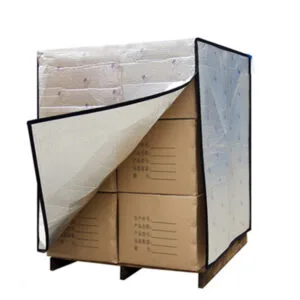
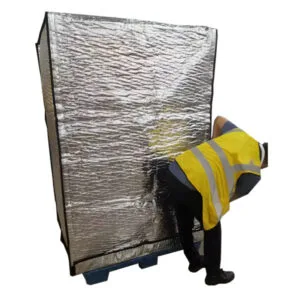
Keuntungan utamanya sudah familiar: penempatan yang fleksibel, pengkondisian yang relatif sederhana, ketersediaan ukuran luas, dan kompleksitas sistem yang lebih rendah dibandingkan pengirim aktif. Banyak operasional juga menyukai kenyataan bahwa paket dapat diintegrasikan ke dalam EPS, EPP, pelapis foil, atau solusi penutup palet tanpa mengubah rutinitas dasar gudang.
Batasan juga sama pentingnya. Paket yang lebih dingin belum tentu merupakan paket yang lebih baik. Media yang terlalu beku dapat merusak muatan sensitif, terutama ketika unit produk menyentuh zat pendingin secara langsung. Paket dengan bobot pengisian yang tidak konsisten dapat menyebabkan waktu pengoperasian yang tidak dapat diprediksi. Dan jika pemasok mengganti film, lebar segel, atau komposisi gel tanpa memberitahu Anda, paketnya mungkin menyimpang dari kinerja aslinya. paket yang terlihat dapat diterima di atas kertas tetapi tidak dapat menangani jalur panas, pengiriman jarak jauh, atau pengisian ulang yang tidak konsisten.
Pembeli teknis harus meminta lebih dari sekadar ukuran judul. Isi toleransi berat, pengukur film atau keluarga material, format segel, waktu pengkondisian yang disarankan, dimensi paket setelah pengkondisian, dan konsistensi kemasan kotak semuanya memengaruhi perilaku penggunaan produk. Jika pemasok tidak dapat mendefinisikan dasar-dasar tersebut dengan jelas, paket tersebut mungkin lebih sulit untuk distandarisasi daripada yang terlihat pada pandangan pertama.
Mode kegagalan yang umum dapat diprediksi. Paket tiba dalam keadaan kurang terisi atau sedikit kebesaran dan tidak lagi sesuai dengan desain pengirim. Staf membekukannya lebih keras dari yang diharapkan dan menempatkannya langsung pada muatan sensitif. Lot pengganti hadir dengan nuansa film berbeda atau profil pencairan berbeda. Tim pengadaan sering kali fokus pertama pada harga, namun stabilitas operasional sehari-hari biasanya berasal dari konsistensi. Jika berat isian melayang, lebar segel berubah, atau pemasok mengganti film lain tanpa pemberitahuan, paket tersebut mungkin masih terlihat sama sementara perilaku termalnya cukup berubah sehingga mempengaruhi jalur.
Daftar pemasok yang praktis
Percakapan dengan pemasok menjadi jauh lebih berguna ketika Anda beralih dari sekadar brosur dan menanyakan bagaimana perilaku paket dalam operasi Anda yang sebenarnya. Pembeli Australia sering kali kurang peduli terhadap harga katalog dan lebih memikirkan apa yang terjadi setelah pengiriman. Jarak domestik yang jauh, panas musim panas, dan pengiriman ke wilayah regional atau terpencil dapat memperbesar kelemahan paket kecil. Itu sebabnya pemasok dengan stok lokal yang dapat diandalkan, instruksi pengkondisian yang jelas, dan kualitas pengisian yang dapat diulang sering kali mengalahkan sumber yang lebih murah yang mengandalkan waktu tunggu impor yang lama.
Daftar pilihan yang tepat dibangun berdasarkan kemampuan pengulangan, bugar, dan batasan operasi yang jujur. Minta pemasok untuk menjawab poin-poin di bawah ini secara tertulis sehingga persetujuan sampel dan persetujuan massal tetap selaras.
Konfirmasikan dimensi internal dan eksternal, mengisi berat, dan jumlah kotak sehingga paket sesuai dengan pengirim Anda saat ini tanpa ruang udara yang terbuang.
Tanyakan film atau bahan luar apa yang digunakan, bagaimana segel terbentuk, dan pengendalian apa yang diterapkan untuk mencegah penyimpangan lot-to-lot.
Mintalah instruksi pengkondisian tertulis daripada mengandalkan kebiasaan freezer informal di meja pengepakan.
Periksa apakah paket sampel dan paket produksi berasal dari bill of material yang sama, rutinitas pengisian yang sama, dan standar kualitas yang sama.
Tanyakan bagaimana pemasok mengkomunikasikan formulasi apa pun, film, mencetak, atau perubahan dimensi paket sebelum pengiriman.
Alat pengambilan keputusan yang berguna
Periksa detailnya sebelum Anda memilih kemasan
Alat cepat ini dapat membantu Anda membandingkan risiko rute, kebutuhan ukuran, pilihan pendingin, dan detail kemasan sebelum Anda meminta penawaran.
Kalkulator Paket Es
Perkirakan jumlah paket es gel untuk pengiriman dingin dan perencanaan rute yang praktis.
Perkirakan kantong esPemilih Kemasan
Bandingkan opsi kemasan berinsulasi berdasarkan produk, rute, dan kebutuhan suhu.
Temukan kemasannyaPemeriksa Risiko Rute
Tinjau kondisi jalur sebelum memilih kemasan untuk mengetahui kebutuhan pengoperasian sebenarnya.
Periksa risiko ruteApakah pemasok menyimpan stok lokal Australia atau mengirimkan setiap pesanan sesuai waktu tunggu impor
Waktu pengkondisian yang disarankan dan apakah kemasan harus digunakan dalam keadaan beku sepenuhnya, dikondisikan sebagian, atau dipasangkan dengan PCM
Bukti konsistensi segel dan kontrol berat isi di seluruh lot produksi berulang
Ukuran paket yang sesuai dengan EPS Anda yang ada, EPP, atau pengirim berbasis kapal tanpa ruang mati
Kemampuan pengisian darurat selama puncak musim panas atau kampanye kesehatan masyarakat
Perjelas apakah kemasan tersebut dimaksudkan sebagai salah satu komponen dalam pengirim yang memenuhi syarat atau sekadar pendingin umum untuk penggunaan yang lebih luas.
Jalankan uji coba kecil dengan logger sebelum melakukan penskalaan. Pemasok yang dapat diandalkan harus merasa nyaman mendukung langkah tersebut.
Cara memvalidasi sebelum melakukan penskalaan
Sebelum pesanan besar, uji coba sepadan dengan waktu yang dihabiskan. Gunakan paket tujuan produksi di pengirim berinsulasi yang tepat, dengan massa muatan nyata, praktik pengondisian nyata, dan seorang penebang. Latihan kecil itu sering kali mengungkapkan apakah masalahnya ada pada pilihan zat pendingin, penempatan paket, rutinitas freezer, karton sesuai, atau menerima disiplin. Catat tidak hanya jejak logger, tetapi juga suhu pemuatan produk, jumlah pasti dan penempatan paket, waktu karton terbuka selama pengepakan, dan kondisi sekitar saat pengiriman.
Setelah pilotnya, meninjau lebih dari lulus/gagal. Carilah duri dingin, pemanasan yang terlambat, kondensasi, kerusakan paket, dan menangani gesekan. Banyak tim menemukan bahwa masalah utamanya bukanlah kimia gel sama sekali; itu adalah penempatan paket, ukuran kotak, rutinitas freezer, atau ketidaksesuaian antara paket sampel dan pasokan tujuan produksi.
Di Australia, Pekerjaan rantai dingin vaksin dan obat-obatan memberikan perhatian besar pada penyimpanan produk dalam kisaran suhu yang diberi label. Panduan vaksin publik menggunakan jendela +2°C hingga +8°C dengan sasaran pengoperasian mendekati +5°C, itulah salah satu alasan pembeli mengamati kemasan gel yang terlalu beku dan praktik pengondisian yang buruk. Dalam hal pengadaan praktis, itu berarti Anda harus waspada terhadap klaim bahwa kemasan gel yang longgar sudah 'sesuai' dengan sendirinya. Yang penting apakah paketnya lengkap atau tidak, termasuk pengondisian dan latihan penerimaan, cocok untuk rute dan produk.
Ketika pemasok menjawab pertanyaan-pertanyaan ini dengan jelas dan konsisten, Anda akan mendapatkan gambaran yang lebih baik tentang mitra mana yang dapat mendukung operasi nyata, bukan sekadar pengambilan sampel tingkat pertama.
Arah prioritas pengadaan saat ini
Di seluruh program rantai dingin Australia, semakin banyak pembeli yang meminta pemasok untuk mendukung pengemasan jalur khusus, stok cadangan darurat, dan dokumentasi yang lebih jelas untuk menerima cek. Ketersediaan dan konsistensi menjadi bagian dari spesifikasi produk, bukan sekadar layanan tambahan. Pembeli juga lebih memperhatikan total risiko yang ada. Paket yang datang terlambat, memerlukan penggantian darurat, atau memaksa penyelesaian manual bisa memakan biaya yang jauh lebih besar daripada sedikit perbedaan harga satuan. Itu sebabnya ketahanan pemasok, mengubah kendali, dan konsistensi sampel hingga produksi semakin diperhitungkan dalam kartu skor pengadaan.
Di wilayah dengan rute yang panjang atau perubahan lingkungan yang keras, pengadaan menjadi lebih spesifik jalur. Daripada satu paket nasional, banyak tim sekarang menggunakan konfigurasi terpisah untuk metro, regional, dan pengiriman jarak jauh. Pemasok yang dapat mendukung segmentasi tersebut seringkali lebih berharga daripada katalog dengan ratusan SKU tetapi sedikit panduan aplikasi.
Kesimpulan
Cara paling berguna untuk membandingkan pemasok adalah memulai dengan rutenya, kisaran suhu produk, dan rutinitas pengepakan yang sebenarnya bisa Anda jalankan. Dari sana, paket pendingin gel yang tepat menjadi lebih mudah untuk ditentukan.
Jika Anda mempertahankan urutan itu, Anda cenderung tidak membeli kemasan yang tampak mengesankan dalam karton sampel, namun menimbulkan risiko yang dapat dihindari dalam pengoperasian rutin.
Tentang Huizhou
Di Huizhou, kami fokus pada rantai dingin Kemasan yang dikendalikan suhu untuk makanan, obat, dan pengiriman sensitif suhu lainnya. Rangkaian produk publik kami meliputi Gel Ice Packs, batu bata es freezer, liner kotak terisolasi, Kotak Epp, penutup palet, dan bahan kemasan terkait. Kami juga menjelaskan pekerjaan kami seputar pengembangan solusi rantai dingin dengan R internal&D dan dukungan pengujian termal. Hal ini membantu kita mendiskusikan masing-masing zat pendingin dan sistem pengemasan yang lebih luas di sekitarnya.
Langkah selanjutnya
Jika Anda meninjau pemasok atau merencanakan paket baru, mulai dengan kisaran suhu produk sebenarnya dan panjang rute. Kemudian mintalah kumpulan sampel yang cocok dengan pesanan massal yang Anda inginkan dan ujilah sebelum melakukan penskalaan.
FAQ
Ini adalah pertanyaan yang paling sering muncul setelah perbandingan awal selesai.
Apakah pembeli Australia selalu membutuhkan PCM daripada gel beku standar?
Tidak selalu. Gel standar bekerja dengan baik untuk banyak jalur dingin, namun PCM menjadi lebih menarik ketika produk harus berada dalam kisaran yang lebih ketat seperti 2-8°C dan Anda perlu mengurangi risiko pendinginan berlebihan dini. Pilihan yang lebih baik menjadi jelas ketika Anda menguji paket di dalam konfigurasi terisolasi aktual dan rutinitas penanganan Anda.
Apakah stok lokal lebih penting daripada harga satuan ex-works terendah?
Untuk banyak rute Australia, Ya. Ketersediaan lokal dapat mengurangi penundaan pengisian ulang, membuat perencanaan musiman lebih mudah, dan menurunkan risiko penggantian darurat yang memaksa Anda memeriksa ulang kemasan Anda. Panjang rute, paparan lingkungan, dan menerima disiplin biasanya lebih penting daripada klaim katalog umum.
Apa yang harus disediakan pemasok sebelum pesanan dalam jumlah besar?
Minimal, minta dimensinya, mengisi berat, instruksi pengkondisian, detail film luar, jumlah kasus, waktu tunggu, dan kumpulan sampel yang dapat Anda jalankan dalam konfigurasi terisolasi Anda sendiri. Untuk pembelian grosir, minta pemasok untuk mencocokkan kumpulan sampel sedekat mungkin dengan produksi.