Pengemasan artisanal kacang hingga coklat batangan lebih dari sekadar memasukkan sebatang kayu ke dalam bungkusnya. Kelompok kecil ini, coklat yang bersumber secara etis sering kali tidak memiliki zat penstabil dan pengemulsi yang digunakan dalam permen pasar massal, membuat mereka sangat sensitif terhadap panas, kelembaban dan penanganan. Untuk menjaga rasa coklat Anda tetap enak seperti saat keluar dari pabrik, kamu membutuhkan sebuah strategi rantai dingin yang menyeimbangkan presisi dengan keberlanjutan. Dalam panduan ini diperbarui untuk 2025, kita melihat bagaimana menjaga suhu di antaranya 1220 ° C. (54–68 °F) dengan kelembaban relatif di bawah 50 %, mengeksplorasi teknologi pengemasan dan tren keberlanjutan, dan menawarkan saran yang dapat ditindaklanjuti untuk pembuat coklat dan tim logistik.
Panduan ini menjawab pertanyaan Anda
Mengapa coklat beantobar sangat sensitif? Pelajari bagaimana standar organik dan pemrosesan minimal meningkatkan kerentanan terhadap pertumbuhan lemak, mekarnya gula dan pertumbuhan mikroba.
Kisaran suhu dan kelembapan berapa yang mencegah mekar dan retak? Temukan yang optimal 1220 ° C. band dan semakin ketat 1518 ° C., 4555 % RH jendela untuk coklat hitam.
Bagaimana saya memilih kemasan terisolasi dan bahan pendingin? Membandingkan kotak terisolasi, bahan perubahan fase (PCMS), kontainer aktif dan sistem hybrid.
Alat pemantauan dan protokol inspeksi mana yang bekerja paling baik? Pelajari cara menggunakan pencatat data, inspeksi sampel dan rencana tindakan perbaikan untuk mengetahui perubahan suhu.
Tren apa yang membentuk logistik coklat 2025? Jelajahi pertumbuhan pasar, digitalisasi, keberlanjutan dan preferensi konsumen.
Mengapa coklat beantobar sangat sensitif??
Memahami standar organik dan pengolahan minimal
Cokelat Beantobar sering kali bersertifikat organik dan diproduksi dengan sedikit bahan tambahan. Peraturan di UE, Amerika Serikat dan Kanada memerlukannya setidaknya 95 % konten organik, melarang bahan pengawet buatan dan GMO, dan permintaan ketertelusuran dan pemisahan penuh aliran organik dan non-organik. Pasalnya, biji kakao organik ditanam tanpa pestisida dan pupuk sintetis, tidak ada sisa bahan kimia untuk menunda pembusukan.
Tanpa pengemulsi seperti PGPR atau lemak terhidrogenasi, mentega kakao mengkristal dan bermigrasi lebih mudah, menyebabkan mekar lemak (kabut putih halus) saat coklat menghangat. Pendinginan yang cepat diikuti dengan pemanasan menyebabkan uap air mengembun dan melarutkan gula di permukaan, mengarah ke gula mekar (berpasir, penampilan berdebu). Coklat susu dan putih, dengan padatan susu lebih tinggi dan kandungan kakao lebih rendah, bahkan kurang toleran terhadap perubahan suhu.
Faktor-faktor ini membuat rantai pasokan beantobar sering kali disukai batch kecil dan rute transit yang lebih panjang. Tanpa bahan pengawet untuk memperpanjang umur simpan, perubahan suhu atau lonjakan kelembapan apa pun dapat menurunkan tekstur dan rasa, membuat kuat Kemasan rantai dingin penting.
Jenis sertifikasi dan persyaratan utama
Produsen Beantobar mungkin mematuhi beberapa program sertifikasi. Tabel di bawah ini merangkum program-program utama dan signifikansi praktisnya:
| Sertifikasi | Konten organik | Persyaratan utama | Signifikansi praktis |
| Organik UE | ≥95 % | Bahan organik bersertifikat; tidak ada bahan pengawet buatan atau GMO; dokumentasi rantai pasokan lengkap | Diakui di seluruh UE; menandakan kualitas premium & kepatuhan |
| USDA Organik | ≥95 % | Semua bahan pertanian bersertifikat; pemisahan aliran organik dan non-organik; label yang jelas dengan nama pemberi sertifikasi | Kesadaran konsumen yang tinggi di AS.; ~80 % rumah tangga membeli produk organik |
| Kanada Organik | ≥95 % | Persyaratan serupa dengan USDA; kesetaraan lintas pasar dengan UE dan AS. | Memfasilitasi perluasan pasar Amerika Utara |
| Organik Regeneratif (Gereja Ortodoks Rusia) | Harus terlebih dahulu memegang USDA Organic & memenuhi kriteria regeneratif | Menambah kesehatan tanah, kriteria kesejahteraan hewan dan keadilan sosial | Menarik bagi konsumen yang berorientasi pada nilai-nilai yang mencari keberlanjutan selain “organik” |
Kondisi optimal untuk pengendalian kualitas coklat rantai dingin
Suhu & dasar-dasar kelembaban
Cokelat berperilaku seperti emulsi lembut lemak dan gula. Cocoa butter melunak di bagian atas 20 ° C. dan bermigrasi ke permukaan, sedangkan pendinginan yang terlalu rendah diikuti dengan pemanasan menyebabkan kelembapan melarutkan gula dan mengkristal kembali, menciptakan penampilan yang membosankan. Pengiriman harus tetap dalam batas yang sempit 1220 ° C. (54–68 °F) pita suhu dan kelembaban relatif di bawah 50 % untuk mencegah cacat ini. Cokelat hitam dapat bertahan pada kisaran harga terendah karena kandungan kakaonya yang tinggi; susu dan coklat putih memerlukan kisaran suhu menengah untuk tekstur yang halus.
A 2025 panduan dari Tempk merekomendasikan band yang lebih ketat 1518 °C dengan 4555 % kelembaban relatif untuk coklat hitam selama pengiriman. Mempertahankan kondisi ini meminimalkan risiko kondensasi dan menjaga tekstur tetap stabil. Pemantauan waktu nyata dan pencatat data membantu memastikan bahwa perubahan suhu tetap dalam batas yang dapat diterima.
Kondisi yang direkomendasikan berdasarkan jenis coklat
Jenis coklat yang berbeda memiliki sensitivitas yang berbeda pula. Tabel di bawah ini merangkum rentang praktik terbaik dari panduan logistik:
| Jenis coklat | Kisaran suhu | Batas kelembaban | Catatan praktis |
| Cokelat hitam | 1220 ° C. | ≤50 % | Kandungan kakao yang tinggi memungkinkan toleransi pada suhu yang lebih rendah tetapi menghindari perubahan yang cepat |
| Coklat susu | 1220 ° C. | ≤50 % | Sensitif terhadap perubahan suhu; pertahankan pita midrange untuk tekstur halus |
| Coklat putih | 1220 ° C. | ≤50 % | Paling tidak toleran karena padatan kakaonya rendah; pemantauan terus menerus penting |
| Coklat isi/krim | 1220 ° C. | ≤50 % | Rentan terhadap retak atau pembubaran pengisi ketika kondisi berfluktuasi |
Mempertahankan kelembaban di bawah 50 % mencegah mekarnya gula dan pertumbuhan jamur. Gudang dunia nyata mengatur suhu antara 12–20 °C dan menjaga kelembapan tetap rendah 50 % untuk menyimpan coklat dalam jangka panjang. Kelembapan yang rendah hanya menjadi perhatian di bagian bawah 10 % karena kelembapan bisa menguap secara berlebihan, namun pemantauan terus menerus tetap diperlukan.
Cacat umum dan cara mencegahnya
Keluhan pelanggan seringkali berasal dari cacat yang terlihat:
Mekar gemuk: Kabut putih halus disebabkan oleh lonjakan suhu hangat dan waktu tinggal yang lama. Kurangi lonjakan panas dan durasi hangat yang lama; jauhkan karton dari dok pemuatan yang hangat dan pastikan coklat menyesuaikan diri secara perlahan dengan suhu kamar.
Gula mekar: Penampilan berdebu karena kondensasi dan perubahan kelembapan. Stabilkan kelembapan pada 4555 % RH dan hindari transisi dingin ke hangat. Menggunakan aklimatisasi tertutup: jaga agar karton tetap tertutup rapat sampai mencapai suhu sekitar untuk mencegah kondensasi.
Pelunakan/deformasi: Kehangatan yang berkelanjutan melembutkan batangan. Evaluasi insulasi kemasan dan minimalkan waktu tunggu di dermaga.
Retak/pecah: Menjatuhkan atau bergetar dapat memecahkan coklat; gunakan bahan bantalan dan kurangi ruang kosong di dalam kemasan.
Pengambilan bau: Cokelat mudah menyerap bau. Pertahankan aliran udara yang memadai dan hindari pengiriman bersama dengan barang yang berbau tajam.
Tip yang berguna adalah coklat dingin sebelum dikemas dan dinginkan terlebih dahulu bahan pengemasan jadi mereka tidak menghangatkan muatannya. Memulai pengiriman pada suhu internal yang sejuk akan mengurangi energi yang diperlukan untuk menjaga kondisi dan meminimalkan risiko kondensasi.
Merancang kemasan yang ideal untuk coklat beantobar
Memilih solusi pendinginan yang tepat
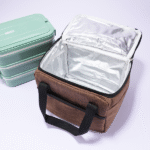
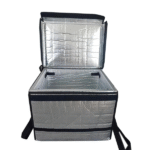
Pengemasan adalah sistem pengontrol suhu portabel Anda. Untuk coklat beantobar, kemasan harus menahan panas, menghalangi kelembapan, mengurangi pengambilan bau dan mencegah kerusakan fisik sekaligus menyelaraskan dengan nilai-nilai merek yang berkelanjutan. Empat pilihan pendinginan utama mendominasi logistik coklat rantai dingin:
| Opsi pendingin | Karakteristik utama | Perkiraan durasi | Manfaat & risiko |
| Kotak terisolasi | Bahan multilayer seperti polistiren, kertas dan kapas yang memperlambat perpindahan panas | 24–72 jam | Ringan, murah dan dapat disesuaikan untuk pengiriman jarak pendek; durasi terbatas dan rentan terhadap kondisi ekstrim. |
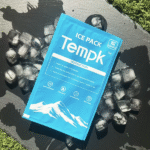
| Bahan perubahan fase (PCMS) | Paket gel atau PCM canggih yang menyerap dan melepaskan panas selama perubahan fase | 24–96 h | Pertahankan suhu stabil dalam rentang yang lebih luas; dapat digunakan kembali; ideal untuk jalur premium atau jarak jauh; memerlukan pengkondisian awal ke suhu target. |
| Kontainer aktif | Unit pendingin bertenaga menawarkan kontrol suhu yang presisi | ≥72 jam | Cocok untuk pengiriman bernilai tinggi atau jarak jauh; Biaya yang lebih tinggi, lebih berat dan membutuhkan tenaga. |
| Sistem Hibrida | Gabungkan isolasi, PCM dan pendinginan aktif minimal | 48–96 h | Seimbangkan biaya dan kinerja; beradaptasi dengan iklim yang berbeda. |
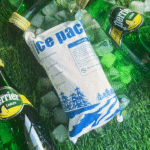
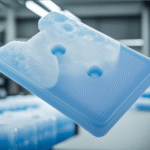
Untuk sebagian besar pengiriman coklat organik atau beantobar, Sistem PCM dikondisikan sekitar 1520 ° C. memberikan perlindungan terbaik. Es kering terlalu dingin dan dapat menciptakan kondensasi dan gula mekar nantinya; hindari menempatkan es atau paket dingin langsung terhadap produk. Alih-alih, kondisi Paket gel atau PCM ke suhu target dan pisahkan dari coklat dengan lapisan penghalang.
Daftar periksa desain kemasan
Untuk mencegah mekar, kerusakan dan pengambilan bau, gunakan prinsip desain ini:
Penghalang dulu: Lapisi kotak dengan bahan tahan lembab (MISALNYA., lapisan plastik atau kertas lilin) untuk menghalangi kelembapan.
Tidak ada kontak langsung: Tempatkan lapisan bergelombang atau busa di antara cairan pendingin dan coklat untuk menghindari titik dingin.
Sangat pas: Minimalkan celah udara; ruang kosong berlebih memungkinkan sirkulasi udara dan mempercepat perpindahan panas. Gunakan pembagi atau baki yang dibentuk untuk menjaga agar jeruji tetap stabil.
Bantalan: Lindungi sudut dan tepinya dengan busa atau sisipan empuk untuk menyerap getaran dan mencegah retak.
Pelabelan: Tandai paket dengan jelas "Tetap tenang" Dan “Tetap Tertutup Sampai Hangat” untuk memandu penangan. Gunakan bahan pengering atau penghalang kelembapan di dalam pengirim dan pilih pelapis yang dapat didaur ulang atau insulasi berbahan kertas untuk keberlanjutan.
Pra-pengemasan & perencanaan pengiriman
Perawatan rantai dingin yang benar dimulai sebelum truk tiba. Cokelat didinginkan terlebih dahulu dalam penyimpanan berpendingin di 1820 ° C. dan menjaga kelembapan di bawah 50 %. Bahan pengemas harus didinginkan terlebih dahulu sehingga tidak menghangatkan muatan. Rencanakan pengiriman selama jam-jam dingin, hindari pengiriman mendekati akhir pekan atau hari libur, dan berkoordinasi dengan operator untuk opsi ekspres. Hindari pengiriman ke P.O. kotak atau alamat di mana penerima tidak dapat segera mengambil paketnya; semakin cepat coklat kembali ke penyimpanan terkontrol, semakin baik.
Memantau dan mengaudit rantai dingin cokelat Anda
Melacak suhu & kelembaban
Data adalah perbedaan antara dugaan dan keyakinan. Pemantauan rantai dingin harus fokus pada tiga metrik utama: suhu maksimum (lonjakan terburuk), waktu di atas batas Dan risiko kelembaban/kondensasi. Kumpulkan data ini dengan sensor waktu nyata, pencatat data dan platform IoT. Jalur berisiko tinggi (Iklim panas, jarak jauh atau banyak handoff) mendapatkan manfaat dari pemantauan yang lebih kaya dan prosedur operasi standar yang lebih kuat (Sops).
Cara mudah untuk menentukan apakah Anda memerlukan logger di setiap jalur adalah dengan memberikan poin untuk setiap jawaban “ya” terhadap pertanyaan-pertanyaan ini:
Apakah Anda memerlukan bukti untuk klaim atau tolak bayar?
Apakah Anda mengirim melalui zona panas atau lembab secara musiman?
Apakah Anda memiliki handoff yang tidak sepenuhnya Anda kendalikan??
Alat pengambilan keputusan yang berguna
Periksa detailnya sebelum Anda memilih kemasan
Alat cepat ini dapat membantu Anda membandingkan risiko rute, kebutuhan ukuran, pilihan pendingin, dan detail kemasan sebelum Anda meminta penawaran.
Pemilih Kemasan
Bandingkan opsi kemasan berinsulasi berdasarkan produk, rute, dan kebutuhan suhu.
Temukan kemasannyaPembuat Daftar Periksa Kepatuhan
Buatlah daftar periksa praktis untuk tinjauan kemasan, pengiriman, dan dokumentasi.
Buat daftar periksaKalkulator Paket Es
Perkirakan jumlah paket es gel untuk pengiriman dingin dan perencanaan rute yang praktis.
Perkirakan kantong esApakah Anda menjual batangan premium yang cacatnya merusak kepercayaan merek?
Apakah Anda ingin umpan balik yang cepat untuk mengoptimalkan pengemasan?
Skor dari 0–1 berarti pemeriksaan mendadak mungkin sudah cukup; 2–3 menyarankan pencatat data rutin; 4–5 menunjukkan bahwa Anda memerlukan pemantauan yang lebih kaya dan SOP yang lebih kuat. Saat mengonfigurasi logger, atur interval pengambilan sampel cukup sering untuk menangkap lonjakan, menyelaraskan ambang batas dengan spesifikasi Anda, dan mulai merekam saat perjalanan sebenarnya dimulai (bukan saat disimpan di gudang). Tempatkan sensor di tingkat produk, tidak hanya di dinding kotak luar, untuk pembacaan yang akurat.
Menerima pemeriksaan & tindakan korektif
Departemen penerima adalah garis pertahanan terakhir terhadap masalah kualitas. Menerapkan a 15daftar periksa inspeksi menit kondisi karton penutup, integritas segel, riwayat suhu dan pemeriksaan sensorik. Alur kerja yang disarankan mencakup:
| Melangkah | Waktu | Kriteria lulus | Catatan |
| Pemeriksaan karton luar | 2 menit | Tidak ada bekas remuk atau basah | Pegang dan foto untuk bukti jika rusak. |
| Segel & pemeriksaan penghalang | 3 menit | Penghalang bagian dalam masih utuh | Tahan dan periksa lebih dalam jika dikompromikan. |
| Ulasan penebang | 5 menit | Sesuai spesifikasi atau tamasya yang diperbolehkan | Tingkatkan jika di luar spesifikasi. |
| Pemeriksaan sensorik cepat | 5 menit | Kilap & jepretan dapat diterima | Karantina jika mencurigakan. |
Jika Anda menemukan penyimpangan, Terapkan a Tindakan Korektif dan Tindakan Pencegahan (CAPA) mendekati: karantina banyak, suhu tinjauan & sejarah kelembaban, memutuskan apakah akan melepaskannya, tahan atau buang, mengidentifikasi akar permasalahannya (memanggungkan, transit atau pengepakan), dan menyesuaikan SOP atau aturan operator untuk mencegah terulangnya kembali. Dokumentasikan dengan foto dan stempel waktu untuk mengurangi perselisihan dan menjaga jejak audit.
2025 tren & technology shaping rantai dingin beantobar logistics
Pertumbuhan pasar & tren konsumen
Sektor rantai dingin dan logistik coklat berkembang pesat. Pasar logistik rantai dingin global, dihargai di AS $341 miliar masuk 2024, diproyeksikan mencapai AS $1.19 triliun sebesar 2034. Kemasan dengan pengatur suhu diperkirakan akan meningkat KITA $48.9 miliar masuk 2025 dan memperluas di 9.4 % setiap tahun. Sementara itu, pasar kakao dan coklat global diperkirakan sebesar KITA $169.12 miliar masuk 2025 dan perkiraan untuk dicapai KITA $233.05 miliar oleh 2030, menunjukkan permintaan yang kuat terhadap coklat premium dan bersumber secara etis meskipun harga kakao tinggi.
Konsumen memperdagangkan produk premium, mendorong permintaan akan single origin, format beantobar dan highcacao. Tren yang berfokus pada kesehatan mendorong bebas gula, coklat batangan organik dan fungsional yang mengandung protein dan adaptogen. Pada saat yang sama, kemasan berkelanjutan sekarang menjadi suatu keharusan bagi bisnis: 54 % konsumen Amerika sengaja memilih produk dengan kemasan ramah lingkungan, 90 % mengatakan mereka lebih cenderung membeli dari merek yang memprioritaskan bahan ramah lingkungan dan 37 % telah menolak membeli suatu produk karena kemasannya tidak ramah lingkungan. Tekanan-tekanan ini mengubah cara pengemasan coklat; pabrikan beralih ke yang ringan, film dan desain tas yang dapat didaur ulang yang meminimalkan plastik dengan tetap menjaga perlindungan produk.
Digitalisasi: IoT, AI dan blockchain
Manajemen rantai dingin beralih dari klaim reaktif ke klaim reaktif kinerja jalur yang dapat diprediksi. Sensor IoT terus memantau suhu, kelembaban dan lokasi di dalam pengiriman, ketika analitik prediktif menggunakan data sensor untuk memperkirakan kegagalan peralatan dan gangguan rute, mengurangi waktu henti yang tidak direncanakan hingga 50 %. Pengoptimalan rute yang digerakkan oleh AI meminimalkan jarak, menghemat bahan bakar dan mempersingkat waktu pengiriman; contoh di Eropa menunjukkan bahwa menggabungkan IoT dan analisis prediktif mengurangi penyimpangan suhu 15 % ke 3 % dan mengurangi konsumsi bahan bakar sebesar 12 %. Blockchain menambahkan catatan tamperproof dari setiap handoff, memastikan keaslian dan menyederhanakan penarikan kembali. Pengemasan digital dengan kode QR memungkinkan konsumen memverifikasi kondisi penyimpanan dan sumber etis secara real time.
Keberlanjutan & logistik hijau
Pengelolaan lingkungan merupakan keharusan moral dan keunggulan kompetitif. Logistik menyumbang lebih 20 % emisi, dan konsumen semakin memilih merek ramah lingkungan. Langkah-langkah utama meliputi:
Kendaraan listrik dan hibrida: Mengganti truk diesel dapat mengurangi konsumsi bahan bakar dan emisi gas rumah kaca hingga 70 %.
Bahan bakar terbarukan: Biodiesel dan solar terbarukan mengurangi emisi hingga 80 %, menawarkan solusi transisi.
Gudang hemat energi: pencahayaan LED, panel surya dan sistem HVAC yang digerakkan oleh AI dapat mengurangi penggunaan energi sebesar 20–30 %.
Dapat terurai secara hayati atau kemasan yang dapat digunakan kembali: Liner berbahan dasar kertas, isolasi akar jamur dan kotak yang dapat digunakan kembali memotong sampah plastik dan mendukung rantai pasokan melingkar. Sebuah pusat distribusi yang beralih ke wadah yang dapat digunakan kembali mengurangi penggunaan kemasan sekali pakai 80 %.
Inovasi terakhir & pemenuhan mikro
Kilometer terakhir sering kali merupakan bagian paling berisiko dalam rantai dingin, dengan kemacetan lalu lintas dan cuaca yang tidak dapat diprediksi. Untuk menjaga coklat beantobar sesuai spesifikasi, tim logistik harus:
Jadwalkan pengiriman selama periode dingin dan menghindari panas tengah hari.
Minimalkan waktu penanganan dengan membatasi waktu di luar kemasan berinsulasi selama transfer.
Berinvestasilah di pusat pemenuhan mikro dekat dengan pelanggan untuk memperpendek jarak perjalanan dan mempercepat pengiriman.
Gunakan pengoptimalan rute AI untuk memilih rute tercepat dan mengurangi konsumsi bahan bakar.
Berkoordinasi dengan pelanggan: memberi tahu penerima waktu pengiriman sehingga mereka dapat segera mengambil paket.
Menyediakan pelacakan waktu nyata sehingga pengemudi dan pelanggan dapat merespon dengan cepat jika kondisi berubah.
2025 sorotan tren
Laporan terbaru menyoroti beberapa perubahan penting:
Kemasan yang dapat digunakan kembali dan hibrida: Beralih dari sistem pasif sekali pakai ke solusi hibrid yang mengintegrasikan komponen yang dapat digunakan kembali dan pendinginan aktif.
Kepatuhan digital & transparansi: Peningkatan ketertelusuran melalui IoT, blockchain dan pengemasan interaktif memungkinkan konsumen memverifikasi kondisi penyimpanan dan sumber yang etis.
Booming bahan yang dapat terbiodegradasi: Pasar kemasan biodegradable sedang booming, dengan bahan seperti kertas, akar rami dan jamur mencocokkan kinerja termal sekaligus mengurangi limbah.
Pertanian regeneratif & perdagangan yang adil: Konsumen menuntut produk yang mendukung petani dan ekosistem. Sertifikasi Organik Regeneratif menetapkan standar yang lebih tinggi untuk kesehatan tanah dan keadilan sosial.
Pertanyaan yang sering diajukan
Q1: What temperature range should I maintain for rantai dingin beantobar chocolate?
Bertujuan untuk 12–20 °C, dengan 15–18 °C Dan 45–55 % kelembaban relatif untuk coklat hitam. Menjaga dalam batas ini mencegah penumpukan lemak dan gula serta menjaga tekstur.
Q2: Bagaimana cara mencegah penumpukan lemak selama pengangkutan?
Kurangi lonjakan panas dan waktu hangat yang lama dengan membatasi staging dermaga, menjaga kemasan tetap tertutup sampai hangat dan menghindari perubahan suhu yang cepat.
Q3: Tingkat kelembapan berapa yang ideal untuk pengiriman coklat beantobar?
Pertahankan kelembapan di bawah 50 % untuk penyimpanan jangka panjang; untuk transportasi, menjaga kelembaban relatif di antara keduanya 45–55 % dan hindari transisi dingin ke hangat. Aklimasi tertutup membantu menstabilkan kelembapan.
Q4: Haruskah saya menggunakan es kering untuk pengiriman coklat?
Umumnya TIDAK. Es kering terlalu dingin untuk coklat dan menimbulkan titik dingin yang menyebabkan kondensasi dan mekarnya gula. Gunakan paket gel yang dikondisikan atau PCM sebagai gantinya.
Q5: Apa daftar periksa pemeriksaan tercepat untuk pengiriman coklat?
Ikuti a 15alur kerja inspeksi menit: periksa karton luar (2 menit), integritas segel dan penghalang (3 menit), meninjau catatan data logger (5 menit) dan melakukan pemeriksaan sensorik cepat (5 menit). Pegang dan foto karton yang rusak, periksa lebih dalam apakah segelnya rusak dan karantina jika coklat menunjukkan masalah kilap atau patah.
Ringkasan dan rekomendasi praktis
Cokelat Beantobar mencerminkan keahlian dan sumber yang etis, jadi menjaga kualitasnya merupakan tanggung jawab ilmiah dan etika. Mempertahankan kisaran suhu yang ketat pada 12–20 °C dan kelembapan di bawah 50 % tidak bisa dinegosiasikan. Gunakan kemasan berinsulasi dengan PCM yang dikondisikan pada suhu 15–20 °C, pastikan ada penghalang antara cairan pendingin dan produk dan dinginkan terlebih dahulu semuanya sebelum pengiriman. Minimalkan waktu penanganan, memantau kondisi dengan pencatat data dan menerapkan alur kerja CAPA untuk penyimpangan. Di dalam 2025, merangkul teknologi digital (IoT, Ai, blockchain) untuk memprediksi dan mencegah kunjungan, dan memprioritaskan keberlanjutan melalui bahan-bahan yang dapat didaur ulang dan logistik yang hemat energi.
Langkah selanjutnya yang dapat ditindaklanjuti
Nilai rantai dingin Anda saat ini: Jalur peta, mengidentifikasi zona berisiko tinggi (Iklim panas, waktu transit yang lama, beberapa handoff) dan tentukan apakah Anda memerlukan pemantauan berkelanjutan atau pemeriksaan langsung.
Tingkatkan kemasan: Bereksperimenlah dengan sistem PCM dan solusi hibrid; kotak garis dengan penghalang kelembaban dan bantalan; memastikan kecocokan yang ketat.
Menerapkan protokol pemantauan: Terapkan pencatat data di tingkat produk, atur interval pengambilan sampel untuk menangkap lonjakan dan menentukan suhu & ambang batas kelembaban. Latih staf untuk mengikuti inspeksi penerimaan selama 15 menit.
Optimalkan logistik: Jadwalkan pengiriman selama periode dingin, berinvestasi dalam pemenuhan mikro, gunakan pengoptimalan rute AI dan berkoordinasi dengan pelanggan untuk penjemputan tepat waktu.
Rencanakan keberlanjutan: Transisi ke kemasan yang dapat digunakan kembali atau biodegradable, mengeksplorasi kendaraan pengiriman listrik atau hibrida dan mengadopsi energi terbarukan di gudang. Terlibat dalam program sertifikasi seperti Regenerative Organic untuk meningkatkan kepercayaan merek.
Tentang Tempk
Tempk berspesialisasi dalam pengendalian suhu solusi pengemasan untuk makanan, obat-obatan dan produk sensitif lainnya. Produk kami meliputi kotak terisolasi, bahan perubahan fase (PCMS) Dan sistem pendingin aktif dirancang untuk menjaga pengiriman dalam kisaran suhu yang ketat. Kami berinvestasi dalam penelitian untuk meningkatkan kinerja termal sekaligus mengurangi dampak lingkungan, menawarkan liner yang dapat terbiodegradasi Dan wadah yang dapat digunakan kembali. Dengan kehadiran di Amerika Utara dan Eropa, kami mendukung perusahaan pengiriman coklat beantobar dan makanan premium lainnya.
Siap melindungi coklat Anda? Contact our specialists to discuss customised rantai dingin packaging solutions or request a temperaturecontrolled packaging demo.