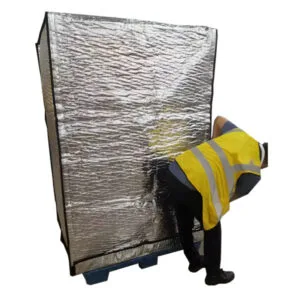
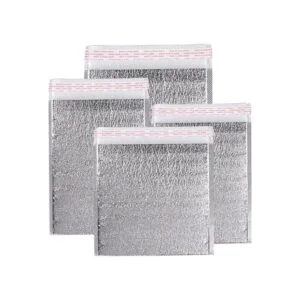
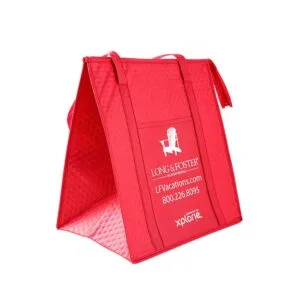
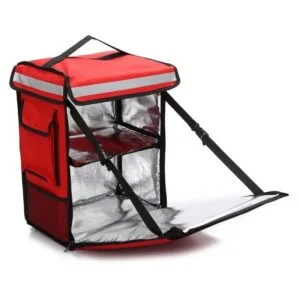
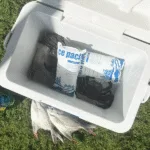
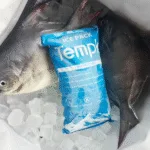
Peralatan rantai dingin berada di jantung logistik yang dikontrol suhu. Perangkat ini – mulai dari gudang berpendingin hingga freezer kriogenik portabel – menyimpan makanan, obat-obatan dan biologi dalam rentang yang aman, melindungi kualitas dan kesehatan masyarakat. Di dalam 2025 the global rantai dingin equipment market is projected to grow from USD 40.34 miliar ke USD112,23 miliar oleh 2032, dengan Amerika Utara bertahan 32.92 % dari pangsa pasar. Sebagai seorang profesional yang bekerja dengan barang-barang yang mudah rusak, Anda perlu mengetahui cara memilih peralatan yang tepat, memanfaatkan teknologi baru dan mengantisipasi tren masa depan. Panduan ini — diperbarui pada bulan November 24 2025 — memberikan jawaban berdasarkan data.
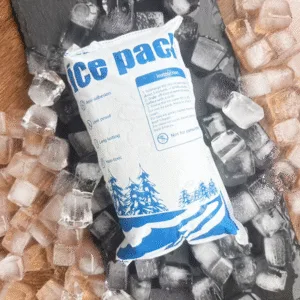
Apa itu peralatan rantai dingin dan mengapa itu penting, termasuk definisi dan rentang suhu berdasarkan pedoman WHO dan industri.
Bagaimana memilih peralatan yang tepat untuk produk Anda, dengan tips praktis tentang kapasitas, pemantauan dan keberlanjutan.
Inovasi terbaru seperti pengoptimalan rute yang didukung AI, ketertelusuran blockchain dan pendinginan tenaga surya.
Tren pasar dan pendorongnya itu akan terbentuk 2025 dan seterusnya, termasuk perkiraan pertumbuhan dan tekanan peraturan.
Tantangan dan solusi bersama, termasuk hambatan biaya dan inisiatif keberlanjutan.
What Is rantai dingin Equipment and Why Do You Need It?
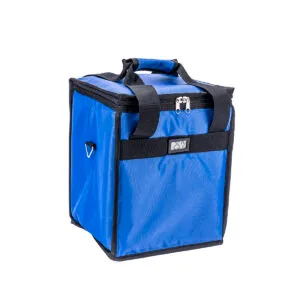
Peralatan rantai dingin mengacu pada perangkat keras yang digunakan untuk menyimpan dan mengangkut produk yang sensitif terhadap suhu. Ini termasuk lemari es, freezer, kamar dingin, truk berpendingin, wadah dan sistem pemantauan. Tujuannya untuk menjaga kisaran suhu tetap stabil agar vaksin dapat diproduksi, Biologi, daging, hidangan laut, produk susu dan barang mudah rusak lainnya tetap aman dan efektif. Organisasi kesehatan global merekomendasikan untuk menyimpan banyak vaksin 2 °C dan 8 ° C.; vaksin virus atau lyophilized sering memerlukan –15 °C hingga –25 °C. Biologi suhu sangat rendah, seperti beberapa vaksin mRNA, harus diadakan antara –60 °C dan –90 °C. Tanpa peralatan dan prosedur yang tepat, potensi bisa turun, membahayakan keselamatan pasien dan kehilangan produk.
Memahami Komponen
Peralatan rantai dingin dapat dikelompokkan menjadi penyimpanan, mengangkut Dan pemantauan komponen:
Penyimpanan: Ini termasuk walkin freezer, lemari es farmasi dan ruang dingin modular. Mereka menjaga produk dalam rentang yang ditentukan, khas 2 - - 8 ° C. untuk barang-barang berpendingin dan –20 – –80 °C untuk barang beku.
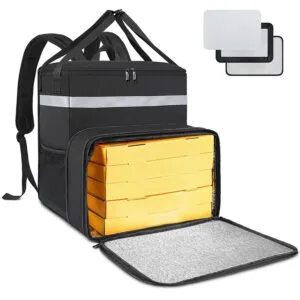
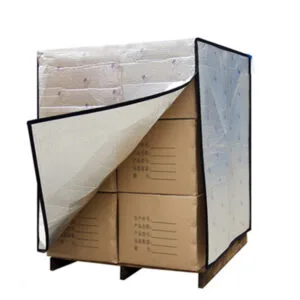
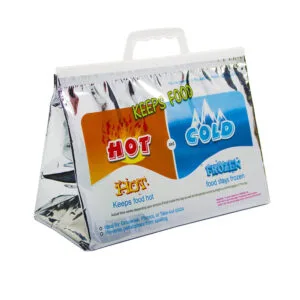
Mengangkut: Truk berpendingin, wadah dan kriogenik kotak pengiriman memindahkan produk antar fasilitas sambil mempertahankan suhu yang disetel. Mereka menggunakan insulasi dan sistem pemanas/pendingin aktif untuk menahan cuaca eksternal.
Pemantauan: Pencatat data, Sensor IoT dan pelacak GPS real-time memverifikasi bahwa suhu tetap dalam batas aman. Sistem modern menawarkan peringatan instan dan catatan kepatuhan berbasis blockchain.
Together these elements create a continuous rantai dingin from manufacturer to patient. Dengan berinvestasi pada peralatan yang tepat dan melatih staf Anda, Anda meminimalkan pembusukan, mengurangi biaya dan membangun kepercayaan dengan regulator dan konsumen.
Kisaran Suhu dan Contoh Produk
Produk yang berbeda memerlukan jendela suhu yang berbeda. Tabel di bawah ini merangkum rentang umum dan contohnya.
| Kisaran suhu | Produk Khas | Mengapa itu penting |
| +2 ° C ke +8 ° C. | Vaksin sensitif terhadap pembekuan, insulin, produk susu segar | WHO mencatat bahwa vaksin harus disimpan pada suhu 2–8 °C untuk menjaga potensinya. Insulin juga harus tetap berada dalam kisaran ini. |
| –15 °C hingga –25 °C | Vaksin virus, strain terliofilisasi | Vaksin yang dihasilkan dari strain virus atau strain yang dibekukan memerlukan penyimpanan di bawah nol untuk mencegah degradasi. |
| –20 °C hingga –80 °C | Makanan beku, Biologi, komponen darah | The rantai dingin ensures frozen products remain safe; biologi seperti terapi sel memerlukan kisaran ini. |
| –60 °C hingga –90 °C | vaksin mRNA COVID19, biologi ultra rendah | Vaksin COVID19 mungkin memerlukan penyimpanan pada suhu –60 °C hingga –90 °C. Freezer kriogenik portabel mempertahankan kondisi sangat rendah ini. |
Tip dan Rekomendasi Praktis
Nilai kebutuhan produk Anda: Selalu sesuaikan peralatan dengan sensitivitas suhu produk Anda. Misalnya, menyimpan vaksin pada suhu 2–8 °C mencegah hilangnya potensi sementara bahan biologis yang sangat dingin memerlukan freezer khusus.
Gunakan pemantauan berlapis: Gabungkan pencatat data kepatuhan dengan sensor IoT untuk peringatan waktu nyata. Pendekatan ganda ini menyediakan dokumentasi dan memungkinkan Anda bereaksi dengan cepat.
Rencanakan keadaan darurat: Memelihara generator cadangan atau lokasi penyimpanan alternatif untuk menangani pemadaman listrik. Memiliki rencana darurat mencegah perubahan suhu jika terjadi kejadian tak terduga.
Latih tim Anda: Penanganan yang tepat Paket es dan teknik penyimpanan – seperti mengkondisikan kantong es beku sebelum digunakan untuk menghindari pembekuan vaksin sensitif – mengurangi kesalahan.
Contoh kasus: Selama peluncuran vaksin COVID19, klinik terpencil tidak memiliki penyimpanan ultracold. Unit kriogenik portabel yang mampu mempertahankan suhu –80 °C memungkinkan pengiriman vaksin mRNA dengan aman ke masyarakat pedesaan. Contoh nyata ini menyoroti pentingnya memilih peralatan berdasarkan kebutuhan produk dan menggunakan solusi inovatif.
How to Choose the Right rantai dingin Equipment in 2025?
Selecting rantai dingin equipment isn’t just about buying a refrigerator — it’s about aligning technology, keberlanjutan dan kepatuhan terhadap peraturan dengan tujuan bisnis Anda. Anda harus mempertimbangkan persyaratan suhu produk, kapasitas, efisiensi energi, kemampuan pemantauan dan anggaran.
Faktor kunci untuk dievaluasi:
Stabilitas suhu: Pastikan peralatan secara konsisten mempertahankan kisaran yang diperlukan tanpa fluktuasi. Banyak unit modern menggunakan insulasi berkinerja tinggi dan zat pendingin alami untuk mencapai kontrol yang lebih ketat.
Pemantauan dan pencatatan data: Pilih sistem dengan sensor IoT real-time, Pelacakan GPS dan catatan blockchain untuk transparansi dan kepatuhan. Alarm terintegrasi membantu mencegah kunjungan dan menyederhanakan audit.
Efisiensi Energi: Peralatan ramah lingkungan dengan isolasi canggih, kompresor berkecepatan variabel dan opsi energi terbarukan memangkas biaya pengoperasian. Unit bertenaga surya mendapatkan daya tarik di wilayah dengan akses jaringan terbatas.
Kapasitas dan modularitas: Perkirakan berapa banyak produk yang perlu Anda simpan pada waktu sibuk. Sistem modular atau portabel memungkinkan Anda melakukan penskalaan dengan cepat dan mendukung pengiriman lastmile.
Kepatuhan Pengaturan: Verifikasi bahwa peralatan memenuhi Praktik Distribusi yang Baik (PDB) dan Praktek Manufaktur yang Baik (cGMP) Pedoman. Carilah sertifikasi dari badan yang diakui seperti katalog PQS WHO untuk peralatan vaksin.
Total biaya kepemilikan (TCO): Termasuk instalasi, pemeliharaan, energi dan potensi biaya downtime. Unit berkualitas tinggi mungkin memiliki biaya awal yang lebih tinggi namun seringkali memberikan biaya siklus hidup yang lebih rendah.
Faktor Pengendalian Suhu, Pemantauan dan Keberlanjutan
Pemantauan dan keberlanjutan telah menjadi hal penting dalam pemilihan peralatan. Berikut tampilan detailnya:
Kontrol suhu
Kontrol suhu yang andal mencegah pembusukan dan memastikan kemanjuran produk. Peralatan penyimpanan harus mempertahankan rentang tertentu di seluruh volume ruangan dingin — misalnya, lemari es vaksin memerlukan suhu yang seragam 2 °C dan 8 ° C.. Peralatan transportasi – termasuk truk dan kontainer berpendingin – harus mempertahankan jangkauan yang diperlukan terlepas dari cuaca eksternal. Carilah peralatan dengan sensor multizona dan siklus pencairan es otomatis untuk menghindari titik panas dan penumpukan es.
Sistem Pemantauan
Pemantauan waktu nyata menghemat uang dengan mencegah kunjungan. Sensor IoT mengirimkan data suhu dan kelembapan secara terus menerus, sementara analitik prediktif memperkirakan kegagalan peralatan dan risiko rute. Pemeliharaan prediktif dapat mengurangi waktu henti yang tidak direncanakan hingga mencapai 50 % dan memotong biaya perbaikan sebesar 10–20 %. Gabungkan GPS dengan catatan blockchain untuk dokumentasi anti kerusakan dan audit yang lebih cepat.
Keberlanjutan dan Efisiensi Energi
Meningkatnya biaya energi dan peraturan lingkungan mendorong perusahaan menuju peralatan ramah lingkungan. Inovasi termasuk pendingin alami, isolasi yang lebih baik dan sistem bertenaga terbarukan. Unit penyimpanan bertenaga surya mengurangi ketergantungan pada jaringan listrik. Portabel, sistem modular yang dibuat dari bahan ringan menurunkan konsumsi bahan bakar dan mendukung pengiriman jarak jauh.
Perbandingan Kriteria Seleksi
| Faktor Seleksi | Keterangan | Keuntungan |
| Stabilitas suhu | Kemampuan untuk mempertahankan rentang yang ketat (2 °C–8 °C, –20 °C–80 °C dan seterusnya.) | Mempertahankan kemanjuran produk dan mencegah pemborosan. |
| Fitur pemantauan | Sensor IoT, GPS, blockchain, peringatan waktu nyata | Tindakan perbaikan segera; menyederhanakan audit. |
| Efisiensi Energi | Refrigeran alami, energi terbarukan, Insulasi Tingkat Lanjut | Memotong biaya operasional dan mengurangi jejak karbon. |
| Modularitas & scalability | Unit portabel, ruang dingin modular, pilihan sewa | Beradaptasi dengan permintaan musiman dan logistik lastmile. |
| Sertifikasi kepatuhan | Siapa pqs, PDB, cGMP, standar ISO | Memastikan persetujuan peraturan dan penerimaan pasar. |
Tips Praktis Memilih Peralatan
Buat matriks persyaratan: Cantumkan kisaran suhu setiap produk, volume dan durasi penyimpanan. Sesuaikan kebutuhan ini dengan spesifikasi peralatan.
Uji sebelum membeli: Gunakan program percontohan untuk memverifikasi bahwa unit mempertahankan suhu yang seragam dengan produk sebenarnya.
Pertimbangkan pertumbuhan di masa depan: Jika bisnis Anda berkembang ke bidang biologi atau makanan nabati, pilih unit yang dapat menangani rentang suhu sangat rendah atau bervariasi.
Evaluasi layanan dan dukungan: Periksa jaminan vendor, rencana pemeliharaan dan program pelatihan. Layanan yang andal mengurangi waktu henti.
Pertimbangkan opsi pembiayaan: Peralatan berkualitas tinggi bisa jadi mahal. Menyewa atau bermitra dengan investor dapat membagi biaya dan memberikan akses terhadap teknologi canggih.
What Innovations Are Reshaping rantai dingin Equipment in 2025?
Technological advances are transforming how rantai dingin equipment operates. Di dalam 2025, termasuk inovasi yang paling berdampak Pengoptimalan rute bertenaga AI, ketertelusuran blockchain, pendingin bertenaga surya, Sensor berkemampuan IoT Dan freezer kriogenik portabel.
Teknologi yang Sedang Muncul: Ai, Blockchain, IoT, Freezer Tenaga Surya dan Portabel
Pengoptimalan rute bertenaga AI: Kecerdasan buatan menganalisis data lalu lintas dan cuaca secara realtime untuk menentukan rute pengiriman yang optimal. Menurut laporan industri, Optimalisasi rute AI mengurangi konsumsi bahan bakar dan meningkatkan keandalan. Untuk bisnis Anda, AI dapat menurunkan biaya dan mencegah perubahan suhu selama transit.
Ketertelusuran Blockchain: Blockchain menciptakan catatan suhu yang tidak dapat diubah, kelembaban dan lokasi. Log yang tidak dapat diubah ini mendukung kepatuhan terhadap peraturan dan mencegah penipuan. Jika digabungkan dengan GPS, blockchain membantu mengaudit pengiriman dan mempercepat penyelidikan penarikan kembali.
Pendinginan bertenaga surya: Unit penyimpanan dingin tenaga surya semakin populer, terutama di wilayah dengan akses jaringan terbatas. Dengan memanfaatkan energi terbarukan, they lower operating costs and expand rantai dingin reach. Sistem ini sering kali mengintegrasikan penyimpanan baterai dan dapat dipasangkan dengan generator hibrida.
Pemantauan dengan IoT yang diaktifkan: Sensor nirkabel terus memantau suhu, kelembaban dan lokasi. Di dalam 2025, Perangkat IoT mengirimkan data melalui jaringan seluler atau LoRa dan memicu peringatan instan ketika suhu berada di luar kisaran aman. Analitik prediktif mengurangi waktu henti peralatan hingga 50 %.
Freezer kriogenik portabel: Unit kriogenik ringan mempertahankan kondisi sangat dingin (–80 °C hingga –150 °C) untuk biologi dan terapi sel. Mereka memungkinkan transportasi yang aman ke daerah-daerah terpencil tanpa infrastruktur khusus. Pemantauan waktu nyata memastikan produk bernilai tinggi tetap aman selama transit.
Perbandingan Inovasi dan Manfaat
| Inovasi | Fitur utama | Manfaat |
| Pengoptimalan rute AI | Analisis lalu lintas waktu nyata, cuaca dan jendela pengiriman | Memotong biaya bahan bakar, meningkatkan akurasi pengiriman dan mengurangi perubahan suhu. |
| Ketertelusuran Blockchain | Catatan suhu yang tidak dapat diubah, kelembaban dan lokasi | Meningkatkan transparansi, mencegah gangguan dan menyederhanakan kepatuhan. |
| Pendinginan tenaga surya | Memanfaatkan tenaga surya untuk pendinginan; sering digabungkan dengan baterai | Reduces energy costs and expands rantai dingin reach in rural areas. |
| Pemantauan IoT | Sensor mengirimkan data terus menerus; kegagalan perkiraan analitik prediktif | Mencegah pembusukan, menurunkan biaya pemeliharaan dan mendukung pemeliharaan prediktif. |
| Freezer kriogenik portabel | Pertahankan suhu sangat dingin (–80 °C hingga –150 °C) | Memungkinkan pengangkutan terapi sel dan obat biologis yang aman ke daerah terpencil. |
Tip Praktis untuk Mengadopsi Teknologi Baru
Menerapkan pemantauan berlapis: Gabungkan pencatat data tradisional dengan sensor IoT untuk peringatan instan dan dokumentasi cadangan.
Berinvestasi dalam analisis prediktif: Gunakan AI untuk memperkirakan kegagalan peralatan dan mengarahkan risiko; pemeliharaan prediktif dapat mengurangi perbaikan sebesar 10–20 %.
Proyek percontohan blockchain: Mulailah dengan produk atau rute bernilai tinggi yang memerlukan kemampuan penelusuran yang ketat. Catatan Blockchain menyederhanakan audit dan membantu mengidentifikasi inefisiensi.
Jelajahi energi terbarukan: Kaji kelayakan tenaga surya di wilayah Anda. Unit tenaga surya dapat mengurangi biaya pengoperasian dan meningkatkan kepatuhan keberlanjutan.
Pertimbangkan logistik kriogenik: Jika Anda menangani biologi tingkat lanjut atau terapi sel, berinvestasi pada unit ultralow portabel yang menjamin distribusi yang aman ke lokasi terpencil.
Contoh Dunia Nyata: Ketika klinik-klinik di pedesaan kekurangan freezer ultra-dingin selama peluncuran vaksin, unit kriogenik portabel memungkinkan distribusi vaksin mRNA dengan aman. Teknologi ini menunjukkan bagaimana solusi portabel mengisi kesenjangan dalam infrastruktur.
What Are the Major Market Trends for rantai dingin Equipment in 2025?
The rantai dingin equipment industry is expanding rapidly due to booming demand in pharmaceuticals, makanan dan minuman, dan perdagangan internasional. Riset pasar memperkirakan lonjakan dari USD 40.34 miliar masuk 2025 ke USD 112.23 miliar oleh 2032, mencerminkan a 15.7 % tingkat pertumbuhan tahunan gabungan (CAGR). Studi lain memperkirakan pasar pada USD 19.87 miliar masuk 2024 dengan a 22.8 % CAGR dari 2025 ke 2030. Amerika Utara bertahan 32.92 % dari pasar di 2024 dan tetap menjadi wilayah terdepan karena logistik layanan kesehatan yang canggih dan tingginya permintaan dari sektor makanan dan farmasi.
Alat pengambilan keputusan yang berguna
Periksa detailnya sebelum Anda memilih kemasan
Alat cepat ini dapat membantu Anda membandingkan risiko rute, kebutuhan ukuran, pilihan pendingin, dan detail kemasan sebelum Anda meminta penawaran.
Pemeriksa risiko rute
Tinjau kondisi jalur sebelum memilih kemasan untuk mengetahui kebutuhan pengoperasian sebenarnya.
Periksa risiko rutePendingin & Referensi PCM
Bandingkan opsi cairan pendingin dan PCM ketika suatu rute memerlukan dukungan suhu tambahan.
Bandingkan pilihanPembuat Daftar Periksa Kepatuhan
Buatlah daftar periksa praktis untuk tinjauan kemasan, pengiriman, dan dokumentasi.
Buat daftar periksaPertumbuhan dan Penggerak Pasar
Beberapa faktor mendorong pertumbuhan ini:
Ekspansi farmasi: Dorongan global untuk vaksin, biologi dan terapi sel mendorong permintaan akan penyimpanan ultradingin dan transportasi yang andal. Pertumbuhan industri farmasi, bersama dengan persyaratan peraturan, will keep rantai dingin equipment demand strong through the decade.
Konsumsi makanan yang mudah rusak: Meningkatnya konsumsi produk segar, makanan laut dan makanan olahan membutuhkan lebih banyak fasilitas penyimpanan dingin dan transportasi yang dikontrol suhu. Misalnya, ikan dan produk makanan laut harus disimpan di antaranya 0 °C dan 5 ° C..
E-niaga dan perdagangan global: Hambatan perdagangan yang lebih rendah dan ritel online meningkatkan pengiriman barang-barang yang mudah rusak antar negara, boosting demand for reliable rantai dingins.
Kepatuhan terhadap peraturan dan kualitas: Pedoman yang lebih ketat mengenai pengendalian suhu dan ketertelusuran mendorong investasi pada peralatan bersertifikat dan teknologi pemantauan.
Inisiatif keberlanjutan: Pemangku kepentingan memprioritaskan bahan pendingin alami, desain hemat energi dan sumber daya terbarukan untuk mengurangi jejak karbon.
Cuplikan Pasar dan Wawasan Regional
| Metrik / Wilayah | 2024–Nilai 2025 | Makna |
| Ukuran pasar global | USD 35 miliar masuk 2024; proyeksi USD 40.34 miliar masuk 2025 | Menunjukkan pertumbuhan yang pesat, memberi sinyal peluang investasi. |
| CAGR (2025–2032) | 15.7 % | Menunjukkan ekspansi yang kuat; perusahaan perlu melakukan peningkatan agar tetap kompetitif. |
| CAGR (2025–2030) | 22.8 % | Menyoroti pertumbuhan yang lebih cepat dalam beberapa analisis; menggarisbawahi potensi pasar. |
| Bagian Amerika Utara | 32.92 % pangsa pasar di 2024 | Logistik layanan kesehatan yang canggih dan industri makanan yang kuat mendorong kepemimpinan. |
| Berbagi peralatan penyimpanan | 74.2 % pendapatan peralatan di 2024 | Penyimpanan mendominasi karena menjaga kualitas produk di seluruh rantai pasokan. |
| Ikan, daging & segmen makanan laut | >19 % pangsa pasar | Menyoroti pentingnya penyimpanan dingin untuk makanan berisiko tinggi. |
Wawasan Praktis untuk Memanfaatkan Tren Pasar
Perluas ke segmen dengan pertumbuhan tinggi: Fokus pada obat-obatan, Biologi, makanan olahan dan produk nabati – sektor yang menunjukkan pertumbuhan tinggi dan memerlukan peralatan khusus.
Berinvestasi di hub regional: Membangun fasilitas di dekat pelabuhan utama dan pusat produksi. Pusat-pusat utama seperti AS, India, Cina, Inggris dan Kanada memiliki permintaan dan inovasi yang kuat.
Mengadopsi solusi modular: Sistem portabel dan modular mendukung pengiriman lastmile, permintaan dan operasi musiman di wilayah yang kurang terlayani.
Menawarkan layanan bernilai tambah: Menyediakan crossdocking, pembekuan ledakan dan pemantauan waktu nyata; kemitraan dengan perusahaan seperti Lineage Logistics dan Americold menggambarkan bagaimana layanan terintegrasi menciptakan keunggulan kompetitif.
Mengejar pendanaan dan hibah: Dengan lebih 1880 putaran pendanaan dan investasi rata-rata sebesar USD 56.2 juta in rantai dingin technologies, menjajaki hibah atau kemitraan investor dapat mempercepat modernisasi.
What Challenges Do rantai dingin Operators Face and How to Overcome Them?
While the rantai dingin market is thriving, operator menghadapi kendala yang signifikan. Investasi awal dan biaya operasional yang tinggi merupakan hambatan utama. Unit pendingin tingkat lanjut, sistem pemantauan dan pilihan energi terbarukan memerlukan modal besar. Biaya operasional – seperti konsumsi energi dan pemeliharaan – juga sangat membebani, khususnya bagi usaha kecil dan menengah.
Tantangan lainnya termasuk:
Integrasi teknologi: Memperkenalkan sensor IoT, sistem blockchain dan algoritma AI dapat mengganggu alur kerja yang ada. Integrasi yang lancar dengan sistem lama sangatlah penting.
Kepatuhan Pengaturan: Menavigasi Praktik Distribusi yang Baik (PDB), Praktek Manufaktur yang Baik (cGMP) dan standar internasional yang berbeda-beda memerlukan perhatian. Ketidakpatuhan dapat menyebabkan penarikan produk dan penalti.
Gangguan rantai pasokan: Ketegangan geopolitik, cuaca ekstrem dan kemacetan transportasi dapat menunda pengiriman dan mengganggu pengendalian suhu.
Kekurangan keterampilan: Industri yang sedang berkembang membutuhkan lebih banyak pekerja terlatih; dengan lebih 26 800 pekerjaan ditambahkan dalam satu tahun terakhir, kekurangan tenaga kerja mungkin terjadi.
Mengurangi Biaya dan Meningkatkan Keberlanjutan
Untuk mengatasi tantangan-tantangan ini:
Manfaatkan desain hemat energi: Gunakan pendingin alami, isolasi berkinerja tinggi dan kompresor berkecepatan variabel untuk mengurangi penggunaan energi. Tenaga surya atau hibrida dapat semakin mengurangi biaya.
Mengadopsi pemeliharaan prediktif: Sensor IoT dan analitik prediktif AI mengidentifikasi kegagalan peralatan sebelum terjadi, menurunkan biaya perbaikan dan mengurangi waktu henti.
Jelajahi opsi modular dan persewaan: Unit portabel dan model persewaan mengurangi investasi di muka dan memungkinkan Anda meningkatkan kapasitas selama musim puncak.
Mencari pendanaan dan kemitraan: Dengan banyaknya hibah dan putaran investasi yang tersedia, berkolaborasi dengan investor atau mengajukan permohonan program pemerintah untuk membiayai peningkatan.
Latih tenaga kerja Anda: Berinvestasi dalam program pendidikan yang mencakup manajemen suhu, alat digital dan kepatuhan terhadap peraturan.
Rencanakan ketahanan: Mengembangkan rencana darurat untuk gangguan geopolitik, cuaca ekstrim dan pemadaman listrik. Diversifikasi rute dan pertahankan situs penyimpanan cadangan.
Studi kasus: Sebuah startup yang berfokus pada pendingin alami yang diamankan USD 56.2 juta dalam pendanaan dan menggunakannya untuk merancang wadah ringan dengan pemantauan IoT. Perusahaan dengan cepat merebut pangsa pasar dengan menawarkan produk yang berkelanjutan, solusi berbasis data, menggambarkan bagaimana investasi dan teknologi yang ditargetkan dapat mengatasi tantangan pasar.
2025 Latest rantai dingin Equipment Developments and Trends
Industri rantai dingin terus berkembang pesat. Berikut adalah beberapa perkembangan penting pada saat ini November 2025:
Refrigeran alami menjadi arus utama: Meningkatnya kesadaran lingkungan dan tekanan peraturan mendorong penggunaan bahan pendingin berbasis hidrokarbon dan CO₂. Alternatif-alternatif ini menawarkan potensi pemanasan global yang rendah dan mematuhi jadwal penghentian penggunaan hidrofluorokarbon.
Ruang dingin bertenaga surya mendapatkan daya tarik: Panel surya yang dikombinasikan dengan penyimpanan baterai menyediakan solusi penyimpanan dingin offgrid di daerah pedesaan. Perusahaan seperti Eja Ice Nigeria mengurangi limbah makanan melalui pendingin tenaga surya.
AI dan analisis prediktif menjadi standar: Data real-time dan model AI kini memperkirakan kegagalan peralatan dan mengoptimalkan rute pengiriman, mengurangi waktu henti dan meningkatkan keandalan.
Adopsi Blockchain meluas: Semakin banyak perusahaan yang menerapkan blockchain untuk ketertelusuran, memungkinkan catatan yang tidak dapat diubah dan penarikan kembali lebih cepat.
Sistem modular dan portabel berkembang pesat: Munculnya ruang pendingin modular dan freezer kriogenik portabel menawarkan solusi fleksibel untuk pengiriman jarak jauh dan daerah terpencil.
Lonjakan investasi: Increased investor confidence results in billions of dollars flowing into rantai dingin technologies, dengan lebih dari 1880 putaran pendanaan tercatat.
Fokus pada keterampilan tenaga kerja: Ketika lapangan kerja melebihi 576 300 pekerjaan, perusahaan banyak berinvestasi dalam pelatihan untuk memastikan kepatuhan dan keunggulan operasional.
Wawasan pasar
Preferensi konsumen berkembang: Peningkatan konsumsi makanan nabati dan organik, diperkirakan akan tercapai USD 162 miliar secara global oleh 2030, tuntutan disesuaikan solusi rantai dingin.
Perdagangan internasional meningkat: Ekspor makanan panggang AS tumbuh dari USD 3.73 miliar ke USD 4.21 miliar di dalam 2022, sementara Inggris meluncurkan program ekspor susu senilai USD 2.47 miliar. Dunia usaha harus menyesuaikan logistik dan kepatuhan untuk mendukung ekspansi global.
Lanskap peraturan semakin ketat: Pedoman baru menekankan praktik distribusi yang baik, pendingin alami dan pemantauan digital. Tetap mendapat informasi tentang pembaruan PDB dan cGMP mencegah penalti.
Meningkatnya permintaan akan terapi sel: Pertumbuhan dalam terapi sel dan gen memerlukan peralatan bersuhu sangat rendah dan transportasi yang aman. Perusahaan yang menawarkan solusi kriogenik memiliki posisi yang baik.
Inovasi terakhir e-niaga: Drone dan kendaraan pengiriman otomatis yang dilengkapi dengan kompartemen penyimpanan dingin sedang diujicobakan dengan cepat, pengiriman nirsentuh di daerah perkotaan.
Pertanyaan yang sering diajukan
What are the standard temperature ranges for rantai dingin equipment?
Sebagian besar vaksin dan obat biologis memerlukannya 2 °C – 8 ° C. penyimpanan. Kebutuhan vaksin virus atau lyophilized –15 °C – –25 °C, sementara kebutuhan biologis ultracold –60 °C – –90 °C.
Bagaimana blockchain meningkatkan kepatuhan rantai dingin?
Blockchain menyimpan catatan suhu yang tidak dapat diubah, kelembaban dan lokasi. Ini meningkatkan transparansi, menyederhanakan audit dan memastikan kepatuhan terhadap peraturan.
Mengapa refrigeran alami penting dalam 2025?
Bahan pendingin alami seperti hidrokarbon dan CO₂ memiliki potensi pemanasan global yang rendah. Penerapannya mengurangi emisi dan sejalan dengan peraturan lingkungan yang lebih ketat.
What factors should I consider when purchasing rantai dingin equipment?
Menilai persyaratan suhu produk, kapasitas, fitur pemantauan, efisiensi energi, kepatuhan terhadap peraturan dan total biaya kepemilikan. Uji coba percontohan dan opsi yang dapat diskalakan membantu memastikan kesesuaian yang tepat.
How can I reduce rantai dingin operating costs?
Gunakan peralatan hemat energi, menerapkan pemeliharaan prediktif, mengeksplorasi energi terbarukan dan mengajukan permohonan hibah atau kemitraan.
Ringkasan dan Rekomendasi
Peralatan rantai dingin mendasari pergerakan global barang-barang yang sensitif terhadap suhu. Di dalam 2025 pasar berkembang pesat, didorong oleh permintaan farmasi, meningkatnya konsumsi makanan yang mudah rusak dan meningkatnya perdagangan internasional. Memilih peralatan yang tepat berarti mencocokkan kisaran suhu dengan produk, menerapkan sistem pemantauan yang kuat, merangkul teknologi ramah lingkungan dan merencanakan skalabilitas. Inovasi seperti optimasi rute AI, ketertelusuran blockchain, pendingin tenaga surya dan freezer kriogenik portabel mengubah industri ini. Biaya tinggi dan kompleksitas peraturan masih menjadi tantangan, tapi desain hemat energi, pemeliharaan prediktif, solusi modular dan kemitraan strategis dapat mengurangi hambatan-hambatan ini. Dengan tetap mendapat informasi tentang tren pasar dan berinvestasi dalam pelatihan, Anda dapat melindungi integritas produk, mengurangi pemborosan dan memanfaatkan peluang pertumbuhan.
Tindakan yang Direkomendasikan
Evaluasi kebutuhan rantai dingin Anda menggunakan matriks suhu produk dan peralatan uji coba sebelum implementasi penuh.
Tingkatkan sistem pemantauan dengan sensor IoT, Analisis AI dan blockchain untuk pengawasan dan kepatuhan secara real-time.
Berinvestasi dalam solusi hemat energi dan berkelanjutan seperti pendingin alami dan unit bertenaga surya untuk mengurangi biaya dan emisi jangka panjang.
Perluas kapasitas secara strategis dengan sistem modular atau portabel yang mendukung puncak musiman dan pengiriman jarak jauh.
Mengembangkan strategi logistik yang tangguh dengan melakukan diversifikasi rute, bermitra dengan pusat regional dan melatih tenaga kerja Anda tentang peraturan terkini dan alat digital.
Tetap mendapat informasi tentang tren pasar global, pembaruan peraturan dan peluang pendanaan agar tetap kompetitif.
Tentang Tempk
Tempk adalah penyedia inovatif Kemasan rantai dingin dan solusi pemantauan. Kami memanfaatkan penelitian dan pengembangan untuk menciptakan produk yang dapat digunakan kembali kotak terisolasi, Paket gel dan unit pendingin portabel yang dirancang untuk makanan, logistik farmasi dan bioteknologi. Produk kami menggabungkan isolasi berkinerja tinggi dengan pemantauan IoT untuk memastikan kontrol dan kepatuhan suhu yang konsisten. Kami fokus bahan ramah lingkungan Dan desain bertenaga surya, membantu Anda mengurangi limbah dan penggunaan energi. Dengan R yang berdedikasi&D center dan komitmen terhadap kualitas, kami mendukung misi Anda untuk mengirimkan barang yang sensitif terhadap suhu dengan aman dan berkelanjutan.
Hubungi kami: If you’re ready to modernize your rantai dingin, konsultasikan dengan pakar kami untuk mendapatkan rekomendasi yang dipersonalisasi. Kami akan membantu Anda memilih peralatan yang tepat, menerapkan sistem pemantauan dan merancang rencana logistik yang berkelanjutan.