harga perusahaan kotak es rantai dingin: Cara Memilih Mitra yang Tepat
The right decision for rantai dingin perusahaan kotak es harga tergantung pada proses pengemasan yang terkendali, bukan jalan pintas dalam perencanaan rantai dingin. Anda membutuhkan wadah yang sesuai dengan muatannya, rencana pendingin yang sesuai dengan kisaran suhu, dan pemasok yang dapat menjelaskan apa yang telah diuji dan apa yang masih harus diverifikasi pada rute Anda. Untuk paket yang sensitif terhadap suhu, mil terakhir, makanan, farmasi, dan program distribusi yang dapat digunakan kembali, ini penting karena memilih harga terendah tanpa memahami apa yang termasuk dalam kotak, pendingin, dukungan pengujian, kargo, dan dokumentasi. Panduan berikut menggabungkan pembeli, teknis, dan sudut pandang operasional.
Jawaban cepat: Pilih A kotak es rantai dingin harga perusahaan dengan menentukan rute, muatan, kisaran suhu, format pendingin, kebutuhan pembersihan, detail penyesuaian, dan bukti yang diperlukan sebelum membandingkan kutipan. Pemasok harus membantu mengubah masukan tersebut menjadi rencana sampel, tidak memperlakukan kotak itu sebagai jaminan yang berdiri sendiri.
Jawaban Singkat Pengadaan
A supplier decision for rantai dingin ice box company price should be evaluated by four linked tests: whether the rantai dingin ice box fits the payload, apakah insulasi dan cairan pendingin sesuai dengan kisaran suhu yang diperlukan, apakah pemasok dapat mendukung produksi berulang, dan apakah tim Anda dapat mengoperasikan paket secara konsisten. Harga, warna, dan kapasitas penting, namun filter tersebut tidak boleh menjadi filter pertama jika produk sensitif terhadap suhu.
Pemasok terbaik tidak selalu memiliki katalog terluas. Ini adalah salah satu yang dapat mengubah detail rute Anda menjadi spesifikasi, menjelaskan batasan desain, dan membantu Anda menghindari asumsi. Ketika pembeli memberikan masukan yang tidak jelas, bahkan pemasok yang cakap pun hanya bisa menebak. Ketika pembeli memberikan rute, muatan, dan persyaratan kualitas, tanggapan pemasok menjadi lebih mudah untuk dibandingkan.
Mulailah Dengan Rute Sebelum Memilih Kotak
Mulailah dengan jalur sebelum Anda mulai dengan ukuran kotak. Jalur adalah pergerakan nyata barang dari pengepakan hingga penerimaan, termasuk waktu tunggu gudang, pemuatan kendaraan, perpindahan kurir, pengiriman mil terakhir, dan waktu sebelum penerima membuka wadah. Two shipments using the same rantai dingin ice box can perform differently if one route has fewer handovers and the other spends time near a loading dock or inside a warm van.
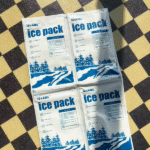
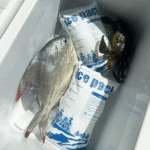
Tuliskan kisaran suhu yang diperlukan, waktu transit maksimum yang direncanakan, suhu awal produk, berat muatan atau jumlah karton, dan paparan lingkungan yang diharapkan. Jika dingin, beku, atau rentang terkendali tergantung pada muatannya tidak ditentukan dengan jelas, pemasok hanya dapat memberikan rekomendasi kasar. Hal ini sangat penting terutama ketika kemasan gel, batu bata es, Paket PCM, atau media pendingin gaya es kering sedang dibandingkan. Pendingin bukanlah aksesori; itu adalah bagian dari desain termal.
Pembeli juga perlu mengidentifikasi handover yang paling lemah. Di banyak rute, risiko terburuknya bukanlah ruas jalan raya yang panjang. Ini adalah penantian singkat yang tidak terkendali: sebuah kotak yang dikemas terbuka selama pemetikan, keterlambatan pengambilan kurir, tim penerima yang meninggalkan kontainer di lantai, atau putaran balik yang mengembalikan kotak kotor ke area pengepakan yang bersih. Pemasok yang memahami tekanan rute dapat membantu Anda merancang titik nyata ini, bukan hanya untuk kondisi laboratorium ideal.
Apa yang Dapat Dilakukan Kotak itu, dan Apa yang Tidak Dapat Dilakukan Sendiri
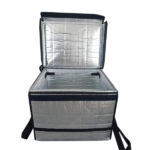
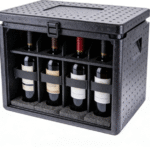
Batasan pertama sederhana: a rantai dingin ice box is usually a passive insulated container unless the supplier clearly provides an active refrigeration system. Pengemasan pasif memperlambat perolehan atau kehilangan panas. Itu tidak menciptakan kontrol suhu dengan sendirinya. Kotak itu, tutup, pendingin, muatan, ruang kosong, pra-pengkondisian, dan paparan rute bekerja sama sebagai satu paket. Perbedaan itu mencegah kesalahan pembelian yang umum: memperlakukan kulit terluar yang kuat sebagai bukti kinerja termal.
Untuk paket yang sensitif terhadap suhu, mil terakhir, makanan, farmasi, dan program distribusi yang dapat digunakan kembali, peran container adalah memberikan lingkungan fisik yang stabil pada paket. Ini harus melindungi muatan dari penanganan yang kasar, Kurangi perpindahan panas, dan membuat pengepakan dapat diulang. Hal ini tidak diharapkan untuk mengimbangi rute yang tidak ditentukan, suhu pemuatan yang tidak terkontrol, atau jumlah cairan pendingin yang dipilih berdasarkan tebakan. Pemasok harus bersedia membicarakan batasan tersebut sebelum mengutip spesifikasi akhir.
Pemasok yang berguna tidak akan terburu-buru mengatakan bahwa satu model cocok untuk segalanya. Alih-alih, mereka akan bertanya tentang kisaran suhu, panjang rute, musim, massa produk, dimensi karton, format pendingin, titik serah terima, dan apakah kotak itu akan sekali pakai, dapat dikembalikan, atau dicuci setelah digunakan. Pertanyaan-pertanyaan itu mungkin terasa lambat pada awalnya, namun hal ini mengurangi kemungkinan memesan kontainer yang terlihat benar dan gagal ketika rute menjadi sibuk.
Kapasitas, Muatan, dan Ruang yang Hilang karena Media Dingin
Kapasitas harus diukur di sekitar muatan, tidak hanya seputar jumlah liter yang dipublikasikan. With a rantai dingin ice box, dimensi internal, radius sudut, ketebalan dinding, tutup jatuh, menangani struktur, dan lokasi cairan pendingin semuanya dapat mengurangi ruang yang sebenarnya bisa digunakan. Kontainer dengan volume nominal yang lebih besar mungkin masih akan dikemas dengan kurang efisien jika karton muatannya tidak sesuai dengan geometrinya.
Minta pemasok untuk memisahkan dimensi eksternal, volume internal kotor, dan ruang muatan yang dapat digunakan. Dimensi eksternal mempengaruhi paletisasi, penagihan kurir, kesesuaian kendaraan, dan penyimpanan gudang. Dimensi internal mempengaruhi tata letak produk. Ruang muatan yang dapat digunakan mempengaruhi kasus bisnis, karena setiap kemasan juga memerlukan media dingin, Bantalan, pemisah, atau dokumen. Ketika angka-angka ini digabungkan, pembeli mungkin menyetujui sampel yang tidak dapat mendukung operasi nyata.
Gambar tata letak yang cepat seringkali lebih berguna daripada daftar fitur yang panjang. Tandai produknya, pendingin, lapisan atas, lapisan samping, saku penebang, dokumen, dan pengisian kekosongan apa pun. Kemudian periksa apakah operator dapat mengulangi pengaturan tersebut pada jam sibuk. Jika proses pengepakan bergantung pada satu pekerja berpengalaman yang mengingat tata letak yang rumit, masalahnya akan muncul nanti seiring perubahan suhu, barang rusak, atau hasil penerimaan yang tidak konsisten.
Dokumentasi yang Membantu Kualitas dan Operasional
Dokumentasi tidak membuat sebuah kotak bekerja lebih baik, tapi itu membuat keputusan bisa dilacak. Dalam pembelian rantai dingin, dokumen yang berguna mungkin termasuk gambar produk, deskripsi materi, panduan pembersihan, instruksi paket, contoh catatan pemeriksaan, ringkasan tes, catatan kontrol perubahan, dan laporan pencatat data dari uji coba Anda sendiri. Tingkat dokumentasi harus sesuai dengan risiko barang dan harapan pihak penerima.
Untuk program komersial umum, dokumentasi minimum yang berguna adalah lembar spesifikasi yang jelas dan instruksi pengepakan yang dapat diulang. Tanpa itu, pembeli dapat menyetujui sampel produk dan kemudian menemukan bahwa pengiriman massal berbeda dalam ukuran tutupnya, kepadatan dinding, kualitas cetak, menangani kekuatan, atau ruang dalam. Dokumentasi adalah pagar pembatas praktis terhadap penyimpangan antara sampel pertama dan pesanan berulang.
Mintalah dokumen sebelum pesanan pembelian diselesaikan, bukan setelah masalah muncul. Pemasok yang ragu memberikan gambar, catatan materi, atau asumsi paket mungkin masih mampu, tapi resiko ditanggung pembeli. Ketika barang sensitif terhadap suhu, dokumentasi yang tidak jelas seringkali menjadi biaya di kemudian hari karena pengerjaan ulang, pengiriman yang ditolak, atau perintah penggantian darurat.
Alat pengambilan keputusan yang berguna
Periksa detailnya sebelum Anda memilih kemasan
Alat cepat ini dapat membantu Anda membandingkan risiko rute, kebutuhan ukuran, pilihan pendingin, dan detail kemasan sebelum Anda meminta penawaran.
Kalkulator Paket Es
Perkirakan jumlah paket es gel untuk pengiriman dingin dan perencanaan rute yang praktis.
Perkirakan kantong esPemilih Kemasan
Bandingkan opsi kemasan berinsulasi berdasarkan produk, rute, dan kebutuhan suhu.
Temukan kemasannyaPembuat Daftar Periksa Kepatuhan
Buatlah daftar periksa praktis untuk tinjauan kemasan, pengiriman, dan dokumentasi.
Buat daftar periksaCara Memilih Pemasok Tanpa Menebak
A strong supplier conversation for rantai dingin ice box is specific. Daripada hanya menanyakan katalog dan harga, memberi pemasok rute singkat yang singkat: ukuran dan berat muatan, suhu target, waktu transit, paparan lingkungan yang diharapkan, kebutuhan pembersihan, rencana kembali, kebutuhan penyesuaian, dan volume pesanan. Kualitas pertanyaan pemasok sering kali mengungkapkan lebih dari sekadar kutipan pertama. Pemasok yang serius akan menentang persyaratan yang tidak jelas daripada menyembunyikan ketidakpastian di balik harga satuan yang rendah.
Tinjauan sampel harus mencakup kesesuaian, berat, penutupan tutupnya, menangani kenyamanan, perilaku menumpuk, ruang pelabelan, pembersihan permukaan bagian dalam, penempatan cairan pendingin, dan konsistensi produksi. Jika sampel akan digunakan pada rute yang diatur atau bernilai tinggi, meninjau apakah pemasok dapat mendukung dokumen pengujian atau setidaknya contoh rencana uji coba yang realistis. Tidak menyetujui warna, logo, dan ukuran luar sambil membiarkan sistem termal tidak ditentukan.
Untuk pesanan massal, tanyakan bagaimana pabrik mengelola perubahan material, pemeliharaan cetakan, kontrol karya seni logo, pengepakan karton, kriteria pemeriksaan, dan unit yang tidak sesuai. Variasi kecil pada ukuran tutup atau struktur dinding mungkin tidak menjadi masalah untuk penyimpanan biasa, namun hal ini penting untuk rute rantai dingin yang berulang. Pengadaan juga harus menanyakan apakah pemasok dapat mempertahankan spesifikasi yang sama selama pemesanan berulang atau apakah komponen dapat berubah tanpa pemberitahuan.
- Konfirmasikan apakah sampel dan unit curah menggunakan bahan yang sama, cetakan, liner, tutup, dan struktur penutupan.
- Tanyakan apakah pemasok dapat memberikan gambar, asumsi paket, dan kriteria inspeksi sebelum produksi.
- Periksa apakah logo khusus, warna, area label, dan perubahan kemasan mempengaruhi waktu tunggu atau tata letak termal.
- Perjelas apakah media dingin, pemisah, dan instruksi pengepakan disertakan atau dikutip secara terpisah.
Dari Permintaan Sampel hingga Peluncuran Produksi
A practical rollout for rantai dingin ice box should move in stages. Pertama, menentukan rute dan muatan. Kedua, daftar pendek bahan dan ukuran. Ketiga, meminta sampel dengan gambar dan asumsi paket. Keempat, menjalankan pilot menggunakan operator nyata, produk nyata atau massa perwakilan, dan cairan pendingin yang dimaksudkan. Kelima, meninjau hasil dengan pengadaan, Operasi, dan kualitas sebelum menyetujui produksi massal. Pendekatan bertahap ini sedikit memperlambat pembelian pertama namun mengurangi koreksi mahal di kemudian hari.
Selama uji coba, mencatat lebih dari suhu. Catat waktu pengepakan, komentar staf, masalah penutupan tutup, kerusakan produk, kondensasi, keterbacaan label, kondisi pengembalian, waktu pembersihan, dan kebingungan saat menerima. Jika wadahnya dapat digunakan kembali, melacak bagaimana hal itu kembali. Jika kotaknya dicetak khusus, periksa apakah branding dapat bertahan dalam penanganan dan pembersihan. Pengamatan operasional ini menentukan apakah kotak tersebut akan berfungsi setelah minggu pertama antusiasmenya memudar.
Sebelum melakukan penskalaan, membekukan spesifikasinya. Itu berarti sampel yang disetujui, catatan materi, standar warna, karya seni logo, kemasan karton, kriteria pemeriksaan, dan toleransi apa pun yang diperbolehkan. Tentukan juga apa yang dianggap sebagai perubahan yang memerlukan persetujuan pembeli. Kemasan rantai dingin sensitif terhadap perubahan desain kecil, terutama ketika paketnya sudah diuji. Pemasok yang bersedia mendiskusikan pengendalian perubahan biasanya lebih mudah mengelola pesanan berulang.
Risiko Yang Harus Diselesaikan Sebelum Pemesanan Massal
| Risiko operasional | Bagaimana tampilannya saat digunakan | Pencegahan praktis |
|---|---|---|
| Kisaran suhu tidak ditentukan | Tim membeli sebuah kotak sebelum memastikan apakah produk tersebut dingin, beku, atau spesifik produk. | Konfirmasikan kisaran yang diperlukan dan sensitivitas produk sebelum memilih kotak dan cairan pendingin. |
| Kebingungan volume nominal | Kapasitas liter yang disebutkan terlihat memadai namun cairan pendingin mengurangi ruang muatan. | Buat tata letak paket menggunakan karton sebenarnya, media dingin, dan penempatan logger. |
| Kontrol serah terima yang lemah | Kotak menunggu di dermaga, di van, atau saat menerima tanpa pemeriksaan. | Petakan titik serah terima dan atur pengepakan, menugaskan, dan menerima cek. |
| Penyimpangan spesifikasi pemasok | Unit massal berbeda dari sampel yang disetujui dalam hal kesesuaian tutup atau nuansa material. | Gunakan gambar, penandatanganan sampel, dan kriteria pemeriksaan pesanan berulang. |
| Membersihkan dan menggunakan kembali celah | Kontainer yang dikembalikan membawa bau, residu, atau label rusak. | Tentukan tanggung jawab pembersihan, titik pemeriksaan, dan kriteria pensiun. |
Tinjauan risiko harus dilakukan sebelum negosiasi harga selesai. Setelah pesanan pembelian ditempatkan, menjadi lebih sulit untuk mengubah dimensi internal, tata letak pendingin, struktur tutup, atau alur kerja pembersihan. Tabel risiko singkat memberikan pengadaan, Operasi, dan kualitas bahasa bersama untuk persetujuan.
FAQ
How should I compare suppliers for rantai dingin ice box?
Bandingkan pemasok berdasarkan kecocokan rute, struktur material, muatan yang dapat digunakan, kompatibilitas cairan pendingin, dukungan sampel, dokumentasi, dan konsistensi produksi. Harga satuan yang rendah hanya berguna jika penawaran mencakup spesifikasi dan cakupan layanan yang sama. Minta setiap pemasok untuk menjelaskan apa saja yang disertakan, apa yang harus diuji oleh pembeli, dan detail desain mana yang dapat berubah dalam produksi massal.
Mengapa ruang internal yang dapat digunakan lebih penting daripada kapasitas katalog?
Kapasitas katalog tidak selalu mencerminkan bagaimana produknya, pendingin, jangka pembagi garis, dan dokumen cocok satu sama lain. Kotak dengan volume nominal lebih kecil mungkin berfungsi lebih baik jika geometri internalnya cocok dengan karton Anda. Mintalah pengukuran internal dan uji kemasan dengan barang asli atau representatif sebelum memesan dalam jumlah besar.
Apakah saya memerlukan pengujian sebelum memesan dalam jumlah besar?
Untuk barang yang sensitif terhadap suhu, uji coba sampel sangat disarankan. Uji coba harus menggunakan muatan yang dimaksudkan, pendingin, tata letak pengepakan, dan mengarahkan paparan sedekat mungkin. Pengujian tidak perlu berlebihan untuk rute berisiko rendah, namun harus cukup spesifik untuk menunjukkan kesesuaiannya, penanganan, dan risiko suhu.
Apa yang harus disertakan dalam kutipan serius?
Kutipan yang serius harus mengidentifikasi spesifikasi wadah, bahan, ukuran, ruang lingkup penyesuaian, aksesoris, metode pengepakan, istilah sampel, asumsi produksi, dan dukungan pengujian atau dokumentasi apa pun yang tersedia. Jika pendingin, jangka pembagi garis, Pencari, atau kemasan cetak tidak termasuk, kutipannya harus mengatakannya dengan jelas.
Mengapa harga dari berbagai perusahaan sangat bervariasi?
Harga bervariasi karena pemasok mungkin menawarkan bahan yang berbeda, struktur dinding, desain tutup, metode penyesuaian, pengepakan karton, jumlah pesanan, standar inspeksi, asumsi pengangkutan, dan dukungan layanan. Sebelum membandingkan angka, normalkan spesifikasi dan tanyakan kepada setiap pemasok apa yang dikecualikan dari harga.
Kesimpulan
Choosing a supplier for rantai dingin ice box is not a catalog exercise. For rantai dingin ice box company price, keputusan pemasok harus dimulai dengan realitas rute dan muatan. The right rantai dingin ice box must fit the route, muatan, persyaratan suhu, metode pendingin, proses penanganan, dan ekspektasi dokumentasi. Pembeli yang menentukan input tersebut lebih awal akan menerima rekomendasi pemasok yang lebih baik dan menghindari membandingkan penawaran yang secara teknis tidak setara.
Langkah selanjutnya yang paling berguna adalah menyiapkan ringkasan rute singkat sebelum meminta sampel. Sertakan jenis produk, suhu target, ukuran karton, muatan, waktu transit, paparan lingkungan, kebutuhan pembersihan, rencana kembali, dan persyaratan penyesuaian. Dengan detail itu, pemasok dapat merekomendasikan paket yang lebih realistis dan Anda dapat meninjau biaya dengan lebih sedikit asumsi tersembunyi.
Tentang Tempk
Tentang Tempk: Tempk, bagian dari Shanghai Tempk Industri, berfokus pada pengemasan pengatur suhu rantai dingin untuk makanan, obat, dan barang-barang sensitif suhu lainnya. Perusahaan bekerja dengan kelompok produk seperti Gel Ice Packs, kantong es berisi air, menghidrasi paket bergaya es kering, batu bata es freezer, tas terisolasi, Kotak berinsulasi EPP, Pendingin medis VPU, liner kotak terisolasi, penutup palet, dan bahan rantai dingin terkait. For buyers evaluating rantai dingin ice box, Tempk dapat membantu mendiskusikan kesesuaian payload, pilihan pendingin, persyaratan khusus, dan perencanaan sampel sebelum pesanan massal.
CTA: Bagikan rute Anda, jenis produk, kisaran suhu target, tata letak muatan, and customization needs with Tempk to discuss a practical rantai dingin ice box recommendation before scaling from sample to production.