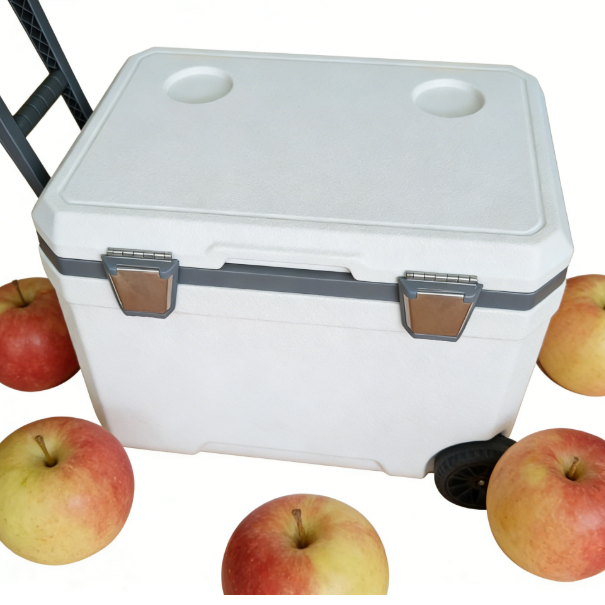
Harga Pabrik Kotak Es Rantai Dingin: Kerangka Keputusan Pemasok
The most reliable way to evaluate rantai dingin pabrik kotak es harga adalah menghubungkan penawaran pemasok dengan metode pengiriman sebenarnya. Kotaknya harus sesuai dengan produk, pendingin, rute, tim penanganan, dan bukti yang diperlukan pada saat pengiriman. Untuk umum dingin, beku, Perawatan kesehatan, laboratorium, makanan, atau pekerjaan distribusi yang sensitif terhadap suhu, keputusan yang salah jarang sekali disebabkan oleh satu fitur yang hilang. Biasanya hal ini terjadi karena membeli sebuah kotak sebelum pembeli menentukan bagaimana kiriman sebenarnya akan dikemas, terharu, dipantau, dan diterima.
Kerangka kerja ini mengubah permintaan produk yang luas menjadi proses evaluasi pemasok yang praktis.
Apa yang sebenarnya dibeli pembeli
Seorang pembeli tidak hanya membeli es kotak saja. Pembeli membeli ruang internal yang dapat digunakan, perilaku isolasi, keandalan penutupan, kenyamanan penanganan, kepraktisan pembersihan, konsistensi pemasok, dan jalur menuju pengiriman berulang. Wadah fisik itu penting, tapi itu hanya bagian nyata dari keputusan tersebut.
Kotak berinsulasi pasif memperlambat perpindahan panas. Itu tidak dapat memilih cairan pendingin yang tepat, prasyarat itu sendiri, mencegah setiap penundaan, atau mendokumentasikan riwayat suhu. Fungsi-fungsi tersebut berasal dari sistem pengemasan lengkap dan prosedur pengoperasian. Perbedaan itu sangat penting bagi bidang medis, farmasi, uji klinis, dan logistik susu, dimana kondisi produk dan buktinya sama pentingnya dengan wadahnya.
Kotak berinsulasi pasif tidak menciptakan kepatuhan dengan sendirinya. Itu harus disesuaikan dengan cairan pendingin yang benar, muatan, durasi rute, paparan lingkungan, prosedur penanganan, dan rencana pemantauan.
Oleh karena itu, diskusi pemasok terbaik dimulai dengan ringkasan rute. Ringkasan yang berguna menyebutkan kategori produk, kondisi sasaran, ukuran muatan, durasi yang direncanakan, kemungkinan titik serah terima, paparan lingkungan yang diharapkan, kebutuhan pemantauan, dan apakah kotak tersebut dikembalikan untuk digunakan kembali. Pemasok kemudian dapat merespons dengan konfigurasi praktis, bukan jawaban katalog umum.
Tabel keputusan yang harus digunakan oleh tim pengadaan
| Lapisan keputusan | Apa yang harus didefinisikan | Risiko jika dilewati |
|---|---|---|
| Persyaratan produk | Kisaran suhu, kepekaan, kriteria penerimaan, dan diperlukan bukti | Kotak mungkin dipilih karena kondisi produk yang salah |
| Rute kenyataan | Lamanya, paparan lingkungan, serah terima, memanggungkan, dan menunda toleransi | Uji coba sampel mungkin tidak mewakili pengiriman sebenarnya |
| Muatan dan kapasitas | Ruang internal yang dapat digunakan setelah cairan pendingin, pemisah, dan tata letak karton | Liter kotor dapat menghasilkan perbandingan pembelian yang salah |
| Metode pengepakan | Tipe pendingin, pengkondisian, memuat pesanan, isi kosong, dan penempatan logger | Staf mungkin mengulangi pengiriman secara tidak konsisten |
| Kontrol pemasok | Bahan, ukuran, bagian penutup, persetujuan sampel, dan pemberitahuan perubahan produksi | Pesanan massal mungkin berbeda dari sampel yang disetujui |
| Logika biaya | Harga satuan, volume pengangkutan, tenaga kerja, penggunaan kembali, kerusakan, kembali, dan kebutuhan pengujian | Penawaran terendah dapat menimbulkan biaya operasional yang lebih tinggi |
Tabel ini sengaja dioperasikan. Ini menghindari memperlakukan harga, volume, atau bahan sebagai spesifikasi tersendiri. Sebuah kutipan menjadi bermakna hanya ketika lapisan-lapisan ini terlihat.
Untuk sampel pertama, tabel dapat digunakan sebagai daftar periksa permintaan. Untuk pembelian berulang, ini bisa menjadi daftar periksa kendali perubahan. Jika pemasok mengubah material, penutup, dimensi dalam, atau karton kemasan, pembeli dapat melihat lapisan keputusan mana yang mungkin terpengaruh.
Kapasitas dan ukuran harus diterjemahkan ke dalam ruang paket
Ukuran yang tepat adalah yang sesuai dengan muatannya, pendingin, dan metode penanganan tanpa ruang kosong atau kompresi yang tidak perlu. Kapasitas dalam katalog pemasok mungkin mengacu pada volume internal kotor, ukuran luar, atau label keluarga produk. Pembeli harus menanyakan bagaimana kapasitas yang tercantum diukur dan berapa banyak ruang yang tersisa setelah cairan pendingin dan separator ditambahkan.
Ruang yang dapat digunakan seringkali menjadi isu tersembunyi dalam pengadaan kotak es. Karton produk membutuhkan ruang. Pendingin membutuhkan ruang. Pemisah mungkin memerlukan ruang untuk mencegah sengatan dingin atau kontak langsung. Seorang logger mungkin memerlukan posisi tertentu. Staf mungkin memerlukan jarak yang cukup untuk menutup penutup tanpa mengompresi karton atau memindahkan cairan pendingin.
Inilah sebabnya mengapa pembeli sebaiknya menanyakan dimensi internal dan diagram pemuatan daripada hanya mengandalkan kata-kata kapasitas saja. Jika pemasok menawarkan a 20 liter, 25 liter, 30 liter, atau kotak yang lebih besar, tanyakan apakah itu berarti volume kotor, kelas produk nominal, atau ruang yang dapat digunakan setelah pengemasan. Sebuah kotak kecil bisa efisien untuk muatan yang padat. Ini bisa jadi buruk untuk kemasan besar atau konfigurasi cairan pendingin yang banyak.
Untuk pengadaan yang berfokus pada harga, kapasitas juga mempengaruhi biaya pengiriman. Harga satuan yang lebih rendah mungkin diimbangi oleh dimensi luar yang tidak efisien, sarang yang buruk, karton tambahan, atau kebutuhan cairan pendingin yang lebih berat. Perbandingan biaya yang tepat sudah termasuk paket isi, bukan hanya kotak kosong.
Pertanyaan pemasok yang benar-benar penting
Minta pemasok untuk menjawab pertanyaan yang menghubungkan desain produk dengan rute penggunaan. Struktur isolasi apa yang digunakan? Bagaimana dimensi internal diukur? Komponen penutup apa yang digunakan? Bisakah kotak dibersihkan di sela-sela perjalanan? Pendingin apa yang diharapkan? Bisakah pemasok memberikan saran paket? Data pengujian atau pemeriksaan sampel apa yang tersedia? Bagaimana pemasok mengontrol perubahan antara sampel dan produksi?
Untuk penggunaan uji farmasi atau klinis, tambahkan pertanyaan tentang dokumentasi. Informasi produk apa yang dapat diberikan untuk tinjauan kualitas? Apakah kondisi pengujian dijelaskan dengan jelas? Apakah pemasok membedakan antara informasi produk umum dan kualifikasi khusus rute? Bisakah mereka mendukung diskusi tentang pemantauan dan penerimaan inspeksi tanpa mengklaim kepatuhan universal??
Untuk makanan, susu, atau pengiriman jarak jauh, bertanya tentang alur kerja. Bisakah staf memuat dengan cepat? Apakah pegangannya nyaman?? Apakah tutupnya tertutup rapat setelah dibuka berulang kali? Apakah permukaan mendukung pembersihan? Bisakah label tetap terbaca? Bisakah kotak itu ditumpuk atau dikembalikan secara efisien? Ini bukanlah detail kecil ketika rute tersebut berulang setiap hari.
Bagaimana membandingkan harga tanpa disesatkan
Harga pabrik, harga pabrikan, harga pemasok, Dan peti es biaya semuanya dapat memiliki arti yang berbeda. Satu kutipan mungkin hanya menyertakan kotak kosong. Yang lain mungkin termasuk cairan pendingin, karton kemasan, logo, biaya sampel, atau pengiriman. Sepertiga mungkin menggunakan bahan yang lebih murah atau penutupan yang berbeda dari sampel.
Pisahkan kutipan menjadi item keputusan. Harga satuan adalah satu item. Volume pengangkutan adalah hal lain. Kehidupan pelayanan yang diharapkan, jika penggunaan kembali direncanakan, adalah hal lain. Pembersihan dan pengembalian tenaga kerja juga merupakan bagian dari biaya. Begitu juga dengan barang yang rusak, waktu pengemasan ulang, pendingin ekstra, pengiriman uji, dan contoh revisi. Harga yang terlihat mahal mungkin masuk akal jika kotaknya tahan lama, lebih mudah untuk dikemas, dan konsisten dalam repeat order. Harga yang terlihat murah mungkin masih cocok untuk rute yang sederhana, tetapi hanya jika spesifikasinya jelas.
Jangan hanya meminta harga terendah kepada pemasok. Minta harga paling transparan disertai spesifikasi paling jelas. Hal ini memberikan ruang bagi tim Anda untuk memutuskan di mana harus menghemat uang dan di mana tidak mengambil risiko.
Ketika kotak pasif saja tidak cukup
Kotak berinsulasi pasif mungkin tidak cukup jika rutenya terlalu panjang, paparan lingkungan terlalu parah, produk ini sangat sensitif, proses penerimaannya lambat, atau persyaratan dokumentasinya ketat. Dalam kasus tersebut, pembeli mungkin memerlukan strategi pendingin yang berbeda, struktur insulasi berkinerja lebih tinggi, wadah aktif dengan pengatur suhu, rencana pemantauan yang lebih kuat, atau kualifikasi khusus rute.
Keputusan harus dibuat sebelum pengiriman langsung. Jika produk tidak tahan terhadap pembekuan, hindari kontak langsung dengan cairan pendingin yang dapat menimbulkan titik dingin. Jika produk tidak tahan terhadap pemanasan, meninjau titik tinggal dan waktu pementasan. Jika dokumentasi mempengaruhi keputusan rilis, melibatkan tim kualitas sebelum spesifikasi pemasok disetujui.
Alat pengambilan keputusan yang berguna
Periksa detailnya sebelum Anda memilih kemasan
Alat cepat ini dapat membantu Anda membandingkan risiko rute, kebutuhan ukuran, pilihan pendingin, dan detail kemasan sebelum Anda meminta penawaran.
Pendingin & Referensi PCM
Bandingkan opsi cairan pendingin dan PCM ketika suatu rute memerlukan dukungan suhu tambahan.
Bandingkan pilihanPemilih Kemasan
Bandingkan opsi kemasan berinsulasi berdasarkan produk, rute, dan kebutuhan suhu.
Temukan kemasannyaKetahanan Jatuh Bahan Isolasi
Tinjau ketahanan jatuh dan faktor penanganan sebelum memilih bahan insulasi.
Periksa resistensiPemasok yang secara terbuka menjelaskan batasan ini sangatlah berharga. Pemasok yang mengatakan satu kotak cocok untuk setiap obat, setiap produk makanan, dan setiap rute menimbulkan risiko bagi pembeli.
Contoh praktis: persetujuan sampel sebelum peningkatan skala
A procurement team requests rantai dingin harga pabrik es kotak untuk program pengiriman berulang. Sampel tiba dan tampak kokoh. Daripada langsung menyetujuinya, tim mengemasnya dengan karton produk sebenarnya atau pengganti yang realistis, menambahkan cairan pendingin yang diinginkan, menutup penutupnya, memeriksa penempatan label, dan menelusuri langkah-langkah pemuatan dan penerimaan.
Selama ulasan ini, mereka menemukan bahwa ruang pendingin mengurangi muatan yang dapat digunakan, tim penerima menginginkan area label yang lebih jelas, dan kotak tersebut perlu proses pembersihan jika akan digunakan kembali. Tak satu pun dari temuan ini berarti sampel tersebut gagal. Artinya, sampel menghasilkan informasi yang berguna sebelum pembeli berkomitmen untuk memesan dalam jumlah besar.
Pemasok yang baik dapat menyesuaikan rekomendasi atau memperjelas batasan. Pemasok yang lemah mungkin hanya mengulangi bahwa kotaknya diisolasi. Perbedaan menjadi penting ketika pesanan berpindah dari sampel ke produksi.
Catatan pembeli tambahan sebelum disetujui
Untuk umum dingin, beku, Perawatan kesehatan, laboratorium, makanan, atau pekerjaan distribusi yang sensitif terhadap suhu, ketidaksesuaian kecil dalam alur kerja dapat menyebabkan masalah suhu. Pengemas mungkin membiarkan tutupnya terbuka saat mencari sisipan, kurir dapat melakukan pengiriman di dekat pintu masuk yang hangat, atau penerima mungkin menunda pemeriksaan karena labelnya tidak jelas. Momen-momen ini tidak diselesaikan hanya dengan isolasi. Mereka diselesaikan dengan desain kotak, instruksi paket, dan spesifikasi pemasok yang mengenali rute lengkap.
Pertanyaan praktis pembeli bukanlah apakah a kotak es rantai dingin secara umum baik. Pertanyaan yang lebih baik adalah apakah konfigurasi yang diusulkan baik untuk payload Anda, kisaran penerimaan suhu Anda, tim operasi Anda, dan ketidakpastian rute Anda. Pemasok yang dapat mendiskusikan batasan ini dengan jujur biasanya lebih berguna dibandingkan pemasok yang hanya mengulangi klaim katalog.
Jika kata kuncinya memuat kapasitas, tipe pemasok, harga, atau kasus penggunaan pengiriman, perlakukan ini sebagai sinyal pengadaan dan bukan sekadar frasa pencarian. Ini memberi tahu Anda apa yang harus diklarifikasi sebelum memesan: ukuran dalam, ruang muatan yang dapat digunakan, struktur isolasi, desain penutupan, proses pembersihan, bukti kemasan, dan bagaimana sampel pertama akan dibandingkan dengan unit produksi.
Jangan biarkan nama produk melakukan terlalu banyak pekerjaan. Sebuah kotak bernama medis, komersial, industri, atau rantai dingin masih bisa menjadi salah satu komponen dalam sistem pengemasan yang lebih besar. Pembeli masih harus menentukan muatannya, kisaran suhu, durasi rute, paparan lingkungan, langkah penanganan, konfigurasi pendingin, memuat peta, dan bukti yang diperlukan saat menerima. Inilah perbedaan antara membeli kontainer dan membangun metode pengiriman berulang.
Tim penerima harus menjadi bagian dari spesifikasi, bukan hanya tim pembelian. Jika staf penerima, buka tutupnya, menghapus cairan pendingin, memeriksa produk, label pindaian, dan merekam data logger dalam urutan tertentu, paket harus mendukung pesanan itu. Kotak yang mampu secara teknis masih bisa gagal secara operasional jika sulit memuatnya, sulit dibersihkan, sulit diberi label, atau membingungkan bagi staf non-spesialis.
Percakapan harga menjadi lebih berguna ketika Anda memisahkan harga satuan dari biaya rute. Kutipan yang lebih rendah mungkin terlihat menarik sampai memerlukan cairan pendingin ekstra, volume pengangkutan yang lebih tinggi, penggantian kerusakan yang lebih banyak, waktu pengepakan lebih lama, atau revisi sampel berulang. Kotak dengan harga lebih tinggi mungkin masih praktis jika mengurangi kesalahan penanganan, mendukung loop kembali, atau cocok dengan spesifikasi yang sama di seluruh pesanan berulang.
Bukti pemasok harus spesifik. Tanyakan apakah kinerja yang disebutkan didasarkan pada jenis cairan pendingin yang sama, massa muatan, profil lingkungan, metode pengkondisian, dan kriteria penerimaan yang Anda rencanakan untuk digunakan. Jika jawabannya tidak jelas, memperlakukan klaim sebagai titik awal untuk pengujian, bukan sebagai persetujuan untuk pengiriman langsung.
FAQ
How do I know whether rantai dingin ice box factory price fits my route?
Mulailah dengan persyaratan produk, durasi rute, paparan lingkungan, ukuran muatan, metode pendingin, dan menerima cek. Jika itu tidak didefinisikan, tidak ada pemasok yang dapat dengan jujur mengonfirmasi kesesuaiannya. Gunakan sampel pertama untuk menguji pemuatan, penanganan, dan kebutuhan dokumentasi sebelum membuat keputusan pembelian berulang.
Apa perbedaan antara volume kotor dan ruang muatan yang dapat digunakan?
Volume kotor menggambarkan ruang internal kosong atau kelas kapasitas. Ruang muatan yang dapat digunakan adalah sisa setelah cairan pendingin, pemisah, karton produk, isi kosong, dan jarak tutup disertakan. Untuk pengiriman yang sensitif terhadap suhu, ruang muatan yang dapat digunakan biasanya merupakan angka yang lebih penting.
Bisakah kotak yang sama digunakan untuk farmasi dan logistik makanan?
Kadang-kadang, tapi itu tidak boleh diasumsikan. Farmasi, klinis, susu, dan jalur makanan mungkin memiliki kebersihan yang berbeda, dokumentasi, suhu, dan persyaratan penerimaan. Kotak fisik yang sama mungkin dipertimbangkan untuk kegunaan yang berbeda, tapi paketnya, proses pembersihan, kebutuhan pemantauan, dan jalur persetujuan dapat berubah.
Apa yang harus saya tanyakan sebelum membandingkan harga pabrikan?
Tanyakan apa yang termasuk dalam kutipan, bagaimana kapasitas diukur, spesifikasi bahan dan penutup apa yang digunakan, apakah sampel cocok dengan produksi, dan apakah aksesori pendingin atau pengemasan disertakan. Kemudian bandingkan total biaya rute dan bukan hanya harga satuan kotak kosong.
Apakah kotak es medis menjamin kepatuhan?
TIDAK. Label medis atau farmasi tidak menciptakan kepatuhan dengan sendirinya. Keputusan terkait kepatuhan bergantung pada produk, rute, persyaratan kualitas, peraturan setempat, proses penanganan, dokumentasi, dan kualifikasi atau pemantauan apa pun yang diperlukan. Pembeli harus memverifikasi barang-barang tersebut dengan tim kualitas atau logistik internal mereka.
Kesimpulan
A strong decision on rantai dingin ice box factory price comes from treating the product as part of a route system. Tentukan kebutuhan produk, muatan yang dapat digunakan, pengaturan cairan pendingin, menangani alur kerja, bukti pemasok, dan logika biaya sebelum menyetujui sampel atau memesan dalam jumlah besar.
Pemasok yang tepat akan membantu Anda memperjelas batasan, tidak menyembunyikannya. Ketika kutipan dikaitkan dengan paket nyata dan jalur nyata, tim Anda dapat membandingkan harga, kualitas, dan mengambil risiko dengan lebih percaya diri.
Tentang Tempk
Dukungan Tempk kemasan rantai dingin pilihan bagi pembeli yang membandingkan kotak es medis, tas terisolasi, Gel Ice Packs, liner, Kotak Epp, Opsi VIP, dan kemasan pengiriman terkait. When your team is evaluating rantai dingin ice box factory price, Tempk dapat membantu membingkai diskusi seputar payload, rute, kisaran suhu, pemilihan cairan pendingin, dan persyaratan penawaran daripada hanya mengandalkan nama produk saja.
Gunakan pertanyaan Anda berikutnya untuk menentukan rute, muatan, kisaran suhu, dan bukti pemasok yang Anda butuhkan; Tempk dapat membantu menerjemahkannya menjadi rekomendasi pengemasan yang lebih jelas.