Perawatan Pribadi Kompres Gel Dingin Massal: Strategi Pengadaan dan Pengemasan
The largest risk in a cold gel compress personal care bulk program is approving the component before defining the shipment. A sealed pack can be well made and still be wrong for personal-care retail, perlengkapan kesehatan, salons, spas, and products marketed for cooling comfort. Keputusan akhir harus menghubungkan kondisi produk yang dibutuhkan, paparan rute, muatan, isolasi, penempatan paket, pengkondisian, dan bukti. Pendekatan itu mengubah penyelidikan massal yang tidak jelas menjadi spesifikasi pembelian, Operasi, dan kualitas semuanya dapat dipertahankan.
| Pengambilan operasional: Beli hasil paketnya, bukan janji pemasaran yang berdiri sendiri. Tentukan apa yang harus dilindungi, mensimulasikan bagaimana pengiriman ditangani, menguji perwakilan ekstrem, dan menjaga bill of material dan instruksi yang disetujui di bawah kendali perubahan. |
|---|
Gunakan Satu Rantai Keputusan Dari Produk hingga Penerimaan
Rantai keputusan adalah kondisi produk, paparan rute, sistem pengemasan, proses operasi, dan bukti. Kondisi produk menyatakan apa yang harus dilindungi dan hal ekstrim apa yang dapat menimbulkan kerugian. Paparan rute mencakup waktu, kondisi sekitar, serah terima, penundaan, dan tanda terima. Kemasan menggabungkan isolasi, pendingin, muatan, ruang kosong, dan penutupan. Operasi mencakup pengkondisian dan perakitan paket. Bukti menunjukkan apakah desain lengkap memenuhi kriteria penerimaan yang telah ditentukan.
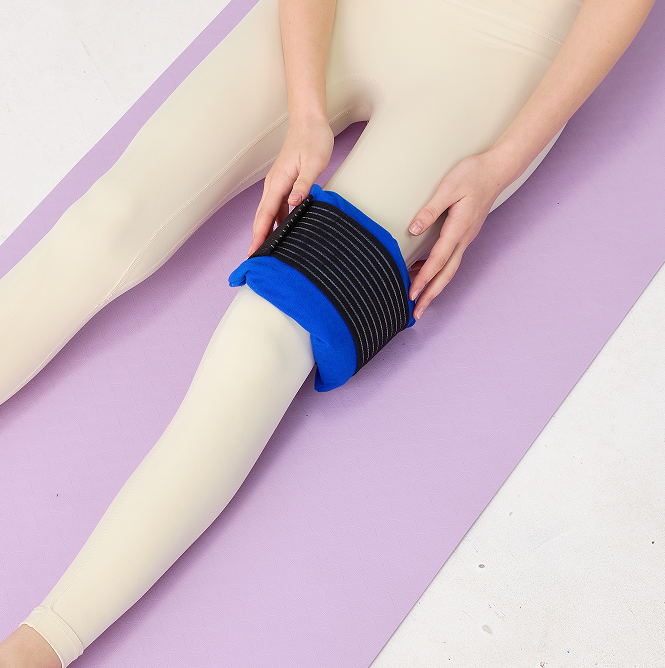
Apply that chain to cold gel compress personal care bulk. The component should be described as a reusable or disposable cooling article whose regulatory position depends heavily on intended use, pelabelan, dan klaim. Jika pertanyaan belum menentukan kondisi produk yang dapat diterima, muatan representatif, isolasi, rute, dan proses pengiriman, tanggapan pemasok yang bertanggung jawab adalah serangkaian pertanyaan, bukan rekomendasi universal.
Letakkan kepemilikan di samping setiap tautan. Tim produk atau kualitas menyetujui rentang penerimaan; logistik menggambarkan jalur tersebut; teknik pengemasan memiliki desainnya; operasi memiliki pengondisian dan perakitan; pengadaan mengelola spesifikasi dan pemasok yang dikendalikan; tim penerima memeriksa dan melakukan eskalasi. Kesenjangan antar pemilik adalah mode kegagalan.
| Prinsip persetujuan: Tidak ada satu pun properti material yang membuktikan kinerja pengiriman. Persetujuan harus menghubungkan data komponen yang dikontrol, paket berulang, pengujian yang representatif, dan proses operasi yang dikelola. |
|---|
Dari Nilai Nominal hingga Konsekuensi Paket
| Spesifikasi atau bukti | Pertanyaan operasional | Persetujuan apa yang harus dicatat |
|---|---|---|
| Dimensi dan toleransi berat terisi | Akankah paketnya cocok, kontak, memberi makan, dan menghitung secara konsisten? | Nilai nominalnya, toleransi, metode pemeriksaan, dan sampel |
| Perumusan atau perilaku fase | Apakah pengkondisian dan respons termal sesuai dengan batas produk? | Data khusus produk, metode, banyak atau revisi, dan menggunakan batas |
| Kontrol film dan segel | Bisakah kantong tersebut bertahan dari bahaya mekanis yang nyata? | Konstruksi, pendekatan tes, aturan penerimaan, dan mengubah pemberitahuan |
| Tes paket | Apakah sistem lengkap berfungsi untuk muatan dan paparan yang representatif? | Protokol, konfigurasi, sensor, Kriteria penerimaan, Hasil, dan penyimpangan |
| Dokumen keselamatan dan kepatuhan | Apakah bahan, klaim, kontak, dan penggunaan pasar didukung? | Dokumen yang berlaku, pemilik ulasan, cakupan, dan kadaluwarsa atau revisi |
Untuk aplikasi ini, emphasize softness, gel rheology, film skin feel, kenyamanan jahitan, fleksibilitas suhu rendah, kompatibilitas kimia, dan daya tahan penggunaan berulang. Setiap item penting karena perubahannya sesuai, perpindahan panas, penahanan, keamanan, atau stabilitas proses. Jangan mengumpulkan dokumen tanpa tujuan peninjauan. Sertifikat yang disimpan dalam folder bukan merupakan kontrol kecuali cakupannya sesuai dengan produk dan tujuan penggunaan.
Nilai nominal memerlukan toleransi dan metode. Dua pemasok dapat membuat daftar dimensi yang sama tetapi mengukurnya secara berbeda; satu paket dapat memenuhi berat isi rata-rata sambil menghasilkan kondisi ekstrem yang tidak dapat diterima. Tentukan berapa banyak satuan yang diukur, pada kondisi apa, dengan peralatan apa, dan bagaimana hasilnya dicatat. Gunakan risiko untuk menentukan kedalaman kendali.
Spesifikasi juga harus menyatakan apa yang tidak diklaim. Hindari bahasa universal tentang kepatuhan, tahan waktu, reusability, kontak makanan, kemampuan terurai secara hayati, atau perlindungan beku. Batasan yang jelas meningkatkan kredibilitas dan menghasilkan penjualan, kualitas, dan pelanggan dalam batasan yang sama.
Buat Spesifikasi Kebutuhan Pengguna untuk Pasokan Massal
The requirements brief should identify the application as personal-care retail, perlengkapan kesehatan, salons, spas, and products marketed for cooling comfort; the destination market as consumer and regulated personal-care markets with U.S. claims awareness; and the users as personal-care brands, pengepakan kontrak, pengecer, dan tim pengadaan label swasta. Jelaskan produk yang dilindungi, kondisi pengiriman dan penerimaan yang disetujui, membekukan sensitivitas atau batasan lainnya, dan apakah kontrol suhu merupakan suatu keamanan, kualitas, stabilitas, atau persyaratan kenyamanan.
Tambahkan konteks paket: isolasi dan dimensi internal, jangkauan muatan, ruang yang dapat digunakan, jumlah cairan pendingin dan posisi yang diusulkan, perkiraan rute dan penundaan, modus operator, profil musiman, peralatan pengkondisian, tingkat pengepakan, penyimpanan, dan proses penerimaan. Jika informasi tidak diketahui, tandai untuk uji coba daripada mengisi kekosongan dengan angka yang diasumsikan.
Define component needs around materials declaration, biocompatibility or safety evidence appropriate to intended contact, kontrol karya seni, peringatan, ketertelusuran banyak, and private-label change management. Sebutkan dokumen-dokumen yang diperlukan, bahasa, karya seni, kemasan, identifikasi banyak, kontrol rak atau penyimpanan jika dibenarkan, dan proses pemberitahuan perubahan. Minta pemasok untuk mengidentifikasi pengecualian dan menyarankan informasi tambahan apa yang mereka perlukan.
Pisahkan persyaratan wajib dari preferensi. Item wajib melindungi keselamatan, kepatuhan, bugar, atau kinerja yang disetujui. Preferensi dapat meningkatkan tenaga kerja, penampilan, atau biaya tetapi dapat diperdagangkan. Hal ini membuat perbandingan pemasok menjadi adil dan menghindari menghilangkan opsi yang secara teknis masuk akal untuk fitur kosmetik.
Persetujuan Harus Bertahan Dalam Skala Besar
Tahap pertama adalah tinjauan dokumen dan sampel. Konfirmasikan identitas, konstruksi, ukuran, mengisi, segel, informasi keselamatan, dokumentasi pasar yang dimaksudkan, penyimpanan, dan pengkondisian. Tahap kedua adalah pekerjaan bangku: mengkondisikan paket dalam peralatan yang direncanakan, periksa kesesuaian dan penanganannya, dan menyaring mode kegagalan mekanis. Langkah-langkah ini menghilangkan ketidakcocokan yang jelas sebelum program termal yang mahal.
Tahap ketiga menguji paket lengkap di bawah protokol yang mencerminkan muatan ekstrem dan paparan rute yang kredibel. Catat tagihan bahan dan perakitan yang tepat. Tahap keempat adalah uji coba operasional dengan staf terlatih, pengkondisian tingkat produksi, pementasan biasa, penanganan pengangkut jika diperlukan, dan menerima ulasan. Keberhasilan laboratorium bisa gagal jika garis tersebut tidak dapat mereproduksinya.
Tahap lima menyetujui spesifikasi yang dikontrol, pemasok, instruksi paket, pelatihan, cek masuk, catatan, dan proses eskalasi. Lepaskan produksi hanya setelah penyimpangan terbuka diselesaikan atau diterima secara resmi oleh pemilik yang bertanggung jawab. Simpan sampel yang disimpan dan catatan pengujian terkait dengan revisi yang disetujui.
Penilaian ulang dipicu oleh perubahan yang berarti: muatan, kotak, isolasi, pendingin, film, mengisi, situs pemasok, peralatan pengkondisian, pembawa, rute, pasar, mengeklaim, atau proses operasi. Tidak setiap perubahan membutuhkan kualifikasi penuh, namun setiap perubahan memerlukan keputusan risiko yang terdokumentasi.
Cegah Pergeseran Tenang Dari Disetujui menjadi Sebenarnya
Mode kegagalan pertama adalah menggunakan cairan pendingin untuk menyelesaikan masalah di luar batasnya. Contohnya termasuk mencoba menghilangkan panas lapangan, mengimbangi pementasan hangat, mengganti kemasan barang berbahaya yang diperlukan, membuat otorisasi terapeutik, atau membuat kotak yang tidak berinsulasi dikontrol suhunya. Dalam program ini, a known poor fit is brands unable to define intended use, direct-skin products without appropriate safety review, or applications requiring powered temperature control.
Yang kedua adalah penyimpangan konfigurasi. Operator menambah atau menghapus paket, mengubah orientasi, gantikan unit yang tampak serupa, meninggalkan ruang kosong, atau gunakan muatan yang berbeda. Cegah penyimpangan dengan gambar yang dikontrol, identifikasi bagian, izin garis, verifikasi hitungan, dan instruksi pengecualian. Audit paket sebenarnya, tidak hanya prosedur tertulis.
Yang ketiga adalah pengkondisian drift. Pemuatan freezer padat, siklus pencairan es, pengkondisian singkat, atau pementasan hangat mengubah keadaan awal. Pantau kemampuan proses selama volume puncak. Jika kesiapan tidak dapat diverifikasi, memperbaiki peralatan atau prosedur daripada memperluas perkiraan.
Yang keempat adalah pergantian pemasok secara diam-diam. Film, damar, aditif, proses segel, tempat produksi, ukuran, atau kemasan kotak dapat bergeser sementara nama bagian komersial tetap ada. Perjanjian kualitas dan pemberitahuan perubahan yang berarti memungkinkan pembeli memutuskan apakah inspeksi atau pengujian ulang diperlukan.
Alat pengambilan keputusan yang berguna
Periksa detailnya sebelum Anda memilih kemasan
Alat cepat ini dapat membantu Anda membandingkan risiko rute, kebutuhan ukuran, pilihan pendingin, dan detail kemasan sebelum Anda meminta penawaran.
Kalkulator Es Kering
Perkirakan kebutuhan es kering untuk pengiriman beku atau sangat dingin sebelum pengepakan.
Perkirakan es keringKetahanan Jatuh Bahan Isolasi
Tinjau ketahanan jatuh dan faktor penanganan sebelum memilih bahan insulasi.
Periksa resistensiPemeriksa risiko rute
Tinjau kondisi jalur sebelum memilih kemasan untuk mengetahui kebutuhan pengoperasian sebenarnya.
Periksa risiko ruteEvidence and Responsibility in consumer and regulated personal-care markets with U.S. claims awareness
The compliance frame includes FDA device classification for therapeutic hot or paket dingin when medical claims are made, consumer-product rules, and market-specific labeling review. Use FDA classification and guidance for hot or cold packs, plus applicable consumer-product and labeling requirements when relevant, tapi pastikan cakupannya, status saat ini, dan implementasi lokal. Pernyataan pemasok dapat mendukung klaim material; itu tidak dapat mengalihkan tanggung jawab pengirim untuk rute, produk, pelabelan, atau persetujuan paket jadi.
Kontrol kualitas mempertahankan desain yang disetujui melalui keterlacakan lot, pemeriksaan manufaktur, pemeriksaan masuk, penanganan pengaduan, tindakan perbaikan, pengendalian dokumen, dan manajemen perubahan. Tinjauan peraturan mengendalikan klaim, penggunaan yang dimaksudkan, kontak, akses pasar, peringatan, dan catatan. Kedua fungsi tersebut harus menyetujui deskripsi produk yang sama.
Hindari kata itu "patuh" tanpa menyebutkan apa yang dicakup. Sebuah kantong mungkin memenuhi persyaratan bahan yang disepakati tetapi pengirimannya masih bisa gagal memenuhi kriteria suhu. Sebuah paket mungkin lolos dari profil ruang tetapi masih kekurangan tanda yang diperlukan untuk pengiriman biologis. Klaim yang tepat membuat kesenjangan terlihat sebelum pengiriman.
Siapkan file rilis yang berisi spesifikasi yang disetujui, mencicipi, bukti uji, paket, metode pengkondisian, dokumen keselamatan dan pasar, persetujuan pemasok, pelatihan, rencana penerimaan, dan mengubah pemicu. File ini harus cukup praktis sehingga anggota tim baru dapat memahami mengapa komponen tersebut dipilih dan apa yang akan membatalkan keputusan tersebut.
Keputusan Komersial Berlanjut Setelah Harga Satuan
Tinjauan nilai total termasuk harga, angkutan masuk, penyimpanan, energi pengkondisian, tenaga kerja, kecepatan garis, muatan yang dapat digunakan, berat dan volume keluar, kehilangan produk, keluhan, penyelidikan, kembali, pembersihan, dan pembuangan. The sustainability priorities are durability without overstating cycle life, penutup yang dapat diganti, mono-material ambitions where technically credible, and clear end-of-life instructions. Jangan menetapkan manfaat yang tidak dapat diberikan oleh model logistik sebenarnya.
Bandingkan alternatif-alternatif setelah alternatif-alternatif tersebut memenuhi kriteria penerimaan yang sama. Paket berbiaya lebih rendah yang membutuhkan lebih banyak unit, lebih banyak ruang freezer, atau lebih banyak tenaga kerja mungkin tidak lebih murah. Bentuk kustom dapat menciptakan nilai jika mengurangi kesalahan atau meningkatkan pemanfaatan ruang, tapi itu juga bisa menambah perkakas, perkiraan risiko, dan ketergantungan sumber tunggal.
Untuk digunakan kembali, menghitung loop tertutup daripada mengutip jumlah siklus yang diasumsikan. Definisikan inspeksi dan pensiun, kehilangan, pembersihan, jarak kembali, kapasitas logistik terbalik, dan cadangan inventaris. Jika kontrol tersebut tidak ada, jelaskan paket tersebut sebagai paket yang dapat digunakan kembali secara fisik hanya dengan hati-hati; penggunaan kembali secara komersial belum dilakukan.
Setelah peluncuran, tinjau pengecualian dan konsumsi kemasan. Kurangi materi melalui uji coba terkontrol dan ulangi penilaian risiko. Sasarannya bukanlah paket teoretis yang paling ringan, namun beban sistem yang bertanggung jawab paling rendah agar berhasil, pengiriman yang dapat direproduksi.
Bagaimana Kerangka Kerja ini Bekerja dalam Praktek
A wellness brand buys a cosmetic cooling compress, then adds pain-relief claims during artwork approval. That wording can change the regulatory analysis even though the physical pouch is unchanged.
Tim terlebih dahulu mengonfirmasi persyaratan produk dan rutenya daripada langsung mengganti cairan pendingin. It then compares the current packout with Flexible reusable compress, Single-use instant or preconditioned pack, and Fabric-covered personal-care format only where those options fit. Setiap percobaan menyimpan muatannya, isolasi, catatan pengkondisian, rencana sensor, dan kriteria penerimaan dikendalikan sehingga hasilnya dapat diinterpretasikan.
Pengadaan mencatat biaya komponen dan persyaratan pasokan, catatan operasi pengkondisian dan beban pengepakan, dan tinjauan kualitas bukti dan penyimpangan. Konfigurasi yang dipilih adalah konfigurasi yang memenuhi persyaratan yang ditentukan dengan proses yang dapat direproduksi dan beban total yang dapat diterima. Tidak ada durasi kinerja yang diteruskan kecuali pengujian terkontrol memberikan bukti untuk hal tersebut.
Sebelum skala, tim melakukan uji coba unit produksi dari lot yang dapat dilacak dan memeriksa konfigurasi kotak dan palet akhir. Ini juga menjelaskan apa yang terjadi setelah pengambilan yang terlewat, kantong rusak, gangguan pengkondisian, atau perubahan pemasok. Aturan pengecualian tersebut mengubah uji coba yang berhasil menjadi sistem operasional.
Pertanyaan yang sering diajukan
Apa spesifikasi pertama yang harus didefinisikan?
Tentukan kondisi produk yang dapat diterima dan konsekuensi pemaparannya. Keputusan itu mendorong perilaku yang keren, penempatan paket, pemantauan, kriteria tes, dan pilihan rute. Dimensi komponen itu penting, tapi itu tidak boleh menjadi masukan desain pertama.
Bisakah satu paket mencakup setiap musim dan muatan?
Terkadang satu konfigurasi yang kuat dapat mencakup rentang tertentu, tapi itu harus dibuktikan. Muatan minimum dan maksimum serta profil panas dan dingin yang kredibel dapat menghasilkan risiko yang berbeda. Jangan memperluas konfigurasi yang disetujui melampaui buktinya tanpa peninjauan.
Siapa yang bertanggung jawab atas pengiriman yang telah selesai?
Tanggung jawab bervariasi berdasarkan kontrak dan peraturan, tapi pembelinya, pengirim, pemilik merek, tim berkualitas, pembawa, dan pemasok masing-masing mengontrol elemen yang berbeda. Organisasi yang melepaskan kiriman harus memastikan sistem dan proses akhir memenuhi persyaratan produk dan rute yang berlaku.
Apa yang harus dilakukan setelah kantong bocor ditemukan?
Inventaris yang terpengaruh karantina, melindungi produk dan staf sesuai dengan informasi keselamatan, catat lot dan kondisinya, dan selidiki apakah penyebabnya adalah manufaktur, pengkondisian, sedang mengemas, tusukan muatan, atau transportasi. Jangan mengembalikan paket yang rusak ke layanan.
Dari Pengadaan hingga Penggunaan Terkendali
A sound cold gel compress personal care bulk decision connects the protected product, rute, muatan, isolasi, pengkondisian, penempatan paket, spesifikasi produksi, dan bukti. Pemasok harus mengontrol komponen dan mengkomunikasikan perubahan; pembeli harus menyetujui penggunaan lengkap dan proses pengoperasian. Tidak ada pihak yang boleh mengubah paket generik menjadi janji kinerja atau kepatuhan universal.
Sebelum memesan dalam skala besar, konfirmasi batasnya, menguji kondisi yang representatif, percontohan konstruksi akhir, dan menentukan inspeksi masuk dan penanganan pengecualian. Use FDA classification and guidance for hot or cold packs, plus applicable consumer-product and labeling requirements where applicable, sambil memverifikasi aturan saat ini untuk pasar dan produk sebenarnya. Optimalkan biaya dan pemborosan hanya setelah persyaratan penerimaan tetap terlindungi.
Tentang tempk
Tempk adalah kemasan rantai dingin merek Shanghai Tempk Industrial Co., Ltd. Kami bekerja dengan pembeli B2B Paket gel, bahan perubahan fase, kemasan terisolasi, dan terkait Kemasan yang dikendalikan suhu komponen. For personal-care retail, perlengkapan kesehatan, salons, spas, and products marketed for cooling comfort, peran berguna kami dimulai dengan detail pengiriman: kebutuhan produk, muatan, rute, isolasi, pengkondisian, dan menangani. Kami tidak memperlakukan satu format cairan pendingin sebagai sesuatu yang universal. Tujuannya adalah untuk membantu pembeli membandingkan konfigurasi praktis, rencana pengambilan sampel, dan spesifikasi pasokan sebelum beralih dari evaluasi ke produksi massal.
Diskusikan Aplikasinya
Bagikan jenis produk, kondisi yang dapat diterima, rute, muatan, wadah terisolasi, proses pengepakan, dan menargetkan volume pesanan dengan Tempk. Mintalah rekomendasi praktis untuk jumlah besar cold gel compresses dan dokumen atau uji coba yang diperlukan sebelum penskalaan.