Kotak Transportasi EPP Kompak Murah: Cara Memilih Opsi yang Tepat Tanpa Mengklaim Kinerja Secara Berlebihan
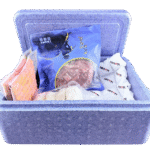
Sebuah kompak Kotak transportasi EPP murah tidak dipilih berdasarkan nama saja. Pilihan yang tepat tergantung pada muatannya, ruang yang dapat digunakan, paparan rute, kebiasaan penanganan, rencana pendingin, dan bukti yang dapat diberikan oleh pemasok. Untuk tim pengadaan yang sensitif terhadap harga, operator pengiriman makanan, dan program rantai dingin kecil yang memerlukan opsi transportasi terisolasi yang ringkas, versi terakhir yang berfokus pada pembeli ini menghadirkan materi, operasional, dan mengumpulkan pertanyaan sehingga kotak tersebut dapat dievaluasi sebagai bagian dari proses pengemasan nyata dan bukan sebagai item katalog umum.
Harga rendah hanya berfungsi setelah batasan risiko jelas
Batasan pertama sederhana: berbiaya rendah bukan berarti rendah pengendaliannya; pembeli tetap harus memverifikasi kecocokan, bahan, dan dukungan pemasok. Hal ini penting karena banyak kesalahan pembelian berasal dari perawatan wadah terisolasi seolah-olah sudah memenuhi syarat untuk setiap pengiriman. Dalam pengiriman makanan, itu bisa berarti keluhan pelanggan atau barang yang ditolak. Dalam pekerjaan kesehatan atau bioteknologi, ini bisa berarti kesenjangan dokumentasi yang ditemukan hanya setelah kiriman dipindahkan.
Kompak kemasan rantai dingin harus disesuaikan dengan persyaratan suhu produk sebenarnya; jangan berasumsi satu kotak kecil cocok untuk makanan, farmasi, dan pengiriman laboratorium secara merata. Pemasok dapat membantu Anda memilih kotak dan menyarankan paketnya, namun pemilik produk atau tim mutu harus menentukan kriteria penerimaannya. Perbedaan itu melindungi kedua sisi transaksi.
Hal ini juga berguna untuk membedakan sebuah kotak EPP terisolasi dari pencatat data suhu. Kotak membantu memperlambat perpindahan panas. Logger mencatat apa yang terjadi. Tidak ada yang menggantikan yang lain. Jika pengiriman sensitif, kemasan harus dirancang untuk mengurangi risiko dan rencana pemantauan harus dipilih untuk mendokumentasikan risiko.
Cocokkan peta untuk penggunaan nyata
| Bidang keputusan | Apa artinya | Apa yang harus dilakukan selanjutnya |
|---|---|---|
| Cocok sekali | toko kelontong dengan rute pendek, makanan siap saji yang didinginkan, kit sampel, pengiriman dukungan medis kecil, transfer kurir lokal | Saat muatan, rute, dan penanganannya didefinisikan dengan jelas |
| Perlu peninjauan ekstra | Perawatan kesehatan, biotek, farmasi, atau barang yang sensitif terhadap kualitas | Ketika suhu berkisar, dokumentasi, atau pemantauan diperlukan |
| Kurang pas | Rute tidak ditentukan, muatan yang tidak diketahui, atau klaim termal yang tidak didukung | Ketika pembeli mengharapkan kotak tersebut membuktikan kinerjanya tanpa bukti kemasan |
| Diskusi pemasok | ruang yang dapat digunakan, penutupan tutupnya, menangani daya tahan, berat, kemampuan ditumpuk, upaya pembersihan, dan perencanaan penggantian | Ketika persetujuan sampel atau pemesanan massal direncanakan |
Peta kecocokan adalah cara cepat untuk menghindari pembelian berlebihan atau spesifikasi yang terlalu rendah. Hal ini menunjukkan bahwa kontainer EPP yang sama dapat menjadi pilihan cerdas dalam satu alur kerja dan pilihan yang tidak lengkap di alur kerja lainnya. Langkah selanjutnya adalah mengubah tujuan penggunaan menjadi pertanyaan terukur.
Spesifikasi untuk dikunci sebelum persetujuan sampel
Ukuran bukan hanya persoalan dimensi eksternal. Pembeli sering meminta media, kompak, kebiasaan, atau kotak ramah massal, tapi jawaban operasionalnya ada di dalam wadah. Ruang muatan yang dapat digunakan adalah sisa setelah cairan pendingin, pemisah, isi kosong, orientasi produk, dan penanganan pekerja dipertimbangkan. Sebuah kotak dapat terlihat besar dalam volume internal kotor dan masih sempit untuk muatan sebenarnya.
Untuk toko kelontong dengan rute pendek, makanan siap saji yang didinginkan, kit sampel, pengiriman dukungan medis kecil, transfer kurir lokal, tanyakan bagaimana muatan akan ditempatkan dan dikeluarkan. Jika karton dimuat secara vertikal, kedalaman tutup dan jarak tangan penting. Jika Paket gel atau paket PCM digunakan, harus ada jarak yang cukup untuk menghindari risiko pembekuan langsung pada produk yang tidak boleh menyentuh cairan pendingin beku. Jika rutenya termasuk sering dibuka, desain kotak harus memudahkan penutupan yang benar daripada mengandalkan perilaku operator yang sempurna.
Dimensi eksternal juga mempengaruhi biaya rute. Kotak yang terlalu besar dapat mengurangi pemanfaatan kendaraan atau meningkatkan tekanan penyimpanan kembali. Kotak yang terlalu kecil mungkin memaksa pekerja untuk mengemas terlalu banyak, menekuk karton, atau sisakan lebih sedikit ruang untuk cairan pendingin. Spesifikasi yang lebih baik dimulai dengan gambar muatan atau sampel yang diukur, kemudian mengonfirmasi bagaimana kontainer ditangani sebelum dan sesudah pengiriman.
Kustomisasi harus dimulai dengan gambar atau lembar pengukuran yang jelas. Lebar bagian dalam, tinggi, dan kedalaman hanyalah permulaan. Pembeli harus menentukan bentuk muatannya, berapa banyak unit yang muat per lapisan, apakah cairan pendingin ada di sampingnya, di atas, atau di bawah barang, dan apakah pemisah diperlukan untuk mencegah kontak langsung.
Untuk ODM atau proyek ukuran khusus, perkakas dan persetujuan sampel patut mendapat perhatian ekstra. Sebuah prototipe mungkin terlihat benar, tapi pembeli harus mengkonfirmasi toleransi, bahan produksi, tutup pas, pelabelan permukaan, dan apakah perubahan desain di masa depan akan dikomunikasikan sebelum mempengaruhi pesanan berulang. Hal ini sangat penting ketika pengemasan merupakan bagian dari alur kerja yang divalidasi atau ditinjau kualitasnya.
Bukti, klaim, dan kendali serah terima
Kinerja termal adalah hasil perpindahan panas, waktu, massa, dan menangani. Badan EPP memperlambat pergerakan panas. Pendingin menyerap panas. Payload merespons sesuai dengan sensitivitasnya sendiri. Tutupnya, pemisah, dan ruang kosong mempengaruhi pergerakan udara di dalam kotak. Karena elemen-elemen ini bekerja sama, klaim waktu tunggu yang umum tidak boleh dianggap sebagai bukti untuk rute yang berbeda.
Ketika pemasok menyebutkan uji termal, menanyakan syaratnya: profil lingkungan, beban muatan, tipe pendingin, pengkondisian cairan pendingin, ukuran kotak, suhu awal, penempatan logger, dan kriteria lulus atau gagal. Sebuah tes dapat berguna meskipun tidak identik dengan jalur Anda, namun harus dibaca sebagai bukti dalam kondisi tertentu, bukan sebagai janji universal.
Untuk pengiriman paket atau layanan kesehatan, Profil termal ISTA atau praktik kargo kesehatan IATA dapat menjadi bagian dari diskusi. Referensi tersebut membantu pembeli mengajukan pertanyaan yang lebih baik, namun pemilik produk masih harus memastikan kisaran suhu yang diperlukan dan bukti yang dapat diterima untuk pengiriman spesifik.
Rute gagal pada titik serah terima lebih sering daripada perkiraan pembeli. Kotak itu mungkin diletakkan di dok pemuatan, menunggu di dalam kendaraan, bergerak melalui cross-dock, atau dibuka untuk diperiksa. Setiap serah terima menambah ketidakpastian. Pilihan kontainer EPP yang baik mengurangi beberapa risiko, tetapi juga membutuhkan petunjuk yang sesuai dengan rutenya.
Lihatlah di mana kotak itu akan dibuka dan oleh siapa. Jika tim penerima segera membukanya dan mencatat kondisinya, prosesnya berbeda dengan rute dimana kotak menunggu di lemari es cabang atau di konter pelanggan. Model operasi harus memutuskan penempatan label, posisi pencatat, bukti perusakan, dan membersihkan langkah pengembalian.
Pertanyaan pemasok yang benar-benar penting
Pemasok harus dievaluasi berdasarkan pertanyaan yang dapat mereka jawab. Bisakah mereka menjelaskan perbedaan antara volume internal kotor dan ruang muatan yang dapat digunakan?? Bisakah mereka memberikan informasi material tanpa mengubahnya menjadi janji kinerja universal?? Bisakah mereka mendiskusikan persetujuan sampel, konsistensi produksi, kemasan untuk ekspor, dan penanganan purna jual?
Untuk grosir, distributor, eksportir, dan proyek ODM, komunikasi sama pentingnya dengan variasi katalog. Pembeli mungkin membutuhkan gambar, dimensi karton, pilihan logo, zona label, panduan pembersihan, atau informasi dukungan pengujian. Jika pemasok tidak dapat memberikan dasar-dasar ini sebelum memesan, mungkin sulit untuk menyelesaikan masalah setelah kiriman tiba.
Alat pengambilan keputusan yang berguna
Periksa detailnya sebelum Anda memilih kemasan
Alat cepat ini dapat membantu Anda membandingkan risiko rute, kebutuhan ukuran, pilihan pendingin, dan detail kemasan sebelum Anda meminta penawaran.
Referensi Bahan Isolasi
Bandingkan pilihan bahan insulasi untuk kebutuhan pengemasan rantai dingin yang berbeda.
Bandingkan bahanKalkulator Paket Es
Perkirakan jumlah paket es gel untuk pengiriman dingin dan perencanaan rute yang praktis.
Perkirakan kantong esPemeriksa Risiko Rute
Tinjau kondisi jalur sebelum memilih kemasan untuk mengetahui kebutuhan pengoperasian sebenarnya.
Periksa risiko rutePemasok yang cermat juga akan mengatakan apa yang perlu diverifikasi oleh pembeli. Itu pertanda baik. Ini berarti pemasok memahami batasan antara menjual kontainer EPP dan menyetujui operasi rantai dingin secara menyeluruh. Dalam aplikasi sensitif, batas itu adalah bagian dari pengendalian risiko.
Skenario praktis untuk tinjauan pembeli
Skenario umum untuk kotak transportasi EPP kompak yang murah adalah pembeli mengganti karton busa sekali pakai pada rute pengiriman yang berulang. Kemasan yang ada saat ini mudah dibeli namun menimbulkan sampah, pengepakan yang tidak konsisten, dan penggunaan kembali terbatas. Kotak EPP terlihat menarik karena dapat digunakan berulang kali dan dipegang seperti tas jinjing yang tahan lama, tapi pembeli masih perlu memeriksa ruang internal, penempatan cairan pendingin, tutup pas, dan penanganan pengembalian.
Jika sampel diuji hanya di atas meja, keputusannya tidak lengkap. Biarkan operator memuatnya, tutup itu, membawanya, membersihkannya, dan menumpuknya seperti pada hari yang sibuk. Masalah alur kerja kecil muncul dengan cepat: tutup yang mudah salah tempat, pegangan yang terasa janggal saat penuh, atau bentuk yang menyia-nyiakan ruang van. Pengamatan tersebut seringkali lebih berguna daripada deskripsi katalog yang telah disempurnakan.
FAQ
Adalah kotak transportasi EPP kompak yang murah dan dikontrol suhu secara otomatis?
TIDAK. Kotak EPP memberikan isolasi dan perlindungan fisik, tetapi kontrol suhu tergantung pada paket lengkap. Tipe pendingin, pemuatan muatan, pemisah, durasi rute, paparan lingkungan, disiplin tutup, dan pemantauan semua mempengaruhi hasilnya. Perlakukan kotak itu sebagai salah satu bagian dari sistem, bukan sebagai solusi suhu lengkap dengan sendirinya.
Apa yang harus saya periksa sebelum memesan sampel?
Mulailah dengan dimensi muatan, ruang internal yang dapat digunakan, kisaran suhu yang diperlukan jika ada, waktu rute yang diharapkan, metode pembersihan, kebutuhan pelabelan, dan bagaimana operator akan membawa atau menumpuk kotak tersebut. Untuk toko kelontong dengan rute pendek, makanan siap saji yang didinginkan, kit sampel, pengiriman dukungan medis kecil, transfer kurir lokal, tinjauan sampel harus mencakup tim gudang dan penerima, tidak hanya tim pembelian.
Bisakah EPP digunakan untuk makanan, medis, atau pengiriman bioteknologi?
EPP dapat digunakan dalam kemasan banyak makanan, Perawatan kesehatan, laboratorium, dan skenario industri, tetapi kesesuaiannya bergantung pada muatan dan dokumentasi yang diperlukan. Pembeli harus memverifikasi pernyataan kontak makanan, harapan pembersihan, persyaratan suhu, dan tinjauan kualitas atau peraturan apa pun sebelum menggunakan kemasan untuk barang sensitif.
Bagaimana saya harus membandingkan dua pemasok?
Bandingkan lebih dari harga. Tinjau konsistensi sampel, tutup pas, gambar, rincian materi, panduan pembersihan, kemasan karton, kata-kata klaim, dan apakah pemasok dapat menjelaskan batasan kinerja termal. Pemasok yang memberikan jawaban hati-hati mungkin lebih aman daripada pemasok yang menjanjikan satu kotak akan menyelesaikan setiap jalur.
Catatan pembeli tambahan sebelum memesan
Sebelum menyetujui kotak transportasi EPP kompak yang murah, tanyakan siapa yang akan memiliki prosedur operasi. Keputusan pengemasan sering kali terjadi di antara pengadaan, gudang, logistik, kualitas, dan penjualan. Jika tidak ada yang memiliki prosedurnya, pekerja mungkin mengemas kotak secara berbeda dari shift ke shift. Hal ini penting untuk barang yang sensitif terhadap suhu dan juga penting untuk barang biasa kemasan yang dapat digunakan kembali karena penggunaan yang tidak konsisten memperpendek masa pakai.
Tinjauan sampel harus mencakup pengamatan negatif dan positif. Jika ada pekerja yang mengatakan kotaknya sulit dibersihkan, kalau tutupnya mudah lepas, atau jika label melengkung di permukaan, mencatat umpan balik itu. Komentar-komentar ini mungkin tampak kecil, namun mereka memperkirakan bagaimana perilaku kotak tersebut setelah ratusan peristiwa penanganan yang sibuk.
Untuk pembeli yang membandingkan pemasok di seluruh pasar, hati-hati dengan klaim yang diterjemahkan. Kata-kata seperti medis, grade makanan, ramah lingkungan, tahan lama, atau profesional dapat memiliki arti yang berbeda dalam katalog yang berbeda. Mintalah bukti yang mendasarinya atau gunakan kata-kata netral dalam materi penjualan Anda sampai tim Anda memastikan apa yang dapat diklaim dengan aman.
Pemeriksaan terakhir adalah pembuangan atau perencanaan akhir masa pakainya. Jika kotak itu dimaksudkan untuk digunakan kembali, putuskan apa yang terjadi jika retak, bernoda, kehilangan tutupnya, atau tidak lagi dapat diterima untuk rute tersebut. Aturan pemeriksaan sederhana dapat mencegah kemasan yang rusak agar tidak dapat digunakan kembali dan melindungi kredibilitas keseluruhan program pengemasan.
Pembeli juga harus meninjau bagaimana kotak-kotak itu dikirim sebelum membawa muatan apa pun. Ekspor karton, penumpukan palet, kompresi selama transit, dan pemeriksaan penerimaan gudang dapat mempengaruhi kondisi tutup dan sudut. Kotak kosong yang rusak mungkin terlihat seperti masalah kecil yang masuk, namun hal ini dapat menjadi masalah yang berulang ketika kontainer tersebut diharapkan dapat melindungi barang-barang yang bernilai lebih tinggi di kemudian hari.
Jika pesanan merupakan bagian dari program ODM atau label pribadi, bahasa klaim harus disetujui dengan hati-hati. Deskripsi paling aman biasanya menjelaskan materinya, penggunaan yang dimaksudkan, dan langkah-langkah verifikasi pembeli tanpa menjanjikan kepatuhan universal atau durasi termal tetap. Kata-kata itu lebih mudah untuk penjualan, kualitas, dan tim logistik untuk bertahan ketika pelanggan mengajukan pertanyaan mendetail.
Akhirnya, putuskan apa yang harus tetap standar dan apa yang bisa bervariasi. Warna, logo, atau area label mungkin fleksibel, sedangkan dimensi internal, tutup pas, jarak pendingin, dan kualitas material harus tetap dikontrol setelah sampel disetujui. Titik kontrol yang jelas mengurangi kemungkinan penyusunan ulang berikutnya terlihat serupa tetapi berperilaku berbeda di lapangan.
Kesimpulan
Pilihan transport box EPP kompak murah terbaik adalah yang sesuai dengan rutenya, muatan, penanganan rutin, dan persyaratan bukti. EPP bisa menjadi bahan yang kuat untuk digunakan kembali kemasan terisolasi, namun pembeli tidak boleh mengubah keuntungan materi menjadi janji kinerja yang tidak didukung.
Sebelum memesan, konfirmasi ruang yang dapat digunakan, kompatibilitas cairan pendingin, perilaku tutup, metode pembersihan, kebutuhan dokumentasi, dan konsistensi sampel hingga produksi. Untuk barang yang diatur atau sensitif terhadap kualitas, libatkan pemilik produk atau tim kualitas sejak dini. Langkah tersebut menghemat waktu karena memperjelas apa yang diharapkan dari kotak tersebut dan apa yang harus dibuktikan dengan paket lengkap.
Tentang Tempk
Tempk mendukung pembeli B2B yang membutuhkan komponen pengemasan rantai dingin dan rekomendasi pengemasan praktis. Untuk proyek kotak EPP, yang dapat mencakup diskusi dimensi khusus, penanganan yang dapat digunakan kembali, kompatibilitas cairan pendingin, pelabelan permukaan, dan apakah produk tersebut ditujukan terutama untuk makanan, medis, biotek, atau logistik industri. Tujuannya adalah untuk membantu pembeli menentukan persyaratan yang lebih jelas sebelum membandingkan harga, contoh, atau pengembangan ODM dimulai.
Mintalah rekomendasi pengemasan kepada Tempk sebelum beralih dari sampel ke pesanan massal, apalagi kalau kirimannya berupa makanan, medis, biotek, atau sensitif terhadap rute.