# Kompak Tugas berat Wadah Penyimpanan EPP: Panduan Seleksi Praktis untuk Pembeli B2B
Memilih wadah penyimpanan EPP tugas berat yang ringkas harus dimulai dari produknya, rute, dan titik serah terimanya, bukan nama materialnya saja. EPP adalah kandidat kuat untuk kemasan berinsulasi yang dapat digunakan kembali, tetapi pilihan akhir bergantung pada ruang internal, perilaku tutup, pembersihan, rencana pendingin, logistik pengembalian, dan bukti untuk kondisi yang Anda harapkan. Tujuannya bukan untuk membeli kotak yang paling mengesankan di atas kertas; itu adalah memilih salah satu yang berfungsi berulang kali dalam proses Anda sendiri.
**Catatan pembeli:** Perlakukan nama produk sebagai awal spesifikasi, bukan akhir. Keputusan yang tepat berasal dari kecocokan rute, kesesuaian muatan, penanganan yang pas, dan dokumentasi sesuai.
## Tentukan rute sebelum membandingkan kotak
Cara terkuat untuk mengevaluasi kontainer penyimpanan EPP tugas berat yang ringkas adalah dengan memetakan rutenya terlebih dahulu. Tuliskan di mana produk tersebut dikemas, berapa lama menunggu, siapa yang membawanya, berapa kali tutupnya dibuka, apakah cairan pendingin atau sisipan digunakan, dan apa yang terjadi setelah melahirkan. Peta rute ini memberi tahu Anda apakah kotak tersebut memerlukan pemisahan yang lebih baik, penumpukan yang lebih kuat, tutup yang lebih rapat, pembersihan lebih mudah, berat tara yang lebih rendah, atau bukti yang lebih kuat untuk kinerja termal.
Pendekatan ini penting karena wadah kecil mungkin terlihat efisien tetapi gagal jika dindingnya kuat, tutup pas, perilaku tumpukan, atau permukaan penanganan tidak sesuai dengan penggunaan sebenarnya. Ketika masalah diberi nama dengan benar, pemilihan produk menjadi lebih praktis. Kotak tersebut mendukung alur kerja sebenarnya atau tidak. Sampel cantik yang tidak sesuai dengan muatannya, paparan rute, pembersihan, atau penanganan pengembalian tidak boleh beralih ke pembelian massal tanpa perubahan.
## Apa kontribusi EPP terhadap keputusan tersebut
Mengapa EPP digunakan untuk kotak jenis ini
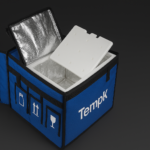
Polypropylene yang diperluas, biasanya disingkat menjadi EPP, adalah busa manik sel tertutup yang terbuat dari polipropilen. Ini dihargai dalam kemasan transportasi karena menggabungkan bobot rendah dengan penyerapan dampak, Isolasi Termal, Resistensi air, resistensi kimia, dan rasio kekuatan terhadap berat yang tinggi. Properti tersebut membuatnya berguna untuk kotak yang dapat digunakan kembali, sisipan yang dibentuk, wadah penanganan rantai dingin, kemasan pelindung, dan sistem pengiriman yang menghadapi penanganan manual berulang kali. Untuk kontainer EPP tugas berat yang ringkas, kekuatan tersebut penting karena kontainer diperkirakan akan menghadapi pergerakan berulang kali, bukan hanya umur simpan satu gudang. EPP dapat melindungi barang-barang yang mudah pecah, mengurangi beban yang dibawa oleh pengemudi atau pemetik, dan memberikan isolasi yang berguna bila penutupnya benar, pendingin, dan rencana pemuatan digunakan.
Cara praktis untuk menilai materi adalah dengan menanyakan mode kegagalan apa yang ingin Anda kurangi. Jika kerusakan adalah masalahnya, lihat kekuatan sudut dan dukungan internal. Jika penyimpangan suhu adalah masalahnya, lihat kesesuaian tutupnya, volume pendingin, dan paparan rute. Jika pembersihan adalah masalahnya, lihat permukaan, alur, Label, dan apakah cairan dapat terkumpul di ruang yang sulit dijangkau. Materinya membantu, tetapi bentuk akhirnya menentukan seberapa bergunanya.
## Dimana format ini cocok, dan di mana harus berhati-hati
Format ini biasanya merupakan kandidat yang baik untuk gudang yang padat, kendaraan dinas, barang dingin dalam jumlah kecil, suku cadang, atau program tas jinjing yang dapat digunakan kembali yang memerlukan ketahanan terhadap benturan tanpa beban tara berlebih. Kurang cocok untuk muatan besar, pengiriman loop terbuka yang panjang, atau produk yang memerlukan pengirim termal berkualifikasi dengan data cairan pendingin spesifik. Batasan tersebut harus menjadi bagian dari percakapan pembelian karena EPP bukanlah bahan ajaib. Ini memberikan dasar yang berguna untuk dapat digunakan kembali, terisolasi, kemasan tahan benturan, namun kotak yang sudah jadi harus tetap sesuai dengan produk dan prosesnya.
Jika pengiriman sensitif terhadap suhu, buat keputusan berdasarkan paket penuh. Paket sudah termasuk kotaknya, tutup, pendingin, beban produk, pembagi atau liner, pengkondisian awal, paparan rute, dan kriteria penerimaan. Jika pengiriman sensitif terhadap kebersihan, membangun keputusan seputar status kontak, kemasan primer, pembersihan, pengeringan, dan inspeksi. Jika pengiriman sensitif terhadap bahan kimia, membangun keputusan seputar tinjauan kompatibilitas dan keamanan.
Jangan bingung membedakan insulasi dengan sistem pengatur suhu yang berkualitas
Kotak EPP adalah komponen kemasan berinsulasi atau pelindung, bukan jaminan otomatis kepatuhan suhu. Perlindungan suhu tergantung pada muatan, tutup pas, konfigurasi pendingin atau PCM, pola pemuatan, waktu rute, paparan lingkungan, dan bagaimana kotak dibuka atau ditangani selama pengiriman. Untuk pengiriman yang diatur atau berisiko tinggi, pembeli harus meminta bukti pengujian yang sesuai dengan rencana penggunaan daripada mengandalkan klaim waktu tunggu yang umum.
Untuk penyimpanan atau transportasi non-makanan, logika yang sama berlaku. Kotak tersebut dapat memperlambat pertukaran panas dan mengurangi dampak, namun hal ini tidak dapat menciptakan lingkungan yang terkendali dengan sendirinya. Jika produk memiliki kisaran suhu yang diperlukan atau kondisi penanganan yang terdokumentasi, tentukan kondisi itu terlebih dahulu, kemudian tanyakan apakah wadah tersebut telah dievaluasi dalam kondisi yang sebanding.
## Tabel keputusan untuk persetujuan sampel
| Bidang keputusan | Mengapa hal ini memengaruhi kinerja | Pemeriksaan praktis |
|- -|- -|- -|
| Produk dan muatan | Kotaknya harus sesuai dengan produk, bukan hanya kapasitas katalog. | Gunakan paket produk dan cairan pendingin asli dalam pengujian sampel. |
| Paparan rute | Buka pintu, waktu tunggu, dan serah terima mendorong risiko termal. | Petakan rute sebelum menerima klaim waktu tunggu. |
| Gunakan kembali dan bersihkan | Kotak yang dapat digunakan kembali hanya berguna jika dapat dikembalikan dalam keadaan bersih dan utuh. | Definisikan pencucian, pengeringan, inspeksi, dan kriteria pensiun. |
| Bukti pemasok | Klaim harus dikaitkan dengan kondisi dan detail artikel yang sudah jadi. | Minta dokumentasi yang sesuai dengan tujuan penggunaan. |
| Kesesuaian operasional | Pekerja memutuskan apakah sebuah kotak berhasil digunakan sehari-hari. | Periksa kenyamanan penanganan, menumpuk, pelabelan, dan jejak penyimpanan. |
Gunakan tabel ini selama peninjauan sampel dan sebelum pesanan massal pertama. Tujuannya bukan untuk membuat dokumen demi kepentingannya sendiri. Tujuannya adalah untuk mencegah sampel yang menarik disetujui sebelum diuji terhadap cara tim Anda menggunakannya.
## Dokumentasi dan klaim untuk diverifikasi
Dokumentasi tergantung pada aplikasinya
Wadah penyimpanan atau pengangkutan yang dapat digunakan kembali mungkin memerlukan dokumentasi yang berbeda tergantung pada apa yang dibawanya. Penggunaan kontak makanan, logistik medis, penyimpanan bahan kimia, penanganan gudang internal, dan pengiriman eceran semuanya menciptakan kebutuhan bukti yang berbeda. Pembeli sebaiknya menghindari meminta satu sertifikat yang seharusnya mencakup setiap penggunaan. Pendekatan yang lebih baik adalah dengan mendefinisikan aplikasinya terlebih dahulu dan kemudian meminta pernyataan material yang relevan, deklarasi artikel selesai, panduan pembersihan, dan menguji informasi.
Alat pengambilan keputusan yang berguna
Periksa detailnya sebelum Anda memilih kemasan
Alat cepat ini dapat membantu Anda membandingkan risiko rute, kebutuhan ukuran, pilihan pendingin, dan detail kemasan sebelum Anda meminta penawaran.
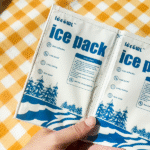
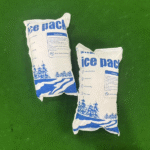
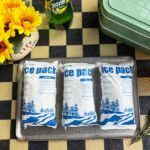
Kalkulator Paket Es
Perkirakan jumlah paket es gel untuk pengiriman dingin dan perencanaan rute yang praktis.
Perkirakan kantong esPendingin & Referensi PCM
Bandingkan opsi cairan pendingin dan PCM ketika suatu rute memerlukan dukungan suhu tambahan.
Bandingkan pilihanPelapis Kotak & Ukuran Penutup Palet
Centang kotak logika ukuran penutup palet dan liner untuk proyek pengemasan berinsulasi.
Perkiraan ukuranUntuk penggunaan rantai dingin, dokumentasi harus menjelaskan paket lengkap ketika melibatkan klaim suhu. Itu termasuk kotaknya, tutup, pendingin atau PCM, muatan, metode pengkondisian awal, profil paparan lingkungan, dan kriteria penerimaan. Tanpa detail itu, waktu tunggu yang dinyatakan hanyalah titik awal untuk diskusi, bukan bukti bahwa wadah tersebut akan melindungi produk Anda dengan cara yang berbeda.
Klaim kinerja termal harus diperlakukan sebagai kondisional. Sebuah kotak diuji dengan satu muatan, satu tata letak cairan pendingin, satu metode pengkondisian awal, dan satu profil ambien mungkin memiliki performa berbeda saat rute berubah. ISTA 7E sering digunakan sebagai acuan kemasan transportasi termal di lingkungan pengiriman paket, namun hal ini tidak menggantikan evaluasi jalur khusus untuk setiap pengiriman.
## Cara menjalankan tes sampel yang berguna
Uji sampel yang berguna untuk wadah penyimpanan EPP tugas berat yang ringkas harus mencakup barang asli, kecepatan pemuatan normal, pekerja biasa, dan rencana pendingin atau sisipan yang diharapkan. Jangan hanya menguji kotak kosong. Penanganan kotak kosong dapat menyembunyikan masalah keseimbangan, penutupan tutupnya, volume yang dapat digunakan, kondensasi, dan pergerakan produk. Jika kotak tersebut akan ditumpuk, kotak uji yang diisi. Jika akan dibersihkan, cuci dan keringkan sebelum mengambil keputusan. Jika kotak itu akan dikembalikan, uji juga proses pengembalian yang kosong.
Catat apa yang dipelajari tim Anda dalam bahasa yang sederhana. Apakah tutupnya mudah ditutup? Apakah label tetap dapat dibaca? Apakah para pekerja memenuhi kontainer secara berlebihan? Apakah kondensasi terkumpul? Apakah kotaknya pas dengan rak kendaraan, keranjang, atau rak penyimpanan? Apakah artikel yang sudah selesai memenuhi persyaratan kebersihan, kontak makanan, atau persyaratan kompatibilitas? Jawaban-jawaban tersebut menjadi lebih berguna daripada daftar fitur umum karena mencerminkan rute Anda sendiri.
## Pertanyaan pembeli yang mencegah ketidakcocokan
Pemeriksaan pengadaan yang mengubah pilihan akhir
Untuk wadah penyimpanan EPP tugas berat yang ringkas, diskusi pemasok yang bermanfaat harus berpindah dengan cepat dari nama produk ke kondisi kerja. Tanyakan bagaimana perilaku kotak tersebut ketika diisi, bagaimana tim Anda akan mengisinya. Sampel pertama harus diisi dengan karton asli, botol, nampan, menghasilkan paket, atau barang penyimpanan. Jika sampel diuji kosong, Anda akan belajar sedikit tentang menangani keseimbangan, penutupan tutupnya, kondensasi, atau gangguan internal.
Pertanyaan terpenting untuk topik ini bersifat spesifik: jejak eksternal versus ruang internal yang dapat digunakan; kekuatan sudut setelah penanganan berulang kali; apakah tugas berat berarti dinding lebih tebal atau EPP cetakan dengan kepadatan lebih tinggi; perilaku bersarang atau menumpuk; proses pembersihan untuk penggunaan penyimpanan berulang. Pertanyaan-pertanyaan ini lebih berguna daripada menanyakan apakah produk tersebut kuat, hijau, atau kelas makanan. Mereka memaksa pemasok dan pembeli untuk menentukan tujuan penggunaan, bukti yang diperlukan, dan batasan produk sebelum pesanan massal dilakukan.
Jika pembelian akan diulangi di beberapa departemen, simpan sampel yang disetujui sebagai referensi. Periksa apakah unit produksi cocok dengan sampel dalam bentuk cetakan, tutup pas, posisi pembagi atau sisipan, permukaan akhir, warna, dan area pelabelan. Perubahan desain kecil dapat mempengaruhi penumpukan, pembersihan, atau volume yang dapat digunakan meskipun materialnya tetap EPP. Tim pengadaan juga harus menanyakan bagaimana pemasok mengkomunikasikan perubahan setelah persetujuan, terutama untuk sistem yang dapat digunakan kembali yang mungkin tetap digunakan untuk waktu yang lama.
## Contoh operasi yang realistis
Contoh praktis: dimana keputusan sering berubah
Misalnya, gudang regional menginginkan container yang dapat diangkat dengan tangan, ditumpuk dalam ruang terbatas, dan digunakan kembali tanpa retak setelah pemuatan berulang kali. Wadah berinsulasi standar mungkin tampak dapat diterima sampai pembeli memuat produk nyata dan menyadari bahwa volume yang dapat digunakan dikurangi dengan sekat, Paket gel, tinggi botol, atau bentuk produk yang tidak rata. Respons yang tepat adalah tidak memilih kotak sebesar mungkin secara otomatis. Ukuran yang terlalu besar menambah ruang udara, jejak kendaraan, dan menangani beban. Pendekatan yang lebih baik adalah dengan menguji kotak terkecil yang dapat menampung muatan sebenarnya, tutup dengan benar, dan sisakan ruang yang cukup untuk cairan pendingin atau sisipan pelindung yang direncanakan.
## Penggunaan kembali, Keberlanjutan, dan perencanaan pensiun
Menumpuk, penyimpanan, dan biaya udara yang tersembunyi
Stackability memiliki nilai lebih dari sekedar foto gudang yang rapi. Saat kotak ditumpuk dengan aman, tim dapat menentukan rute lebih cepat, menggunakan ruang van dengan lebih mudah ditebak, dan mengurangi kerusakan akibat beban geser. Tapi stackability harus diperiksa dengan kotak yang terisi sebenarnya, tidak hanya dengan sampel kosong. Tutup yang dapat ditumpuk dengan baik saat kosong dapat berubah bentuk, tergelincir, atau sembunyikan label saat kotaknya berat, lembap, atau terisi sebagian. Antarmuka tumpukan harus mendukung cara pekerja Anda membangun dan memecah beban.
EPP dapat digunakan kembali berkali-kali jika tetap bersih, utuh secara struktural, dan kembali melalui loop terkontrol. Pada prinsipnya juga dapat didaur ulang seperti polipropilen, namun keberhasilan daur ulang bergantung pada pengumpulan lokal, penyortiran, tingkat kontaminasi, dan apakah pembeli mempunyai akses terhadap saluran pengambilan kembali atau saluran pemrosesan yang sesuai. Untuk tim pengadaan, keberlanjutan harus diukur dengan kondisi penggunaan nyata, bukan hanya berdasarkan label bahannya saja. Oleh karena itu, wadah penyimpanan EPP tugas berat yang ringkas harus dievaluasi melalui rencana penggunaan kembali: siapa pemilik kotak itu, siapa yang membersihkannya, bagaimana kerusakan dicatat, bagaimana unit pensiunan dikumpulkan, dan apakah jalur daur ulang dapat menangani EPP dalam praktiknya.
## FAQ
FAQ
### Merupakan wadah penyimpanan EPP tugas berat yang ringkas dan cukup untuk pengiriman rantai dingin?
Ini dapat menjadi bagian dari a kemasan rantai dingin sistem, tapi itu saja tidak cukup untuk setiap pengiriman. Anda masih perlu menentukan kondisi suhu yang diperlukan, durasi rute, paparan lingkungan, muatan, rencana pendingin atau PCM, dan menerima cek. Untuk produk berisiko tinggi atau produk yang diatur, mintalah bukti pengujian yang mencerminkan kondisi paket dan rute secara lengkap.
### Apa yang harus diperiksa pembeli di kotak EPP yang dapat ditumpuk?
Periksa antarmuka penumpukan dengan kotak yang terisi, tidak hanya dengan sampel kosong. Tinjau kekuatan tutupnya, keselarasan dasar, visibilitas label, risiko tergelincir, dan bagaimana perilaku kotak di kendaraan atau area pementasan. Jika kotak akan dicuci berulang kali, pastikan apakah kinerja penumpukan tetap dapat diterima setelah pembersihan dan pengeringan.
### Dokumen apa yang harus saya minta kepada pemasok?
Mintalah identifikasi material, pernyataan kontak makanan atau kompatibilitas produk jadi bila relevan, konteks uji termal jika kinerja diklaim, panduan pembersihan, dan konfirmasi bahwa unit produksi akan cocok dengan sampel yang disetujui. Untuk produk yang sensitif terhadap suhu, meminta detail paket daripada nomor waktu tunggu umum.
Kesimpulan
Kontainer penyimpanan EPP tugas berat yang ringkas harus dipilih untuk pekerjaan tertentu, bukan untuk label bahan saja. Mulailah dengan muatannya, rute, risiko suhu atau penanganan, metode pembersihan, dan rencana kembali. Kemudian evaluasi manfaat materi EPP, desain cetakan, detail tutup atau pembagi, perilaku tumpukan, dan bukti pemasok. Keputusan pembelian yang paling kuat biasanya adalah keputusan yang mengubah klaim yang tidak jelas menjadi pemeriksaan praktis sebelum melakukan pemesanan dalam jumlah besar.
Tentang tempk
Tempk adalah merek kemasan rantai dingin dari Shanghai Tempk Industrial Co., Ltd. Kami mendukung pembeli dengan pilihan kemasan yang praktis Gel Ice Packs, Paket PCM, liner dan tas terisolasi, Kotak Epp, Kotak pendingin medis VIP, penutup palet termal, dan bahan rantai dingin terkait. Untuk keputusan pengemasan EPP, peran kami adalah membantu Anda mencocokkan format kontainer, metode pendingin, paparan rute, muatan, dan menggunakan kembali rencana sebelum menskalakan dari sampel ke pesanan yang lebih besar.
Bagikan jenis produk Anda, panjang rute, muatan, kondisi yang diperlukan, dan menggunakan kembali rencana dengan Tempk. Kami dapat membantu Anda membandingkan apakah wadah penyimpanan EPP tugas berat yang ringkas atau format kemasan rantai dingin lainnya merupakan titik awal yang lebih baik untuk peninjauan sampel.