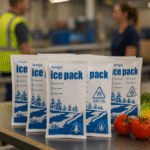
Penyedia kotak keren: Kerangka Evaluasi Penyedia yang Lengkap
Program pembelian yang dapat dipertahankan untuk kotak keren penyedia mengikuti urutan: menentukan produk dan jalur, mengubah ukuran nominal menjadi peta pemuatan, pilih paket lengkap, meninjau bukti khusus konfigurasi, menjalankan pilot dan mengunci kontrol produksi. Urutan tersebut dirancang untuk menentukan dukungan apa yang diberikan penyedia sebelum membandingkan model kotak sambil tetap menjaga pengadaan, kualitas, operasi dan keuangan pada fakta yang sama.
Kerangka kerja terpadu di bawah ini memperlakukan setiap klaim penting sebagai kondisi yang bergantung pada cool box yang sebenarnya, pendingin, muatan, profil lingkungan dan prosedur pengoperasian. Hal ini juga menetapkan gerbang perubahan sehingga substitusi berbiaya rendah atau revisi produksi tidak dapat secara diam-diam menjauhkan produk yang dikirim dari bukti yang digunakan untuk persetujuan..
Buat persyaratan pengiriman satu halaman sebelum meninjau pemasok
Suhu target harus ditentukan untuk produk sebenarnya. Sebuah kotak digambarkan sebagai kemasan rantai dingin tidak secara otomatis cocok untuk setiap pendinginan, pengiriman beku atau suhu ruangan terkontrol. Tentukan kisaran suhu yang dapat diterima, aturan tamasya, membekukan sensitivitas, orientasi muatan dan keputusan penerimaan sebelum meminta pemasok untuk merekomendasikan konfigurasi. Tanpa batasan itu, kutipan hanya dapat menggambarkan perangkat keras, bukan kesesuaian. Untuk makanan, Perawatan kesehatan, laboratorium dan distribusi sensitif suhu umum, ringkasan persyaratan harus menyatakan batasan produk, paparan rute, payload dan keputusan penerimaan sebelum cool box dibandingkan.
Tetapkan pemilik untuk menyetujui persyaratan sebelum pekerjaan desain dimulai. Petakan rute sebagai rangkaian eksposur, bukan waktu transit tunggal. Sertakan pengkondisian dan pementasan sebelum pengiriman, penundaan pemuatan, serah terima kendaraan atau kargo udara, tempat tinggal gudang, bea cukai, pengiriman last-mile dan waktu sebelum penerima membuka paket. Perkiraan durasi maksimum harus mencakup gangguan yang realistis, bukan hanya waktu perjalanan yang direncanakan oleh pengangkut.
Untuk makanan, Perawatan kesehatan, laboratorium dan distribusi sensitif suhu umum, juga mencatat dimensi muatan, massa termal, kerapuhan kemasan primer, orientasi yang diperlukan dan berapa kali tutupnya dapat dibuka. Ukuran internal yang disebutkan bukanlah muatan yang dapat digunakan. Pendingin, jangka pembagi garis, bantalan pelindung, ruang udara dan data logger mengkonsumsi volume, dan geometri lainnya mungkin lebih penting daripada jumlah liter judul. Catat hasilnya dalam laporan pengiriman yang digunakan untuk makanan, Perawatan kesehatan, laboratorium dan distribusi sensitif suhu umum.
Jadikan peta pemuatan sebagai spesifikasi yang terkontrol
Ukuran internal yang dinyatakan biasanya menggambarkan lingkup internal kotor atau kelas pemasaran, bukan ruang yang tersedia untuk produk setelah paket kerja dibuat. Mintalah panjang bagian dalam, lebar dan tinggi pada titik tersempit yang dapat digunakan, termasuk intrusi tutup, dinding meruncing, sumur roda, pegangan atau pembagi. Kemudian buat peta pemuatan skala dengan paket utama dan cairan pendingin yang sebenarnya. Kapasitas kotak pendingin harus disetujui dari peta pemuatan fisik, bukan dari volume katalog saja.
Lepaskan peta pemuatan sebagai bagian terkendali dari spesifikasi komersial. Kapasitas yang dapat digunakan memiliki dimensi termal. Mengganti produk dengan udara kosong akan mengubah kapasitas panas dan pergerakan udara; pengemasan yang berlebihan dapat menghalangi paparan cairan pendingin atau menghancurkan kemasan utama. Muatan uji yang representatif harus sesuai dengan pengiriman produksi dalam geometri, massa dan kondisi awal sedekat mungkin dengan praktiknya. Botol air atau balok logam mungkin bisa digunakan, namun hal ini tidak boleh dianggap setara tanpa pembenaran.
Untuk distribusi komersial, konfirmasikan apakah muatannya merupakan satu kumpulan besar, beberapa karton atau pesanan campuran. Jangka pembagi garis, fitur orientasi dan visibilitas label dapat meningkatkan penanganan tetapi mengurangi kapasitas. Gambar yang disetujui harus menunjukkan apa yang dapat berubah dan apa yang diperbaiki, karena perubahan kecil pada posisi cairan pendingin atau muatan dapat mempengaruhi hasil sensor dan kemampuan pengulangan. Simpan gambar pemuatan yang disetujui dengan spesifikasi kotak pendingin.
Gunakan skenario yang sesuai sebagai tes seleksi akhir
Rute lokal yang pendek dengan kendaraan terkendali dan pulang cepat dapat mengutamakan kebersihan, penanganan dan penggunaan kembali. Penyedia harus membedakan pendingin pelindung umum dari pendingin pengirim terisolasi, paket dengan pengatur suhu pasif dan sistem yang memenuhi syarat rute; labelnya tidak dapat dipertukarkan. Jalur ekspor satu arah mungkin memprioritaskan efisiensi muatan, durasi yang memenuhi syarat dan pembuangan di tempat tujuan. Rute layanan makanan mungkin memerlukan drainase dan pembersihan cepat, sementara distribusi laboratorium mungkin memprioritaskan organisasi sampel dan label lacak balak. Penyedia yang sama mungkin menawarkan opsi yang sesuai, namun logika pengambilan keputusan harus tetap spesifik pada skenario.
Hindari membawa persyaratan dari satu skenario ke skenario lain tanpa bukti. Sebuah kotak yang berkinerja baik ketika terisi penuh mungkin berperilaku berbeda dengan muatan kecil. Model yang tahan lama dalam penggunaan gudang kering mungkin tidak tahan terhadap penumpukan di luar ruangan atau disinfektan yang kuat. Sistem yang dapat digunakan kembali mungkin tidak ekonomis jika tingkat pengembaliannya rendah. Jadikan kriteria topik spesifik sebagai bagian dari catatan desain dan kontrol perubahan.
Ubah risiko spesifik topik menjadi kriteria penerimaan yang terukur untuk cool box. Tulis pernyataan kecocokan singkat untuk opsi yang dipilih: muatannya, rute, musim, paket, rencana pemantauan, penggunaan kembali model dan batasan yang diketahui. Pernyataan ini menjadi batasan yang berguna untuk pelatihan, tinjauan perubahan dan perluasan di masa depan.
Buat gerbang persetujuan sebelum sampel
Penyedia yang mampu harus menanyakan rincian rute dan muatan sebelum menjanjikan kinerja. Dukungan yang berguna mungkin termasuk gambar, deskripsi materi, daftar komponen, contoh saran paket, penjelasan kondisi pengujian, spesifikasi produksi dan komunikasi kontrol perubahan. Cakupan pastinya bervariasi, jadi pembeli harus menentukan kiriman mana yang diperlukan daripada berasumsi setiap penyedia menyediakan layanan teknik yang sama. Tinjauan penyedia harus memperjelas apa yang disediakan, apa yang hanya direkomendasikan dan apa yang tetap menjadi tanggung jawab kualifikasi pembeli.
Menyetujui pemasok atas bukti produk dan komunikasi perubahan yang berkelanjutan. Minta pemasok untuk membedakan fakta yang terverifikasi dari rekomendasi. Gambar dimensi dapat dicek langsung. Klaim termal memerlukan muatan, konfigurasi pendingin, metode pengkondisian, lokasi sensor, profil lingkungan, batas penerimaan dan laporan pengujian. Pernyataan seperti 'kelas farmasi' tidaklah cukup kecuali jika dikaitkan dengan bahan tertentu, permohonan dan dokumen pendukung.
Pertanyaan yang paling terbuka sering kali adalah apa yang menyebabkan pemasok menolak rekomendasinya sendiri. Jawaban yang kredibel mungkin mencakup rute yang tidak ditentukan, muatan berlebihan, pengkondisian awal yang tidak memadai, kontak langsung dengan cairan pendingin beku, durasi yang diperlukan di luar bukti yang tersedia, atau bahan kimia pembersih yang tidak cocok dengan bahannya. Batasan menunjukkan penilaian teknis; klaim kesesuaian universal menyembunyikannya. Tulis batas dukungan yang disepakati ke dalam RFQ dan catatan persetujuan pemasok.
Menyetujui sistem melalui verifikasi bertahap
Laporan termal yang berguna mengidentifikasi revisi kotak yang tepat, metode pendingin dan pengkondisian, muatan atau simulasi, lokasi sensor, profil lingkungan, durasi tes, rentang penerimaan dan hasil. Tanpa detail itu, waktu tunggu yang dinyatakan tidak dapat dibandingkan secara adil. Tanyakan apakah laporan tersebut mewakili pengujian desain, tes kualifikasi, verifikasi lapangan atau demonstrasi pemasaran; masing-masing mendukung tingkat kepercayaan yang berbeda. Bukti kotak pendingin hanya berarti jika revisi yang diuji dan konfigurasi komersialnya sama.
Hubungkan laporan pengujian ke gambar, identitas komponen dan kontrol pembelian. Profil termal standar dapat mendukung perbandingan laboratorium, tapi mereka tidak secara otomatis mereproduksi kondisi terburuk di jalur tertentu. Rute tinggal, Bea Cukai Penundaan, paparan musiman dan praktik serah terima masih perlu ditinjau, dan program berisiko tinggi mungkin memerlukan kualifikasi khusus jalur. ISTA 7E dapat mendukung pengujian dan perbandingan kontainer pengiriman terisolasi, saat digunakan dengan Standar 20 menambahkan kerangka kualifikasi dan dokumentasi yang ditentukan. Masih perlu diputuskan apakah profil parsel standar sesuai dengan modus dan risiko sebenarnya.
Alat pengambilan keputusan yang berguna
Periksa detailnya sebelum Anda memilih kemasan
Alat cepat ini dapat membantu Anda membandingkan risiko rute, kebutuhan ukuran, pilihan pendingin, dan detail kemasan sebelum Anda meminta penawaran.
Pemeriksa Risiko Rute
Tinjau kondisi jalur sebelum memilih kemasan untuk mengetahui kebutuhan pengoperasian sebenarnya.
Periksa risiko rutePemilih Kemasan
Bandingkan opsi kemasan berinsulasi berdasarkan produk, rute, dan kebutuhan suhu.
Temukan kemasannyaPendingin & Referensi PCM
Bandingkan opsi cairan pendingin dan PCM ketika suatu rute memerlukan dukungan suhu tambahan.
Bandingkan pilihanPersyaratan peraturan dan pelanggan bervariasi berdasarkan produk, rute dan pasar. Pembeli harus menerjemahkan persyaratan tersebut ke dalam kriteria penerimaan yang terukur daripada mengandalkan pernyataan kepatuhan umum. Peralatan pemantauan suhu harus sesuai dengan keputusan yang diambil, dipelihara dan dikalibrasi berdasarkan sistem mutu organisasi. File datanya, basis waktu, identitas sensor, batas alarm dan catatan peninjauan harus disimpan ketika nilai pengiriman atau konteks peraturan memerlukan bukti. Tautkan laporannya, data mentah dan peta sensor ke revisi cool box yang tepat.
| Gerbang persetujuan | Keputusan yang harus diambil | Lepaskan bukti |
|---|---|---|
| Gerbang 1: persyaratan | Produk yang disetujui, rute dan muatan singkat untuk makanan, Perawatan kesehatan, laboratorium dan distribusi sensitif suhu umum | Nama pemilik dan masukan yang ditandatangani |
| Gerbang 2: pilihan desain | Kotak pendingin tujuan produksi dan paket lengkap | Menggambar, daftar komponen dan tinjauan risiko |
| Gerbang 3: bukti | Konfigurasi pengujian sesuai dengan spesifikasi komersial | Protokol, data dan laporan |
| Gerbang 4: pilot | Operator dan penerima dapat menjalankan prosesnya | Catatan percobaan, penyimpangan dan tindakan |
| Gerbang 5: peningkatan skala | Kontrol produksi dan aturan perubahan tetap terhubung | Spesifikasi rilis dan tinjauan berkelanjutan |
Jalur persetujuan ini mengintegrasikan keputusan komersial dan teknis untuk penyedia cool box; kedalaman gerbang harus tetap proporsional dengan risiko pengiriman.
Tutup loop dengan penerimaan data
Mulailah dengan sampel yang representatif, bukan unit showroom. Periksa dimensi, penyelarasan tutup, kekuatan kait, kontak paking, cacat permukaan, bau, akses pembersihan, drainase jika ada, adhesi label dan kesesuaian setiap komponen kemasan. Muat muatan sebenarnya atau muatan setara yang dibenarkan, kemudian jalankan pengkondisian yang direncanakan, proses packing dan monitoring dengan operator yang akan menggunakannya. Penggunaan cool box secara rutin tergantung pada pengkondisian, perakitan, penyerahan, langkah-langkah penerimaan dan inspeksi yang dapat diulangi oleh operator.
Instruksi kerja harus menjelaskan pengkondisian cairan pendingin, pengkondisian kotak bila diperlukan, memuat pesanan, posisi pemisah, lokasi sensor, pemeriksaan penutupan, penempatan label, penyerahan, menerima pemeriksaan dan eskalasi penyimpangan. Tutup putaran persetujuan dengan pelatihan operator dan penerimaan umpan balik. Gunakan foto atau diagram yang dapat mengurangi ambiguitas. Pelatihan harus mencakup kesalahan-kesalahan yang umum terjadi sehingga staf dapat mengenalinya, bukan hanya urutan yang benar.
Saat menerima, periksa kondisi fisik sebelum dibuka, menangkap status logger, verifikasi segel atau indikator tamper jika digunakan dan catat kerusakan atau kerusakan yang tidak biasa. Perjalanan suhu adalah keputusan yang berkualitas, bukan alasan bagi operator gudang untuk menebak. Aturan karantina dan eskalasi harus mengidentifikasi siapa yang meninjau data, informasi produk dan riwayat pengiriman. Jadikan prosedur ini praktis bagi orang yang berkemas, membawa, bersihkan dan terima kotaknya.
Pisahkan investasi satu kali dari biaya berulang
Biaya komersial mencakup lebih dari kotak kosong. Elemen berulang mungkin termasuk cairan pendingin, pemisah, liner, Label, Data Loggers, karton luar, paletisasi, pembersihan, inspeksi, transportasi kembali, penyimpanan dan penggantian. Biaya satu kali atau proyek mungkin termasuk pekerjaan desain, perkakas, sampel, gambar, cetakan, perlengkapan tes, studi termal, dokumentasi kualitas dan kualifikasi berjalan. Minta pemasok untuk memisahkan kategori-kategori ini. Model biaya untuk kotak pendingin harus memisahkan pekerjaan proyek satu kali dari paket berulang dan biaya operasional.
Gunakan gerbang biaya sehingga perubahan komersial yang terlambat tidak membatalkan pekerjaan teknis. Kotak dengan harga lebih rendah dapat menimbulkan biaya program yang lebih tinggi bila menggunakan lebih banyak cairan pendingin, mengurangi muatan, tiba secara tidak konsisten, rusak selama penanganan atau memerlukan lebih banyak waktu operator. Sebaliknya, konstruksi berbiaya tinggi tidak serta merta lebih baik jika rutenya pendek, satu arah dan risiko rendah. Bandingkan opsi terhadap muatan yang sama, profil lingkungan, siklus penanganan dan kriteria penerimaan.
Untuk program yang dapat digunakan kembali, menghitung biaya per penyelesaian, pengiriman yang dapat diterima daripada biaya per kotak. Sertakan tingkat pengembalian, kehilangan, pekerjaan kebersihan, inspeksi, memperbaiki, penyimpanan, reposisi dan pensiun. Klaim keberlanjutan harus menggunakan batasan sistem yang sama. Kontainer tahan lama yang jarang dikembalikan atau diangkut secara tidak efisien mungkin tidak memberikan manfaat finansial atau lingkungan yang diharapkan. Normalisasikan kutipan sebelum membandingkan nilai total kotak pendingin.
Pertanyaan yang sering diajukan
Apa gerbang persetujuan utama untuk pengadaan penyedia cool box?
Gunakan gerbang terpisah untuk persyaratan produk dan rute, pemilihan desain, tinjauan bukti, eksekusi percontohan dan rilis produksi. Setiap gerbang harus mengidentifikasi pemiliknya, konfigurasi kotak pendingin yang tepat, catatan yang diperlukan dan risiko yang belum terselesaikan. Hal ini mencegah kemajuan komersial bergerak lebih cepat daripada persetujuan teknis.
Bagaimana paket yang diuji tetap terhubung dengan kotak pendingin makanan yang dibeli, Perawatan kesehatan, laboratorium dan distribusi sensitif suhu umum?
Tautkan laporan pengujian ke gambar yang dikontrol revisi, tagihan bahan, spesifikasi sumber dingin, memuat peta dan kontrol produksi untuk kotak pendingin. Pesanan pembelian dan rencana inspeksi makanan, Perawatan kesehatan, laboratorium dan distribusi sensitif suhu umum harus mengacu pada konfigurasi yang sama. Setiap penggantian atau perubahan proses harus dinilai sebelum diterima.
Apa yang harus didemonstrasikan oleh seorang pilot sebelum melakukan peningkatan skala?
Uji coba ini harus menunjukkan bahwa operator dapat mengkondisikan komponen, merakit paketnya, memuat muatannya, tempatkan logger, tutup kotaknya, mengelola serah terima dan menyelesaikan tinjauan penerimaan makanan, Perawatan kesehatan, laboratorium dan distribusi sensitif suhu umum. Catat penyimpangan dan ubah pelajaran menjadi instruksi terkontrol sebelum produksi rutin.
Apa yang harus dikunci sebelum cool box berpindah ke pembelian rutin?
Kunci revisi produksi, dimensi kritis, termasuk komponen, pemeriksaan kualitas, metode pengepakan, ruang lingkup bukti dan aturan pemberitahuan perubahan. Tim penerima juga harus mengetahui cara memeriksa produk dan melaporkan ketidakcocokan sebelum produk tersebut memasuki operasi rantai dingin.
Apa keputusan komersial akhir untuk kotak pendingin setelah persetujuan teknis?
Normalisasikan konfigurasi, ruang lingkup layanan, bukti, dasar pengepakan dan pengiriman, lalu bandingkan total nilai program. Pilih penyedia yang dapat memasok cool box yang disetujui secara konsisten, mengkomunikasikan perubahan dan mendukung model operasi tanpa memperluas klaim di luar bukti yang tersedia.
Kesimpulan
Jalur persetujuan terintegrasi untuk penyedia cool box bersifat berurutan: menentukan batas produk dan rute, membangun peta pemuatan, pilih paket lengkap, meninjau bukti, menjalankan pilot, mengunci kontrol produksi dan memantau penggunaan rutin. Setiap gerbang harus menjaga hubungan antara spesifikasi komersial dan kinerja teknis.
Perlakukan setiap klaim penting sebagai konfigurasi khusus dan setiap materi, proses, perubahan muatan atau rute sebagai alasan untuk meninjau risiko. Disiplin itu membuat cool box lebih mudah dilatih, mengaudit, skala dan tingkatkan tanpa bergantung pada klaim universal yang tidak didukung.
Tentang tempk
Tempk membantu pembeli berpindah dari rute dan ringkasan muatan menuju sampel kotak pendingin dan spesifikasi komersial yang lebih tepat. Ruang lingkup produknya meliputi kotak es medis, Format pendingin EPP dan VIP, gel dan sumber dingin perubahan fasa, tas terisolasi dan liner, dan perlindungan termal tingkat palet. Pembahasan yang bermanfaat dimulai dengan kondisi target, geometri muatan, rute, metode paket, model pembersihan atau pengembalian dan bukti yang diperlukan sebelum peningkatan skala. Untuk proyek penyedia cool box ini, rekomendasi akhir apa pun masih harus dikonfirmasikan terhadap batasan produk pelanggan, kondisi pengujian dan proses kualitas.
Kirimkan Tempk peta pemuatan kotak keren, asumsi rute dan dokumen yang diperlukan untuk membangun tinjauan sampel hingga produksi yang lebih tepat.