Logistik Bata Keren Berfungsi Paling Baik Saat Anda Mendesain Dari Tanda Terima Mundur
Pengiriman tidak berhasil jika tutupnya ditutup. Hal ini berhasil jika penerima dapat menerima payload dengan bukti bahwa proses yang ditentukan telah diikuti. Hal ini menjadikan tanda terima sebagai titik awal terbaik untuk logistik batu bata yang keren. Putuskan kondisi apa, catatan, dan memeriksa kebutuhan penerima barang; kemudian bekerja mundur melalui serah terima, paparan lingkungan, sedang mengemas, pengkondisian, dan pemilihan produk. Kaku yang dapat digunakan kembali batu bata pendingin dapat mendukung rantai tersebut dengan menambahkan kapasitas termal dalam bentuk yang stabil. Itu tidak dapat memenuhi syarat pengirim, mengatur rentang muatan, atau buktikan apa yang terjadi dalam perjalanan.
Mulailah Dengan Keputusan Penerimaan
Tanyakan kepada tim penerima apa yang menyebabkan mereka menerima, karantina, atau menolak kiriman tersebut. Jawabannya mungkin melibatkan catatan suhu, indikator waktu-suhu, segel utuh, label yang benar, catatan paket keluar, kondisi pendingin, waktu kedatangan, atau bukti visual kerusakan. Untuk beberapa rute makanan, prosesnya mungkin relatif sederhana. Untuk produk obat, vaksin, Diagnostik, atau bahan bernilai tinggi, tinjauan kualitas mungkin lebih formal.
Pandangan ke belakang ini mencegah tim pengemasan mengoptimalkan hasil yang salah. Paket keluar mungkin terlihat rapi saat pengiriman tetapi membuat penerima tidak dapat mengambil data. Seorang logger mungkin mencatat rutenya tetapi duduk di lokasi yang tidak mendukung keputusan yang diinginkan. Sebuah batu bata dapat tetap membeku sebagian pada saat pengiriman sementara muatannya mengalami paparan lokal yang tidak dapat diterima. Tak satu pun dari pengamatan tersebut dapat direduksi menjadi “pendingin masih dingin”.
Definisikan logika penerimaan dalam bahasa sederhana:
Kondisi suhu spesifik produk yang harus dijaga.
Jendela waktu tertutup, termasuk staging dan penanganan pasca persalinan.
Bukti dan pemeriksaan tersedia pada saat diterima.
Orang yang berwenang untuk menafsirkan alarm atau penyimpangan.
Proses disposisi ketika bukti tidak lengkap.
Baru setelah itu Anda dapat mengubah perjalanan tersebut menjadi ringkasan desain termal dan operasional.
Bangun Rantai Bukti, Bukan Daftar Produk
Setiap tahapan harus mempertahankan asumsi yang dibuat oleh tahapan sebelumnya. Tabel berikut menghubungkan keputusan dengan pembuktian.
| Panggung | Keputusan yang harus dikontrol | Bukti berguna atau pengendalian operasi | Sinyal kegagalan |
|---|---|---|---|
| Definisi produk | Jangkauan dan sensitivitas yang diperlukan sudah benar | Informasi produk dan tinjauan kualitas yang disetujui | Staf menggunakan kategori dingin yang umum |
| Definisi rute | Durasi dan risiko sekitar bersifat realistis | Peta jalur termasuk diam, penundaan, dan serah terima | Perkiraan transit tidak termasuk pementasan atau akhir pekan |
| Desain termal | Isolasi, pendingin, muatan, dan pembagi bekerja sama | Konfigurasi yang ditentukan dan data pengembangan | Klaim komponen menggantikan bukti sistem |
| Pengkondisian | Batu bata dimulai dalam kondisi yang disetujui | Instruksi peralatan, pemisahan stok, pemeriksaan pelepasan | Waktu beku atau waktu freezer yang telah berlalu adalah satu-satunya pemeriksaan |
| Pengepakan | Kuantitas, penempatan, pemisahan, dan penutupan dapat diulang | Instruksi kerja visual dan catatan penyelesaian | Pengemas berimprovisasi ketika muatannya berubah |
| Mengangkut | Pengiriman mengikuti rute yang dikendalikan dan rencana penanganan | Instruksi pembawa, segel, pelacakan, pemantauan sebagaimana dibenarkan | Tempat tinggal yang tidak dimiliki atau penanganan ulang yang tidak terduga |
| Penerimaan dan pengembalian | Penerimaan dan pemulihan aset telah selesai | Inspeksi, tinjauan data, jalur karantina, pemindaian kembali | Payload diterima sebelum bukti ditinjau |
Tabel ini berguna karena memperlihatkan lompatan yang tidak didukung. Jika waktu rute tidak ditentukan, klaim waktu tunggu tidak memiliki arti operasional. Jika pengondisian batu bata tidak terkontrol, hasil uji termal mungkin tidak mewakili pekerjaan sehari-hari. Jika penerima barang tidak dapat bertindak berdasarkan data logger, pemantauan menjadi catatan tanpa keputusan.
Ubah Rute Menjadi Amplop Termal
Selubung termal menggambarkan tantangan panas yang harus diatasi oleh paket tersebut. Ini mencakup rangkaian produk yang dibutuhkan, suhu awal, waktu keseluruhan, kondisi sekitar, jalur perpindahan panas, dan margin untuk variasi yang kredibel. Ini harus mencakup lebih dari jalur transportasi yang dijadwalkan.
Pisahkan jamnya
Setidaknya empat jam dapat berjalan dalam satu pengiriman:
Waktu muatan di luar penyimpanan terkontrol selama pengambilan dan pengepakan.
Waktu pementasan cairan pendingin setelah pengkondisian.
Transportasi pengirim tertutup dan waktu tunggu.
Waktu kedatangan hingga penyimpanan di tempat tujuan.
Menggabungkan hal-hal tersebut menjadi satu “waktu pengiriman” yang optimis menyembunyikan risiko. Rute lokal mungkin memerlukan sedikit perjalanan tetapi menunggu lama di dermaga. Sebuah parsel mungkin tiba sesuai jadwal dan masih tetap diterima. Desainnya harus menggunakan periode pemaparan total yang dapat dibenarkan dan batasan yang ditetapkan dengan jelas.
Perlakukan risiko panas dan dingin secara terpisah
Isolasi memperlambat pergerakan panas; ia tidak memutuskan arah mana yang aman. Cairan pendingin yang membeku di dekat produk sensitif dapat menimbulkan titik dingin meskipun panas dari luar masuk melalui dinding. Pengemasan memerlukan pengondisian cairan pendingin yang sesuai, jarak, jangka pembagi garis, dan penempatan muatan. Panduan vaksin WHO, Misalnya, memperingatkan bahwa vaksin yang sensitif terhadap pembekuan dapat rusak jika bersentuhan dengan kemasan beku. Pelajaran umum yang bisa diambil adalah mengikuti instruksi khusus produk daripada menganggap suhu dingin lebih aman.
Gunakan fisika tanpa berpura-pura bahwa model adalah rutenya
Pendingin menyerap panas yang masuk akal saat suhunya naik. Jika berubah fase, ia dapat menyerap panas laten selama transisi itu. Massa, kapasitas panas, perilaku fase, dan negara bagian awal semuanya berkontribusi pada anggaran energi. Geometri mengontrol seberapa cepat panas mencapai cairan pendingin dan di mana gradien lokal terbentuk.
Konsep-konsep ini membantu desain layar. Mereka tidak membuktikan durasinya. Jahitan, saluran udara, kepadatan muatan, acara pembukaan, variasi manufaktur, dan penanganan nyata memperumit model. Gunakan perhitungan untuk mengajukan pertanyaan yang lebih baik, pengujian untuk mengevaluasi perakitan, dan pemantauan untuk mempelajari apakah operasi sesuai dengan desain.
Tentukan Bata sebagai Bagian Rekayasa
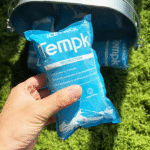
Deskripsi pembelian seperti “biru batu bata es yang dapat digunakan kembali” tidak cukup untuk pengepakan yang terkontrol. Spesifikasi harus mengidentifikasi fitur-fitur yang penting agar sesuai, perilaku termal, penahanan, penanganan, dan kontrol versi.
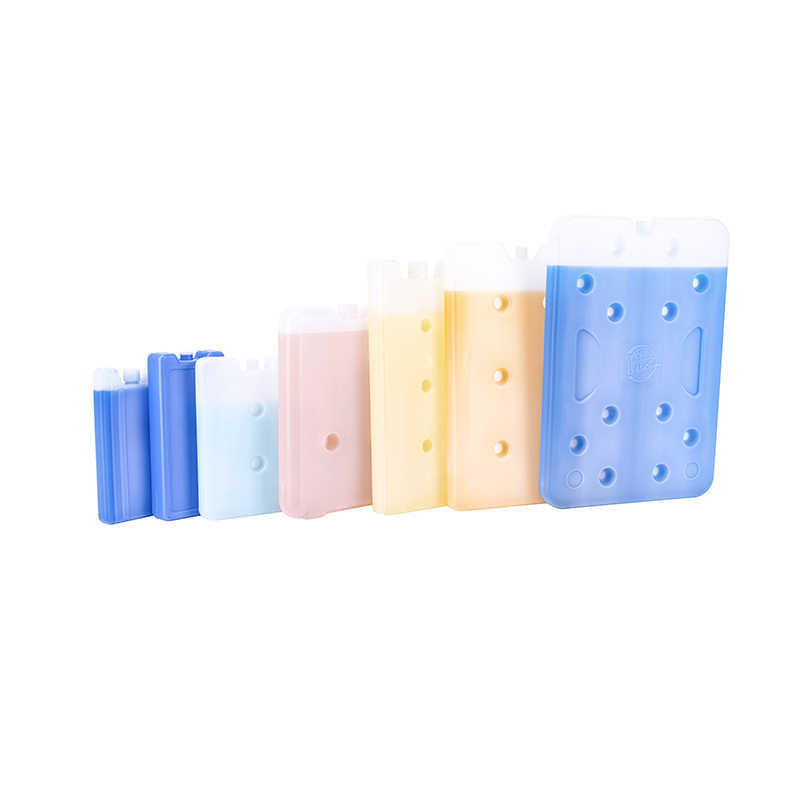
Konfirmasikan dimensi eksternal, bukan volume nominal saja. Sertakan massa yang terisi atau toleransi yang disepakati jika itu penting. Identifikasi bahan cangkang, desain tutup atau penutup, isi atau rumus PCM, label, warna, dan kemasan karton. Pengkondisian negara, penyimpanan, pembersihan, dan ekspektasi inspeksi. Jika batu bata ditempatkan di ceruk yang dibentuk, tentukan geometrinya dengan cukup ketat agar tetap fit.
Volume nominal bisa jadi ambigu. Ini mungkin menggambarkan pengisian internal, kapasitas yang diiklankan, atau keluarga produk. Hilangnya muatan yang dapat digunakan tergantung pada perpindahan luar batu bata dan jarak yang dibutuhkan. Ukur dalam wadah yang dituju.
Kontrol formula penting karena dua cangkang identik dapat berisi cairan pendingin dengan perilaku berbeda. Gunakan pelabelan atau warna cangkang untuk mengurangi campur aduk, tetapi dukung isyarat visual dengan pembelian dan kontrol lot. Tanyakan bagaimana pemasok mengelola formula, topi, damar, cetakan, label, atau perubahan kemasan. Perubahan yang tampak kecil secara komersial dapat mempengaruhi pengondisian, bugar, risiko kebocoran, atau kinerja termal.
Batu bata dingin yang kaku sering kali dipilih karena geometrinya yang berulang. Lindungi keunggulan itu dengan mengendalikan pergantian pemain. Fleksibel paket gel bermassa serupa tidak secara otomatis setara. Bata yang lebih tebal dengan volume nominal yang sama dapat mengubah luas permukaan dan aliran udara. Spesifikasi fase PCM yang berbeda dapat mengubah wilayah suhu tempat panas laten diserap.
Alat pengambilan keputusan yang berguna
Periksa detailnya sebelum Anda memilih kemasan
Alat cepat ini dapat membantu Anda membandingkan risiko rute, kebutuhan ukuran, pilihan pendingin, dan detail kemasan sebelum Anda meminta penawaran.
Pendingin & Referensi PCM
Bandingkan opsi cairan pendingin dan PCM ketika suatu rute memerlukan dukungan suhu tambahan.
Bandingkan pilihanPemilih Kemasan
Bandingkan opsi kemasan berinsulasi berdasarkan produk, rute, dan kebutuhan suhu.
Temukan kemasannyaKetahanan Jatuh Bahan Isolasi
Tinjau ketahanan jatuh dan faktor penanganan sebelum memilih bahan insulasi.
Periksa resistensiJadikan Pengkondisian dan Pengemasan Dapat Diamati
Seorang operator harus dapat mengetahui kondisi batu bata tersebut, di mana tempatnya, dan apa yang harus dilakukan ketika ada sesuatu yang salah. Jika keputusan tersebut hanya hidup dalam laporan teknis, proses gudang akan melayang.
Instruksi pengkondisian harus mencakup peralatan, pengaturan pemuatan, metode persiapan, kriteria rilis, memanggungkan, dan pemisahan stok. Jangan berasumsi tampilan freezer sama dengan suhu inti batu bata. Aliran udara, pemulihan, penumpukan batu bata, dan keadaan masuk semuanya mempengaruhi kesiapan. Ketika ada beberapa rumus PCM, beri mereka lokasi penyimpanan terpisah dan identifikasi yang jelas.
Instruksi paket harus menunjukkan perakitan tiga dimensi yang lengkap. Identifikasi bagian bawah, samping, dan batu bata atas; orientasi; muatan; jangka pembagi garis; logger; bahan pengisi; tutup; segel; dan label. Sertakan respons yang disetujui untuk muatan berukuran kecil atau besar. Jika tidak, pengemas akan memecahkan masalah kesesuaian dengan melepas komponen atau mengompresi wadah.
Gunakan kontrol yang sesuai dengan mode kegagalan. Lembar penghitungan menangkap batu bata yang hilang tetapi penempatannya tidak salah. Sebuah foto dapat mengkonfirmasi penempatannya tetapi mungkin tidak membuktikan rumusnya. Pemindaian dapat mengkonfirmasi identitas tetapi tidak dapat mengondisikan. Menggabungkan beberapa kontrol sederhana seringkali lebih kuat daripada menambahkan satu teknologi yang rumit.
Lima pengiriman pertama adalah tes pelatihan
Pengiriman produksi awal menunjukkan apakah desainnya praktis. Amati berapa lama waktu pengepakan, instruksi mana yang menimbulkan keragu-raguan, apakah batu bata menjadi tercampur, bagaimana tutupnya menutup, di mana kondensasi muncul, dan cara kerja penerimaan dan pengembalian. Pengamatan ini tidak menggantikan kualifikasi, namun mereka dapat mengungkap permasalahan manusia dan material sebelum volumenya meningkat.
Sesuaikan Kualifikasi dan Pemantauan dengan Risiko
Kualifikasi adalah demonstrasi terdokumentasi bahwa sistem tertentu berfungsi sebagaimana mestinya dalam kondisi tertentu. Cakupannya dapat berbeda menurut organisasi, produk, dan pasar. Untuk a pengirim pasif, sistem yang dikendalikan mungkin termasuk wadah, model dan kuantitas pendingin, pengkondisian, muatan, pengatur jarak, penutup, profil lingkungan, lokasi sensor, dan kriteria penerimaan.
ISTA 7E relevan dengan pengujian paparan termal pada masing-masing produk yang dikemas dalam jaringan pengiriman paket dan dapat mendukung pengirim terisolasi pengujian. Ini harus diterapkan dalam lingkup yang dimaksudkan. Profil pengujian tidak menjamin setiap rute, dan referensi ISTA tidak boleh dilampirkan begitu saja pada satu batu bata yang keren.
Harapan praktik distribusi yang baik untuk produk obat mengarahkan perhatian pada pemeliharaan kondisi penyimpanan yang diperlukan dalam transportasi dan penggunaan pengendalian berbasis risiko. Panduan teknis WHO juga membahas pengondisian, memuat, penanganan, pemantauan, dan kualifikasi peti kemas. Oleh karena itu, pernyataan yang bertanggung jawab bersifat spesifik: paket bernama dievaluasi untuk aplikasi yang ditentukan. “Cairan pendingin yang memenuhi standar global” bukanlah kesimpulan teknis yang berguna.
Strategi pemantauan harus menjawab keputusan. Tentukan apakah data diperlukan untuk kualifikasi, karakterisasi rute, rilis rutin, penyelidikan pengecualian, atau perbaikan berkelanjutan. Konfirmasikan keakuratan logger, kalibrasi, interval perekaman, ambang batas alarm, mulai penundaan, penempatan, kesesuaian baterai, sinkronisasi waktu, dan pengambilan data. Jangan membuat atau menyalin spesifikasi logger dari aplikasi lain.
Saat diterima, pohon keputusan tertulis harus mengatasi kekhawatiran, data yang hilang, sensor rusak, kedatangan terlambat, segel rusak, dan penyimpangan paket. Data suhu memerlukan konteks produk dan kualitas; alarm adalah sinyal untuk ditinjau, tidak selalu merupakan kesimpulan otomatis tentang disposisi produk.
Rancang Lingkaran Penggunaan Kembali dengan Lingkaran Keluar
Batu bata yang dapat digunakan kembali mempunyai potensi lingkungan dan ekonomi hanya jika batu tersebut dapat dikembalikan dan tetap dapat digunakan. Sebelum peningkatan skala, menentukan jumlah unit yang dibutuhkan di lima negara bagian: siap, dalam perjalanan, menunggu kembali, menunggu pembersihan, dan pengkondisian. Tambahkan penyangga yang dibenarkan untuk variasi permintaan dan penghentian daripada berasumsi setiap batu bata yang dibeli siap dikirim.
Kriteria inspeksi harus cukup obyektif agar staf yang berbeda dapat menerapkannya secara konsisten. Retak, menonjol, kebocoran, kerusakan penutupan, identifikasi yang tidak dapat dibaca, residu yang tidak normal, atau perubahan massal yang tidak dapat dijelaskan mungkin memerlukan segregasi. Pembersihan harus sesuai dengan cangkangnya, topi, label, dan mengisi penahanan. Tentukan pengeringan dan penyimpanan sehingga unit bersih tidak tercampur saat dikembalikan.
Untuk keputusan keberlanjutan, membandingkan layanan daripada objek. Layanan ini merupakan pengiriman yang berhasil dikontrol suhunya, bukan kepemilikan barang yang dapat digunakan kembali. Pertimbangkan produksi material, pengepakan masuk, energi pengkondisian, transportasi keluar, gerakan kembali, pencucian, kehilangan, kerusakan, dan akhir kehidupan. Penggunaan kembali sering kali sejalan dengan prioritas pengurangan sumber ketika loop berfungsi dengan baik, tetapi hasil spesifik rute bergantung pada sirkulasi aktual.
Lacak data yang dapat meningkatkan kinerja biaya dan lingkungan: tingkat pengembalian, waktu penyelesaian, sumber kerusakan, pengecualian pembersihan, pembelian pengganti darurat, dan menyelesaikan penggunaan sebelum pensiun. Hindari menjanjikan jumlah penggunaan kembali yang tetap kecuali hal tersebut didukung oleh produk dan kondisi penggunaan.
Pilot Dirancang Dari Tanda Terima Mundur
Bayangkan distributor layanan kesehatan mengirimkan a produk yang sensitif terhadap suhu ke beberapa klinik. Klinik memerlukan proses penerimaan yang jelas, dan distributor menginginkan kemasan bata kaku yang dapat digunakan kembali. Tidak ada nomor kinerja rute yang diasumsikan.
Proyek ini dimulai di klinik. Penerima harus memeriksa segelnya, mengambil catatan suhu, konfirmasi identitas pengiriman, dan pindahkan produk ke tempat penyimpanan yang sesuai. Jalur pengecualian mengidentifikasi siapa yang harus dihubungi dan di mana menyimpan produk saat data ditinjau.
Bekerja mundur, tim memetakan rute langsung dan rute transfer. Ini termasuk pementasan farmasi, koleksi kurir, tinggal depo, kedatangan klinik, dan pengiriman setelah jam kerja. Grup termal memilih calon bentuk bata berdasarkan geometri kontainer aktual dan pola muatan. Tinjauan kualitas batasan produk dan risiko paparan dingin.
Uji coba pengembangan membandingkan konfigurasi dengan muatan yang representatif. Tim mengevaluasi lokasi yang hangat dan dingin, penutup, kelayakan pengkondisian, dan penanganan operator. Sebuah protokol kemudian mendefinisikan majelis yang dipilih, profil, sensor, Kriteria penerimaan, dan metode operasi yang disetujui. Uji coba rute menggunakan pemantauan untuk memeriksa pelaksanaan serah terima.
Pilot kembali berjalan secara bersamaan. Klinik memindai atau mencatat pengembalian kotak kosong, depo memeriksa dan membersihkan batu bata, dan stok terkondisi dipisahkan dari pengembalian. Data menunjukkan di mana aset menunggu dan mengapa unit ditolak. Hanya setelah proses outbound dan reverse dapat diterapkan barulah pengadaan dapat memperluas skala programnya.
Uji coba berhasil karena “kesesuaian” mencakup keputusan penerimaan, bukti termal, pekerjaan sehari-hari, dan pemulihan aset. Memilih batu bata merupakan salah satu langkah penting dalam desain itu.
Pertanyaan yang Menyelesaikan Keputusan Sulit
Sebaiknya pembeli meminta formula PCM yang paling dingin?
TIDAK. Mintalah formula dan pendekatan pengkondisian yang sesuai dengan jangkauan muatan yang diizinkan dan desain paket. Permukaan yang lebih dingin dapat meningkatkan risiko pembekuan atau pendinginan berlebihan. Bukti yang berguna berkaitan dengan formula sebenarnya, massa, penempatan, isolasi, muatan, profil lingkungan, dan kriteria penerimaan, bukan klaim bahwa lebih rendah selalu lebih kuat.
Bagaimana seharusnya pernyataan waktu tunggu pemasok dinilai?
Minta konteks lengkapnya: wadah, jenis dan jumlah bata, pengkondisian, muatan, kondisi awal, profil lingkungan, posisi sensor, metode pengujian, dan lulus kriteria. Bandingkan kondisi tersebut dengan jalur Anda. Jika detail penting berbeda, perlakukan pernyataan tersebut sebagai informasi latar belakang dan evaluasi konfigurasi yang diinginkan daripada mentransfer durasinya.
Apa yang membuat paket dapat diulang?
Pengulangan berasal dari komponen yang dikontrol dan pekerjaan yang dapat diamati. Gunakan model bata yang teridentifikasi, pengkondisian yang jelas, posisi tetap, pola muatan yang ditentukan, pemisah yang diperlukan, instruksi visual, inspeksi, dan aturan pengecualian. Pelatihan dan observasi berkala penting. Bata kaku mendukung pengulangan melalui geometri yang stabil, tetapi kontrol proses menciptakannya.
Kapan suatu perubahan perlu ditinjau?
Tinjau perubahan yang dapat memengaruhi perilaku termal, bugar, penahanan, identifikasi, penanganan, atau bukti. Contohnya termasuk rumus pengisian baru, resin cangkang, topi, cetakan, jumlah batu bata, proses pengkondisian, isolasi, pembagi, muatan, rute, atau profil sekitar. Kedalaman penilaian harus berbasis risiko dan diatur oleh proses kualitas Anda.
Bisakah pemantauan menggantikan kualifikasi paket?
TIDAK. Kualifikasi mengevaluasi apakah sistem yang ditentukan mampu dalam kondisi tertentu. Pemantauan rutin mencatat pengiriman di lokasi yang dipilih. Pemantauan dapat memverifikasi eksekusi dan mengungkapkan pengecualian, tapi itu tidak mendesain ulang paket yang tidak memadai. Kedua kegiatan tersebut menjawab pertanyaan-pertanyaan yang saling melengkapi.
Keputusan akhir: Kendalikan Seluruh Perjalanan
Program logistik batu bata keren terkuat dimulai dengan keputusan penerimaan penerima dan bekerja mundur. Ini mendefinisikan batas produk, rute, amplop termal, spesifikasi batu bata, pengkondisian, berkemas, kualifikasi, pemantauan, respons pengecualian, dan mengembalikan loop sebagai satu proses yang terhubung.
Pendekatan tersebut juga menciptakan standar pembelian yang lebih jelas. Pilih batu bata yang geometrinya, bahan, mengisi, identifikasi, dan pengepakan dapat dikontrol di dalam sistem yang dimaksudkan. Membutuhkan bukti dengan syarat yang disebutkan. Kemudian amati pekerjaan sehari-hari dan kelola perubahan. Hasilnya bukanlah cairan pendingin ajaib; itu adalah proses pengiriman yang bisa dijelaskan, ulang, dan ditingkatkan.
Tentang tempk
Persediaan sementara batu bata es yang dapat digunakan kembali dan pelat es PCM untuk Tas yang lebih dingin, kotak medis, karton terisolasi, dan tata letak paket yang berulang. Rangkaian produk publiknya meliputi batu bata es HDPE. Proyek dapat disesuaikan berdasarkan volume, bentuk cetakan, desain topi, warna cangkang, rumus PCM, pelabelan, dan kemasan karton. Pilihan-pilihan tersebut dapat menunjang kebugaran fisik, identifikasi rumus, dan standarisasi gudang. Tempk dapat membantu menyusun diskusi komponen yang sesuai, sementara pembeli tetap bertanggung jawab untuk mencocokkan sistem lengkap dengan batas muatan, kondisi rute, kualifikasi, pemantauan, dan persyaratan yang berlaku.
Siap untuk menentukan komponen di dalam sistem terkontrol? Bagikan muatan Anda, isolasi, kisaran suhu, rute, proses pengkondisian, gambar paket, dan rencana kembali dengan Tempk untuk diskusi sampel terfokus.