Paket Vaksin Cool Brick Membutuhkan Lima Gerbang Pelepasan
Pengiriman tidak boleh dikeluarkan karena batu batanya beku, tutupnya menutup, dan layar menunjukkan suhu awal yang baik. Paket vaksin yang keren hanya siap jika lima keputusan terkait telah disetujui: persyaratan produk, kompatibilitas wadah, persiapan dan penempatan cairan pendingin, bukti kinerja, dan pengendalian operasional. Pendekatan berbasis gerbang ini menjaga agar komponen kecil yang dapat digunakan kembali tidak disalahartikan sebagai keseluruhan rantai dingin. Ini juga memberikan pengadaan, kualitas, dan tim lapangan satu pertanyaan bersama saat pengiriman: apakah kita menggunakan sistem persis seperti yang telah ditinjau untuk vaksin ini dan rute ini?
Model rilis lima gerbang
Gerbangnya sengaja dibuat berurutan. Sebuah tim yang memulai dengan kutipan cairan pendingin mungkin menghabiskan waktu untuk menguji konfigurasi yang tidak akan pernah didukung oleh instruksi vaksin atau desain pembawa. Mulailah dengan muatannya, kemudian bekerja ke luar.
Gerbang 1: Persyaratan vaksin bersifat eksplisit
Catat produk persisnya, presentasi, dan instruksi penanganan terkini. Banyak vaksin yang disimpan di lemari es menggunakan suhu 2°C hingga 8°C, namun tidak semua vaksin memiliki rentang tersebut. Beku dan sangat dingin produk ada, dan produk individual dapat memiliki transportasi khusus, perlindungan cahaya, pencairan, pengenceran, atau kondisi di luar penggunaan. Informasi terkini dari produsen dan peraturan program imunisasi yang berlaku menentukan persyaratannya.
Hindari menulis “vaksin” sebagai satu item baris dalam spesifikasi rute. Cantumkan setiap produk yang boleh masuk ke operator. Konfirmasikan apakah pengencer ikut serta dan apakah persiapannya menimbulkan kekhawatiran yang membekukan. Jika produk beku diijinkan untuk menghabiskan waktu terbatas dalam kondisi pendingin, transportasi mungkin termasuk dalam tunjangan itu. Oleh karena itu, catatan rilis harus menghubungkan waktu habis penyimpanan dengan batas spesifik produk.
Gerbang 1 juga mendefinisikan amplop muatan. Sebutkan beban minimum dan maksimum, kemasan sekunder, dimensi yang dapat digunakan, kondisi awal, dan jumlah dosis yang diharapkan. Paket yang memenuhi syarat dengan muatan penuh yang padat tidak boleh dianggap melindungi muatan parsial yang kecil. Ruang kosong mengubah aliran panas dan memungkinkan karton atau penjarak bergeser.
Gerbang 1 gagal kapan: produk hanya diidentifikasi berdasarkan penyakit, semua vaksin ditempatkan dalam wadah berpendingin generik, pengencer diabaikan, atau konfigurasi beban yang disetujui tidak diketahui.
Gerbang 2: Wadah dan cairan pendingin berada dalam konfigurasi yang sama
Batu bata dingin adalah komponen penyimpan panas. Itu membutuhkan pembawa yang terisolasi, kotak dingin, kotak medis, atau pengirim yang memenuhi syarat disekitarnya. Itu tidak menyediakan isolasi, pemantauan, kontrol rute, atau bukti kepatuhan itu sendiri.
Kategori PQS WHO E004 mencakup cold box, pembawa vaksin, dan pasif lainnya wadah terisolasi untuk pengangkutan vaksin atau penggunaan sementara. Alamat E005 paket pendingin digunakan dengan produk tersebut. Hubungan katalog itu penting: paket yang kompatibel, kuantitas, posisi, dan instruksi berkontribusi terhadap kinerja kontainer yang terdaftar. WHO mengakui standar tersebut 0.3, 0.4, Dan 0.6 ukuran paket pendingin liter untuk produk transportasi yang terdaftar di E005, namun mencocokkan salah satu volume tersebut tidak memberikan status WHO yang lain atau membuatnya cocok untuk operator mana pun.
Untuk maskapai penerbangan yang terdaftar di WHO, gunakan paket dan instruksi yang ditentukan kecuali diizinkan, proses perubahan yang didukung menetapkan sebaliknya. Untuk pengirim yang memenuhi syarat komersial atau paket yang dikembangkan secara lokal, memelihara catatan konfigurasi yang mengidentifikasi wadah yang tepat, isolasi, bata atau pelat PCM, hambatan, pengaturan muatan, penutup, dan memantau. Penampilan serupa bukanlah kesetaraan.
Fit memerlukan pemeriksaan fisik. Ukur ruang internal dengan muatan dan penghalang yang diinginkan. Pastikan tutupnya tertutup tanpa mengompres botol, topi yang menekankan, atau menggantikan spacer. Pastikan bahwa batu bata kaku tidak dapat berpindah ke kontak langsung selama getaran atau pengangkutan. Jika geometri komponen berubah, memperlakukan perubahan tersebut sebagai dampak potensial terhadap kinerja.
Gerbang 2 gagal kapan: batu bata yang lepas disebut pembawa vaksin, pendingin umum menggantikan peralatan yang memenuhi syarat, volume standar digunakan sebagai bukti daftar WHO, atau model cairan pendingin tidak dapat ditelusuri ke tata letak yang dirilis.
Gerbang 3: Keadaan termal dan penempatannya dapat direproduksi
“Dingin” bukanlah instruksi persiapan. Paket air dapat digunakan dalam keadaan beku sepenuhnya, dikondisikan setelah pembekuan, didinginkan tanpa membeku, atau dihangatkan untuk pengoperasian di iklim dingin. Pelat PCM yang direkayasa mengikuti persiapan fase formula spesifiknya sendiri. Negara-negara ini menerapkan batasan termal yang berbeda pada muatan.
Paket air beku yang dikondisikan tidak sama dengan paket air dingin. Pengondisian dimulai dengan air beku dan menggunakan proses pemanasan tertentu sebelum dimasukkan. Paket keren dimulai di wilayah berpendingin. Paket hangat memiliki fungsi perlindungan yang berbeda dalam kondisi dingin. Staf memerlukan metode khusus operator, kriteria kesiapan yang dapat diamati, waktu pementasan yang diijinkan, dan pemisahan status.
Pembawa vaksin pencegah pembekuan memecahkan masalah operasi tertentu melalui desainnya. Panduan WHO menjelaskan batasan antara kantong air yang sepenuhnya beku dan kompartemen vaksin, memungkinkan penggunaan kemasan beku yang diinstruksikan tanpa pengkondisian awal biasa. Penghalang pengangkut dan metode pemuatan sangat penting. Lapisan improvisasi dalam kotak biasa bukanlah bukti pencegahan pembekuan.
PCM juga bukan jalan pintas dalam pengendalian proses. Identifikasi rumus atau rentang terkendali, konfigurasi shell dan isi, peralatan persiapan, durasi pementasan atau kondisi rilis, dan mentransfer waktu ke pemuatan. Piring mungkin padat pada permukaannya dan belum matang sempurna pada bagian tengahnya. Pisahkan unit siap pakai dari unit pengembalian dan unit dalam proses sehingga operator tidak dapat memilih hanya dengan sentuhan atau warna.
Penempatan mengontrol konduksi. Spacer atau pembatas yang telah diuji membatasi kontak dingin langsung, sementara tata letak yang stabil mempertahankan jalur panas yang diinginkan. Catat orientasi setiap bata dan posisi muatannya. Foto atau diagram sangat berharga karena frasa seperti “tempat di sekitar vaksin” memberikan terlalu banyak ruang untuk variasi shift-to-shift.
Gerbang 3 gagal kapan: SOP hanya memberikan waktu tunggu tanpa kriteria kesiapan, beku Paket gel ganti PCM yang ditentukan, ada penghalang yang hilang, atau operator tidak dapat membedakan komponen siap pakai dan tidak siap.
Gerbang 4: Bukti kinerja dan pemantauan sesuai dengan rute
Kualifikasi menanyakan apakah sistem yang dirakit dapat mempertahankan kondisi yang diperlukan dalam tantangan yang ditentukan. Itu harus mengidentifikasi wadahnya, jumlah dan status cairan pendingin, muatan, hambatan, sensor, profil lingkungan, lamanya, mengakses acara, dan kriteria penerimaan. Laporan ini mendukung konfigurasi dan ketentuan tersebut, tidak semua rute menggunakan batu bata yang sama.
ISTA Standard 7E menawarkan profil panas dan dingin untuk termal kemasan transportasi dalam sistem pengiriman paket. Hal ini dapat mendukung evaluasi ketika mode distribusi tersebut relevan. Ini tidak memenuhi syarat komponen pendingin secara terpisah, dan jalur dengan paparan sisi udara yang panjang, kendaraan berpendingin, segmen berjalan, atau akses penjangkauan yang berulang mungkin memerlukan bukti lain atau tambahan.
Pengujian pengembangan harus memetakan kemungkinan lokasi panas dan dingin dengan sensor yang dikalibrasi. Begitulah cara sebuah tim menemukan batas dingin di dekat batu bata, titik hangat di bawah tutupnya, atau pergeseran yang disebabkan oleh beban parsial. Perangkat pemantau suhu operasional kemudian dapat ditempatkan di lokasi yang sesuai dengan desain yang dipetakan.
Juli CDC 2026 toolkit mendukung pemantauan suhu berkelanjutan untuk pengangkutan vaksin, sebaiknya pencatat data digital (HAL-HAL) mampu menunjukkan pembacaan minimum dan maksimum. Probe dengan buffer yang ditempatkan bersama vaksin mencerminkan muatannya dengan lebih baik daripada tampilan yang dibiarkan di luar kotak. Pemilihan perangkat harus mencakup rentang pengukuran yang diperlukan, status kalibrasi, interval pencatatan, ingatan, jam, baterai, dan pengambilan data.
Alat pengambilan keputusan yang berguna
Periksa detailnya sebelum Anda memilih kemasan
Alat cepat ini dapat membantu Anda membandingkan risiko rute, kebutuhan ukuran, pilihan pendingin, dan detail kemasan sebelum Anda meminta penawaran.
Referensi Bahan Isolasi
Bandingkan pilihan bahan insulasi untuk kebutuhan pengemasan rantai dingin yang berbeda.
Bandingkan bahanPendingin & Referensi PCM
Bandingkan opsi cairan pendingin dan PCM ketika suatu rute memerlukan dukungan suhu tambahan.
Bandingkan pilihanPelapis Kotak & Ukuran Penutup Palet
Centang kotak logika ukuran penutup palet dan liner untuk proyek pengemasan berinsulasi.
Perkiraan ukuranPemantauan tidak menyelamatkan paket yang lemah. Ini mencatat apa yang terjadi. Tentukan siapa yang memulai logger, memeriksa identitasnya, mencatat pembacaan pengiriman, ulasan alarm, mengunduh data, dan memutuskan apakah catatannya sudah lengkap. Jika dicurigai ada tamasya, simpan vaksin dalam kondisi yang benar, tandai untuk tidak digunakan, besaran dan durasi dokumen, dan ikuti proses penilaian yang sesuai daripada langsung membuangnya.
Gerbang 4 gagal kapan: lembar data komponen diperlakukan sebagai kualifikasi rute, klaim durasi tidak memiliki kondisi pengujian, penebang kayu duduk bersandar pada batu bata tanpa alasan, atau tidak ada yang memiliki tinjauan data.
Gerbang 5: Orang bisa mengeksekusi, menerima, dan ulangi sistemnya
Bahkan paket yang telah teruji dengan baik pun bisa gagal melalui pementasan, penyerahan, atau menerima. SOP harus cukup singkat untuk digunakan dan cukup rinci untuk direproduksi. Tetapkan staf terlatih dan cadangan untuk persiapan, sedang mengemas, penggerak, kuitansi, dan respon ekskursi. Catat identitas kontainer dan logger, inventaris vaksin, memuat revisi, waktu pengiriman, serah terima, waktu kedatangan, dan perpindahan penyimpanan.
Transportasi rutin, pengiriman operator profesional, dan relokasi darurat memerlukan keputusan tersendiri. Panduan CDC saat ini lebih memilih unit vaksin portabel bertenaga listrik atau wadah dan kemasan yang memenuhi syarat untuk transportasi penyedia. Metode botol air berkondisi sementara ini termasuk dalam penggunaan darurat tertentu, bukan sosialisasi rutin. Pengiriman material dari produsen merupakan pilihan darurat terakhir dalam kerangka tersebut, dan pendingin makanan rumah tangga bukanlah penggantinya.
Penerimaan adalah bagian dari kontrol termal. Tempat tujuan harus memiliki staf yang terlatih dan tempat penyimpanan yang sesuai. Pada saat kedatangan, memeriksa kondisi fisik, keamanan, memantau status, identitas produk, kuantitas, dan tanggal. Segera tinjau catatan suhu dan pindahkan vaksin ke tempat penyimpanan produk yang diperlukan. Jangan letakkan pengirim yang belum dibuka di lemari es; cairan pendingin di dalam kotak dapat menyebabkan suhu produk lokal menjadi terlalu rendah.
Untuk batu bata yang dapat digunakan kembali, tambahkan proses sebaliknya: pemulihan, pembersihan, pengeringan, inspeksi, karantina, persiapan ulang, dan penghapusan di akhir masa pakainya. Tolak bocor, retak, bengkak, terdistorsi, terkontaminasi, atau unit yang tidak dapat diidentifikasi. Lacak rumus, cetakan, topi, label, dan batch atau revisi pada tingkat yang sesuai dengan risiko. Kode warna dapat membantu operator, namun hal ini harus mendukung dan bukan menggantikan identifikasi yang dapat dilacak.
Kontrol perubahan menutup gerbang. Volume bata baru, rumus PCM, geometri cangkang, topi, pembawa, muatan, pengatur jarak, lokasi pencatat, rute, atau metode pengkondisian dapat membatalkan asumsi. Tinjau setiap perubahan dan putuskan apakah dokumentasi, pengujian yang ditargetkan, atau diperlukan rekualifikasi penuh.
Gerbang 5 gagal kapan: situs penerima tidak siap, metode darurat menjadi rutin, pemeriksaan bypass batu bata yang dikembalikan, atau substitusi pemasok mulai digunakan tanpa peninjauan.
Satu tabel rilis untuk kualitas dan pengoperasian
| Gerbang pelepasan | Bukti tersedia sebelum pengiriman | Tahan kiriman jika |
|---|---|---|
| Produk | Petunjuk produk terkini, daftar produk, batasan beban dan waktu | Persyaratan vaksin atau pengencer apa pun belum terselesaikan |
| Sistem | Operator yang disetujui, identitas pendingin yang tepat, diagram tata letak, hambatan | Sebuah komponen diganti, rusak, atau tidak sesuai dengan konfigurasi yang dirilis |
| Persiapan | Status cairan pendingin dicatat, pemeriksaan kesiapan, status pementasan | Paket tercampur, tidak dipersiapkan secara lengkap, atau tidak dapat diidentifikasi |
| Bukti | Kualifikasi yang berlaku, DDL yang dikalibrasi, posisi probe yang benar | Ruang lingkup pengujian tidak mencakup konfigurasi atau pemantauan tidak tersedia |
| Eksekusi | Pengirim dan penerima terlatih, rute dan kontingensi, Sop, catatan yang dapat dilacak | Menerima, tanggap darurat, atau kepemilikan tinjauan data tidak ada |
Ini adalah alat rilis, bukan pengganti SOP lengkap. Hal ini memberikan operator titik perhentian yang dapat dipertahankan ketika fakta penting hilang. Hal ini juga membuat catatan penyimpangan lebih berguna karena gerbang yang gagal mengidentifikasi bagian mana dari sistem yang perlu diselidiki.
Jadikan rekaman konfigurasi bertahan dari perubahan shift
Catatan konfigurasi terbaik dapat dipahami oleh seseorang yang tidak mendesain paketnya. Berikan konfigurasi kode revisi. Sertakan bill of material, memotret dari lebih dari satu sudut, instruksi persiapan cairan pendingin, beban minimum dan maksimum, penempatan penghalang, posisi pemeriksaan, metode penutupan, posisi label, dan kondisi operator yang diterima.
Jaga agar pelatihan tetap praktis. Mintalah operator untuk mendemonstrasikan persiapan dan pemuatan daripada hanya menandatangani bahwa mereka telah membaca dokumen. Gunakan contoh yang sengaja salah dalam pelatihan: pelat PCM dari area status yang salah, pengatur jarak yang bergeser, logger baterai rendah, label batu bata yang tidak dapat dibaca, atau pembawa dengan penghalang yang rusak. Staf harus dapat menghentikan proses dan menyatakan alasannya.
Saat pengiriman, hanya mencatat informasi yang mendukung pengendalian atau penyelidikan. Saat diterima, membuat catatan mudah untuk direkonsiliasi dengan pengiriman dan file logger. Jika data elektronik digunakan, menentukan penamaan file, mengakses, tinjauan, penyimpanan, dan praktik koreksi. File DDL yang dipisahkan dari kontainer dan identitas rute kehilangan sebagian besar nilainya.
Tren dapat mengidentifikasi hilangnya margin secara perlahan. Tinjau alarm, pembacaan mendekati batas, waktu tunda, penolakan batu bata, tingkat kerugian, kerusakan pembawa, dan mengulangi penyimpangan berdasarkan rute atau musim. Tren tidak mengubah batasan produk. Hal ini menunjukkan kapan risiko rute atau asumsi paket perlu ditinjau.
Keputusan hipotetis: menambahkan satu vaksin ke rute yang stabil
Pertimbangkan sebuah program dengan rute pendingin mingguan yang ditetapkan menggunakan kotak medis yang telah teruji, batu bata kaku yang dapat digunakan kembali, hambatan, dan DDL. Vaksin baru ditambahkan ke formularium. Sebab, kinerja rute saat ini sudah andal, operasi mengusulkan penempatan karton baru ke pengiriman berikutnya.
Lima gerbang menghentikan jalan pintas. Di Gerbang 1, tim memeriksa instruksi produk baru dan menemukan bahwa presentasi dan penghitungan waktunya berbeda dari beban yang ada. Gerbang 2 menunjukkan bahwa penambahan karton mengubah jarak minimum dan mendorong satu batu bata ke arah muatan. Gerbang 3 mengidentifikasi bahwa metode pengkondisian saat ini mungkin masih dapat digunakan, tapi ini tidak diasumsikan. Gerbang 4 memerlukan pengujian berbasis risiko dengan beban minimum dan maksimum baru serta titik dingin yang dipetakan. Gerbang 5 memperbarui inventaris, menerima, tamasya, dan catatan pelatihan.
Hasilnya bisa berupa penerimaan, paket yang direvisi, pembawa terpisah, atau penolakan terhadap rute bersama. Contoh hipotetis ini tidak memberikan hasil kinerja. Nilainya adalah urutan keputusan: riwayat stabil untuk satu konfigurasi adalah bukti tentang konfigurasi tersebut, bukan otorisasi otomatis untuk vaksin baru.
Dua pertanyaan terakhir
Apakah satu paket vaksin yang memenuhi syarat dapat mencakup beberapa vaksin??
Berpotensi, tetapi hanya jika persyaratan masing-masing produk saat ini sesuai dengan kondisi suhu yang diuji, konfigurasi muatan, batasan waktu, dan proses operasi. Dokumentasikan produk yang termasuk dalam ruang lingkup kualifikasi. Menambahkan vaksin di kemudian hari memerlukan penilaian perubahan daripada mengandalkan frasa umum “vaksin berpendingin”.
Informasi apa yang harus disertakan dengan sampel batu bata khusus?
Minta dimensi terkontrol, bahan cangkang, volume nominal atau isi, pendingin atau identitas PCM, desain tutup dan segel, instruksi persiapan, revisi label, dan identifikasi karton. Gunakan sampel dalam pengujian sistem lengkap. Jika unit produksi berubah sedemikian rupa sehingga dapat mempengaruhi kecocokan, perilaku termal, kebocoran, atau ketertelusuran, mengevaluasi perubahan sebelum dirilis.
Lepaskan sistem, bukan komponennya
Kelima gerbang tersebut mengubah permintaan cairan pendingin yang tidak jelas menjadi keputusan pengangkutan vaksin yang terkendali. Instruksi produk menentukan tujuannya. Pembawa dan pendingin menentukan sistem fisik. Persiapan dan penempatan menciptakan batas awal. Kualifikasi dan pemantauan DDL memberikan bukti. Sops, menerima, keterlacakan, dan penggunaan kembali kontrol menjaga desain tetap utuh dalam pekerjaan sehari-hari.
Tidak ada batu bata yang bisa membersihkan gerbang itu sendirian. Itulah sebabnya cairan pendingin yang dapat digunakan kembali dapat dipilih secara bertanggung jawab: perannya sempit, terukur, dan terhubung ke sisa paket.
Tentang tempk
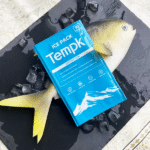
Dalam paket vaksin yang terkendali, Tempk dapat memasok komponen pendingin kaku yang dipilih untuk evaluasi. Kategori produk yang tersedia mencakup HDPE yang dapat digunakan kembali batu bata es dan pelat es PCM digunakan dengan Tas yang lebih dingin, kotak medis, dan karton terisolasi. Dimana suatu proyek memerlukan kesesuaian atau identitas tertentu, penyesuaian dapat mengatasi volume, cetakan, topi, warna cangkang, rumus PCM, label, dan kemasan karton. Pemilihan komponen hanyalah satu gerbang pelepasan: Produk Tempk sendiri tidak menetapkan status PQS WHO, kesesuaian vaksin, kualifikasi pembawa, atau kinerja rute. Sistem lengkap masih memerlukan tinjauan khusus produk, pemantauan, Sops, dan kualifikasi paket.
Kirimkan kepada Tempk masukan desain yang dirilis—tidak hanya ukuran batu bata yang diminta—untuk mendiskusikan sampel untuk kesesuaian dan evaluasi sistem penuh.