Kotak EPP Kustom Massal yang Dapat Disesuaikan: Panduan Seleksi Praktis untuk Pembeli Cold-Chain
For customizable kotak EPP bulk custom decisions, a customizable EPP box for bulk custom orders should be selected as a working part of your logistics system, bukan sebagai janji tersendiri untuk pengendalian suhu. The right choice depends on moving from sample design to bulk custom production for repeat logistics programs, persyaratan suhu produk, muatannya, sumber dingin, dan bukti di balik klaim kinerja. Gunakan panduan di bawah ini untuk membandingkan opsi, pemasok pertanyaan, dan beralih dari evaluasi sampel ke penggunaan yang andal tanpa terlalu menjanjikan kemampuan kotak EPP.
Jawaban cepat: a customizable EPP box for bulk custom orders is a strong candidate when you need lightweight insulation, perlindungan dampak, dan penanganan berulang, tapi itu harus disetujui dengan sumber dingin, muatan, rute, dan proses penerimaan. Ini bukan jalan pintas dalam pemantauan suhu atau tinjauan kualitas.
Apa yang Dapat Dilakukan Kotak dan Apa yang Tidak Dapat Dilakukannya
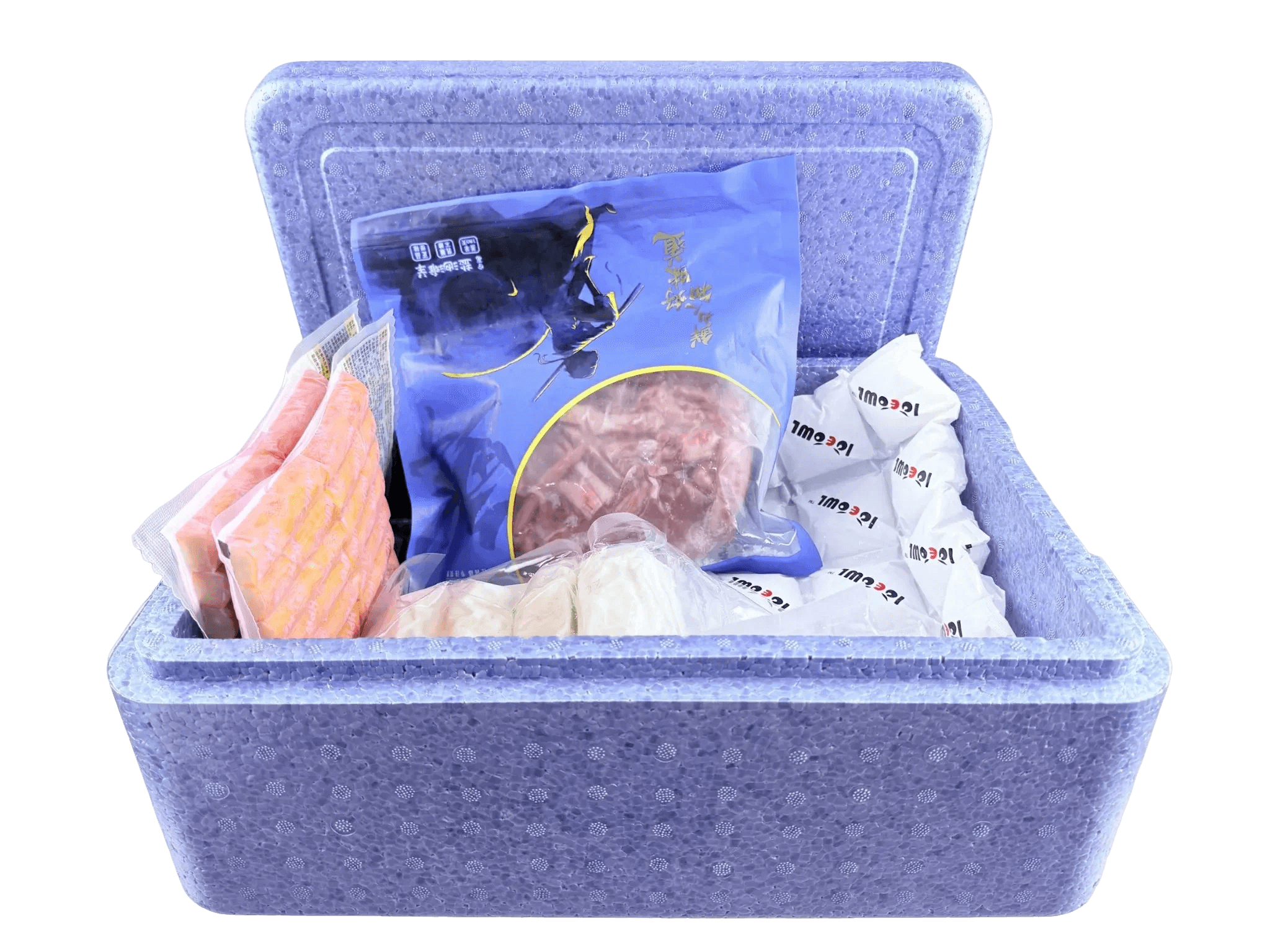
Kotak EPP dapat memberikan perlindungan benturan, isolasi, dan keuntungan penanganan penggunaan berulang. Hal ini dapat mempermudah alur kerja rantai dingin atau pengemasan pelindung dengan mengurangi berat, mendukung sisipan cetakan, dan menahan ketukan sehari-hari lebih baik daripada beberapa pilihan busa sekali pakai. For moving from sample design to bulk custom production for repeat logistics programs, keuntungan tersebut bisa sangat berarti.
Yang tidak bisa dilakukan adalah mendefinisikan kebutuhan produk, menghasilkan dingin, mendokumentasikan kiriman tersebut, atau menjamin penerimaan peraturan. Peran tersebut milik label produk, sumber dingin, paketnya, perangkat pemantauan, prosedur mutu, dan orang-orang yang mengoperasikan rute tersebut. Spesifikasi yang kuat membuat peran-peran ini terpisah.
Ini adalah prinsip pembelian utama: pilih kotak untuk pekerjaan yang sebenarnya dapat dilakukan, lalu bangun sisa alur kerja di sekitarnya. Ketika pembeli melewatkan prinsip itu, mereka sering kali mendapatkan kemasan yang terlihat profesional tetapi gagal dalam penanganan rutin.
Mulailah Dengan Rute, Muatan, dan Rentang Penerimaan
Sebelum membandingkan pemasok, tuliskan rute dalam bahasa operasional. Dimana produk disimpan sebelum dikemas? Siapa yang mengemasnya? Berapa lama waktu menunggu sebelum memuat? Kendaraan atau operator apa yang menanganinya? Dimana bisa terkena panas, dingin, atau penundaan? Siapa yang menerimanya, dan seberapa cepat itu dibongkar? Pertanyaan-pertanyaan ini mengungkapkan apakah kemasan memerlukan margin termal lebih banyak, pelabelan yang lebih baik, atau format lain.
Berikutnya, menentukan muatannya. Kapasitas kotor saja tidak cukup. Anda perlu mengetahui dimensi produk, massa produk, batas orientasi, pembagi yang diperlukan, volume sumber dingin, dokumen, dan perangkat pemantauan apa pun. Ruang muatan yang dapat digunakan setelah barang-barang tersebut dimasukkan adalah ruang yang penting. Sedikit ketidaksesuaian dapat menimbulkan tekanan pada tutupnya atau kemasannya tidak konsisten.
Akhirnya, konfirmasi rentang penerimaan. Bulk custom packaging should be evaluated as a system; ukuran, internal structure, ruang pendingin, muatan, and route conditions all affect results. Jika Anda tidak mendefinisikan kondisi produk dengan jelas, tidak ada pemasok yang dapat memastikan secara bertanggung jawab apakah kotak dan kemasan yang diusulkan sudah sesuai.
Klaim Pemasok Harus Dikonversi Menjadi Poin Verifikasi
Klaim pemasok berguna ketika mereka memulai percakapan teknis. Mereka berisiko jika mengakhiri percakapan terlalu dini. Ungkapan seperti "isolasi yang bagus" harus mengarah pada pertanyaan tentang kondisi pengujian. Ungkapan seperti "dapat digunakan kembali" harus mengarah pada kriteria pembersihan dan inspeksi. Ungkapan seperti "dapat disesuaikan" harus mengarah pada gambar, ulasan cetakan, toleransi, dan contoh penandatanganan.
For a custom EPP box program that controls dimensions, sisipan, branding, paket sesuai, persetujuan sampel, dan konsistensi produksi, file pembelian yang lebih baik mencakup pernyataan pemasok dan langkah verifikasi pembeli. Jika kinerja termal penting, menyimpan catatan pada muatannya, sumber dingin, paparan lingkungan, dan batas penerimaan. Jika kebersihan itu penting, mendokumentasikan metode pembersihan dan kondisi permukaan apa yang dapat diterima setelah penggunaan berulang kali.
Pendekatan ini melindungi kedua belah pihak. Pembeli menghindari asumsi lebih dari yang didukung data. Pemasok menerima persyaratan yang lebih jelas dan dapat merekomendasikan opsi yang lebih realistis.
| Titik keputusan | Apa yang harus dikonfirmasi | Mengapa melindungi pembeli |
|---|---|---|
| Produk dan jangkauan | Kisaran suhu yang diperlukan, kepekaan, dan paparan yang diijinkan. | Mencegah kotak disetujui untuk kondisi produk yang salah. |
| Rute kenyataan | Waktu transit kasus terburuk, memanggungkan, serah terima, dan menerima penundaan. | Menunjukkan apakah kemasan memerlukan margin termal ekstra atau kontrol proses. |
| Desain paket | Tipe pendingin, posisi, pengkondisian, sisipan, dan ruang kepala. | Mengubah kotak EPP menjadi sistem yang dapat diulang, bukan wadah yang longgar. |
| Bukti pemasok | Data uji, konsistensi sampel, gambar, dan mengubah kendali. | Mengurangi risiko klaim yang tidak didukung dan ketidaksesuaian produksi. |
| Operasi harian | Pembersihan, inspeksi, pelabelan, menumpuk, dan aliran balik. | Menjaga program tetap dapat digunakan setelah pembelian pertama. |
Tabel ini berguna karena memisahkan kotak secara fisik dari apa yang masih perlu dikonfirmasi oleh pembeli. Hal ini juga membuat diskusi pemasok tetap praktis. Jika suatu hal tidak dapat dikonfirmasi selama tahap pengambilan sampel, itu harus tetap terbuka daripada diubah menjadi klaim produk yang tidak didukung.
Sample-to-Bulk Control Points for Custom Orders
Modul ini harus diselesaikan sebelum pemesanan massal atau persetujuan khusus akhir. It turns the search for a customizable EPP box for bulk custom orders into a controlled selection process instead of a catalog comparison.
The order should include a written specification, contoh penandatanganan, production review, kriteria pemeriksaan, kebutuhan pelabelan, and a process for handling future changes. Jika pengiriman beresiko tinggi, melibatkan kualitas, Operasi, dan menerima staf sebelum persetujuan pembelian. A kotak rantai dingin mempengaruhi lebih banyak departemen dibandingkan pengadaan saja.
| Titik keputusan | Apa yang harus dikonfirmasi | Mengapa melindungi pembeli |
|---|---|---|
| Produk dan jangkauan | Kisaran suhu yang diperlukan, kepekaan, dan paparan yang diijinkan. | Mencegah kotak disetujui untuk kondisi produk yang salah. |
| Rute kenyataan | Waktu transit kasus terburuk, memanggungkan, serah terima, dan menerima penundaan. | Menunjukkan apakah kemasan memerlukan margin termal ekstra atau kontrol proses. |
| Desain paket | Tipe pendingin, posisi, pengkondisian, sisipan, dan ruang kepala. | Mengubah kotak EPP menjadi sistem yang dapat diulang, bukan wadah yang longgar. |
| Bukti pemasok | Data uji, konsistensi sampel, gambar, dan mengubah kendali. | Mengurangi risiko klaim yang tidak didukung dan ketidaksesuaian produksi. |
| Operasi harian | Pembersihan, inspeksi, pelabelan, menumpuk, dan aliran balik. | Menjaga program tetap dapat digunakan setelah pembelian pertama. |
Tabel ini berguna karena memisahkan kotak secara fisik dari apa yang masih perlu dikonfirmasi oleh pembeli. Hal ini juga membuat diskusi pemasok tetap praktis. Jika suatu hal tidak dapat dikonfirmasi selama tahap pengambilan sampel, itu harus tetap terbuka daripada diubah menjadi klaim produk yang tidak didukung.
Dari Persetujuan Sampel hingga Penggunaan Sehari-hari
Sampel harus diuji kecocokannya, kegunaan, dan proses pertandingan. Kemas dengan produk asli atau pengganti yang realistis, termasuk sumber dingin, tutup penutupnya seperti yang dilakukan operator pada shift sibuk, dan memindahkannya melalui rute yang realistis. Jika tim memerlukan upaya khusus agar sampel berhasil, penggunaan produksi mungkin menjadi tidak konsisten.
Untuk program khusus, mencatat gambar yang disetujui, catatan materi, persyaratan warna atau merek, detail tutupnya, masukkan tata letak, dan ekspektasi pengepakan karton atau palet. Untuk program massal, menentukan kriteria penerimaan untuk pemeriksaan masuk. Cari deformasi, tutup pas, kondisi permukaan, ukuran, dan pelabelan. Pemeriksaan ini bukan birokrasi. Mereka mencegah cacat kecil agar tidak menjadi masalah operasional yang berulang.
Alat pengambilan keputusan yang berguna
Periksa detailnya sebelum Anda memilih kemasan
Alat cepat ini dapat membantu Anda membandingkan risiko rute, kebutuhan ukuran, pilihan pendingin, dan detail kemasan sebelum Anda meminta penawaran.
Kalkulator Paket Es
Perkirakan jumlah paket es gel untuk pengiriman dingin dan perencanaan rute yang praktis.
Perkirakan kantong esPemeriksa Risiko Rute
Tinjau kondisi jalur sebelum memilih kemasan untuk mengetahui kebutuhan pengoperasian sebenarnya.
Periksa risiko rutePemilih Kemasan
Bandingkan opsi kemasan berinsulasi berdasarkan produk, rute, dan kebutuhan suhu.
Temukan kemasannyaSetelah kotak itu digunakan, buat lingkaran sederhana untuk umpan balik. Operator harus melaporkan tutup yang rusak, masalah pembersihan, bau, label yang hilang, dan kebingungan mengemas. Kemasan yang dapat digunakan kembali tetap dapat diandalkan hanya jika organisasi memperlakukannya sebagai aset yang dikelola.
Catatan Pengoperasian Praktis Sebelum Persetujuan
Tulis prosedur pengepakan dalam bahasa yang sama dengan yang digunakan operator. Sertakan pra-pengkondisian produk, penempatan sumber dingin, penutupan tutupnya, penempatan label, dan orang yang bertanggung jawab atas pemeriksaan akhir. Jika prosedurnya terlalu rumit untuk diulangi pada shift sibuk, desain kemasan harus disederhanakan sebelum program diperluas.
Definisikan ekspektasi penerimaan. Pengiriman yang sensitif terhadap suhu tidak boleh menunggu di area penerimaan umum tanpa pengawasan. Penerima harus mengetahui apa yang harus diperiksa pada saat kedatangan, apa yang harus direkam, dimana meletakkan barangnya, dan siapa yang harus dihubungi jika kotaknya rusak atau monitor suhu menunjukkan kekhawatiran.
Rencanakan pengembalian kosong ketika kotak tersebut dimaksudkan untuk digunakan kembali. Arus balik mempengaruhi total biaya, Keberlanjutan, dan inventaris pengganti. Kotak yang tahan lama namun sering hilang mungkin bukan pilihan yang paling ekonomis. Tanda identifikasi, kepemilikan rute, dan pos pemeriksaan pengembalian dapat mengurangi masalah itu.
Jaga spesifikasi tetap terkendali. Jika pemasok mengubah kualitas material, desain tutup, geometri dinding, masukkan tata letak, atau metode produksi, pembeli harus memahami apakah perubahan tersebut mempengaruhi pengepakan, pembersihan, atau asumsi termal. Kontrol perubahan sangat penting untuk program khusus dan massal.
Gunakan umpan balik percontohan sebelum melakukan penskalaan. Operator sering kali memperhatikan detail yang terlewatkan oleh tim pembelian: pegangan yang terjepit, penutup yang sulit disejajarkan, area label yang basah, atau sisipan yang memperlambat pengepakan. Rincian tersebut mempengaruhi adopsi dan harus ditinjau selagi perubahan masih memungkinkan.
One useful rule for bulk buyers, OEM packaging teams, private-label programs, and cold-chain procurement managers is to separate approval into three layers: kesesuaian produk, kesesuaian rute, dan operasi cocok. Kesesuaian produk menanyakan apakah muatannya, kondisi suhu, dan sensitivitas masuk akal untuk wadah yang diusulkan. Kesesuaian rute menanyakan apakah kotak dan kemasan memiliki margin yang cukup untuk eksposur yang diharapkan. Operasi fit menanyakan apakah orang dapat berkemas, bergerak, menerima, membersihkan, dan mengembalikan kotak itu secara konsisten. Kelemahan pada salah satu lapisan dapat membatalkan pemilihan material yang baik.
Pemeriksaan praktis lainnya adalah membandingkan penggunaan kasus terbaik dengan hari-hari biasa yang terburuk. Sampel pemasok sering kali dievaluasi dalam kondisi tenang, sementara logistik sebenarnya mencakup penjemputan yang terlambat, membuka pintu dermaga, daerah penerima yang sibuk, dan operator yang membutuhkan instruksi yang jelas. The right customizable EPP box bulk custom should be forgiving enough for normal variation but not used as a substitute for process control.
Untuk pesanan custom atau berulang, dokumentasi harus dibuat sederhana namun lengkap. Sebuah gambar, contoh catatan yang disetujui, instruksi paket, catatan pembersihan, dan ekspektasi pengendalian perubahan dapat mencegah kebingungan di kemudian hari. Hal ini sangat berguna ketika desain kotak yang sama digunakan oleh lebih dari satu lokasi atau ketika tim berbeda menangani pengadaan, sedang mengemas, menerima, dan tinjauan kualitas.
Pembeli juga harus meninjau total biaya di luar pembelian pertama. Tingkat penggantian, pekerjaan kebersihan, ruang penyimpanan, pengiriman kembali, aset yang hilang, pelabelan ulang, dan risiko penolakan produk bisa menjadi lebih penting daripada perbedaan kecil dalam harga satuan. Kotak EPP yang dirancang sedikit lebih baik dapat mengurangi gesekan penanganan dan membuat program yang dapat digunakan kembali lebih mudah dirawat.
Akhirnya, hindari mengubah bahasa pemasok yang hati-hati menjadi klaim mutlak. Jika pemasok mengatakan kotak tersebut cocok untuk suatu jenis aplikasi, tanyakan dalam kondisi apa. Jika mereka menyebutkan isolasi, tanyakan paket apa yang digunakan. Jika mereka menyebutkan daur ulang, tanyakan identifikasi material dan jalur pemulihan apa yang praktis. File pembelian harus menunjukkan apa yang diketahui dan apa yang masih bergantung pada proses Anda.
One useful rule for bulk buyers, OEM packaging teams, private-label programs, and cold-chain procurement managers is to separate approval into three layers: kesesuaian produk, kesesuaian rute, dan operasi cocok. Kesesuaian produk menanyakan apakah muatannya, kondisi suhu, dan sensitivitas masuk akal untuk wadah yang diusulkan. Kesesuaian rute menanyakan apakah kotak dan kemasan memiliki margin yang cukup untuk eksposur yang diharapkan. Operasi fit menanyakan apakah orang dapat berkemas, bergerak, menerima, membersihkan, dan mengembalikan kotak itu secara konsisten. Kelemahan pada salah satu lapisan dapat membatalkan pemilihan material yang baik.
FAQ
Is a customizable EPP box for bulk custom orders automatically temperature controlled?
TIDAK. Ini adalah sebuah wadah terisolasi, bukan unit pendingin aktif. Ini dapat memperlambat perpindahan panas dan melindungi muatan dari dampak penanganan, tetapi kinerja suhu bergantung pada suhu awal produk, sumber dingin, desain paket, paparan rute, disiplin tutup, dan proses penerimaan. Untuk barang sensitif, perlakukan kotak sebagai bagian dari sistem pengemasan yang lengkap.
Apa yang harus saya tanyakan sebelum memesan sampel?
Mintalah dimensi internal yang dapat digunakan, detail bahan dan tutupnya, kompatibilitas sumber dingin, panduan pembersihan, contoh gambar, informasi tes yang tersedia, dan bagaimana pemasok mengendalikan perubahan produksi. For a custom EPP box program that controls dimensions, sisipan, branding, paket sesuai, persetujuan sampel, dan konsistensi produksi, jelaskan juga rute Anda, muatan, kisaran suhu, dan titik serah terima sehingga sampel dapat dievaluasi secara realistis.
Bisakah kotak EPP digunakan kembali?
EPP umumnya dipilih untuk kemasan yang dapat digunakan kembali karena ringan, ulet, dan mampu pulih dari berbagai dampak penanganan. Penggunaan kembali masih tergantung pada desain, proses pembersihan, rutin pemeriksaan, dan bagaimana kotak itu dikembalikan dan disimpan. Pembeli harus menentukan kriteria kerusakan dan aturan pensiun sebelum memulai program yang dapat digunakan kembali.
Bagaimana saya tahu apakah kotak tersebut sesuai dengan rute saya?
Mulailah dengan produknya, bukan kotaknya. Konfirmasikan kondisi suhu yang diperlukan, massa produk, durasi rute, waktu tunggu, paparan kendaraan, frekuensi pembukaan, dan proses penerimaan. Kemudian uji atau evaluasi kotak tersebut dengan jenis sumber dingin dan pengaturan muatan yang sama dengan yang Anda rencanakan untuk digunakan dalam pengoperasian sehari-hari.
Apakah daur ulang berarti kotak tersebut akan diterima di mana-mana?
Belum tentu. EPP adalah busa berbahan dasar polipropilen dan dapat didaur ulang dalam sistem pemulihan yang sesuai, tetapi penerimaan lokal bergantung pada koleksi, penyortiran, kontaminasi, dan saluran daur ulang. Pembeli yang merencanakan program keberlanjutan harus mendiskusikan pelabelan, aliran balik, pembersihan, dan penanganan akhir masa pakai dibandingkan mengandalkan klaim daur ulang yang umum.
Kesimpulan
A customizable EPP box for bulk custom orders can be a strong packaging choice when the buyer connects material benefits with route reality. Gunakan EPP karena bobotnya yang ringan, isolasi, resistensi dampak, dan potensi yang dapat digunakan kembali, namun jangan berasumsi bahwa kotak itu sendiri yang mengontrol suhu atau membuktikan kepatuhan. Konfirmasikan rangkaian produk, kesesuaian muatan, paket, sumber dingin, proses penerimaan, rutinitas pembersihan, dan bukti pemasok sebelum penskalaan. Keputusan pembelian yang paling kuat adalah keputusan yang melindungi pengiriman dan alur kerja sehari-hari di sekitarnya.