Distributor Dry Ice Pack untuk Transportasi Susu: Cara Memilih Sebelum Melakukan Penskalaan
Seorang distributor es kering paket untuk pesanan pengangkutan produk susu harus diperlakukan sebagai keputusan pengemasan yang terkendali, tidak hanya pembelian cold-pack. Untuk produk susu, makanan yang dibudidayakan, keju, dan produk susu beku, pendingin yang salah dapat sama merusaknya dengan pendinginan yang terlalu sedikit. Pembeli harus memastikan apa paketnya, berapa efek suhu yang ditimbulkannya, bagaimana letaknya di dalam paket terisolasi, dan apakah proses pengiriman dapat mengulangi hasil yang sama setelah tahap sampel. Artikel ini memberikan jalur keputusan praktis untuk pengadaan, Operasi, dan tim berkualitas bersiap untuk melakukan penskalaan.
Pertama Putuskan Apakah Es Kering Memiliki Tingkat Pendinginan yang Tepat
Ungkapan kantong es kering bersifat ambigu. Ini mungkin merujuk pada karbon dioksida padat, lembar PCM terhidrasi, paket gel, atau alternatif es kering. Perbedaan itu penting karena risiko pengiriman langsung berubah. Es kering atau lembar paket es kering mungkin cocok untuk jalur produk susu beku dan es krim, sedangkan produk susu dingin seringkali membutuhkan pcm atau Paket gel dengan isolasi dan kontrol kelembaban. Es kering padat dapat membekukan atau merusak produk susu dan kemasan dingin jika digunakan tanpa pemisahan dan validasi rute
Pembeli harus meminta pemasok untuk menuliskan identitas cairan pendingin dengan jelas. Apakah itu karbon dioksida padat? Apakah itu lembaran PCM yang menyerap air? Apakah itu kemasan gel yang harus dibekukan sebelum digunakan? Apakah dimaksudkan untuk menyentuh karton produk atau duduk di belakang pembatas? Jika jawabannya tidak jelas, pesanan belum siap untuk disetujui.
Keputusan yang tepat dimulai dengan stabilitas dingin atau integritas beku tergantung pada SKU. Kondisi tersebut harus ditentukan oleh pemilik produk, spesifikasi pelanggan, label, atau persyaratan keamanan pangan. Pemasok dapat merekomendasikan sumber dingin, tetapi pemasok tidak boleh menebak-nebak suhu produk yang dapat diterima.
Bangun Ketertiban di Sekitar Rute, Muatan, dan Penanganan
Setelah kebutuhan suhu jelas, langkah selanjutnya adalah rutenya. Produk susu yang sudah didinginkan sebelumnya, jaga agar karton tetap tertutup rapat, mengelola kondensasi, dan desain penerimaan pemeriksaan seputar kondisi produk, bukan suhu kemasan saja. Rutenya harus ditulis dengan cukup rinci untuk menunjukkan di mana panas masuk dan di mana penanganannya dapat mengganggu paket. Rute dengan satu pengiriman langsung mempunyai profil risiko yang berbeda dengan rute distributor multistop atau pengiriman udara dengan cross dock transfer.
Payload juga mengubah paket. Massa produk dapat bertindak sebagai massa termal, tetapi hanya jika sudah dikondisikan sebelumnya dengan benar. Ruang kosong dapat memungkinkan pergerakan udara hangat dan perpindahan barang. Karton bagian dalam, nampan, botol, botol, kantong, dan kotak kado semuanya mengubah cara perpindahan dingin dari kemasan ke produk. Pesanan massal yang mencakup beberapa format karton tidak boleh bergantung pada satu konfigurasi yang belum teruji.
Es krim mungkin membenarkan kemasan beku yang agresif, sedangkan yogurt dan produk susu cair membutuhkan perlindungan dari panas tanpa pembekuan. Spesifikasi pembelian harus memisahkan kedua kasus penggunaan tersebut. Jenis perbandingan inilah yang membedakan paket praktis dari rekomendasi umum. Hal yang sama paket dingin mungkin cocok di satu jalur dan tidak cocok di jalur lain.
Seperti Apa Tinjauan Pemasok yang Kuat
Tinjauan pemasok untuk program distributor harus mencakup lebih dari sekedar ketersediaan katalog. Pembeli harus bertanya tentang konstruksi paket, pra-pengkondisian, penggunaan yang dimaksudkan, kompatibilitas dengan isolasi, konsistensi sampel, pengendalian batch produksi, dan mengubah pemberitahuan. Pemasok yang menjelaskan batasan lebih berguna daripada pemasok yang mengatakan bahwa setiap rute cocok.
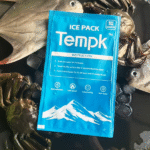
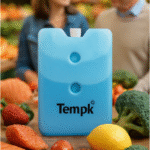
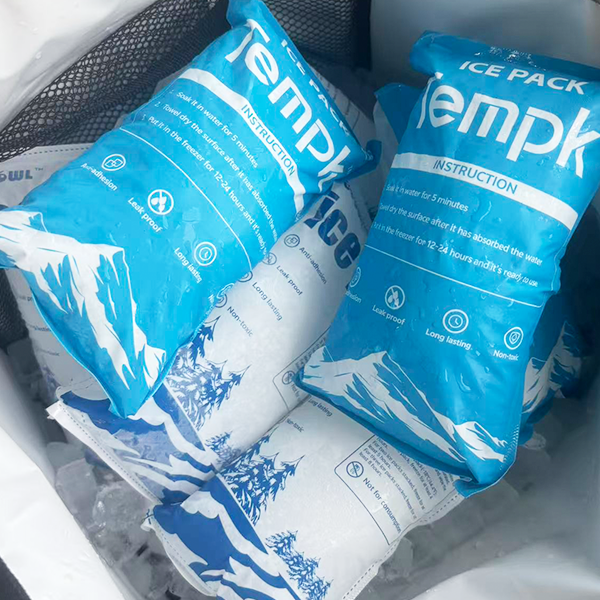
Untuk hidrasi gaya Tempk Paket es kering, pertanyaan yang berguna termasuk bagaimana lembaran tersebut menyerap air, bagaimana itu harus dibekukan, apakah bisa dipotong atau dilipat, bagaimana harus dipisahkan dari produk sensitif, dan apakah bahan luarnya sesuai dengan ekspektasi penanganan dan pembuangan pembeli. Untuk es kering padat, pembeli sebaiknya fokus pada ventilasi, keselamatan pekerja, pelabelan, massa bersih, dan penerimaan operator.
| Cek pembeli | Apa yang harus ditanyakan sebelum memesan | Alasan praktis |
|---|---|---|
| Sensitivitas produk | Bisakah produk susu, makanan yang dibudidayakan, keju, dan produk susu beku tahan terhadap pembekuan langsung atau hanya perlindungan dingin? | Tingkat pendinginan yang salah dapat merusak kualitas produk sebelum pengiriman. |
| Format paket | Apakah benda tersebut merupakan es kering padat, lembar PCM terhidrasi, paket gel, atau sumber dingin lainnya? | Nama bervariasi antar katalog, dan aturan penanganan berubah berdasarkan jenis produk. |
| Isolasi pas | Kotak yang mana, liner, tas, atau pengirim digunakan dalam rekomendasi pemasok? | Klaim waktu tunggu tidak ada artinya tanpa paket di sekitarnya. |
| Rute cocok | Durasi rute berapa, paparan lingkungan, dan titik serah terima diasumsikan? | Jalur gudang-ke-gudang berbeda dengan pengiriman langsung ke pintu. |
| Kontrol skala | Akankah unit produksi cocok dengan ukuran sampel, tata letak sel, selaput, dan mengisi perilaku? | Pesanan grosir atau distributor memerlukan pengulangan, bukan sampel sekali pakai. |
Tinjauan ini mengubah pemilihan pemasok menjadi keputusan yang terdokumentasi. Hal ini juga memberikan operasi titik awal yang jelas untuk pengujian sampel, karena tim mengetahui asumsi mana yang perlu diperiksa daripada mengandalkan klaim kinerja umum.
Pengujian Sampel Harus Meniru Pengiriman Nyata
Uji coba sampel tidak ada artinya jika menggunakan massa produk yang salah, karton kosong, berbeda bahan isolasi, atau rute yang lebih mudah dari produksi. Gunakan produk asli atau pengganti yang realistis, paket luar yang direncanakan, penempatan cairan pendingin yang diharapkan, dan proses pemuatan yang sama. Jika produk bernilai tinggi atau diatur, melibatkan tim mutu sebelum uji coba dimulai.
Untuk produk susu, makanan yang dibudidayakan, keju, dan produk susu beku, pemeriksaan harus mencakup suhu pada saat diterima, perubahan tekstur, kebocoran, pembengkakan, dan pola keluhan pelanggan. Suhu saja mungkin tidak menjelaskan keseluruhan cerita. Barang yang didinginkan mungkin secara teknis dingin tetapi rusak karena pembekuan. Barang beku mungkin terlihat dapat diterima meskipun kemasannya telah ditekankan. Barang hadiah mungkin aman tetapi tidak dapat diterima oleh pelanggan karena kondensasi mempengaruhi presentasi.
- Tentukan kriteria penerimaan sebelum uji coba, termasuk kondisi produk pada saat diterima.
- Gunakan jumlah dan posisi paket yang direncanakan, bukan pengaturan perkiraan.
- Catat waktu pra-pengkondisian, waktu pengepakan, paparan rute, dan menerima waktu.
- Periksa produk, Label, kemasan bagian dalam, dan kondensasi setelah melahirkan.
- Ulangi percobaan ketika musimnya, pembawa, muatan, atau perubahan desain karton.
Jangan Bingung Penandaan Transportasi dengan Perlindungan Produk
Program keamanan pangan biasanya memisahkan kebutuhan pengendalian yang didinginkan dan dibekukan. Pembeli harus memastikan suhu produk yang diperlukan, aturan negara bagian atau tujuan, dan spesifikasi penerimaan. Referensi ini penting, tapi mereka tidak boleh disalahpahami. Aturan pengangkutan es kering membantu pengangkut menangani karbon dioksida dengan aman. Hal tersebut tidak membuktikan bahwa kemasan mempertahankan produk dalam kondisi yang disyaratkan. Sebuah medis, makanan, atau produk khusus masih memerlukan tinjauan khusus produknya sendiri.
Batasan yang sama berlaku untuk dokumen pemasok. Pernyataan yang material, lembar keselamatan, atau brosur produk mungkin menjelaskan apa kemasannya, namun hal ini tidak secara otomatis memenuhi syarat rute pembeli. Ketika pengiriman sensitif, pembeli harus bertanya apakah kinerja yang disebutkan telah diuji dengan muatan yang sama, isolasi, profil lingkungan, dan lulus kriteria yang akan digunakan pembeli.
Kapan Tidak Menggunakan Pendekatan Pendinginan Ini
Pendekatan kompres es kering harus dipertimbangkan kembali bila produk tidak dapat mentolerir sumber dingin, ketika penerima tidak dapat menangani zat pendingin dengan aman, ketika pengangkut tidak menerima kiriman, atau ketika pesanan tidak memiliki instruksi paket yang dapat diulang. Es kering bukanlah solusi produk susu universal; sku dan paket memutuskan apakah itu membantu atau merugikan.
Alat pengambilan keputusan yang berguna
Periksa detailnya sebelum Anda memilih kemasan
Alat cepat ini dapat membantu Anda membandingkan risiko rute, kebutuhan ukuran, pilihan pendingin, dan detail kemasan sebelum Anda meminta penawaran.
Kalkulator Paket Es
Perkirakan jumlah paket es gel untuk pengiriman dingin dan perencanaan rute yang praktis.
Perkirakan kantong esPembuat Daftar Periksa Kepatuhan
Buatlah daftar periksa praktis untuk tinjauan kemasan, pengiriman, dan dokumentasi.
Buat daftar periksaKetahanan Jatuh Bahan Isolasi
Tinjau ketahanan jatuh dan faktor penanganan sebelum memilih bahan insulasi.
Periksa resistensiPembeli juga harus berhenti sejenak ketika pemasok tidak dapat menentukan jenis produk atau ketika klaim penjualan hanya berupa nomor waktu tunggu tanpa syarat. Waktu tahan tergantung pada isolasi, profil lingkungan, massa produk, kuantitas paket, dan kriteria penerimaan. Tanpa syarat-syarat tersebut, nomor tersebut dapat menyesatkan tim pembelian.
FAQ
Bisakah es kering digunakan untuk transportasi susu?
Tergantung SKU-nya. Produk susu beku seperti es krim mungkin cocok untuk dijadikan es kering atau kemasan beku, sedangkan produk susu dingin seperti yogurt atau susu dapat rusak karena pembekuan. Pemilik produk harus menentukan kisaran target dan batas kualitas sebelum distributor memesan paket.
Masalah kualitas susu yang mudah diabaikan?
Perubahan tekstur, pemisahan, paket bengkak, kondensasi, kerusakan label, dan pembekuan sebagian dapat terjadi meskipun produk masih terasa dingin. Penerimaan cek harus mencantumkan kondisi produk, tidak hanya adanya sisa cairan pendingin.
Apa yang harus disertakan dalam uji coba distributor?
Gunakan campuran SKU yang sama, ukuran karton, isolasi, muatan, waktu rute, dan proses pengiriman yang direncanakan untuk produksi. Catat kondisi produk saat diterima dan periksa apakah penempatan cairan pendingin menimbulkan titik dingin di dekat produk susu yang lembut.
Apakah paket es kering yang dapat digunakan kembali cukup untuk memenuhi persyaratan?
TIDAK. Paket hanya satu komponen. Pengangkutan susu juga bergantung pada pendinginan awal produk, penanganan yang higienis, isolasi, durasi rute, prosedur penerimaan, dan dokumentasi yang diperlukan oleh pembeli atau pasar tujuan.
Catatan Persetujuan Operasional
Sebelum menyetujui distributor paket es kering untuk pengangkutan produk susu, pembeli harus memeriksa apakah pihak penerima dapat menangani paket sesuai desain. Pengiriman mungkin lolos dari daftar periksa ruang pengepakan dan masih gagal karena penerima membiarkan kartonnya belum dibuka, menghilangkan kompres dingin terlalu dini, menyimpan produk di lokasi yang salah, atau melewatkan peringatan es kering. Untuk produk susu, makanan yang dibudidayakan, keju, dan produk susu beku, instruksi penerimaan harus cukup singkat untuk segera diikuti tetapi cukup spesifik untuk mencegah kerusakan yang dapat dihindari.
Kepemilikannya juga harus jelas. Pengadaan dapat mengatur harga, jumlah pesanan, dan komunikasi pemasok. Operasi dapat memvalidasi penempatan paket, langkah kerja, dan penutupan karton. Kualitas, Keamanan Pangan, atau tim farmasi dapat menentukan kriteria penerimaan dan penanganan penyimpangan. Layanan pelanggan dapat melacak keluhan berdasarkan rute dan periode cuaca. Ketika peran ini tidak ditetapkan, masalah pengemasan menjadi argumen logistik umum dan bukan proyek perbaikan yang terkendali.
Pembeli harus menyimpan catatan revisi sederhana untuk paket yang disetujui. Catat jenis paketnya, jumlah paket, metode pra-pengkondisian, isolasi yang digunakan, pengaturan produk, bahan penghalang, penutupan karton, bahasa label, dan menerima cek. Jika pemasok kemudian mengubah bahan kemasan, tata letak lembar, jumlah karton, atau instruksi persiapan, catatan tersebut membantu pembeli memutuskan apakah perubahannya kecil atau apakah uji coba sampel lain diperlukan.
Menerima inspeksi memerlukan perhatian yang sama seperti pengepakan. Penerima harus mengetahui apakah paket tersebut mungkin berisi es kering padat, apakah sarung tangan diperlukan, di mana suhu produk harus diperiksa, dan bukti apa yang harus dicatat jika produk tampak hangat, beku, basah, hancur, atau sebaliknya tidak normal. Instruksi yang jelas mengurangi pertengkaran antar pemasok, pembawa, pengirim, dan pelanggan setelah pengiriman yang sulit.
Bagaimana Menjaga Program Tetap Stabil Seiring Waktu
Kemasan rantai dingin program melayang ketika tim menganggap uji coba pertama yang berhasil sebagai permanen. Rute berubah, operator berubah, ukuran pesanan berubah, dan perubahan paparan musiman. Jadwal peninjauan yang praktis membantu pembeli mengetahui perubahan ini sebelum mereka melakukan pengembalian atau keluhan produk. Peninjauan ini dapat dilakukan secara sederhana untuk pengiriman makanan yang berisiko rendah dan lebih formal untuk produk bernilai tinggi atau produk yang diatur.
Untuk produk susu, makanan yang dibudidayakan, keju, dan produk susu beku, pertanyaan ulasan yang paling berguna bersifat langsung: Apakah produk masih dikemas dengan kondisi awal yang sama? Apakah isolasi yang sama masih digunakan? Apakah staf gudang mengikuti langkah pra-pengkondisian yang sama? Apakah rute tersebut mendapatkan titik serah terima baru? Apakah penerima masih memeriksa produk dengan segera? Pertanyaan-pertanyaan ini membuat program paket es kering tetap terikat pada pengiriman sebenarnya dan bukan pada hasil sampel lama.
Pesanan pembelian juga harus melindungi konfigurasi yang disetujui. Hal ini dapat menyatakan bahwa substitusi dalam bahan kemasan, format lembar, selaput, jumlah karton, atau instruksi persiapan memerlukan pemberitahuan dan persetujuan sampel. Bahasa ini tidak perlu rumit, namun hal ini membantu mencegah perubahan diam-diam yang mengubah perilaku rantai dingin setelah pembeli telah melatih staf gudang.
Akhirnya, pembeli harus menyimpan data keluhan yang terhubung ke paket. Keluhan tentang pencairan, pembekuan, meleleh, kondensasi, embun beku, kerusakan label, atau penerimaan yang tertunda harus ditandai berdasarkan jalur dan tanggal pengiriman. Seiring waktu, kebiasaan kecil ini menunjukkan apakah masalahnya adalah kualitas pemasok, paparan rute, pelaksanaan gudang, atau penanganan pelanggan.
Kesimpulan
Keputusan pengangkutan produk susu kering distributor terbaik untuk produk susu bersifat spesifik. Identifikasi jenis cairan pendingin, menentukan kebutuhan suhu produk, memetakan rutenya, uji paket lengkap, dan mendokumentasikan apa yang harus tetap konsisten ketika pesanan berskala. Jika produknya sensitif, diatur, atau didorong oleh presentasi, peninjauan paket yang hati-hati bukanlah pekerjaan ekstra. Inilah perbedaan antara membeli bahan dingin dan melindungi kiriman.
Tentang tempk
Tempk membantu pembeli B2B meninjau paket es kering dan kemasan terisolasi pilihan untuk produk susu, makanan yang dibudidayakan, keju, dan produk susu beku. Titik awal praktisnya adalah produk Anda, rute, muatan, dan toleransi risiko suhu. Karena paket es kering hidrasi Tempk adalah produk lembaran berbasis PCM dan bukan karbon dioksida padat lepas, pembeli harus memperlakukannya sebagai bagian dari desain kemasan dan memverifikasi kinerja terhadap jalur tertentu sebelum penggunaan produksi.
Untuk rekomendasi yang lebih baik, bagikan kategori produk Anda, rute, muatan, ukuran karton, dan persyaratan suhu dengan Tempk sebelum melakukan program distributor. Tempk dapat membantu Anda membandingkan apakah paket es kering hidrasi, opsi PCM lainnya, es kering padat, atau sistem terisolasi yang berbeda harus ditinjau terlebih dahulu.