Distributor Dry Ice Pack untuk Pengiriman Makanan: Kerangka Kerja Pengadaan Rute-ke-Penerimaan
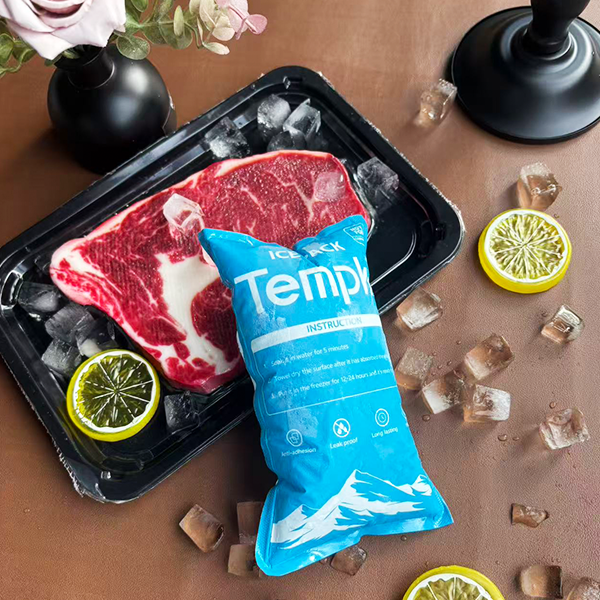
Seorang distributor Paket es kering untuk pengiriman makanan harus disetujui melalui rute tersebut, bukan dari klaim katalog. Paket hidrasi Tempk adalah lembaran pendingin beku yang diaktifkan air. Ini bukan es kering karbon dioksida padat, bukan pendingin UN1845, dan tidak diharapkan untuk menciptakan sangat dingin lingkungan. Digunakan dalam paket terisolasi tertentu, lembaran tersebut dapat menyerap panas yang masuk. Apakah makanan tetap aman dan dapat diterima masih bergantung pada klasifikasi menu, suhu awal, pemisahan, persiapan lembar, geometri paket, waktu yang telah berlalu, kebersihan, pemantauan, dan tanda terima pelanggan.
Tetapkan keputusan makanan sebelum keputusan pengemasan
Dokumen pertama pembeli harus berupa ringkasan makanan dan rute, bukan pesanan pendingin.
Cantumkan setiap kategori produk yang dapat masuk ke kontainer pengiriman. Identifikasi kontrol waktu/suhu dingin untuk keamanan pangan, Barang beku, makanan tetap panas, barang yang stabil di rak, dan produk didinginkan terutama untuk kualitas. Seluruh hasil bumi, memotong hasil bumi, protein mentah, Makanan yang dimasak, susu, item roti, saus, dan kembang gula mungkin memiliki kebutuhan yang berbeda meskipun muncul dalam satu pesanan pelanggan.
Tim keamanan pangan harus menentukan kriteria yang mengatur untuk setiap produk yang relevan dengan keamanan. Di Amerika Serikat, Kode Makanan FDA adalah model untuk adopsi ritel dan layanan makanan dan biasanya menggunakan suhu 5°C atau 41°F untuk penyimpanan makanan TCS dalam keadaan dingin. Saran konsumen federal biasanya memberi tahu penerima bahwa makanan yang mudah rusak yang dikirim harus bersuhu 4°C atau 40°F atau lebih rendah. Nilai-nilai tersebut berasal dari konteks yang berbeda. Yurisdiksi yang berlaku, analisis bahaya, formulasi produk, proses yang divalidasi, dan instruksi pelanggan harus menentukan aturan bisnis.
Untuk produk yang sensitif terhadap kualitas, tentukan jendela yang berguna dan tanda-tanda kegagalan. Pembekuan sebagian dapat merusak salad, emulsi, produk segar, atau beberapa saus. Pengembunan dapat melunakkan produk yang dipanggang atau kertas karton. Cokelat mungkin memerlukan perlindungan panas tanpa kemasan TCS yang didinginkan. Konfigurasi terdingin belum tentu merupakan konfigurasi terbaik.
Akhirnya, mendokumentasikan kondisi awal yang diinginkan. Pendingin pasif dirancang untuk melindungi makanan yang dikondisikan dengan tepat, tidak menggantikan pendinginan terkontrol pada makanan hangat yang dimasak atau memperbaiki proses penyimpanan dingin yang rusak.
Mengganti "waktu pengiriman" dengan paparan total
Pelanggan melihat pemberitahuan pengiriman dan kedatangan. Paket mengalami rantai yang lebih panjang:
makanan meninggalkan penyimpanan terkontrol;
pekerja memilih dan mengkonsolidasikan garis pesanan;
pesanan menunggu barang yang hilang;
pendingin dan penghalang dipasang;
antrian pesanan yang dikemas untuk pengemudi;
tas atau kotak dimuat;
kendaraan berhenti satu atau beberapa kali;
handoff berhasil atau gagal;
makanan menunggu di depan pintu, meja, atau penerimaan;
penerima mendinginkannya, membeku, memanas kembali, atau menyajikannya.
Tetapkan waktu tunda yang normal dan kredibel untuk setiap tahap. Tandai ruang mana yang dikontrol dan mana yang mungkin panas atau dingin. Perhatikan bukaan tas, kontak lantai kendaraan, sinar matahari langsung, transfer antar kurir, dan tanda terima tanpa pengawasan. Peta ini menghasilkan durasi pengujian dan profil sekitar yang dapat dipertahankan.
Ini juga memisahkan margin desain dari kelalaian operasional. Sebuah paket dapat mencakup tunjangan penundaan yang dapat dibenarkan. Ini tidak boleh digunakan untuk menormalkan pementasan yang tidak terbatas atau upaya pengiriman yang gagal berulang kali. Tentukan titik di mana pesanan harus dipulihkan, dikarantina, diganti, atau dibuang sesuai dengan proses keamanan pangan.
Data harus mendukung peta ini. Stempel waktu pengepakan, pemindaian pengemudi, acara lokasi, catatan penebang kayu, dan kontak pelanggan dapat mengidentifikasi di mana paparan terjadi. Sinkronkan jam dan tentukan siapa yang meninjau pengecualian. Pemberitahuan tanpa tindakan yang sah hanya merupakan pengamatan saja.
Pahami apa yang bisa dan tidak bisa dilakukan oleh cairan pendingin hidrasi
Lembaran tersebut mengandung sel-sel yang menyerap dan menahan air. Setelah dibekukan, bahwa air menyimpan kapasitas pendinginan yang masuk akal dan laten. Es murni menyerap sekitar 333.5 joule per gram selama peleburan, sifat fisik terverifikasi yang menjelaskan nilai energi air beku. Ini tidak menyatakan berapa banyak air yang dapat ditahan oleh satu lembar atau berapa lama pengiriman berada dalam batas makanan.
Kinerja paket bergantung pada dua sisi keseimbangan termal.
Pendinginan yang tersedia dipengaruhi oleh massa lembaran yang disiapkan, kondisi beku, jumlah dan lokasi lembaran, suhu awal makanan dan kemasan, dan massa dingin lainnya.
Permintaan panas dipengaruhi oleh paparan lingkungan, isolasi, jahitan dan penutupan, bukaan, suhu muatan, celah udara, geometri wadah, permukaan kendaraan, sinar matahari, dan total waktu.
Kontak langsung menambah masalah lain. Selembar kertas dapat menciptakan batas dingin pada satu baki sementara sudut yang jauh menjadi hangat. Melipat lembaran akan menggandakan cairan pendingin secara lokal. Kantong saus tipis bereaksi berbeda dengan nampan makanan padat. Oleh karena itu, memetakan lokasi panas dan dingin lebih berguna daripada mengukur satu titik di udara terbuka.
Lembaran tersebut juga memiliki batasan teknologi yang jelas. Ini bukan es kering karbon dioksida dan tidak mewarisi kemampuan es kering padat yang sangat dingin. Itu tidak mendingin tanpa batas waktu, mendinginkan makanan hangat dengan aman dengan sendirinya, mencegah kontaminasi silang, atau membuktikan bahwa barang yang dikirim memenuhi aturan yang berlaku.
Buat file komponen yang dikontrol distributor
Begitu teknologinya sesuai dengan konsepnya, membuat file item terkontrol. Ini harus mengidentifikasi:
Nama pabrikan tempk dan model persisnya;
kode distributor;
pola sel dan dimensi terkontrol;
revisi dan format lot;
dokumen aktivasi dan penanganan yang tepat;
kondisi pengemasan dan penyimpanan kering;
tujuan penggunaan dan status penggunaan kembali untuk model tersebut;
informasi material atau kontak makanan yang diperlukan untuk ditinjau;
kriteria cacat dan kerusakan yang terlihat;
ekspektasi pemberitahuan perubahan;
paket yang disetujui yang menggunakan item tersebut.
Jangan setujui "atau setara" tanpa jalur teknis. Item yang setara memerlukan perbandingan konstruksi, pengaktifan, mempertahankan massa yang telah disiapkan jika relevan, ukuran, geometri sel, penanganan beku, integritas, kontak yang dituju, dan kinerja paket. Tingkat konfirmasi harus sesuai dengan risiko makanan dan rute.
Distributor harus melewati dokumen pabrikan yang masih berlaku, mempertahankan keterlacakan lot, melindungi inventaris kering dari kelembaban dan kerusakan, dan memberi tahu pembeli tentang perubahan yang relevan. Pembeli harus memeriksa tanda terima, mengontrol status gudang, dan menghubungkan keluhan atau kebocoran ke banyak hal.
Mintalah klaim untuk menunjukkan batasannya
Istilah pemasaran menjadi berguna hanya jika cakupan buktinya eksplisit.
| Klaim umum | Pertanyaan yang mendefinisikan batasan | Yang tersisa untuk bisnis makanan |
|---|---|---|
| Kelas makanan | Model dan lapisan mana yang tepat? Jenis dan ketentuan kontak apa? Dokumen mana yang mendukungnya? | Menyetujui penggunaan kontak atau penghalang dalam sistem keamanan pangan |
| Tahan lama | Paket terisolasi yang mana, jumlah lembar, muatan, keadaan awal, profil lingkungan, sensor, dan pita penerimaan? | Uji pesanan dan rute sebenarnya |
| Dapat digunakan kembali | Apakah model tersebut dimaksudkan untuk digunakan kembali? Panduan inspeksi atau penanganan apa yang berlaku? | Ciptakan kebersihan, pemulihan, identifikasi, dan pengendalian pensiun |
| Tahan bocor | Pengkondisian apa, penanganan, metode, dan ambang batas cacat digunakan? | Cegah kerusakan dan periksa sebelum pengepakan |
| Sesuai pesanan | Gambar yang mana, toleransi, bahan, pencetakan, dan revisi berlaku? | Menyetujui sampel dan menilai perubahan |
| Diuji untuk pengiriman | Apakah komponen atau paket lengkap diuji, dan dalam kondisi apa? | Menilai relevansinya dengan menu dan proses distribusi |
| Berkelanjutan | Perbandingan fungsional yang luar biasa, batas siklus hidup, dan data mendukung istilah tersebut? | Ukur sistem sebenarnya, termasuk kehilangan dan pengembalian makanan |
Tinjauan ini tidak mengharuskan distributor untuk memenuhi syarat pengoperasian pembeli. Ini mengidentifikasi klaim mana yang merupakan fakta komponen dan mana yang memerlukan bukti sistem. Batasan yang tepat lebih dapat dipercaya daripada janji yang bersifat universal.
Memenuhi syarat keluarga paket, bukan pesanan rata-rata
Muatan pengiriman bervariasi. Pesanan kecil memiliki lebih banyak udara dan dapat menyebabkan lembaran bergerak. Pesanan dalam jumlah besar memiliki massa termal lebih banyak tetapi dapat menekan insulasi atau mencegah penutupan. Pesanan campuran dapat menempatkan produk yang sensitif terhadap dingin di sebelah seprai dan item TCS di sudut yang hangat.
Buat konfigurasi yang dapat dipilih staf tanpa perhitungan. Contohnya mungkin termasuk:
pesanan kecil hanya dingin;
pesanan dingin saja dalam jumlah besar;
campuran tatanan dingin dan ambien dengan zona terpisah;
urutan beku dan dingin dalam kompartemen berbeda;
tas jinjing multi-jatuh yang dapat digunakan kembali;
paket pengangkut dengan tunjangan di depan pintu.
Setiap konfigurasi yang disetujui harus memperbaiki wadah terisolasi, model lembaran, aktivasi dan pengkondisian, menghitung, posisi, hambatan, zona makanan, jangkauan muatan, penutup, memantau penempatan di mana digunakan, dan batas waktu pengoperasian maksimum. Jika satu konfigurasi tidak dapat mencakup rentang tersebut, gunakan yang lain; jangan meregangkan kesimpulan tes karena kemudahan.
Rancang uji coba berdasarkan mode kegagalan
Gunakan makanan yang mewakili atau simulasi yang dibenarkan secara teknis, paket utama sebenarnya, staf pengepakan normal, dan kendaraan yang dituju, tote, atau kotak pembawa. Tantang kemungkinan titik hangat, kontak dingin, pengiriman tertunda, pembukaan tas, perubahan orientasi, dan pengiriman tinggal. Pilih instrumen yang dikalibrasi dengan akurasi dan interval perekaman yang sesuai.
Ukur beberapa lokasi selama pengembangan. Sebuah sensor terhadap sel beku, dalam massa makanan pusat, dekat jembatan penutup, dan di udara atas dapat menunjukkan perilaku yang berbeda. Data sekitar membantu menjelaskan tantangan ini. Tentukan terlebih dahulu kriteria dan analisisnya daripada memilih sensor yang disukai setelah dijalankan.
Periksa juga hasil nontermal:
Alat pengambilan keputusan yang berguna
Periksa detailnya sebelum Anda memilih kemasan
Alat cepat ini dapat membantu Anda membandingkan risiko rute, kebutuhan ukuran, pilihan pendingin, dan detail kemasan sebelum Anda meminta penawaran.
Kalkulator Paket Es
Perkirakan jumlah paket es gel untuk pengiriman dingin dan perencanaan rute yang praktis.
Perkirakan kantong esReferensi Bahan Isolasi
Bandingkan pilihan bahan insulasi untuk kebutuhan pengemasan rantai dingin yang berbeda.
Bandingkan bahanPendingin & Referensi PCM
Bandingkan opsi cairan pendingin dan PCM ketika suatu rute memerlukan dukungan suhu tambahan.
Bandingkan pilihanpemisahan mentah dan siap makan;
segel integritas dan kebocoran;
label kondensasi dan basah;
kerusakan baki atau pergerakan makanan;
pembekuan parsial dan tekstur;
melayu, pemisahan, atau presentasi;
penutupan tas atau karton;
kebersihan dan penanganan.
Ulangi desain akhir sesuai kecepatan produksi dan melintasi rute yang sesuai atau kondisi musiman. Hasilnya adalah konfigurasi operasi yang terbatas, bukan klaim universal untuk lembaran tersebut.
Contoh praktis: pesanan bahan makanan yang melintasi kategori
Bayangkan seorang pedagang kelontong mengantarkan pesanan berisi ikan mentah yang disegel, susu, potong melon, tomat utuh, makanan penutup beku, roti, dan makanan kaleng. Distributor menyarankan lembaran hidrasi besar yang dililitkan di seluruh keranjang.
Ringkasan makanan dan rute mengungkapkan kebutuhan yang tidak sesuai. Ikan mentah, susu, dan potongan melon memerlukan pengendalian dingin berdasarkan rencana bisnis yang berlaku. Makanan penutup beku harus tetap dalam kondisi beku yang mungkin tidak didukung oleh lembar hidrasi. Tomat utuh bisa rusak karena suhu dingin yang berlebihan, sementara label roti dan kertas dapat mengalami pengembunan. Makanan kaleng tidak membutuhkan cairan pendingin.
Tim pengemasan membuat tiga zona: dingin, kompartemen terpisah untuk makanan dingin yang relevan dengan keamanan; kompartemen beku menggunakan sistem yang terbukti memenuhi persyaratan tersebut; dan bagian sekitar terlindung dari kelembapan. Tomat ditempatkan untuk menghindari kontak langsung dengan beku dan tetap berada di lingkungan pengiriman yang sesuai. Lembaran hidrasi menempati kantong terkontrol di sekitar zona dingin.
Uji coba mencakup pengisian minimum dan maksimum, memilih tinggal, beberapa pemberhentian pengiriman, kondisi kendaraan yang hangat, dan serah terima pelanggan. Sensor memetakan makanan dingin dan kemungkinan lokasi hangat dan dingin. Peninjau memeriksa kondensasi, penahanan makanan mentah, kualitas tomat, kondisi roti, dan keadaan produk beku.
Contoh hipotetis ini mungkin menghasilkan tas yang lebih rumit daripada bungkus aslinya. Pertahanannya juga lebih mudah karena setiap zona memiliki tujuan. Satu lembar fleksibel tidak dapat menyatukan semua kategori makanan hanya dengan menyentuhnya.
Transfer metode ke seluruh situs
Ketersediaan distributor mungkin terpusat sedangkan pemenuhannya bersifat lokal. Lembar yang disetujui di satu gudang dapat disiapkan secara berbeda di toko, dapur, atau situs pemenuhan gelap.
Verifikasi setiap situs:
membersihkan area kerja hidrasi dan penanganan air;
ukuran batch dan metode aktivasi;
jenis freezer, aliran udara, memuat, dan pemulihan;
identifikasi status beku;
waktu pementasan dan antrian pengiriman;
eksekusi paket staf;
sanitasi tas yang dapat digunakan kembali;
proses penerimaan atau pengiriman gagal.
Lemari es tegak yang digunakan bersama dengan inventaris makanan mungkin tidak menghasilkan muatan lembaran yang padat seperti rak walk-in. Sebuah restoran yang sibuk mungkin melewati penghalang yang selalu digunakan oleh jalur gudang. Pemindahan lokasi harus memperhatikan pelaksanaan dan membandingkan kondisi yang telah disiapkan, tidak hanya mendistribusikan PDF.
Latihlah seputar keputusan dan langkah-langkah. Staf harus mengetahui mengapa es kering karbon dioksida padat berbeda, mengapa kontak langsung bisa penting, mengapa pemisahan makanan mentah dan makanan siap saji tidak dapat dinegosiasikan, dan mengapa lembaran tambahan bukan merupakan perbaikan yang disetujui. Tindakan kepatuhan yang paling mudah harus dimasukkan ke dalam kit dan kompartemen.
Penerimaan menutup loop kontrol
Penerima adalah kendali operasional terakhir. Berikan instruksi yang jelas untuk penerimaan yang cepat, pemeriksaan kondisi, pendinginan atau pembekuan, dan apa yang harus dilakukan ketika makanan tiba dalam keadaan hangat, rusak, bocor, atau terlambat. Untuk pengiriman konsumen, instruksi harus sederhana dan selaras dengan saran keamanan pangan yang berwenang. Penampilan atau bau bukanlah uji keamanan yang dapat diandalkan.
Penerima bisnis dapat menggunakan:
stempel waktu pengiriman;
kondisi segel dan paket;
pengukuran suhu makanan dengan metode yang ditentukan;
logger atau tinjauan indikator;
pemeriksaan pemisahan dan kebocoran;
penerimaan, karantina, atau catatan penolakan.
Sisa bahan beku dapat dicatat tetapi tidak boleh memutuskan penerimaan dengan sendirinya. Seprai bisa mencair sementara makanan masih bisa diterima, atau es mungkin tertinggal saat produk jarak jauh memanas. Gunakan proses dan kriteria produk yang terverifikasi.
Keluhan dan penyimpangan tren. Peristiwa hangat yang terikat pada satu rute dapat menyebabkan perubahan staging atau operator. Kerusakan dingin pada salah satu dinding dapat mengakibatkan penghalang atau revisi penempatan. Kebocoran yang terkonsentrasi pada satu lot harus memicu penyelidikan distributor. Data menjadi berharga ketika mereka meningkatkan konfigurasi terkontrol.
Hitung biaya dan keberlanjutan per pengiriman yang diterima
Harga satuan tidak termasuk tenaga kerja aktivasi, energi freezer, kemasan, pelatihan, pemantauan, kerusakan, dan pengiriman gagal. Bandingkan sistem lengkap untuk pesanan yang diterima. Termasuk:
komponen dan pengiriman masuk;
penyimpanan kering dan beku;
air hidrasi, kebersihan, dan tenaga kerja;
kapasitas dan energi freezer;
isolasi, jangka pembagi garis, dan hambatan;
ukuran dan berat keluar;
waktu pengepakan dan kontrol kesalahan;
membalikkan logistik dan mencuci;
kehilangan dan penolakan lembar;
makanan basi, pengembalian dana, dan pengiriman ulang.
Menerapkan unit fungsional yang sama untuk pengkajian lingkungan. Kering, pasokan masuk yang datar dapat meningkatkan penyimpanan dan pengangkutan barang, tetapi pembekuan mengalihkan energi ke tempat pengepakan. Penggunaan kembali dapat membantu dalam rute tertutup yang padat, tetapi memerlukan kesesuaian model, pemulihan, kebersihan, inspeksi, dan pensiun. Lembaran berlapis banyak mungkin tidak diterima dalam daur ulang lokal biasa.
Hindari klaim keberlanjutan yang hanya didasarkan pada es kering non-CO₂. Tidak adanya sublimasi karbon dioksida menggambarkan teknologi pendingin, bukan jejak siklus hidup. Gunakan batasan yang terukur dan sertakan sisa makanan, yang dapat menjadi konsekuensi sistem yang signifikan.
FAQ
Fakta apa yang paling penting untuk diberitahukan kepada distributor?
Berikan kategori makanan dan persyaratan keamanan atau kualitasnya bersama dengan kondisi awal, rentang pesanan, wadah terisolasi, total waktu rute, bukaan, paparan musiman, proses penerimaan, dan dimaksudkan untuk digunakan kembali. Detail ini memungkinkan distributor mengidentifikasi kandidat lembar fisik tanpa membuat janji kinerja universal.
Dapatkah lembar hidrasi digunakan untuk pengiriman makanan beku?
Jangan berasumsi demikian. Lembaran beku berbahan dasar air memiliki perilaku termal yang berbeda dari es kering karbon dioksida padat atau sistem pembekuan mekanis. Status yang diperlukan produk beku, rute, kemasan, kondisi awal, dan penundaan harus diuji. Gunakan sistem yang terbukti memenuhi kriteria makanan beku yang tepat.
Siapa yang bertanggung jawab atas kepatuhan pengiriman makanan?
Tanggung jawab bervariasi berdasarkan peran, yurisdiksi, dan operasi. Distributor memasok komponen yang dikendalikan dan informasi pendukung. Bisnis makanan umumnya harus mengidentifikasi bahaya, menjaga penanganan sanitasi, menetapkan kontrol suhu dan pemisahan, verifikasi proses pengiriman, menyimpan catatan yang diperlukan, dan memenuhi peraturan lokal atau nasional yang berlaku. Dapatkan saran peraturan yang memenuhi syarat untuk operasi tertentu.
Bagaimana seharusnya lembar pengganti disetujui?
Bandingkan identitas model yang sebenarnya, konstruksi, pengaktifan, dimensi dan massa yang disiapkan jika relevan, pola sel, integritas, penanganan, ruang lingkup dokumen material, dan paket sesuai. Kemudian lakukan tingkat konfirmasi termal dan operasional yang dibenarkan oleh risiko. Jangan dilepas karena distributor menyebutnya setara.
Apakah lembaran yang dapat digunakan kembali cocok untuk pengiriman konsumen?
Hanya jika model yang tepat dimaksudkan untuk digunakan kembali dan bisnis memiliki sistem pemulihan yang realistis. Rute konsumen sering kali memiliki tingkat kepastian pulang yang rendah dan riwayat kontaminasi yang tidak diketahui. Loop tote tertutup lebih mudah dikendalikan, namun masih memerlukan identifikasi, inspeksi, kebersihan, penyimpanan, dan prosedur pensiun.
Kesimpulan: menyetujui satu sistem rute-ke-penerimaan
Kategori makanan, paparan total, persiapan pendingin, isolasi, zonasi, kendali distributor, dan tanda terima membentuk satu sistem. Menyetujui hanya lembaran saja menyisakan risiko paling penting di luar keputusan.
Lembaran pendingin hidrasi Tempk dapat menjadi sumber dingin yang berguna jika dapat dibedakan secara jelas dari es kering padat dan diintegrasikan ke dalam konfigurasi yang telah diuji.. Gunakan identitas komponen yang tepat, keluarga paket praktis, verifikasi tempat produksi, dan menerima tindakan untuk mempertahankan hasil dalam skala besar. Perbandingan biaya dan keberlanjutan harus memperhitungkan pengiriman yang diterima, bukan paket yang dibeli.
Tentang tempk
Tempk menyediakan lembaran pendingin hidrasi yang diaktifkan air untuk diintegrasikan ke dalam kemasan pengiriman makanan berinsulasi. Kami dapat mendukung identifikasi produk yang tepat, panduan aktivasi, perbandingan format sel, dan dokumentasi komponen untuk evaluasi distributor dan pembeli. Seprainya bukanlah es kering karbon dioksida padat dan tidak dapat dijadikan makanan, rute, atau paket secara otomatis aman. Tempk mendorong pembeli untuk menentukan kategori menu, paparan rute, zona, dan lokasi pengoperasian sebelum memilih sampel untuk verifikasi. Hal ini membuat pemilihan produk terikat pada paket yang sebenarnya akan digunakan oleh operasi.
Kirimkan kepada Tempk dan distributor Anda petunjuk rute menuju tanda terima, kemudian meminta lembar dan dokumen yang diperlukan untuk persidangan yang representatif. Setujui volume hanya setelah paket lengkap dan metode pengoperasian memenuhi kriteria Anda.