Yang perlu diperhatikan sebelum membeli Distributor es kering untuk kemasan insulin
Jika Anda mengevaluasi distributor Paket es kering untuk kemasan insulin, wawasan yang paling penting adalah sederhana: beli sistem pengiriman untuk kondisi produk yang harus Anda lindungi, bukan untuk nama paketnya. Ungkapan paket es kering dapat merujuk pada beberapa format zat pendingin yang sangat berbeda, dan dalam kemasan insulin, perbedaan tersebut penting. Beberapa pengiriman benar-benar membutuhkan perlindungan dari suhu dingin. Banyak lainnya yang memerlukan pendinginan terkendali, manajemen kelembaban, perlindungan struktural, atau desain kemasan yang lebih bersih melebihi kebutuhan intensitas dingin maksimum.
Bila pembeli meminta distributor es kering untuk kemasan insulin, mereka biasanya mencoba memecahkan masalah desain paket, tidak sekadar membeli komponen dingin. Kemasannya harus memiliki wadah berpendingin, batasi paparan pembekuan, dan menyesuaikan metode perakitan berulang untuk pemenuhan atau distribusi.
Apa yang biasanya pembeli maksud dengan permintaan jenis ini
Kata-kata paket es kering menyembunyikan perbedaan penting. Salah satu distributor mungkin berarti es kering yang sebenarnya, yang lain mungkin berarti paket lembaran beku, dan yang lain mungkin berarti standar paket gel. Hal tersebut tidak setara dengan kemasan insulin karena kontak lokal dengan permukaan yang sangat dingin dapat merusak obat meskipun kotak luarnya masih terlihat terkontrol dengan baik..
Pencarian yang dipimpin distributor biasanya berasal dari tim yang membutuhkan stok produk, kecepatan pengisian ulang, dan spesifikasi yang konsisten di seluruh pesanan berulang.
Kapan paket bergaya es kering cocok dan kapan tidak
Paket bergaya es kering cocok jika kondisi dan rute produk benar-benar membenarkannya. Hal ini biasanya berarti target yang membeku atau jalur yang sangat parah yang dianggap sebagai sistem yang terisolasi sepenuhnya. Ini tidak berarti bahwa suhu dingin yang lebih dalam secara otomatis lebih aman. Dalam kemasan insulin, sumber dingin yang salah dapat menyebabkan kerusakan akibat pembekuan, kondensasi, kehilangan kualitas, atau kompleksitas penanganan yang tidak perlu. Paket tersebut harus dievaluasi sebagai bagian dari desain total: suhu awal produk, isolasi, jarak dalam, lamanya, ayunan sekitar, dan kondisi penerimaan.
Distributor dapat menambah nilai ketika cairan pendingin yang ditawarkan sesuai dengan paket insulin yang praktis. Jika distributor hanya menawarkan dalam-dalam-paket dingin tanpa panduan jarak dan geometri pengemasan, tawaran itu mungkin tidak cocok. Banyak proyek pengemasan insulin lebih baik dilayani oleh zat pendingin yang lebih terkontrol dan sederhana, tata letak paket yang lebih dapat diulang.
Hanya komponen: Mudah didapat dan disimpan. Batasan utama: Tidak menyelesaikan geometri paket atau pengendalian risiko pembekuan.
Kit berinsulasi standar: Lebih cepat diluncurkan untuk jalur umum. Batasan utama: Mungkin memerlukan penyesuaian jika produk atau rute berubah.
Pembuatan paket khusus: Lebih cocok untuk muatan, tenaga kerja, dan keseimbangan termal. Batasan utama: Membutuhkan waktu lebih lama untuk dikembangkan dan disetujui.
Paket yang dapat digunakan kembali: Presentasi yang berpotensi lebih bersih dan lebih sedikit limbah di jalur stabil. Batasan utama: Memerlukan penanganan pengembalian dan disiplin pemeriksaan.
Bangun paket di sekitar produk, bukan nama paketnya
Pengemasan insulin adalah tentang keseluruhan perakitan: ukuran paket, ukuran rongga, isolasi, lokasi pendingin, jarak produk, perlindungan penyerap, kemasan sekunder, dan pengulangan sisi garis. Sebuah desain yang hanya berfungsi jika dirakit oleh ahlinya dengan volume rendah mungkin akan gagal jika tim gudang membuatnya setiap hari.
Secara teknis, respons muatan lebih penting daripada label paket. Pendingin yang sama dapat berperilaku sangat berbeda tergantung pada isolasi, ruang mati, massa produk, dan kesenjangan antara insulin dan permukaan kemasan terdingin. Itulah sebabnya geometri paket sering kali sama pentingnya dengan kimia zat pendingin.
Komponen pengemasan tidak sama dengan sistem pengiriman yang berkualitas. Persyaratan bervariasi berdasarkan rute dan pasar, dan kualifikasi tambahan mungkin diperlukan. Sebenarnya es kering adalah bagian dari desain, penanganan, pelabelan, dan persyaratan ventilasi juga menjadi lebih penting.
Refrigeran hanyalah sebagian dari jawabannya. Sistem paket juga sama pentingnya: jenis isolasi, ukuran kotak, ruang mati internal, penempatan paket, pengatur jarak, jangka pembagi garis, lapisan penyerap, dan suhu awal muatan semuanya menentukan hasilnya. Dua pemasok dapat menawarkan bobot kemasan beku yang serupa namun tetap menghasilkan hasil muatan yang sangat berbeda karena satu sistem mengelola aliran panas dan titik dingin lokal lebih baik dibandingkan sistem lainnya.. Untuk pembeli B2B, itulah sebabnya percakapan tingkat sistem biasanya lebih berguna daripada percakapan komponen saja.
Kerangka pembelian yang praktis
Kerangka pembelian praktis dimulai dengan lima pertanyaan. Berapa kondisi suhu yang harus dicapai produk pada saat pengiriman? Berapa lama paparan door-to-door yang realistis? Lingkungan terpanas dan terdingin apa yang mungkin dilihat oleh rute tersebut? Berapa banyak variasi pengepakan yang dapat ditoleransi oleh operasi Anda? Dan seperti apa kegagalan sebenarnya: pencairan, pembekuan, kebocoran, hilangnya penampilan, atau sekadar kelebihan biaya pengemasan? Ketika pertanyaan-pertanyaan itu dijawab terlebih dahulu, rekomendasi pemasok menjadi lebih mudah untuk dinilai.
Mintalah data yang mencerminkan cara kerja operasi Anda sebenarnya. Pernyataan waktu tunggu tidak berarti apa-apa kecuali Anda mengetahui massa muatannya, tantangan lingkungan, definisi lulus-gagal, dan metode pengkondisian di baliknya. Pertanyaan yang lebih berguna adalah bagaimana perilaku muatan di dekat permukaan dingin, apa yang terjadi setelah penundaan rute, dan apakah kemasan tetap berada dalam kisaran yang diinginkan setelah guncangan sekitar berulang kali. Dalam praktiknya, disiplin pemasok dalam menjelaskan asumsi sering kali memberi tahu Anda lebih dari sekedar klaim kinerja utama.
Keberhasilan pengadaan di kemasan rantai dingin sering kali bergantung pada konsistensi, bukan pada satu sampel yang mengesankan. Pilot yang berkinerja baik masih bisa gagal dalam skala besar jika membuat film produksi, isi gel, formulasi PCM, dimensi karton, atau langkah-langkah pengkondisian melayang seiring waktu. Itulah sebabnya evaluasi pemasok harus mencakup konsistensi sampel hingga produksi, mengubah kendali, kepraktisan jalur pengepakan, dan penanganan penyimpanan selain kinerja termal murni.
Untuk kemasan insulin, tanyakan apakah distributor dapat mendukung tagihan bahan baku yang stabil, konsistensi dimensi, dan strategi penyangga yang jelas antara cairan pendingin dan obat. Jika mereka hanya berbicara tentang paket itu sendiri dan tidak pernah bertanya bagaimana paket itu dibuat, percakapannya tidak lengkap.
Kategori cairan pendingin apa yang Anda distribusikan untuk kemasan insulin, dan berapa kisaran suhu yang ingin didukungnya?
Dapatkah Anda memberikan informasi toleransi dimensi dan konsistensi pengisian sehingga rongga kemasan dapat dirancang secara akurat?
Bagaimana seharusnya cairan pendingin dikondisikan sebelum dikemas, dan seberapa sensitif kinerja terhadap langkah tersebut?
Pengatur jarak apa, baki, pembagi, atau selongsong yang Anda rekomendasikan untuk menghindari kontak langsung dengan pembekuan?
Alat pengambilan keputusan yang berguna
Periksa detailnya sebelum Anda memilih kemasan
Alat cepat ini dapat membantu Anda membandingkan risiko rute, kebutuhan ukuran, pilihan pendingin, dan detail kemasan sebelum Anda meminta penawaran.
Kalkulator Es Kering
Perkirakan kebutuhan es kering untuk pengiriman beku atau sangat dingin sebelum pengepakan.
Perkirakan es keringKetahanan Jatuh Bahan Isolasi
Tinjau ketahanan jatuh dan faktor penanganan sebelum memilih bahan insulasi.
Periksa resistensiPelapis Kotak & Ukuran Penutup Palet
Centang kotak logika ukuran penutup palet dan liner untuk proyek pengemasan berinsulasi.
Perkiraan ukuranDapatkah cairan pendingin Anda dipasangkan dengan kotak atau kantong berinsulasi berbeda untuk jalur pendek dan panjang?
Seberapa stabil siklus pengisian ulang Anda, konsistensi banyak, dan kontrol spesifikasi atas pesanan berulang?
Apakah Anda menawarkan ukuran khusus jika paket saat ini menimbulkan ruang mati atau distribusi suhu yang tidak merata?
Dokumentasi apa yang dapat Anda bagikan mengenai konsistensi sampel hingga produksi dan panduan perakitan?
Apa yang mendorong biaya riil
Program pengemasan yang paling mahal sering kali bukan program yang memiliki harga satuan tertinggi. Ini adalah salah satu yang terlihat murah sampai Anda menghitung kerusakannya, pengiriman ulang, penanganan pengaduan, ruang freezer ekstra, berat dimensi, dan waktu terbuang karena pengepakan yang canggung. Dalam pengadaan rantai dingin, sistem yang tepat sering kali menang dengan mengurangi gesekan operasional dan juga melindungi muatan.
Keberlanjutan juga menjadi lebih jelas ketika kemasannya disesuaikan dengan produknya. Spesifikasi yang berlebihan menambah bobot, limbah, dan penggunaan energi. Spesifikasi yang rendah menambah pembusukan dan pengiriman berulang. Jalur yang lebih baik biasanya adalah dengan menyesuaikan ukuran pengirimnya, pilihlah refrigeran yang sesuai dengan kondisi target, dan pertahankan metode pengepakan yang cukup sederhana agar dapat diulang secara akurat dalam skala besar.
Kemasan insulin bergerak ke arah yang lebih kecil, pengiriman yang lebih terdistribusi dan metode perakitan yang lebih mudah. Hal ini membuat pembeli lebih tertarik pada perlengkapan berukuran tepat, instruksi kerja yang jelas, dan zat pendingin yang lebih mudah dikendalikan dalam pengoperasian nyata dibandingkan hanya dalam kondisi pengujian ideal.
Sebelum meluncurkan program distributor penuh, menjalankan jalur percontohan yang menggunakan komponen produksi akhir, bukan sampel buatan tangan. Kemasi muatan sebenarnya, mengkondisikan cairan pendingin dengan cara yang sama seperti yang dilakukan gudang, dan uji kiriman dalam kondisi rute paling realistis yang dapat Anda simulasikan. Kemudian tinjau tidak hanya suhu muatan, tetapi juga kecepatan pengepakan, jejak penyimpanan, kondisi penerimaan, dan kejelasan instruksi kerja. Uji coba tersebut biasanya memberi tahu Anda lebih banyak tentang keberhasilan peluncuran daripada klaim brosur apa pun.
Titik kegagalan yang umum
Merancang paket insulin di sekitar label zat pendingin yang tidak jelas, bukan target suhu yang ditentukan.
Meletakkan produk terlalu dekat dengan permukaan terdingin akan membuat produk bertahan lebih lama.
Mengabaikan variasi perakitan antara sampel percontohan dan produksi gudang sebenarnya.
Dengan asumsi karton berinsulasi rapi secara otomatis membuktikan kinerja pengiriman.
Gagal memisahkan pertanyaan pengemasan dari pertanyaan kualifikasi rute.
Detail operasional yang tidak boleh dilewati pembeli
Disiplin operasional penting karena desain termal terbaik masih bisa gagal jika gudang tidak dapat mengulanginya. Dalam kemasan insulin, pembeli harus bertanya bagaimana cairan pendingin disimpan, berapa lama waktu yang dibutuhkan untuk mengkondisikan, berapa jendela perakitan yang dapat diterima setelah paket meninggalkan penyimpanan beku, dan apakah instruksi kerja tersebut realistis bagi orang yang benar-benar membuat kiriman tersebut. Pencarian yang dipimpin distributor biasanya berasal dari tim yang membutuhkan stok produk, kecepatan pengisian ulang, dan spesifikasi yang konsisten di seluruh pesanan berulang. Pilihan pengemasan yang terlihat efisien di atas kertas namun tidak tepat pada jalur pengemasan sering kali menjadi program yang mahal dalam praktiknya.
Penerimaan cek juga patut mendapat perhatian. Produk tidak lagi berisiko ketika kotaknya meninggalkan gudang. Pikirkan tentang apa yang harus dilihat penerima, menyentuh, dan mencatat pada saat kedatangan. Haruskah mereka memverifikasi integritas paket, mencari tanda-tanda kebocoran atau kondensasi, periksa apakah sumber dinginnya masih ada, atau meningkat jika produk tiba-tiba terasa keras atau hangat? Dalam kemasan insulin, aturan penerimaan yang jelas dapat mengurangi kehilangan produk yang dapat dicegah karena aturan tersebut mengubah pengamatan yang tidak jelas menjadi respons yang pasti.
Jejak penyimpanan dan waktu pementasan juga merupakan bagian dari keputusan pembelian. Beberapa paket dingin memerlukan lebih banyak ruang freezer, pengkondisian yang lebih lama, atau pengendalian first-in-first-out yang lebih ketat dibandingkan yang lain. Jika suatu program dikirimkan dalam jumlah besar, bahwa beban operasional sama pentingnya dengan kurva termal. Solusi yang lebih baik sering kali adalah solusi yang dapat dijalankan oleh tim Anda dengan rapi setiap hari, bukan hanya yang terlihat terkuat dalam satu tes.
Pertanyaan Umum Singkat
Apakah pengemasan insulin sama dengan pengiriman insulin?
Tidak tepat. Pengemasan berfokus pada bagaimana sistem dibangun dan dirakit, sedangkan pengiriman mencakup rute lengkap, paparan pembawa, dan kondisi penerimaan.
Bisakah distributor membantu desain paket?
Beberapa bisa, terutama jika mereka memahami bagaimana perilaku cairan pendingin di dalam sistem berinsulasi. Perusahaan lain sebagian besar menjual komponen tersebut.
Mengapa jarak sangat penting?
Karena kemasan obat kecil yang diletakkan di permukaan yang sangat dingin dapat membeku secara lokal meskipun keseluruhan kotak terlihat stabil.
Apa yang harus saya validasi sebelum menskalakan paket?
Validasi spesifikasi cairan pendingin, metode pengkondisian, langkah perakitan, penempatan muatan, dan apakah build produksi cocok dengan build sampel.
Kesimpulan terakhir
Cara paling aman untuk membeli distributor es kering kemasan insulin adalah memulai dengan kebutuhan produk dan rutenya, bukan dengan nama paketnya. Setelah Anda mengetahui kondisi target, durasi transit, risiko lingkungan, dan kendala pengemasan, sumber dingin yang tepat menjadi lebih mudah untuk dipilih dan diukur. Pembeli yang memperlakukan paket sebagai bagian dari sistem pengiriman penuh biasanya mendapatkan perlindungan yang lebih baik, limbah yang lebih rendah, dan lebih sedikit kejutan setelah peluncuran.
Tentang Tempk
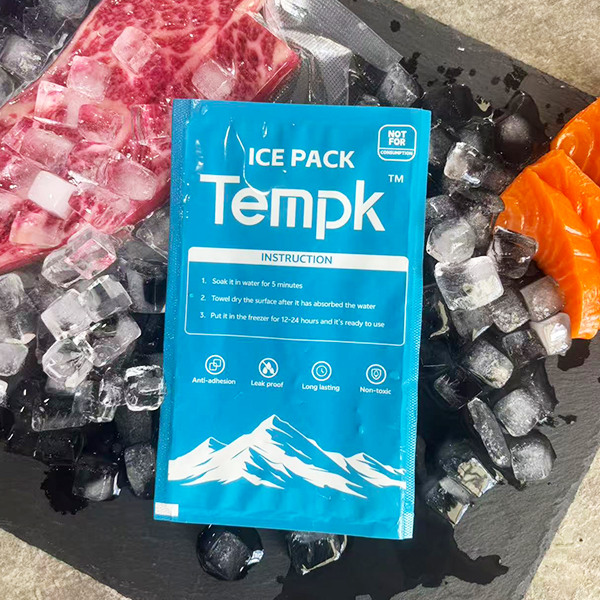
Kami adalah Tempk, merek kemasan pengontrol suhu yang didirikan 2011. Rangkaian produk kami yang diterbitkan meliputi Paket es, tas terisolasi dan kotak, penutup palet termal, pembawa suhu insulin, dan adat Kemasan yang dikendalikan suhu solusi untuk aplikasi makanan dan farmasi. Kami fokus pada pencocokan format kemasan dengan sensitivitas produk, kondisi rute, dan kebutuhan pengemasan yang praktis sehingga pembeli dapat memilih pengaturan rantai dingin yang lebih sesuai daripada mengandalkan sumber dingin yang umum. Untuk proyek pengemasan insulin, Rangkaian produk publik Tempk relevan karena mencakup pembawa suhu insulin dan kemasan khusus dengan pengatur suhu, memberi pembeli titik referensi untuk perlindungan medis format kecil dan desain pengiriman berinsulasi yang lebih luas.
Langkah selanjutnya
Mulailah diskusi dengan tata letak paket, pita suhu target, dan metode perakitan daripada meminta paket terdingin. Jika Anda membandingkan distributor, tanyakan bagaimana mereka menangani stocking, penambahan, dan konsistensi atas pengiriman berulang.