Distributor Dry Ice Pack Untuk Pengiriman Daging: Cara Memilih Paket yang Tepat
Seorang distributor Paket es kering untuk pengiriman daging layak dibeli hanya jika cocok dengan produknya, rute, dan bukti yang Anda butuhkan setelah melahirkan. Untuk daging, pertanyaan praktisnya bukan sekadar seberapa dingin kemasannya. Pembeli harus memastikan apakah mereka memerlukan es kering CO2 padat, paket yang dapat digunakan kembali dengan gaya es kering, PCM, Paket gel, atau yang memenuhi syarat pengirim terisolasi, lalu verifikasi bagaimana kinerja pilihan tersebut dengan kondisi muatan dan penanganan sebenarnya.
Keputusan praktis dalam satu paragraf
Untuk daging, jangan mulai dengan paket terdingin. Mulailah dengan kondisi produk yang diizinkan, kemudian pilih sumber dingin dengan risiko paling rendah yang dapat mendukung rute tersebut. Es kering dapat berguna untuk jalur daging beku saat ditayangkan, pelabelan, penanganan, isolasi, dan prosedur penerimaan direncanakan, sedangkan es kering mungkin berlebihan untuk daging dingin yang tidak boleh dibekukan atau untuk pengiriman dimana pengangkut tidak dapat menerima es kering. Pemasok akan membantu Anda memverifikasi kesesuaiannya dengan kotak sebenarnya, muatan, dan proses penanganannya.
Jelaskan arti paket es kering dalam ringkasan pembelian Anda
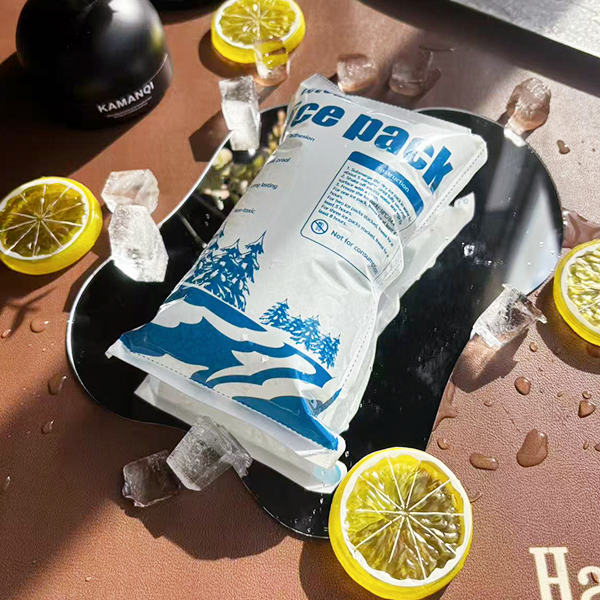
Ungkapan paket es kering harus diklarifikasi dalam setiap ringkasan pembelian. Jika itu berarti es kering karbon dioksida padat, pembeli harus merencanakan cuaca dingin yang ekstrem, ventilasi gas, tanda es kering, keselamatan penanganan, dan penerimaan operator. Jika itu berarti paket bergaya es kering yang dapat digunakan kembali, pembeli harus mengkonfirmasi materinya, metode hidrasi atau pembekuan, perilaku pendingin, kualitas penyegelan, dan apakah kemasannya dimaksudkan untuk didinginkan, beku, atau penggunaan buffer.
Definisi ini bukanlah rincian kata-kata. Untuk daging, itu mempengaruhi keamanan produk, pemilihan kemasan, buruh gudang, instruksi pelanggan, dan biaya logistik. Pemasok yang tidak dapat menjelaskan perbedaannya mungkin masih menjual satu paket, tetapi pembeli akan dibiarkan menemukan batasannya selama pengaduan, pengiriman yang ditolak, atau pengiriman percobaan yang gagal.
Ringkasan pembelian terbaik menggambarkan produk, kondisi yang diperlukan pada saat pengiriman, panjang rute, isolasi sudah direncanakan, paparan lingkungan yang diharapkan, dan dokumentasi apa pun yang dibutuhkan tim penerima. Dengan informasi itu, pemasok dapat merekomendasikan arah pengemasan daripada mengutip ukuran paket umum.
Cocokkan kemasannya dengan risiko daging, bukan untuk klaim durasi umum
Banyak pembeli yang meminta paket es kering yang tahan beberapa jam. Pertanyaan itu bisa dimengerti, tapi itu tidak lengkap. Waktu tunggu tergantung pada kotaknya, massa muatan, kuantitas paket, profil lingkungan, posisi bungkusan, bagaimana paket itu disegel, dan bagaimana penerima menanganinya. Nomor dari lembar data pemasok mungkin berguna untuk penyaringan, namun hal ini tidak boleh dianggap sebagai jaminan bagi setiap jalur.
Pertanyaan yang lebih baik adalah: kondisi apa yang harus dipenuhi daging di akhir perjalanan, dan bukti apa yang akan membuktikannya? Setelah itu ditentukan, tim pengemasan dapat membandingkan es kering, paket bergaya es kering, Paket gel, Paket PCM, dan opsi isolasi dengan lebih sedikit dugaan. Pendekatan ini juga mempermudah penjelasan paket kepada staf operasi.
Untuk daging, paket harus dirancang untuk mengontrol aliran panas, bukan hanya untuk menambah massa dingin. Lapisan penyangga, penempatan produk, isi karton, disiplin penutupan, dan pengkondisian awal seringkali sama pentingnya dengan paket itu sendiri.
Tabel keputusan untuk tinjauan pembelian
| Pertanyaan sebelum memesan | Jawaban pembeli yang lebih baik | Risiko jika diabaikan |
|---|---|---|
| Apa sebenarnya isi paket itu? | CO2 padat, paket gaya es kering terhidrasi, gel, atau PCM | Penanganan yang salah dan asumsi suhu yang salah |
| Kondisi produk apa yang harus sampai? | Dinginkan, beku, sangat dingin, atau sekadar keren | Kerusakan beku atau pengiriman hangat |
| Kotak dan muatan apa yang diuji? | Isolasi yang sama, massa produk, dan posisi paket yang direncanakan untuk digunakan | Waktu tunggu pemasok mungkin tidak berlaku |
| Siapa yang menangani dokumentasi? | Kualitas, logistik, pembawa, dan tim penerima | Pengiriman ditolak atau bukti hilang |
| Apakah sampelnya bisa diulang?? | Spesifikasi terkunci dan kontrol produksi | Pesanan massal bervariasi dari sampel yang disetujui |
Tabel ini tidak dimaksudkan untuk menggantikan uji coba paket. Ini membantu pembeli mengajukan pertanyaan yang tepat sebelum sampel dipesan, jadi pengujian pertama lebih mendekati kondisi pengoperasian sebenarnya. Ketika pemasok tidak dapat menjawab salah satu poin ini, perlakukan itu sebagai item untuk verifikasi dan bukan sebagai alasan untuk menebak.
Daftar periksa pembelian untuk kontrol sampel hingga produksi
Sebuah sampel bisa terlihat sukses karena dikemas dengan hati-hati oleh orang yang berpengalaman. Proses produksi berbeda. Lebih banyak pekerja yang terlibat, waktu pembekuan paket dapat bervariasi, pergantian kotak mungkin terjadi, dan tenggat waktu pengiriman dapat mempersingkat proses. Untuk daging, pembeli harus memutuskan bagaimana uji coba yang berhasil akan diterjemahkan ke dalam instruksi kerja yang berulang.
- Kunci jenis paket, ukuran, deskripsi bahan, dan metode pengkondisian sebelum pesanan produksi.
- Catat pengirim yang terisolasi, liner, massa muatan, dan posisi paket yang digunakan dalam uji coba.
- Konfirmasikan apakah paket yang sama berfungsi di musim panas dan dingin atau memerlukan penyesuaian musiman.
- Latih pengepakan tentang lapisan pemisah dan pembatasan kontak langsung.
- Tentukan apa yang harus diperiksa oleh tim penerima dan bukti apa yang harus mereka simpan.
Checklist ini sangat penting untuk kesiapan distributor karena biaya ketidakkonsistenan biasanya muncul setelah pesanan keluar dari gudang. Paket yang lebih murah dan memerlukan penanganan yang tidak jelas bisa jadi lebih mahal daripada paket yang sedikit lebih terstruktur.
Gunakan klaim yang hati-hati ketika tim kualitas atau regulator terlibat
Untuk daging, klaim kemasan yang kuat harus diperlakukan dengan hati-hati. Pemasok dapat menjelaskan bahan kemasan, penggunaan yang dimaksudkan, langkah-langkah pengkondisian, dan dukungan tes yang tersedia, namun keputusan akhir tergantung pada kebutuhan produk dan proses pengiriman. Hal ini sangat penting ketika kiriman berhubungan dengan medis, farmasi, atau distribusi vaksin, dimana dokumentasi dan tinjauan kualitas mungkin diperlukan.
Untuk es kering sebenarnya, pengirim harus memverifikasi barang berbahaya dan persyaratan pengangkut sebelum pengiriman. Paket umumnya harus memungkinkan pelepasan gas, dan penandaan mungkin diperlukan untuk transportasi udara. Untuk kemasan model es kering non-CO2, pembeli tetap harus memeriksa instruksi pembekuan, batasan kontak langsung, dan apakah paket tersebut telah diuji di pengirim yang dituju.
Bahasa pemasok yang paling aman adalah bahasa yang praktis dan bersyarat. Ini menjelaskan di mana paket itu sesuai, apa yang harus diverifikasi, dan apa yang tidak boleh diasumsikan. Kata-kata seperti itu mungkin terdengar kurang dramatis dibandingkan janji kinerja yang luas, tetapi ini melindungi pembeli dan pengguna akhir.
Contoh praktis menghindari sumber dingin yang salah
Tim pengadaan meminta solusi paket es kering karena pengiriman sebelumnya menjadi hangat selama transit. Setelah meninjau kebutuhan produk, tim menemukan bahwa daging harus tetap dingin tetapi tidak boleh terkena suhu beku yang ekstrim. Daripada beralih langsung ke es kering yang sebenarnya, tim meminta pemasok untuk membandingkan kemasan model es kering, Paket gel, Paket PCM, dan perubahan isolasi.
Proposal pemasok yang memiliki kinerja terbaik belum tentu merupakan yang terdingin. Inilah yang menjelaskan pemisahan produk, pengkondisian paket, kotak cocok, risiko rute, dan bukti yang diperlukan untuk persetujuan. Tim menjalankan uji coba dengan muatan aktual dan mencatat kondisi penerimaan sebelum merilis pesanan massal.
Contoh ini menunjukkan mengapa disiplin pembeli itu penting. Tujuannya bukan untuk menambahkan refrigeran yang lebih kuat; tujuannya adalah untuk melindungi produk sedemikian rupa sehingga gudang, pembawa, penerima, dan tim berkualitas dapat mengulanginya.
Tanda bahaya dalam proposal pemasok
Usulan mengenai daging harus menimbulkan kekhawatiran jika menjanjikan kesesuaian universal, menghindari mendefinisikan jenis paket, memberikan nomor waktu tunggu tanpa kondisi pengujian, atau mengabaikan perbedaan antara dingin, beku, dan persyaratan sangat rendah. Hal ini juga harus menimbulkan kekhawatiran jika pemasok tidak dapat menjelaskan bagaimana kemasan tersebut harus disimpan, dikondisikan, dan dipisahkan dari muatannya.
Alat pengambilan keputusan yang berguna
Periksa detailnya sebelum Anda memilih kemasan
Alat cepat ini dapat membantu Anda membandingkan risiko rute, kebutuhan ukuran, pilihan pendingin, dan detail kemasan sebelum Anda meminta penawaran.
Pemilih Kemasan
Bandingkan opsi kemasan berinsulasi berdasarkan produk, rute, dan kebutuhan suhu.
Temukan kemasannyaPelapis Kotak & Ukuran Penutup Palet
Centang kotak logika ukuran penutup palet dan liner untuk proyek pengemasan berinsulasi.
Perkiraan ukuranKalkulator Es Kering
Perkirakan kebutuhan es kering untuk pengiriman beku atau sangat dingin sebelum pengepakan.
Perkirakan es keringTanda bahaya lainnya adalah proposal yang menganggap dokumentasi hanya sekedar renungan. Bahkan untuk jalur makanan, pembeli mungkin perlu menerima catatan inspeksi, klaim dukungan investigasi, atau catatan paket sederhana. Untuk jalur medis dan farmasi, ekspektasi dokumentasi bisa lebih formal dan harus ditentukan sejak dini.
Proposal yang kuat biasanya lebih spesifik. Ini menjelaskan tujuan penggunaan, batasannya, apa yang harus diuji, dan informasi apa yang harus diberikan pembeli sebelum memesan. Hal ini membuat keputusan pembelian lebih aman bahkan ketika pemasok tidak dapat menjamin hasil setiap rute.
FAQ
Bagaimana cara membandingkan pemasok paket es kering distributor untuk pengiriman daging?
Bandingkan seberapa jelas setiap pemasok mendefinisikan jenis paket, penggunaan suhu yang dimaksudkan, metode pengkondisian, tata letak paket, bukti uji, dan konsistensi produksi. Pemasok yang menanyakan rute dan risiko produk Anda biasanya memberikan rekomendasi yang lebih aman dibandingkan pemasok yang hanya mengutip berdasarkan ukuran kemasan.
Informasi apa yang harus saya berikan kepada pemasok?
Berikan jenis produk, kondisi target saat pengiriman, ukuran kotak, berat muatan, panjang rute, modus operator, kemungkinan paparan lingkungan, dan apakah dokumentasi diperlukan. Untuk daging, juga jelaskan kepekaan terhadap pembekuan, kelembaban, tekanan, atau kerusakan presentasi.
Bisakah saya mengandalkan waktu tunggu yang dinyatakan?
Gunakan hanya sebagai titik penyaringan awal kecuali jika pemasok menjelaskan kondisi pengujian. Tahan perubahan waktu dengan isolasi, muatan, kuantitas paket, suhu sekitar, acara pembukaan, dan perilaku penerima.
Pengirim berinsulasi layak mendapatkan perhatian yang sama seperti halnya cairan pendingin. Bahan dinding, penutupan tutupnya, kesesuaian liner, ruang kepala kosong, pengaturan produk, dan kondisi karton semuanya mempengaruhi perolehan panas. Menambahkan lebih banyak cairan pendingin ke pengirim yang lemah dapat meningkatkan biaya dan risiko produk tanpa menyelesaikan masalah termal yang mendasarinya.
Salah satu alasan pembeli kesulitan dengan pengemasan daging adalah karena risiko suhu tidak terlihat pada saat pengemasan. Kotaknya mungkin terlihat benar, bungkusnya mungkin terasa dingin, dan kartonnya mungkin tersegel dengan rapi, namun produk masih dapat terkena suhu dingin setempat atau periode serah terima yang hangat. Metode paket tertulis membantu mengubah pemeriksaan visual menjadi proses yang dapat dikontrol.
Musiman harus ditinjau sebelum pesanan besar dirilis. Paparan musim panas mungkin memerlukan lebih banyak isolasi atau tingkat layanan yang berbeda, sementara paparan musim dingin dapat meningkatkan risiko pembekuan produk yang hanya memerlukan perlindungan dingin. Paket yang bagus bukan hanya solusi musim panas; ini juga mempertimbangkan pendinginan berlebihan pada cuaca dingin.
Untuk pembeli distributor, komunikasi pengemasan dapat menjadi biaya tersembunyi. Jika tim penjualan, staf gudang, dan pelanggan menggunakan ungkapan paket es kering secara berbeda, program mungkin melayang. Tentukan apakah produk tersebut merupakan es kering CO2 padat, paket terhidrasi, paket gel, atau paket bergaya PCM di semua dokumen internal.
Kosakata seputar logistik daging, pengiriman daging beku, pencegahan kebocoran, pengirim yang terisolasi dapat membingungkan, jadi pembeli harus menggunakan deskripsi sederhana dalam ringkasan pembelian. Jelaskan produknya, rute, kondisi pengiriman, dan kendala penanganannya. Biarkan pemasok merekomendasikan sumber dingin hanya setelah fakta tersebut diketahui.
Presentasi produk adalah bagian dari nilai rantai dingin. Karton basah, label yang melengkung, pembungkus yang keruh, muatan bocor, atau tanda beku dapat merusak kepercayaan pelanggan meskipun produk masih dapat digunakan. Untuk daging, kemasan harus melindungi kondisi teknis dan tampilan kiriman saat diterima.
Penerima juga mempengaruhi hasilnya. Untuk daging, tim penerima harus mengetahui apakah paket tersebut harus segera dibuka, apakah sisa cairan pendingin harus ditangani dengan sarung tangan, dan kondisi produk apa yang harus diperiksa sebelum menerima kiriman. Instruksi penerimaan yang jelas mengurangi klaim yang dapat dihindari.
Rekomendasi pemasok terbaik biasanya mencakup batasan. Pemasok yang menyatakan kapan sebaiknya tidak menggunakan kantong es kering mungkin lebih berguna dibandingkan pemasok yang menyatakan bahwa kantong es kering dapat digunakan di mana pun. Batasan membantu pembeli menghindari penerapan yang salah dan memilih alternatif yang lebih aman ketika rute atau produk tidak sesuai.
Percontohan yang berguna tidak perlu rumit, tapi itu harus jujur. Kemas produk asli atau muatan representatif, gunakan kotak yang dimaksud, ikuti proses gudang normal, dan memaparkan kiriman ke rute yang menyerupai penggunaan di masa depan. Hasil laboratorium yang sempurna mungkin tidak menunjukkan variabilitas gudang.
Kapan saya harus menghindari es kering sebenarnya?
Hindari es kering sebenarnya jika produk tidak boleh dibekukan, ketika operator tidak dapat menerimanya, ketika staf tidak dapat menanganinya dengan aman, atau ketika kemasan tidak dapat mengeluarkan gas karbon dioksida. Pertimbangkan paket gel, Paket PCM, atau metode pengiriman yang berbeda.
Kesimpulan
Paket es kering distributor untuk pengiriman daging adalah pembelian praktis ketika pembeli memperlakukannya sebagai salah satu bagian dari paket terkontrol. Tentukan kondisi produk yang diperlukan, pastikan apakah es kering sesuai, verifikasi posisi insulasi dan pengepakan, dan mintalah bukti yang cocok dengan rute Anda. Keputusan yang paling aman biasanya adalah keputusan yang memiliki batasan jelas, bukan klaim pendinginan terbesar.
Tentang Tempk
Tempk adalah kemasan rantai dingin merek Shanghai Tempk Industrial Co., Ltd. Kami mendukung pembeli yang membutuhkan pilihan kemasan makanan yang praktis, farmasi, medis, dan pengiriman sensitif suhu lainnya. Untuk daging, peran kami adalah membantu menghubungkan sumber dingin, kemasan terisolasi, muatan, dan proses penanganan sehingga pembeli dapat beralih dari peninjauan sampel ke rencana pemesanan yang lebih dapat diulang.
Kirim Tempk kebutuhan produk Anda, profil rute, muatan, dan tahap pembelian. Kami dapat membantu Anda membandingkan opsi pengemasan praktis sebelum berpindah dari pesanan sampel ke pesanan massal.