Grosir Paket Es Kering di Timur Tengah: Format, Pengujian, dan Pemilihan Pemasok
Jika Anda sedang mengevaluasi grosir paket es kering di Timur Tengah, mulailah dengan satu prinsip: membeli hasil pengiriman, bukan hanya paketnya. Dalam kategori ini, harga satuan tidak berarti apa-apa tanpa dimensi yang jelas, berat terhidrasi, konstruksi material, kesesuaian rute, dan bukti bahwa pemasok dapat mereproduksi kemasan yang sama berulang kali. Di Timur Tengah, suhu lingkungan yang sangat tinggi, bandara dan bea cukai tinggal, dan jalur distribusi lintas batas menjadikan realisme rute sebagai isu utama pembelian.
Pertama, Definisikan Produk dengan Benar
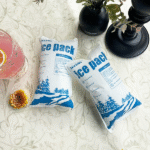
Sebelum membandingkan vendor atau harga, pastikan semua orang menginginkan produk yang sama. Di banyak daftar industri, kantong es kering adalah kantong atau lembaran berbentuk kering yang dihidrasi dengan air, beku, dan kemudian digunakan sebagai pendingin di dalam pengirim yang terisolasi. Ini mungkin tiba sebagai lembaran sel kecil, selimut yang lebih besar, kantong bergaya batu bata, atau format berbasis gel lainnya. Itu tidak sama dengan es kering karbon dioksida, yang mencapai suhu jauh lebih rendah, melepaskan gas saat ia menyublim, dan tunduk pada peraturan transportasi dan keselamatan tertentu. Membingungkan kedua istilah tersebut dapat menimbulkan kesalahan spesifikasi, kejutan biaya, dan bahkan masalah kepatuhan dalam pengiriman udara.
Sebagian besar produk dalam kategori ini menggunakan struktur film tertutup atau film-plus-bukan tenunan yang memiliki media penyerap air. Dalam banyak desain komersial, medianya adalah polimer superabsorben, terkadang dipasangkan dengan gel atau formulasi perubahan fase. Setelah air masuk ke dalam kemasan, bahan internal membengkak dan memerangkap cairan di dalam sel yang terpisah. Setelah membeku, sel-sel itu menyerap panas dari muatan dan membantu memperlambat kenaikan suhu. Format lembaran dapat membungkus sudut dan menyebarkan pendinginan lebih merata dibandingkan batu bata kaku, sedangkan format bata atau kantong lebih mudah ditumpuk dalam lapisan yang dapat diulang.
Bandingkan Opsi Refrigeran Utama Sebelum Anda Membeli
Lembar keadaan kering menarik bila Anda menginginkan cakupan yang fleksibel dan volume penyimpanan masuk yang rendah. Paket gel yang sudah diisi sebelumnya menarik jika Anda menginginkan persiapan sederhana dan penanganan berulang. Batu bata kaku atau batu bata PCM berguna saat menyusun urusan disiplin. Es kering karbon dioksida berada di kelas yang berbeda: ini adalah pilihan untuk aplikasi yang lebih dingin, tapi itu membawa ventilasi, penanganan, dan kewajiban pengangkutan yang bukan merupakan bagian dari kemasan gel terhidrasi biasa.
| Format | Rute yang sesuai | Perhatian utama |
|---|---|---|
| Paket lembaran terhidrasi | Cakupan menyeluruh dan volume penyimpanan masuk yang lebih rendah | Membutuhkan alur kerja hidrasi dan ruang untuk membengkak |
| Paket gel yang sudah diisi sebelumnya | Penerapan cepat dan penanganan yang konsisten | Kubus penyimpanan dan bobot pengangkutan lebih tinggi |
| Bata kaku atau bata PCM | Pengepakan lapisan berulang dan dukungan kuat | Kurang fleksibel di sekitar sudut dan bentuk yang aneh |
| Es kering karbon dioksida | Aplikasi beku ultra-dingin | Lubang angin, keamanan, dan aturan pengangkutan es kering |
Dimana Paket Ini Paling Cocok dalam Prakteknya
Paket kondisi kering dan refrigeran lembaran biasanya digunakan ketika tim memerlukan sumber dingin yang ringan untuk pengiriman makanan laut satu arah atau berulang., daging, susu, isian roti, kit makan, produk segar, dan barang-barang laboratorium atau diagnostik. Mereka juga digunakan dalam kemasan farmasi sekunder ketika pengirim penuh telah disesuaikan dengan rentang suhu dan durasi rute yang diketahui. Format lembaran fleksibel sangat berguna ketika muatan berbentuk tidak beraturan atau ketika cakupan di bagian atas dan samping lebih penting daripada membangun dinding kaku dari batu bata dingin..
Mereka kurang cocok ketika Anda membutuhkan transportasi bersuhu sangat rendah, ketika Anda tidak mengontrol alur kerja hidrasi dan pembekuan, atau ketika jalurnya sangat keras sehingga diperlukan pengirim berinsulasi berperforma lebih tinggi dan strategi pendingin yang lebih baik. Dalam banyak kasus, jawaban yang benar adalah tidak "paket lebih banyak." Ini adalah kombinasi pra-pengkondisian yang lebih baik, penempatan paket, isolasi, dan waktu pengiriman.
Di jalur iklim panas, margin kinerja menyusut dengan cepat. Paket mungkin menghabiskan waktu dalam pementasan, di kendaraan, atau di depot yang jauh lebih panas dibandingkan ruang uji laboratorium. Itu membuat pra-pendinginan menjadi tepat, disiplin rute, dan isolasi yang memadai lebih penting daripada kemampuan nominal kemasannya saja.
Pengkondisian Alur Kerja Lebih Penting Dari Yang Diharapkan Banyak Pembeli
Kemasan dalam keadaan kering memperkenalkan satu langkah operasional ekstra dibandingkan dengan kemasan gel yang sudah diisi sebelumnya: pengaktifan. Langkah itu terdengar sederhana, namun hal ini dapat menentukan apakah program berjalan dengan lancar. Tim memerlukan metode berulang untuk merendam atau menghidrasi kemasan, menghilangkan kelebihan air permukaan, dan membekukan kemasan cukup lama untuk mencapai kondisi yang diinginkan. Jika hidrasi tidak konsisten, beberapa sel mungkin masih kurang terisi. Jika bungkusan ditumpuk terlalu padat di dalam freezer, pembekuan bisa tidak merata. Jika kelebihan air permukaan tertinggal di luar, bungkusan tersebut mungkin membeku bersama dengan bungkusan di sekitarnya atau menimbulkan embun beku yang tidak perlu.
Untuk program bervolume rendah, masalah-masalah tersebut dapat dikelola. Untuk program grosir atau massal, mereka menjadi pertanyaan proses. Pembeli harus bertanya apakah operasi mereka dapat mendukung rutinitas yang direkomendasikan pemasok dalam skala besar. Lembaran kering yang sangat padat dapat terlihat ideal selama pengadaan namun menjadi tidak nyaman jika gudang memiliki kapasitas freezer yang terbatas atau jika operator membutuhkan penyelesaian yang cepat. Hal ini tidak membuat produk menjadi buruk. Artinya produk dan proses harus dirancang bersama.
Performa termal selalu menjadi pertanyaan sistem, bukan pertanyaan khusus paket. Kemasan yang sama dapat berperilaku sangat berbeda tergantung pada suhu awal barang, jenis isolasi, seberapa ketat muatan dimuat, berapa banyak udara kosong yang tersisa di dalam kotak, dan apakah kiriman tersebut berada di dalam van, di aspal, atau di kandang depot. Itulah sebabnya pembeli berpengalaman mengabaikan klaim waktu tunda judul dan meminta logika paket khusus rute, bukan hanya satu pernyataan pemasaran.
Seperti Apa Bukti Bagusnya
Bukti rantai dingin tidak perlu rumit, tapi itu harus relevan. Bukti yang berguna menjelaskan metode pengkondisian, tipe pengirim, jumlah muatan, penempatan zat pendingin, dan paparan lingkungan yang digunakan selama pengujian. Bukti yang lebih baik juga membedakan antara jalur mudah dan jalur sulit daripada menyajikan satu klaim luas untuk setiap kasus penggunaan.
Untuk pembeli, langkah praktisnya adalah meminta dua tingkat pembuktian. Yang pertama adalah bukti tingkat pemasok: lembar spesifikasi, informasi materi, dan panduan pengujian atau penanganan apa pun yang telah dimiliki pemasok. Yang kedua adalah bukti tingkat program: pengiriman percontohan atau pemeriksaan termal menggunakan paket dan logika rute Anda sendiri. Tingkat kedua adalah saat keputusan pembelian menjadi dapat diandalkan, karena ini menunjukkan apakah format tersebut bertahan dalam penanganan nyata dan mendukung pita target dalam kondisi realistis.
Realitas Rute Di Timur Tengah
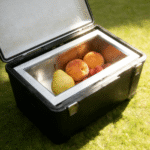
Di Timur Tengah, pertanyaan yang menentukan sering kali adalah pengelolaan panas pada waktu tunggu yang tidak dapat diprediksi. Paket lembaran atau gel yang terlihat dapat diterima dalam demonstrasi suhu ruangan singkat mungkin tidak cukup setelah dimasukkan, paparan jalan, penundaan bea cukai, dan pengiriman jarak jauh. Pembeli yang kuat di wilayah ini mendorong evaluasi jalur panas yang realistis dan sering kali lebih memilih pemasok yang dapat mendukung bahan pendingin bersama dengan pengirim berinsulasi..
Untuk wilayah ini, kemampuan untuk menggabungkan paket zat pendingin dengan kotak atau pelapis berinsulasi sering kali lebih penting daripada paketnya saja.
Alat pengambilan keputusan yang berguna
Periksa detailnya sebelum Anda memilih kemasan
Alat cepat ini dapat membantu Anda membandingkan risiko rute, kebutuhan ukuran, pilihan pendingin, dan detail kemasan sebelum Anda meminta penawaran.
Referensi Bahan Isolasi
Bandingkan pilihan bahan insulasi untuk kebutuhan pengemasan rantai dingin yang berbeda.
Bandingkan bahanPelapis Kotak & Ukuran Penutup Palet
Centang kotak logika ukuran penutup palet dan liner untuk proyek pengemasan berinsulasi.
Perkiraan ukuranPemilih Kemasan
Bandingkan opsi kemasan berinsulasi berdasarkan produk, rute, dan kebutuhan suhu.
Temukan kemasannyaYang Harus Diperiksa Pembeli Sebelum Memesan Grosir di Timur Tengah
Pembelian grosir biasanya menjadi alasan keekonomian kemasan kering menjadi menarik. Karena paket disimpan dalam keadaan datar sebelum aktivasi, Anda dapat memindahkan lebih banyak unit per karton dan menyimpan lebih banyak stok di lokasi gudang yang sama dibandingkan dengan paket gel yang sudah diisi sebelumnya. Hal ini tidak secara otomatis membuat penggunaannya menjadi lebih murah, meskipun. Perbandingan sebenarnya harus mencakup tenaga kerja hidrasi, ruang freezer, alur kerja pengambilan paket, tingkat limbah, dan risiko membeli secara berlebihan format yang tidak sesuai dengan pengirim Anda.
Saat membandingkan penawaran grosir di Timur Tengah, minta rincian yang melampaui harga satuan. Anda ingin ukuran kering, ukuran terhidrasi, unit per karton bagian dalam dan induk, jumlah palet, opsi label pribadi, kondisi pengaturan pencetakan, dan perubahan apa pun dalam MOQ saat Anda berpindah dari desain stok ke film khusus atau tata letak sel khusus. Untuk wilayah ini, kemampuan untuk menggabungkan paket zat pendingin dengan kotak atau pelapis berinsulasi sering kali lebih penting daripada paketnya saja.
Permintaan regional semakin didorong oleh pangan yang sensitif terhadap suhu, Perawatan kesehatan, dan arus e-niaga yang membutuhkan pengemasan yang dapat berfungsi di cuaca panas, tidak hanya di atas kertas. Untuk program satu arah yang besar, tanyakan juga bagaimana pemasok melindungi stok kering dari kelembapan sebelum digunakan dan bagaimana mereka mengemasnya untuk transit laut atau lintas batas. Paket yang tiba dalam kondisi rusak akibat kelembapan telah kehilangan keunggulan biayanya.
Sebelum melakukan pemesanan grosir, periksa lima hal dengan cermat:
- Apakah kemasan tersebut dimaksudkan untuk dihidrasi oleh Anda atau disediakan sudah diisi sebelumnya.
- Apakah ketebalan dan berat yang dikutip mengacu pada keadaan kering atau keadaan beku terhidrasi.
- Apakah klaim masa pakai dingin mengacu pada kemasannya saja atau pada sistem kotak berinsulasi lengkap.
- Apakah ada toleransi ukuran yang jelas, berat, dan mencetak.
- Apakah situs Anda memiliki kapasitas freezer dan pementasan yang cukup untuk mengaktifkan volume yang ingin Anda beli.
Daftar Periksa Pemasok yang Praktis
Sebelum Anda berpindah dari tahap sampel ke produksi atau pembelian berulang, pastikan tinjauan mencakup sebagian besar poin-poin ini:
- Kesesuaian internal dan eksternal: ukuran kering, ukuran terhidrasi, dan bagaimana paket tersebut berada di dalam pengirim sebenarnya.
- Massa dingin yang bisa digunakan: berat terhidrasi, suhu yang dikondisikan, dan berapa banyak volume kotak yang dikonsumsi zat pendingin.
- Konstruksi bahan: jenis film atau laminasi, penguatan bukan tenunan, dan resin atau sistem penyerap yang dinyatakan.
- Penutupan dan integritas: pola segel, ketahanan terhadap kebocoran, kontrol ledakan, dan toleransi terhadap sel lemah.
- Efisiensi penanganan: kemampuan ditumpuk, panduan yang sesuai, kesesuaian sampul, dan apakah kemasan yang sudah dicairkan tetap bersih untuk ditangani.
- Kebersihan dan ketertelusuran: SDS, banyak pengkodean, label karton, dan pernyataan material atau kontak makanan apa pun yang Anda perlukan.
- istilah komersial: Moq, stok versus waktu tunggu khusus, kondisi pengaturan pencetakan, dan jumlah karton atau palet.
- Konsistensi: bagaimana sampel persetujuan disesuaikan dengan produksi dan bagaimana perubahan dikomunikasikan.
- Kesesuaian rute: apakah paket dipilih untuk rentang suhu sebenarnya, durasi transit, dan penanganan lingkungan.
Kepatuhan, Kualifikasi, dan Dokumentasi
Paket dingin adalah komponen, bukan jalan pintas kepatuhan. Untuk keperluan farmasi atau kesehatan, pertanyaan kritisnya adalah apakah konfigurasi pengiriman lengkap dapat mempertahankan kisaran suhu yang diinginkan pada rute yang diinginkan. Panduan publik dari Health Canada dan materi peraturan yang berorientasi PDB menekankan transportasi sesuai dengan kondisi penyimpanan yang diberi label atau kondisi transportasi yang didukung oleh data. Prinsip itu berlaku baik Anda menggunakan paket gel sederhana, lembaran terhidrasi, batu bata PCM, atau es kering karbon dioksida sejati.
Oleh karena itu, dokumentasi harus disesuaikan dengan aplikasi. Untuk distribusi terkait makanan, pembeli mungkin memerlukan pernyataan material, informasi SDS, dan pernyataan kontak makanan atau kontak tidak langsung yang relevan. Untuk program laboratorium dan farmasi, keterlacakan, instruksi paket, bukti termal, dan disiplin pengendalian perubahan lebih penting daripada sertifikat pemasaran umum. Jika pengiriman menggunakan es kering karbon dioksida yang sebenarnya, kewajiban pengangkutan tambahan berlaku karena paket harus mengeluarkan gas dan mengikuti persyaratan penandaan dan penanganan khusus es kering. Paket gel terhidrasi menghindari profil bahaya es kering tertentu, namun mereka masih memerlukan bukti yang sesuai dengan tujuannya.
Tinjauan kepatuhan praktis juga membedakan antara wadah penanganan yang dapat digunakan kembali dan sistem kontrol suhu yang memenuhi syarat. Peti bersih yang dapat digunakan kembali dapat meningkatkan penanganan dan kebersihan, namun tetap tidak memberikan perlindungan termal yang berarti. Lembaran kering yang fleksibel dapat memberikan pendinginan yang berguna, namun masih belum memadai tanpa kotak terisolasi yang tepat dan validasi rute. Pembeli di sektor yang diatur harus menganggap perbedaan tersebut sebagai hal yang mendasar, bukan opsional.
FAQ
Apakah paket es kering sama dengan es kering karbon dioksida?
TIDAK. Di banyak katalog kemasan, paket es kering adalah paket gel atau pendingin kering yang dihidrasi dan dibekukan sebelum digunakan. Es kering karbon dioksida adalah zat pendingin yang sepenuhnya berbeda. Itu menyublimkan, membutuhkan ventilasi, dan memiliki peraturan pengangkutan dan keselamatan yang tidak berlaku sama untuk kemasan gel terhidrasi.
Bisakah paket ini digunakan untuk pengiriman farmasi?
Mereka mungkin cocok sebagai bagian dari pengirim berinsulasi yang memenuhi syarat, tetapi kesesuaian tergantung pada produknya, kisaran suhu, durasi rute, dan desain paket. Untuk produk obat, pembeli harus bekerja berdasarkan kondisi penyimpanan yang diberi label atau kondisi pengangkutan yang didukung oleh data daripada berasumsi bahwa paket dingin apa pun secara otomatis dapat diterima.
Apa yang harus saya uji sebelum menyetujui pesanan massal?
Uji kemasan sebenarnya pada kotak atau liner berinsulasi yang Anda inginkan. Sertakan suhu awal produk, metode pengkondisian, paparan musiman panas dan dingin, penanganan paket jika relevan, dan menerima cek. Bandingkan juga sampel persetujuan dengan sampel produksi, begitu ukurannya, massa terhidrasi, dan kualitas segel tidak melayang nantinya.
Apa kesalahan pembelian yang paling umum?
Kesalahan paling umum adalah membandingkan kemasan hanya berdasarkan waktu tunggu atau harga per buah. Pembeli mendapatkan hasil yang lebih baik dengan membandingkan dimensi kering dan terhidrasi, konstruksi film, alur kerja hidrat-dan-beku, dan bukti bahwa pemasok dapat mereproduksi kemasan yang sama secara konsisten.
Kesimpulan
Keputusan pembelian yang kuat dalam kategori ini jarang sekali tentang menemukan paket terdingin atau termurah. Ini tentang mencocokkan format zat pendingin yang tepat dengan sistem insulasi yang tepat, kemudian memilih pemasok yang dapat mereproduksi spesifikasi tersebut secara konsisten. Setelah Anda menentukan jalurnya, pita suhu target, dan alur kerja paket dengan jelas, perbandingannya menjadi jauh lebih obyektif.
Tentang Tempk
Dan Tempk, kami mengerjakannya Kemasan yang dikendalikan suhu untuk makanan, farmasi, dan pengiriman sensitif lainnya. Rangkaian produk publik kami meliputi Gel Ice Packs, hidrasi Paket es kering, tas terisolasi, kotak pendingin, penutup palet termal, dan solusi pengemasan khusus yang lebih luas di berbagai zona suhu. Kami fokus pada mencocokkan format zat pendingin dan struktur pengirim dengan kondisi transportasi nyata sehingga pembeli dapat membandingkan opsi praktis sebelum memperluas skala program.
Langkah selanjutnya
Jika Anda membandingkan format paket atau pemasok, mintalah rekomendasi yang dibuat berdasarkan suhu target Anda, waktu transit, dan kondisi penanganan. Hal ini membuat keputusan pembelian dan penyesuaian dalam jumlah besar jauh lebih mudah dilakukan.