Panduan Seleksi Praktis Kotak EPP untuk Layanan Persiapan Makanan
Cara teraman untuk memilih kotak EPP adalah untuk menentukan pekerjaan yang harus dilakukan sebelum membahas ukuran, warna, logo, atau harga satuan. Kotak EPP untuk layanan persiapan makanan harus melindungi nampan makanan yang tersegel, paket salad, mangkuk protein, saus, makanan penutup, minuman, dan pesanan berlangganan mingguan selama pengiriman batch, pengiriman multi-stop, kantor turun, pendukung kendaraan berpendingin, dan loop kontainer yang dapat dikembalikan. Itu juga harus sesuai dengan cara staf berkemas, mengangkat, tumpukan, label, membersihkan, dan mengembalikan wadahnya. Artikel ini menjelaskan cara mengevaluasi kotak sebagai alat pengoperasian, tidak hanya sebagai produk busa terisolasi, sehingga Anda dapat menghindari kesalahan spesifikasi umum sebelum memesan sampel atau melakukan pembelian massal.
Jawaban praktis: Kotak EPP untuk layanan persiapan makan berfungsi paling baik jika format produknya, durasi rute, jalur penanganan, dan loop pembersihan diketahui sebelum kotak dipilih. Bahannya dapat mendukung insulasi dan bantalan, namun pengendalian proses harian menentukan apakah hasilnya dapat diandalkan.
Mulailah Dengan Pekerjaan kotak EPP untuk layanan persiapan makan
Kotak EPP untuk layanan persiapan makanan harus dinilai berdasarkan pekerjaan yang dilakukannya. Untuk topik ini, pekerjaannya adalah mengangkut makanan siap saji dari dapur ke titik pengiriman, loker penjemputan, kantor, pusat kebugaran, atau rute pengantaran ke rumah. Itu termasuk perlindungan produk, kecepatan penanganan, buffering termal, pembersihan, dan ulangi penggunaan. Jika Anda hanya menentukan ukuran kotak, Anda menyerahkan terlalu banyak keputusan kepada staf selama pengiriman.
Titik awal yang lebih baik adalah menulis deskripsi pengoperasian singkat: apa yang ada di dalam, bagaimana hal itu dikemas, siapa yang membawanya, di mana ia menunggu, seberapa sering dibuka, dalam kondisi apa produk harus tiba, dan bagaimana kotak itu kembali. Deskripsi ini memberikan informasi berguna kepada pemasok dan memberi tim Anda cara untuk menilai sampel secara adil.
EPP bisa menjadi pilihan yang kuat karena memadukan bobot yang rendah, Bantalan, dan isolasi. Namun itu tidak boleh dijual secara berlebihan. A kotak busa tidak membuat rantai dingin tervalidasi dengan sendirinya. Ini mendukung paket dan alur kerja yang masih perlu disesuaikan dengan produk dan rute.
Pengemasan persiapan makanan harus membuat pengepakan harian dapat diulang, tidak hanya membuat merek terlihat berkelanjutan.
Empat Pemeriksaan Kesesuaian yang Mencegah Sebagian Besar Kesalahan
Pemeriksaan kesesuaian yang pertama adalah kesesuaian produk. Tempatkan kemasan produk asli di dalam sampel, termasuk nampan, tas, karton, jangka pembagi garis, dan cairan pendingin atau sisipan apa pun. Periksa apakah baki makanan tersegel, paket salad, mangkuk protein, saus, makanan penutup, minuman, dan pesanan berlangganan mingguan dapat dikemas tanpa menutup paksa atau meninggalkan celah besar yang tidak stabil.
Pemeriksaan kecocokan kedua adalah penanganan kecocokan. Pindahkan kotak yang dimuat melalui jalur sebenarnya: meja produksi, rak pementasan, kendaraan, serah terima pelanggan, penyimpanan kembali, dan area pembersihan. Perhatikan kenyamanan genggaman, keseimbangan, menumpuk, dan apakah kotak tersebut menghalangi jarak pandang atau pergerakan di ruang sempit.
Pemeriksaan kesesuaian ketiga adalah kesesuaian termal. Tentukan apakah tujuannya hanya untuk memperlambat perubahan suhu selama rute pendek atau untuk mendukung paket yang lebih terkendali. Untuk produk dengan persyaratan ketat, kotak membutuhkan cairan pendingin pendukung, pemantauan, dan bukti khusus rute. Untuk makanan yang kurang sensitif, uji coba rute praktis mungkin cukup untuk memastikan kesesuaian.
Pemeriksaan kecocokan yang keempat adalah penggunaan kembali kecocokan. Putuskan bagaimana kotak itu akan dipulihkan, dibersihkan, kering, diperiksa, tersimpan, dan pensiun. Penggunaan kembali bukan hanya sekedar properti material; ini adalah rutinitas manajemen.
- Konfirmasikan seberapa tertutupnya baki makanan, paket salad, mangkuk protein, saus, makanan penutup, minuman, dan pesanan berlangganan mingguan dikemas sebelum dimasukkan ke dalam kotak.
- Periksa apakah staf dapat mengangkat dan menutup wadah dengan aman ketika sudah penuh.
- Pisahkan perlindungan produk langsung dari isolasi termal pasif dalam spesifikasi Anda.
- Tulis aturan pembersihan dan inspeksi sederhana sebelum pembelian massal pertama.
Apa yang Harus Dikonfirmasi Sebelum Berpindah Dari Sampel ke Pesanan Massal
Perpindahan dari pesanan sampel ke pesanan massal memerlukan tingkat disiplin yang berbeda. Sampel memberi tahu Anda apakah konsep tersebut mungkin berhasil. Pesanan massal membutuhkan kepastian dimensi yang sama, kualitas permukaan, tutup pas, warna, masukkan pas, dan metode pengepakan akan berulang.
Minta pemasok untuk mengkonfirmasi dimensi internal dan eksternal, informasi materi, dokumen kontak makanan jika relevan, warna yang tersedia, kemasan karton, pendekatan inspeksi, dan apa yang terjadi jika perkakas atau material berubah. Jika aplikasi Anda bergantung pada sisipan, Label, atau tutup khusus, konfirmasikan aksesori tersebut sebagai bagian dari tinjauan yang sama dan bukan sebagai renungan.
Tabel di bawah ini merangkum pemeriksaan yang biasanya mencegah kesalahan paling mahal.
| Pertanyaan yang cocok | Apa yang harus dikonfirmasi | Risiko jika diabaikan |
|---|---|---|
| Apakah kotaknya sesuai dengan muatannya? | Ukur nampan makanan yang tertutup rapat, paket salad, mangkuk protein, saus, makanan penutup, minuman, dan pesanan berlangganan mingguan dengan semua separator atau cairan pendingin | Barang lepas berpindah; beban yang ketat akan hancur |
| Bisakah staf menanganinya secara penuh? | Uji angkat, tangga, rak van, dan serah terima | Sampel kosong yang baik mungkin gagal selama rute sibuk |
| Apakah peran termal realistis?? | Konfirmasikan apakah Anda hanya memerlukan pendukung pergerakan makanan dingin atau hangat saat mengemasnya, waktu pengiriman, dan proses penerimaan dikontrol atau paket yang memenuhi syarat | Isolasi saja mungkin tidak memenuhi persyaratan produk yang sensitif |
| Bisakah pemasok mengulanginya? | Tinjau toleransi produksi, kemasan, dan mengubah kendali | Pesanan massal mungkin menyimpang dari sampel yang disetujui |
Pemeriksaan ini sederhana, namun mereka menjauhkan diskusi dari klaim yang tidak jelas. Daripada bertanya apakah kotaknya kuat, tanyakan beban dan kondisi penanganan apa yang ingin didukungnya. Daripada bertanya apakah suhunya tetap terjaga, tanyakan dalam kondisi paket dan rute apa pernyataan itu bermakna.
Skenario Khas dan Cara Mengevaluasinya
Dapur persiapan makan yang mengemas ratusan nampan sebelum pengiriman di pagi hari membutuhkan kotak yang sesuai dengan tumpukan nampan, paket dingin, urutan rute, dan penanganan pengembalian. Sebuah kotak yang terlihat efisien saat online dapat memperlambat proses jika staf harus memikirkan setiap muatan.
Untuk mengevaluasi skenario itu, pembeli tidak boleh memulai dengan perbandingan katalog saja. Tim harus mengemas barang yang sebenarnya, tutup penutupnya, membawa kotak itu melalui jalur rute, biarkan di area pementasan yang diharapkan, membukanya seperti yang dilakukan staf selama pengiriman, dan periksa wadah yang dikembalikan setelah dibersihkan.
Selama persidangan, perhatikan masalah yang mudah terlewatkan: label produk bergesekan dengan dinding, pengumpulan kondensasi di sudut, staf memenuhi kotak secara berlebihan, pegangan menekan ke tangan, tutupnya ditempatkan di lantai yang kotor, atau kotak kembali dengan isi campuran. Detail ini mengungkapkan apakah desain yang dipilih dapat menjadi standar yang dapat diulang.
Jika produknya rapuh, mahal, atau sensitif terhadap suhu, menambahkan lebih banyak kehati-hatian. Uji coba visual singkat mungkin tidak cukup. Tim mungkin memerlukan pencatatan suhu yang terkontrol, penempatan cairan pendingin yang ditentukan, menjatuhkan atau menangani pemeriksaan, dan menerima kriteria inspeksi sebelum menyetujui kotak tersebut untuk peluncuran yang lebih luas.
Saat Kotak Membutuhkan Dukungan Dari Paket yang Lebih Lengkap
Kotak EPP untuk layanan persiapan makanan mungkin memerlukan dukungan dari komponen pengemasan lainnya. Sisipan dapat mengontrol posisi produk. Pemisah dapat mengurangi gesekan. Paket gel atau paket perubahan fase dapat mendukung rute dingin jika dipilih dengan benar. Liner dapat membantu kebersihan atau pemisahan. Label dapat mendukung ketertelusuran dan kontrol pengembalian.
Alat pengambilan keputusan yang berguna
Periksa detailnya sebelum Anda memilih kemasan
Alat cepat ini dapat membantu Anda membandingkan risiko rute, kebutuhan ukuran, pilihan pendingin, dan detail kemasan sebelum Anda meminta penawaran.
Pemilih Kemasan
Bandingkan opsi kemasan berinsulasi berdasarkan produk, rute, dan kebutuhan suhu.
Temukan kemasannyaPelapis Kotak & Ukuran Penutup Palet
Centang kotak logika ukuran penutup palet dan liner untuk proyek pengemasan berinsulasi.
Perkiraan ukuranPemeriksa Risiko Rute
Tinjau kondisi jalur sebelum memilih kemasan untuk mengetahui kebutuhan pengoperasian sebenarnya.
Periksa risiko ruteRisikonya adalah dengan asumsi bahwa penambahan komponen selalu meningkatkan kinerja. Lebih banyak cairan pendingin dapat merusak beberapa produk jika menyebabkan pembekuan atau kondensasi lokal. Sisipan dapat melindungi satu produk sekaligus mempersulit pembersihan. Lapisan dapat membantu menahan tumpahan, namun dapat memperlambat pengeringan atau menambah limbah. Setiap komponen pasti mempunyai alasan.
Di sinilah pentingnya komunikasi pembeli dan pemasok. Bagikan rutenya, format produk, tujuan paket, dan kendala operasional. Rekomendasi yang baik bergantung pada apakah pengirimannya merupakan pengiriman satu arah, lingkaran yang dapat digunakan kembali, menjalankan katering, rute toko roti, program berlangganan makanan, atau proyek pasokan grosir.
Jangan gunakan satu format kotak yang dapat digunakan kembali untuk setiap paket makan sampai Anda menguji ukuran baki sebenarnya dan urutan pengiriman.
Catatan Pembeli Tambahan Sebelum Persetujuan Akhir
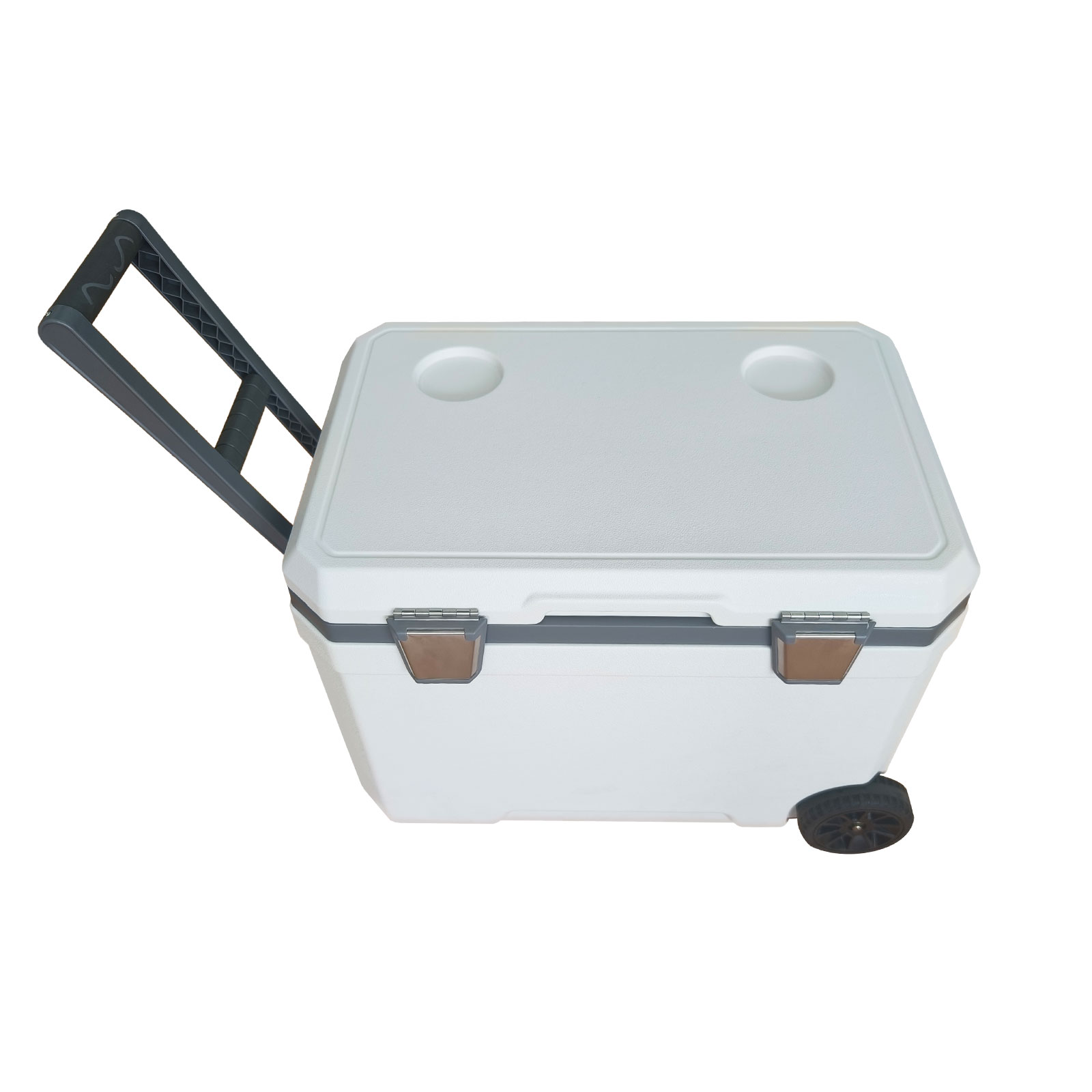
Polipropilena yang diperluas adalah busa sel tertutup yang terbuat dari manik-manik polipropilen. Dalam kemasan, struktur itu berguna karena bahannya ringan, ulet, dan isolasi termal pada saat yang sama. Untuk kotak EPP untuk layanan persiapan makan, properti itu hanyalah titik awal. Desain yang dibentuk, antarmuka tutup, profil dinding, kesesuaian muatan, dan rutinitas pembersihan menentukan apakah kotak tersebut berfungsi dengan baik setelah penanganan selama berminggu-minggu.
Wadah EPP yang dapat digunakan kembali juga harus dijelaskan perannya. Ini mungkin wadah penanganan, kotak luar pelindung, kotak transportasi makanan terisolasi, atau satu bagian dari paket pasif yang dikontrol suhu. Peran-peran ini tumpang tindih, tapi keduanya tidak identik. Jika produk sensitif terhadap suhu, pembeli masih perlu menentukan kondisi awal produk, durasi rute, paparan lingkungan, pilihan pendingin, frekuensi pembukaan, dan menerima pemeriksaan.
Untuk aplikasi makanan, bahasa materi harus tepat. Kesesuaian food grade tidak dibuktikan dengan kata EPP saja. Pembeli harus meminta dokumen yang sesuai dengan pasar dan situasi kontak makanan, terutama jika makanan tanpa kemasan, permukaan berminyak, barang panas, atau pencucian berulang-ulang terlibat. Jika produk selalu dalam kemasan eceran yang tertutup rapat, dokumentasi dan risiko pembersihan mungkin berbeda dengan kontak langsung dengan makanan.
Daur ulang juga memerlukan batasan praktis. Polypropylene dikaitkan dengan aliran resin yang dapat didaur ulang di banyak pasar, dan EPP sering dipromosikan sebagai bahan yang dapat didaur ulang, tetapi rute akhir masa pakainya bergantung pada pengumpulan lokal, tingkat kontaminasi, warna, Label, dan apakah operator dapat mengkonsolidasikan kotak yang dikembalikan. Rencana penggunaan kembali yang pertama biasanya memiliki nilai operasional yang lebih kuat dibandingkan klaim daur ulang yang tidak jelas di akhir masa pakainya.
Pertanyaan pemasok layak untuk ditanyakan
- Apa dimensi internalnya, dan apakah termasuk sudut lancip atau membulat?
- Produk yang mana, nampan, sisipan, atau paket pendingin dipertimbangkan ketika merekomendasikan ukuran ini?
- Dokumen apa yang mendukung klaim kontak makanan atau material untuk target pasar?
- Bagaimana seharusnya kotak itu dibersihkan, kering, diperiksa, dan disimpan di antara penggunaan?
- Akankah unit produksi cocok dengan sampel yang disetujui dalam kesesuaian tutup, kualitas permukaan, ukuran, dan aksesoris?
- Bagaimana kotak dikemas untuk pengiriman ekspor atau domestik agar tidak sampai dalam keadaan cacat?
- Bagaimana proses persetujuan perubahan materi, perkakas, warna, menyisipkan, atau kemasan karton?
Catatan Tinjauan Lapangan untuk Implementasi
Akhirnya, melibatkan orang-orang yang akan menggunakan kotak tersebut. Pengemudi, staf dapur, pemetik gudang, dan penerima sering kali memperhatikan permasalahan yang tidak dapat dilihat oleh pihak pengadaan dari lembar spesifikasi. Umpan balik mereka tentang cengkeraman, kecepatan tutup, tinggi tumpukan, bau, residu, dan pola pemuatan dapat mencegah terulangnya pembelian yang buruk di seluruh armada.
Kotaknya juga harus sesuai dengan realitas penyimpanan Anda. Beberapa operasi memiliki banyak ruang; yang lain bekerja dari dapur kecil, ruang belakang yang sempit, atau kendaraan yang mengutamakan setiap sentimeter. Penyimpanan kotak kosong, ruang pengeringan, dan karantina kotak yang rusak adalah bagian dari keputusan pembelian, padahal jarang dipajang di foto katalog.
Pelabelan juga perlu mendapat perhatian yang sama. Kotak EPP untuk layanan persiapan makanan dapat dipindahkan melalui produksi, menugaskan, pemuatan kendaraan, serah terima pelanggan, dan mengembalikan penyimpanan. Jika area label tidak jelas, staf mungkin menempelkan selotip atau stiker pada permukaan yang sulit dibersihkan. Zona label yang ditentukan, praktik label yang dapat dilepas, atau sistem tag yang dapat digunakan kembali dapat mengurangi residu dan kebingungan.
Menerima pemeriksaan seringkali diabaikan. Ketika sebuah kotak tiba kembali dari pengiriman batch, pengiriman multi-stop, kantor turun, pendukung kendaraan berpendingin, dan loop kontainer yang dapat dikembalikan, seseorang harus memutuskan apakah cukup bersih untuk digunakan kembali, perlu dicuci, perlu dikeringkan, atau harus dihapus dari layanan. Keputusan ini melindungi pengiriman berikutnya. Jika wadah kotor dan bersih tercampur, bahkan kotak yang dirancang dengan baik dapat menimbulkan risiko operasional.
FAQ
Apa hal pertama yang harus diperiksa pada kotak EPP untuk layanan persiapan makan?
Periksa apakah kotak tersebut sesuai dengan produk dan rute sebenarnya. Ukur produk yang dikemas, langkah penanganan, ruang kendaraan, dan proses pengembalian sebelum fokus pada warna atau logo. Kotak yang sesuai dengan deskripsi katalog tetapi tidak sesuai dengan alur kerja akan menyebabkan gesekan harian.
Kapan kotak EPP berinsulasi tidak cukup?
Ini mungkin tidak cukup bila produk memerlukan kisaran suhu yang ketat, kualifikasi terdokumentasi, paparan jangka panjang yang tidak terkendali, atau sering dibuka. Dalam kasus tersebut, kotak tersebut harus dievaluasi sebagai bagian dari paket penuh dengan cairan pendingin, pemantauan, dan pengujian khusus rute.
Bagaimana cara membandingkan pemasok tanpa hanya mengandalkan harga?
Bandingkan kualitas sampel, dimensi dalam, dokumen material, tutup pas, perilaku menumpuk, panduan pembersihan, konsistensi produksi, dan kesediaan pemasok untuk mendiskusikan rute Anda. Harga satuan yang rendah bisa menjadi mahal jika kotak rusak selama penanganan atau perlu sering diganti.
Haruskah saya menyesuaikan kotaknya?
Sesuaikan hanya jika kebutuhannya jelas. Sisipan, logo, warna, menangani perubahan, dan ukuran khusus dapat meningkatkan alur kerja, namun hal ini juga dapat menambah biaya dan penundaan. Validasi versi standar terlebih dahulu, lalu sesuaikan dengan persyaratan pengoperasian yang telah terbukti.
Kesimpulan
Kotak EPP untuk layanan persiapan makanan harus dipilih sebagai aset operasi, bukan sebagai kotak busa generik. Tentukan bebannya, rute, jalur penanganan, ekspektasi termal, lingkaran pembersih, dan bukti pemasok sebelum menyetujui sampel.
Setelah detailnya jelas, pilihan akhir menjadi lebih mudah. Anda dapat membandingkan desain berdasarkan kecocokan, pengulangan, dan dokumentasi dibandingkan hanya mengandalkan klaim pemasaran yang luas atau harga satuan saja.
Tentang tempk
Tempk adalah a kemasan rantai dingin merek Shanghai Tempk Industrial Co., Ltd. Kami menyediakan format produk seperti Kotak berinsulasi EPP, Gel Ice Packs, kantong es berisi air, tas terisolasi, pelapis kotak, Dan penutup palet termal. Untuk pembeli yang mengevaluasi kotak EPP untuk layanan persiapan makanan, kami dapat membantu membandingkan opsi praktis seputar muatan, kondisi rute, perencanaan penggunaan kembali, dan dokumentasi pemasok.
Untuk rekomendasi praktis, bagikan muatanmu, tujuan suhu, panjang rute, langkah penanganan, dan perkiraan volume dengan Tempk sebelum memilih kotak EPP untuk layanan persiapan makan.