Kotak Terisolasi EPP OEM untuk Dirgantara: Bangun Rantai Bukti Persetujuan
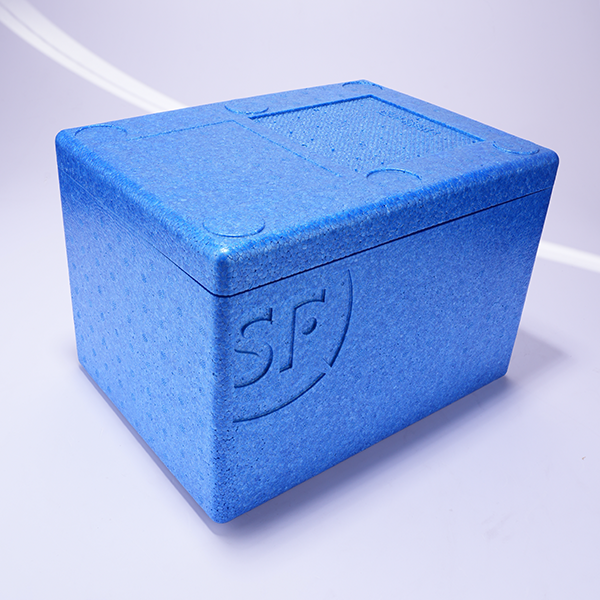
Kesalahan pengemasan OEM yang paling merugikan adalah menyetujui sampel tanpa menyetujui kondisi yang membuatnya dapat diterima. Sampelnya cocok, tutupnya menutup, dan perkakas dilepaskan; beberapa bulan kemudian, substitusi resin, perbaikan alat, revisi muatan, atau perubahan paket menghasilkan kotak yang terlihat serupa tetapi performanya tidak lagi sama. Pendekatan yang lebih kuat terhadap an Kotak berinsulasi EPP OEM untuk ruang angkasa adalah membangun rantai bukti. Setiap persyaratan penting harus terhubung dengan fitur desain, metode verifikasi, suatu pengendalian produksi, dan pemicu perubahan. Rantai itu membuat bobot EPP menjadi rendah, Bantalan, ketangguhan, dan isolasi berguna tanpa mengubah manfaat material menjadi klaim ruang angkasa yang tidak didukung.
Tentukan penggunaan yang disetujui dalam satu halaman
Sebelum meminta desain, tulis pernyataan tujuan penggunaan yang merupakan teknisi, insinyur pemasok, auditor yang berkualitas, dan pembeli akan menafsirkan dengan cara yang sama. Identifikasi muatan dan revisinya, kemana paket tersebut bepergian, apakah itu kembali, dan kotak apa yang diharapkan dapat dilindungi. Nyatakan apa yang tidak dimaksudkan untuk dilakukan.
Definisi payload harus mencakup CAD terkontrol, massa, titik berat, wilayah dukungan yang disetujui, fitur rapuh, zona larangan kontak, kekhawatiran yang muncul di permukaan, aksesoris longgar, dan orientasi yang diizinkan. Untuk desain keluarga, catat setiap varian daripada merancang batasan maksimum yang tidak jelas. Barang yang lebih kecil bisa menjadi kasus terburuk jika memiliki lebih banyak ruang untuk dipindahkan; item yang lebih ringan dapat merespons bantalan secara berbeda; konektor yang ditambahkan terlambat dapat membatalkan rongga yang aman.
Jelaskan cakupan logistik dengan presisi yang sama. Termasuk pengepakan dan pembongkaran stasiun kerja, rak, gerobak, konveyor, pola palet, perpindahan kendaraan, penanganan postur, kondisi tumpukan, penyimpanan, pembersihan, Label, segel, dan pengembalian kosong. Dimensi eksternal termasuk dalam sistem ini. Jadi, tangani lokasi dan kemampuan untuk memeriksa di bawah muatan.
Kemudian nyatakan batas perlindungannya. Jika kotaknya hanya kemasan penanganan yang dapat digunakan kembali, katakan begitu. Jika dimasukkan ke dalam kotak pengiriman yang kaku, tentukan struktur mana yang membawa beban penumpukan dan perangkat keras. Jika itu adalah bagian dari a pengirim termal, mengidentifikasi paket lengkap yang memenuhi syarat. Insulasi EPP mengurangi perpindahan panas, tetapi tidak ada pernyataan kotak kosong yang menetapkan kisaran suhu atau durasi yang diperbolehkan. Hasil tersebut bergantung pada muatan, keadaan awal, bahan pendingin atau bahan pengubah fasa, pengaturan, penutupan, profil lingkungan, penundaan, acara pembukaan, instrumentasi, dan kriteria penerimaan.
Pelepasan muatan listrik statis (ESD) perlindungan memerlukan batasan eksplisit lainnya. EPP standar pada dasarnya bukan merupakan paket kontrol ESD. Otoritas ESD pelanggan harus menentukan apakah paket memerlukan perilaku antistatis, menghilangnya, konduksi, perisai, atau kombinasi dengan tas dan kontrol penanganan. Nilai tertentu, metode pengujian, batas, pengkondisian, dan frekuensi verifikasi kemudian menjadi persyaratan yang terkendali. Baik warna hitam maupun deskripsi umum “aman ESD” tidak memadai.
Ubah OEM kotak berinsulasi EPP untuk kebutuhan dirgantara menjadi kontrak konfigurasi
Konfigurasi yang disetujui lebih dari sekadar nomor bagian. Ini adalah serangkaian masukan yang harus tetap stabil agar bukti tetap valid. Tangkap semuanya dalam indeks konfigurasi atau spesifikasi produk yang dikontrol kedua organisasi.
Minimal, mengidentifikasi gambar tubuh dan kelopak mata, 3Revisi model D, produsen dan kelas EPP, warna/bahan tambahan, kondisi cetakan yang disepakati, masukkan dan nomor bagian aksesori, Label, perekat, perangkat keras, identitas alat dan rongga, situs pencetakan, operasi sekunder, rencana pemeriksaan, instruksi pengepakan untuk pengiriman, dan penyimpangan terbuka. Alternatif yang disetujui harus disebutkan namanya; “bahan yang setara” terlalu luas untuk substitusi otomatis.
Gunakan toleransi fungsional. Kontak muatan, pelek penutup, antarmuka tumpukan, menangani, masukkan kursi, amplop luar, dan ceruk identifikasi patut mendapat perhatian karena mempengaruhi penggunaan. Permukaan dekoratif yang luas jarang memerlukan kontrol yang sama. Pada busa yang sesuai, pengaturan data, waktu setelah pencetakan, pengkondisian, dan gaya pengukuran dapat mengubah pembacaan, jadi instruksi gambar atau inspeksi harus menjelaskan metode dengan cukup baik agar pemasok dan pembeli dapat mereproduksinya.
Perjanjian perkakas harus sejalan dengan garis dasar teknis ini. Kepemilikan negara atas pelanggan CAD, produksi CAD, desain alat, dan cetakan fisik. Penandaan alat alamat, hak asuh, penyimpanan, pemeliharaan, memperbaiki, mengakses, asuransi jika relevan, hak modifikasi, transfer, penggantian, dan disposisi akhir program. Perkakas yang dibayar oleh pembeli tidak otomatis portabel, dan tunjangan proses pemasok mungkin berisi pengetahuan yang dilindungi. Selesaikan batas sebelum memotong logam.
Ruang lingkup komersial juga memerlukan kontrol konfigurasi. Mintalah kutipan untuk memisahkan dukungan desain, prototipe, perkakas produksi, uji coba alat, sampel, sisipan, Label, tes, laporan, bagian produksi, dan kemasan pengiriman. Moq, harga, dan waktu tunggu harus tetap sesuai dengan ketentuan proyek yang terkait dengan perkiraan, status rilis, dan konfigurasi yang dikutip. Menerbitkan atau mengasumsikan angka umum akan menyembunyikan variabel sebenarnya.
Gunakan gerbang yang menghilangkan risiko tertentu
Jadwal OEM paling berguna ketika setiap pencapaian menutup ketidakpastian tertentu. “Sampel disetujui” terlalu luas. Rencana yang terjaga keamanannya dapat membedakan keputusan-keputusan ini:
| Gerbang | Resiko pensiun | Bukti minimal | Apa yang masih belum disetujui |
|---|---|---|---|
| Pembekuan niat | Pemasok merancang muatan atau rute yang salah | Persyaratan yang ditandatangani, data muatan yang terkendali, log asumsi | Geometri dan kinerja yang dibentuk |
| Rilis kemampuan manufaktur | CAD tidak dapat diisi, kukus, didinginkan, atau dikeluarkan secara konsisten | Tinjauan desain-untuk-produksi meliputi dinding, ventilasi, mengisi, perpisahan, ejector, penyusutan dan kelengkungan | Kesesuaian bagian produksi |
| Konfirmasi kecocokan | Muatan, operator, atau antarmuka logistik salah | Peninjauan kesesuaian prototipe dan penutupan masalah | Perilaku EPP produksi jika proses prototipe berbeda |
| Penerimaan alat | Cetakan produksi tidak mereproduksi geometri fungsional | Pemeriksaan uji coba alat berdasarkan alat/rongga, penutupan dan masukkan cek | Distribusi atau kinerja termal |
| Verifikasi desain | Paket yang disetujui tidak melindungi muatan perwakilan | Mekanik yang telah disetujui sebelumnya, ESD, laporan pembersihan atau termal sebagaimana berlaku | Konsistensi lot rutin |
| Rilis produksi | Manufaktur normal tidak dapat mempertahankan baseline | Catatan pilot-lot, rencana pengendalian, ketertelusuran dan penyimpangan yang disetujui | Perubahan di masa depan yang belum ditinjau |
Urutan ini mencegah suatu hasil melampaui tujuannya. Prototipe yang dibuat dengan mesin dapat mendukung keputusan yang ergonomis tanpa membuktikan perilaku dampak yang dibentuk. Uji coba alat yang sesuai dimensi dapat melepaskan geometri tanpa memenuhi syarat rute yang dikontrol suhu. Pengoperasian ruang termal yang berhasil dapat mendukung paket yang diuji tanpa menyetujui pengaturan cairan pendingin baru.
Pekerjaan desain-untuk-produksi awal sangat penting untuk EPP cetakan manik. Mengisi posisi, jalur uap, ventilasi inti, transisi dinding, memotong, ejector, pendinginan, dan geometri bagian dapat mempengaruhi fusi dan distorsi. Ciri-ciri manufaktur ini juga dapat meninggalkan bekas atau kondisi lokal yang bersinggungan dengan label, segel, bantalan kontak, atau mengukur poin. Umpan balik pemasok harus diselesaikan melalui CAD yang terkontrol dan pembaruan gambar, tidak hanya disimpan dalam catatan rapat.
Tulis tes dari keputusan penerimaan ke belakang
Mulailah setiap rencana ujian dengan kalimat: “Kami akan menerima desain tersebut jika…” Pernyataan itu memaksa tim untuk mendefinisikan artikel tersebut, bahaya, pengukuran, dan kriteria kegagalan sebelum melihat hasilnya.
Untuk persetujuan dimensi, sebutkan ciri-cirinya, tanggalnya, instrumen atau perlengkapan, keadaan pengkondisian, contoh, dan batas penerimaan. Periksa beberapa bagian percobaan dan rongga jika perlu. Indikator kepadatan massa atau cetakan dapat membantu memantau suatu proses, tetapi mereka tidak membuktikan fusi manik secara independen, geometri, Bantalan, atau kinerja termal.
Untuk kompresi, putuskan apakah pertanyaannya menyangkut respons bahan busa, defleksi kotak, stabilitas tumpukan, atau perlindungan muatan. Nyatakan di mana dan bagaimana beban diterapkan, orientasi, menilai atau tinggal, deformasi maksimum, masa pemulihan, dan kriteria kerusakan. ASTM D642 dapat menyediakan metode kompresi kontainer bila dipilih, sedangkan metode material seperti ASTM D3575 dapat mengkarakterisasi busa olefin sel tertutup dalam kondisi yang ditentukan. Keluaran mereka menjawab pertanyaan yang berbeda.
Untuk dampak, gunakan bahaya distribusi untuk memilih metode. ASTM D5276 dapat mengevaluasi guncangan mendadak akibat jatuh bebas pada kontainer yang memuat muatan. ASTM D4169 dapat mengatur urutan bahaya laboratorium yang mewakili siklus distribusi yang dipilih. Laporan harus mengidentifikasi revisi kotak yang sebenarnya, muatan atau pengganti, massa, titik berat, kekakuan jika relevan, penutupan, pengkondisian awal, orientasi, urutan, instrumentasi, jumlah sampel, anomali, dan pemeriksaan pasca tes. Lulus “uji jatuh” yang tidak ditentukan bukanlah bukti yang dapat ditindaklanjuti.
Pengganti ini layak mendapat tinjauan teknis. Hanya massa yang cocok dapat meninggalkan jalur muatan yang salah. Pengganti harus mereproduksi permukaan pendukung, titik berat, kekakuan, dan jarak bebas yang rentan cukup untuk tujuan pengujian. Jika tujuannya adalah untuk melindungi konektor, sertakan cara terukur untuk menentukan apakah telah dihubungi atau kelebihan beban.
Pekerjaan termal dimulai dengan kebutuhan produk, bukan durasi pemasaran yang diinginkan. Jika aplikasi memerlukan kontrol suhu, memenuhi syarat seluruh sistem. Proses kualifikasi kontainer berinsulasi dan profil termal yang diakui dapat memberikan dasar terstruktur jika memungkinkan, namun profil parsel umum tidak secara otomatis mewakili jalur dirgantara tertentu atau kasus terburuk. Tentukan instruksi paket dan perubahan yang diperbolehkan, kemudian putuskan bagaimana produksi dan penggunaan lapangan akan menjaga konfigurasi yang memenuhi syarat tetap utuh.
Alat pengambilan keputusan yang berguna
Periksa detailnya sebelum Anda memilih kemasan
Alat cepat ini dapat membantu Anda membandingkan risiko rute, kebutuhan ukuran, pilihan pendingin, dan detail kemasan sebelum Anda meminta penawaran.
Kalkulator Ice Pack
Perkirakan jumlah paket es gel untuk pengiriman dingin dan perencanaan rute yang praktis.
Perkirakan kantong esPemeriksa risiko rute
Tinjau kondisi jalur sebelum memilih kemasan untuk mengetahui kebutuhan pengoperasian sebenarnya.
Periksa risiko ruteKetahanan Jatuh Bahan Isolasi
Tinjau ketahanan jatuh dan faktor penanganan sebelum memilih bahan insulasi.
Periksa resistensiTempatkan standar di lapisan yang benar
Tiga percakapan standar sering kali digabungkan dalam kemasan luar angkasa: kualitas pemasok, desain kemasan, dan peraturan transportasi. Memisahkannya akan mencegah jaminan palsu.
IAQG 9100 mendefinisikan persyaratan sistem manajemen mutu untuk penerbangan, ruang angkasa, dan organisasi pertahanan. Pelanggan mungkin memerlukan sertifikasi dan memverifikasi cakupan dan statusnya, namun sertifikasi tersebut bukanlah persetujuan produk. Itu tidak membuktikan bahwa kotak tertentu memenuhi gambar, melindungi suatu komponen, menyediakan kontrol ESD, atau mempertahankan kondisi termal.
Spesifikasi ATA 300 membahas pengemasan perlengkapan maskapai penerbangan dan menyediakan desain, pengadaan, dan panduan pengujian untuk unit yang dapat diperbaiki dan dibuang, wadah yang dapat digunakan kembali, Perangkat sensitif ESD, dan topik-topik lain yang dibahas. Penerapannya bervariasi. Pelanggan yang bertanggung jawab harus mengidentifikasi revisinya, kategori, bagian, dan tes yang berlaku. Hindari frasa yang tidak memenuhi syarat seperti “kotak bersertifikasi ATA”; menyimpan laporan dan konfigurasi yang menunjukkan persyaratan mana yang sebenarnya dievaluasi.
Aturan transportasi menciptakan lapisan lebih lanjut. Jika paket berisi es kering, baterai litium, barang berbahaya, atau spesimen yang diatur, persyaratan transportasi udara saat ini dan variasi negara bagian atau operator dapat mengatur pengepakan, ventilasi, jumlah, tanda, Label, dokumen, dan personel terlatih. Peraturan Barang Berbahaya IATA relevan dengan tinjauan tersebut. Penutup EPP hanya merupakan salah satu elemen dan tidak dapat memberikan kepatuhan pada pengiriman.
Standar pengemasan ESD juga mendukung program pengendalian ESD pelanggan; mereka tidak mengubah setiap kemasan yang dibuat dengan busa khusus menjadi sistem perlindungan yang lengkap. Nyatakan fungsinya, verifikasi itu, dan pertahankan konfigurasinya.
Jadikan produksi rutin membuktikan kesinambungan
Bukti kualifikasi hanya mempunyai nilai jika produksi tetap terhubung dengan data dasar yang memenuhi syarat. Rencana pengendalian pemasok harus mengidentifikasi verifikasi material yang masuk, kontrol pencetakan kunci, pemeriksaan pertama atau permulaan, inspeksi dimensi dan fungsional, catatan perkakas/rongga, penanganan ketidaksesuaian, pelepasan banyak, dan retensi catatan. Pengendalian yang tepat harus mencerminkan risiko produk dan bukan formulir yang disalin.
Setiap pengiriman harus membawa identitas yang cukup untuk menghubungkan kotak ke pesanan pembelian, bagian dan revisi, banyak produksi, kuantitas, dan catatan kesesuaian atau inspeksi. Jika ESD atau nilai khusus lainnya ditentukan, identitasnya dan bukti lot yang diperlukan termasuk dalam tautan itu. Membuat serialisasi setiap kotak mungkin diperlukan atau tidak, namun unit penelusuran harus mendukung pembendungan.
Menerima inspeksi memverifikasi identitas terlebih dahulu, kondisi kedua, dan karakteristik yang dipilih ketiga. Konfirmasikan dokumen, revisi, status materi, kuantitas, dan penyimpangan. Kemudian periksa dimensi kritis atau pengukur fungsional, tempat duduk tutup, masukkan konfigurasi, Label, kontaminasi, air mata, pengisian tidak lengkap, distorsi, dan kerusakan pengangkutan sesuai rencana yang telah disepakati. Definisikan kritis, besar, dan cacat kecil dalam bahasa operasional dan menetapkan otoritas karantina dan disposisi.
Pengambilan sampel harus dipilih, tidak diimprovisasi. Standar pengambilan sampel atribut lot demi lot yang formal dapat mendukung rencana yang disepakati, namun pembeli dan pemasok masih perlu menetapkan tingkat inspeksi, kelas cacat, nilai penerimaan, aturan peralihan, dan pengobatan lahan terisolasi. Karakteristik penting mungkin memerlukan kontrol yang berbeda atau verifikasi penuh.
Kontrol perubahan melindungi semua pekerjaan ini. Memerlukan pemberitahuan terlebih dahulu untuk sumber atau nilai materi, aditif, pewarna, konten daur ulang, situs pencetakan, perbaikan alat atau rongga baru, menyisipkan, perekat, label, metode pemeriksaan, pemasok sekunder, atau perubahan proses yang dapat mempengaruhi persyaratan yang disetujui. Paket perubahan harus menjelaskan inventaris yang terpengaruh, mempertaruhkan, verifikasi yang diusulkan, persetujuan, tanggal pelaksanaan, dan banyak breakpoint. “Tidak ada perubahan yang sesuai” tidaklah cukup ketika ESD, mekanis, kebersihan, atau perilaku termal juga mungkin terpengaruh.
Contoh praktis: satu kotak, dua negara muatan
Pertimbangkan aktuator elektromekanis yang berpindah ke fasilitas perbaikan dalam keadaan tidak dapat diservis dan kembali dengan tutup pelindung, dokumen, dan segel inspeksi tambahan. Rongga awal dirancang hanya di sekitar unit keluar. Selama peninjauan kecocokan, tim menemukan bahwa segel keadaan kembali hancur oleh tutupnya dan kantong dokumen mendorong kabel ke arah tepi yang keras.
Daripada memperlakukan masalah tersebut sebagai teknik pengepakan, tim menambahkan kedua status muatan ke pernyataan tujuan penggunaan. Area dokumen yang dilindungi dan sisipan berkunci yang dapat dilepas menjadi fitur yang dikontrol. Uji coba alat memeriksa antarmuka tutup dan dudukan sisipan dengan perlengkapan fungsional. Verifikasi paket bermuatan menggunakan kedua konfigurasi tersebut karena distribusi massa dan jarak bebasnya berbeda. Pemeriksaan penerimaan memastikan revisi sisipan dan jarak segel yang benar. Perubahan geometri tutup di masa mendatang akan memicu penilaian kesesuaian.
Paket ini disetujui melalui bukti yang terhubung. Tidak ada yang perlu mengklaim EPP itu, sertifikat mutu, atau judul standar menyelesaikan setiap risiko.
Pertanyaan yang mengungkap kesenjangan persetujuan
Apa yang termasuk dalam kiriman produksi pertama OEM?
Minta item yang dibutuhkan kontrak Anda, yang mungkin termasuk gambar dan model yang dirilis, deklarasi material dan proses, identifikasi alat/rongga, hasil dimensi, hasil pengukur fungsional, contoh ketertelusuran, bukti pengerjaan, laporan pengujian yang berlaku, instruksi pengepakan, rencana pengendalian, dan penyimpangan yang disetujui. Sampel pelanggan saja lemah karena tidak menunjukkan bagaimana lot nantinya akan dikontrol.
Kapan perubahan kemasan memerlukan kualifikasi ulang?
Gunakan penilaian risiko lintas fungsi dibandingkan dengan alasan kualifikasi awal. Perubahan pada muatan, mendukung geometri, kotak atau penutup, kelas materi, kepadatan, menyisipkan, pendingin, penutup, lokasi produksi, alat, atau rute dapat mempengaruhi hasil. Beberapa perubahan hanya memerlukan tinjauan terdokumentasi, tes lain yang ditargetkan, dan lainnya rekualifikasi penuh. Tentukan logika itu sebelum perubahan terjadi.
Bisakah OEM memilih standar kedirgantaraan yang berlaku?
Pemasok dapat menawarkan rekomendasi berdasarkan informasi, namun pelanggan atau otoritas teknis yang ditunjuk harus menentukan penerapan kontrak. Pembeli mengetahui program pesawat, klasifikasi muatan, harapan operator, dan konteks peraturan. Catat revisi yang tepat dan ketentuan yang dipilih sebagai kutipan, desain, dan pengujian memiliki dasar yang sama.
Bagaimana caranya agar sisipan dan tutupnya tidak tercampur?
Berikan setiap komponen yang dikontrol bagian yang jelas dan identitas revisi, merancang varian yang tidak kompatibel sehingga tidak dapat dirakit jika memungkinkan, dan tentukan pemasangan dalam instruksi kerja. Pemeriksaan penerimaan dan pengepakan harus memverifikasi perakitan. Warna dapat membantu operator tetapi tidak boleh menjadi satu-satunya kontrol pencahayaan, kontaminasi, dan suku cadang pengganti dapat merusaknya.
Setujui apa yang dapat Anda lacak dan pertahankan.
Rilis kemasan luar angkasa harus dapat dijelaskan tanpa adanya tim proyek asli di dalam ruangan. Tujuan penggunaan mengidentifikasi risiko; kontrak konfigurasi memperbaiki desain; gerbang menunjukkan ketidakpastian mana yang ditutup; tes menjawab pertanyaan penerimaan yang ditentukan; kontrol rutin mempertahankan hasilnya; dan manajemen perubahan melindunginya dari waktu ke waktu. Ini adalah rantai bukti yang dibutuhkan oleh program OEM.
Tentang tempk
Tempk adalah Shanghai Tempk Industrial Co., Ltd. merek dengan terdaftar secara publik Kotak berinsulasi EPP, Kustomisasi, aksesoris, dan layanan oem. Penawaran tersebut memberikan dasar untuk mendiskusikan proyek khusus, tapi mereka tidak dengan sendirinya menunjukkan persetujuan dirgantara, sertifikasi sistem mutu tertentu, atau kinerja di rute Anda. Kami mengundang pembeli dirgantara untuk menyusun penyelidikan seputar kasus penggunaan yang terkendali dan memerlukan bukti kelayakan, perkakas, sampel, pengendalian produksi, dan tanggung jawab kualifikasi dapat ditinjau tanpa asumsi.
Berikan Tempk informasi muatan terkendali Anda, kendala logistik, persyaratan khusus, dan hasil persetujuan. Mintalah proposal yang menunjukkan bagaimana setiap persyaratan akan dirancang, diverifikasi, dikendalikan dalam produksi, dan dipertimbangkan kembali setelah perubahan.