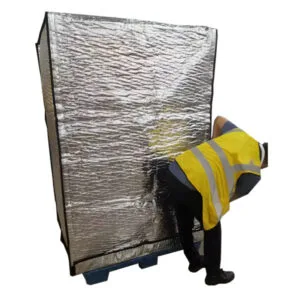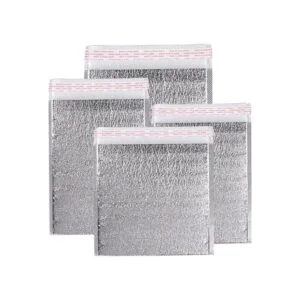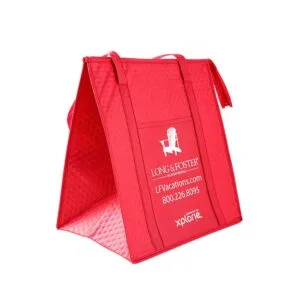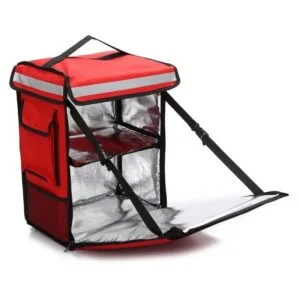
Impor Foil Bubble Liner: Tentukan Sebelum Anda Membeli
Pembelian lapisan gelembung foil impor tidak boleh dimulai dengan item baris termurah yang dikutip. Titik awal yang lebih baik adalah kiriman yang perlu Anda lindungi, karton yang sudah Anda gunakan, kondisi produk pada saat pengepakan, dan bukti yang dibutuhkan tim Anda setelah melahirkan. Panduan terakhir ini membawa pembeli, bahan, dan tampilan operasi bersama-sama sehingga Anda dapat menentukan lapisan gelembung foil dengan lebih sedikit asumsi dan percakapan pemasok yang lebih jelas.
Jawaban praktis
Perlakukan impor foil bubble liner sebagai salah satu komponen dalam paket pasif. Tentukan berdasarkan rute, muatan, karton, pendingin, penanganan, dan kebutuhan dokumentasi. Kemudian bandingkan pemasok dalam hal konsistensi sampel hingga produksi, toleransi dimensi, kualitas penutupan, kecepatan pengepakan, dan bukti yang mendukung kinerja yang mereka nyatakan.
Tentukan Paket Sebelum Anda Meminta Harga
Sebelum membandingkan pemasok untuk impor foil bubble liner, tulis ringkasan paket satu halaman. Itu harus memberi nama produknya, kondisi kargo saat pengepakan, kondisi suhu yang diperlukan, rute yang diharapkan, ukuran karton, tipe pendingin, jumlah titik penanganan, kebutuhan pelabelan, dan menerima metode pemeriksaan. Ringkasan ini membuat percakapan tetap praktis. Tanpanya, pemasok mungkin mengutip konstruksi berbeda dengan nama produk yang sama dan pembeli dapat membandingkan harga yang tidak menggambarkan solusi yang sama.
Laporan singkat tersebut juga harus membedakan antara sampel liner dan sistem pengiriman. Sampel dapat menunjukkan kualitas bahan, pola lipatan, kekuatan jahitan, dan kemudahan pengepakan. Itu tidak bisa membuktikan performa untuk setiap jalur. Jika produk Anda bernilai tinggi, peka, diatur, atau terkena rute yang panjang, tanyakan bukti termal apa yang tersedia dan apakah pengujian tambahan diperlukan berdasarkan profil lingkungan Anda yang sebenarnya, muatan, konfigurasi pendingin, dan kriteria penerimaan.
Kartu Skor Pembeli untuk Membandingkan Penawaran
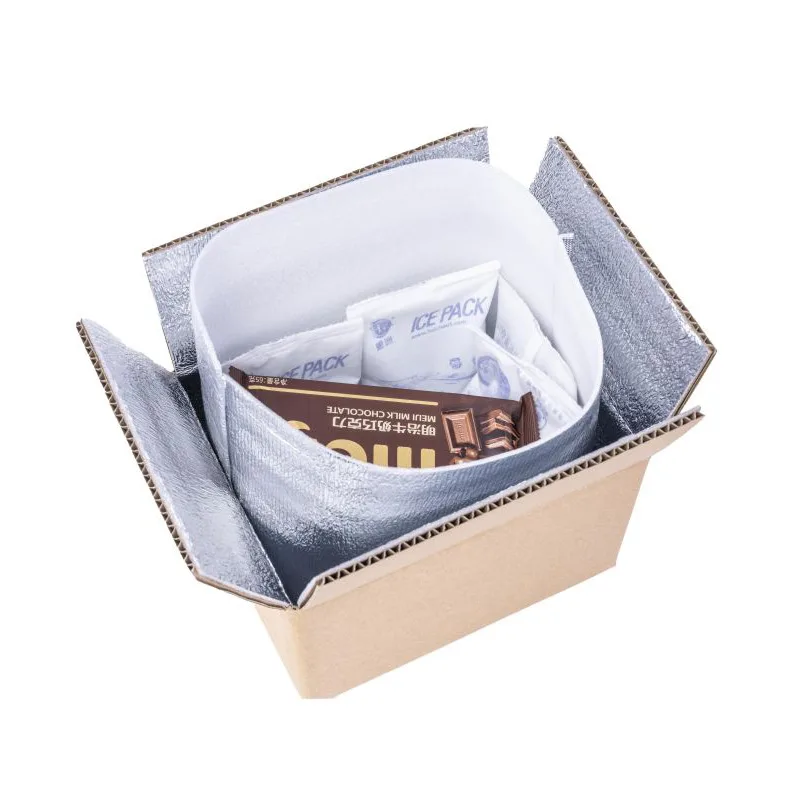
Ungkapan yang sama, impor foil bubble liner, dapat menggambarkan beberapa konstruksi. Salah satu pemasok mungkin mengutip sisipan tipis bergaya mailer, yang lain mungkin mengutip lipatan yang lebih tebal lapisan karton, dan yang ketiga mungkin menyertakan tata letak panel khusus. Jika RFQ hanya menyebutkan kata kunci dan ukuran karton, kutipannya mungkin terlihat sebanding sedangkan barang sebenarnya tidak. Pembeli harus meminta pemasok untuk menentukan tumpukan lapisan, dimensi selesai, toleransi ketebalan jika relevan, metode penutupan, orientasi pengepakan, permukaan bagian dalam, permukaan luar, dan jumlah pengepakan per karton ekspor.
Biayanya juga tergantung pada cara kapal dikirimkan. Liner berukuran besar menghabiskan ruang penyimpanan dan kontainer. Liner dengan kemasan datar dapat mengurangi biaya pengiriman tetapi membutuhkan lebih banyak penanganan gudang. Format terkompresi vakum atau dikemas rapat dapat menurunkan volume masuk, tetapi pembeli harus memeriksa apakah liner terbuka dengan bersih, memulihkan bentuk yang diinginkan, dan tetap mudah digunakan oleh pengemas. Harga pabrik yang rendah dapat kehilangan keuntungannya jika barang yang dikirimkan menambah waktu kerja atau tingkat penolakan pada saat pengepakan.
MOQ dan jeda harga harus didiskusikan sebagai alat perencanaan, bukan taktik tekanan. Kuantitas yang lebih tinggi dapat mengurangi biaya per unit, namun hal ini juga dapat meningkatkan risiko inventaris jika pembeli belum menyelesaikan dimensi karton, karya seni, pelabelan lokal, atau metode paket. Untuk program baru, biasanya lebih aman untuk menyetujui sampel yang berfungsi, uji aliran pengepakan, dan kemudian menskalakannya dengan gambar yang disepakati dan ekspektasi pengendalian perubahan.
Paket kutipan yang baik menjawab pertanyaan praktis. Berapa banyak liner yang dikemas per karton? Apakah karton ekspor berukuran untuk efisiensi palet? Akankah unit produksi cocok dengan bahan sampel dan gaya jahitan? Bagaimana dimensi khusus dikontrol? Apa yang terjadi jika karton luar berubah setelah disetujui? Pertanyaan-pertanyaan ini tidak memperlambat pencarian sumber; mereka mencegah penawaran murah menjadi masalah produksi yang mahal.
Program Lintas Batas Membutuhkan Pandangan Landed-Cost
Program pelayaran impor dan ekspor harus ditinjau seperti sistem pengemasan dan arus perdagangan, tidak hanya pembelian materi. Kubus karton, efisiensi palet, kekuatan karton ekspor, paparan kelembaban, pelabelan, dan dokumentasi bea cukai dapat mempengaruhi biaya sebenarnya dari kapal tersebut. Liner yang menghemat beberapa sen per potongnya mungkin tidak menarik jika menghabiskan lebih banyak ruang kontainer atau tiba dalam bentuk yang sulit untuk disimpan dan ditangani..
Persyaratan tujuan juga penting. Aturan pengemasan kayu dapat mempengaruhi palet dan peti, saat mengemas sampah, kontak makanan, dan ekspektasi pelabelan dapat memengaruhi cara produk disajikan atau diperoleh kembali setelah digunakan. Pemasok liner tidak menggantikan tinjauan kepatuhan importir. Pemasok yang kuat membantu menentukan bahan dan konfigurasi kemasan dengan jelas sehingga pembeli dapat memeriksa peraturan yang tepat dengan penasihat lokal yang tepat.
Tabel Keputusan
| Titik perbandingan | Tawaran yang lemah | Tawaran yang lebih kuat |
|---|---|---|
| Definisi pas | Hanya mencantumkan ukuran karton luar. | Menyediakan gambar liner, dimensi selesai, dan konfirmasi sampel. |
| Bahasa pertunjukan | Menggunakan klaim luas tanpa syarat. | Menjelaskan konteks pengujian atau meminta validasi khusus rute. |
| Pasokan massal | Mengutip harga rendah namun pengepakan tidak jelas dan asumsi waktu tunggu. | Mendefinisikan kuantitas pengepakan, kubus karton, mengubah kendali, dan proses pemesanan ulang. |
| Klaim keberlanjutan | Dikatakan dapat didaur ulang tanpa konteks lokal. | Mengidentifikasi bahan dan meminta pembeli untuk memverifikasi jalur pembuangan lokal. |
| Dukungan aplikasi | Memperlakukan semua kargo rantai dingin dengan cara yang sama. | Pisahkan bahan makanan, daging, perlengkapan makan, ekspor, dan persyaratan kesehatan. |
Gunakan kartu skor ini sebelum menyetujui pemasok. Tidak setiap program harus menjalankan pengujian laboratorium formal, tetapi hal ini mengharuskan pemasok dan pembeli untuk mendefinisikan produk yang sama, proses yang sama, dan klaim yang sama.
Verifikasi Sebelum Penskalaan Dari Sampel ke Produksi
Pernyataan pemasok tentang kinerja termal harus selalu dibaca dengan ketentuan terlampir. Pertanyaan yang relevan sederhana saja: karton apa yang digunakan, muatan apa yang ada di dalamnya, pendingin atau refrigeran apa yang disertakan, bagaimana liner ditutup, profil ambien apa yang diterapkan, dan kriteria penerimaan apa yang digunakan. Jika kondisi tersebut tidak sesuai dengan kiriman Anda, nomor tersebut mungkin masih berguna sebagai referensi, tapi itu tidak boleh dianggap sebagai bukti rute Anda.
Standar termal ISTA, termasuk Standar 7E, dapat digunakan sebagai referensi untuk evaluasi termal kemasan transportasi dalam sistem pengiriman paket. Hal ini tidak menghilangkan perlunya peninjauan khusus jalur jika produknya sensitif, rutenya tidak biasa, atau pembeli harus mendokumentasikan keputusan untuk tim kualitas. Pengujian harus mendukung penilaian; itu tidak boleh menjadi slogan dalam spesifikasi.
Pengiriman makanan menciptakan serangkaian pertanyaan penanganan yang terpisah. AS. Kerangka transportasi sanitasi FDA, Misalnya, menekankan pencegahan praktik yang menciptakan risiko keamanan pangan, termasuk kegagalan mendinginkan makanan dengan benar atau pembersihan yang tidak memadai di antara muatan. Sebuah liner dapat mendukung perlindungan kemasan, tapi itu tidak menggantikan kendaraan dengan pengatur suhu, prosedur higienis, atau tinjauan keamanan pangan spesifik produk jika hal tersebut diperlukan.
Pengiriman layanan kesehatan yang sensitif terhadap suhu mungkin memerlukan disiplin tambahan dalam dokumentasi pengemasan, pelabelan, dan aturan operator. Bahan pengatur suhu IATA untuk kargo perawatan kesehatan menyoroti perlunya meninjau persyaratan pengemasan dan dokumentasi sebelum pengiriman. Seorang jenderal lapisan terisolasi tidak boleh digambarkan sebagai memenuhi syarat untuk transportasi farmasi kecuali sistem penuh, kebutuhan produk, rute pembawa, dan tinjauan kualitas mendukung klaim tersebut.
Contoh Persetujuan dan Kontrol Perubahan
Persetujuan sampel harus mencatat konstruksi persis yang lolos tinjauan. Simpan sampel yang disetujui, menggambar, deskripsi bahan, foto yang dikemas, dan asumsi produksi secara bersamaan. Jika pemasok mengganti film, struktur gelembung, metode kompresi, gaya jahitan, tata letak panel, atau jumlah pengepakan, pembeli harus memiliki proses untuk ditinjau. Ini bukan birokrasi; ini melindungi kemasan dari perubahan tak terlihat yang dapat muncul di kemudian hari sebagai penundaan pengepakan atau penyimpangan termal.
Alat pengambilan keputusan yang berguna
Periksa detailnya sebelum Anda memilih kemasan
Alat cepat ini dapat membantu Anda membandingkan risiko rute, kebutuhan ukuran, pilihan pendingin, dan detail kemasan sebelum Anda meminta penawaran.
Pendingin & Referensi PCM
Bandingkan opsi cairan pendingin dan PCM ketika suatu rute memerlukan dukungan suhu tambahan.
Bandingkan pilihanKalkulator Paket Es
Perkirakan jumlah paket es gel untuk pengiriman dingin dan perencanaan rute yang praktis.
Perkirakan kantong esPembuat Daftar Periksa Kepatuhan
Buatlah daftar periksa praktis untuk tinjauan kemasan, pengiriman, dan dokumentasi.
Buat daftar periksaUntuk pesanan berulang, membangun bahasa kontrol perubahan ke dalam persyaratan pembelian. Minta pemasok untuk memberi tahu Anda sebelum mengganti bahan, metode produksi, warna, mencetak, penutup, pola lipat, kemasan karton, atau konfigurasi pengepakan ekspor. Saat liner telah diuji atau dilatih ke dalam alur kerja gudang, konsistensi adalah bagian dari produk. Lapisan yang sedikit berbeda mungkin masih dapat diterima, tapi harus ditinjau ulang sebelum muncul di jalur pengepakan.
Menyeimbangkan Perlindungan dengan Persyaratan Akhir Masa Pakainya
Kemasan rantai dingin berada di bawah tekanan yang semakin besar untuk mengurangi limbah, meningkatkan transparansi materi, dan menghindari klaim lingkungan yang tidak jelas. Untuk liner, poin tersulitnya adalah kinerja termal sering kali bergantung pada material berlapis. Sebuah liner bisa ringan dan praktis, namun tetap memerlukan komunikasi akhir hayat yang hati-hati. Pembeli sebaiknya menghindari mengatakan bahwa liner dapat didaur ulang kecuali bahannya, metode pemisahan, dan jalur pengumpulan lokal mendukung pernyataan tersebut.
Peraturan pengemasan UE bergerak menuju ekspektasi daur ulang yang lebih kuat, dan target pengemasan Australia juga mendorong penggunaan kembali, dapat didaur ulang, atau kemasan kompos. Arah kebijakan ini tidak secara otomatis membuat suatu produk tertentu dapat diterima di setiap pasar. Mereka melakukannya, Namun, mengubah pertanyaan pembeli. Tanyakan apakah liner dapat dipisahkan, apakah bahan dapat diidentifikasi, apakah instruksinya jelas, dan apakah kontainer yang dapat digunakan kembali atau program pengembalian akan lebih baik untuk rute yang berulang.
Diskusi lingkungan tidak boleh mengkompromikan perlindungan produk. Pengiriman daging yang rusak, perlengkapan makan rusak, atau pesanan bahan makanan yang ditolak juga menimbulkan sampah. Tujuan praktisnya adalah menggunakan kompleksitas pengemasan yang tidak melebihi kebutuhan rute, dengan tetap menjaga kualitas produk. Itu mungkin berarti kapal lipat sederhana untuk rute pendek, sisipan berinsulasi yang lebih kuat untuk rute yang lebih panjang, atau sistem kontainer yang dapat digunakan kembali di mana logistik terbalik tersedia.
Tanda Bahaya dalam Percakapan Pemasok
- Pemasok menghindari menjelaskan struktur lapisan atau mengatakan semua konstruksi mempunyai fungsi yang sama.
- Kutipan tersebut tidak menentukan apakah dimensi bersifat internal, luar, selesai, atau ukuran datar.
- Klaim kinerja dibuat tanpa konteks pengujian atau dengan ketentuan yang tidak terkait dengan paket Anda.
- Sampel tampaknya dapat diterima tetapi pemasok tidak akan memastikan konsistensi sampel hingga produksi.
- Keberlanjutan, kontak makanan, atau klaim kepatuhan ditawarkan sebagai bahasa pemasaran, bukan informasi material yang dapat diverifikasi.
Poin-poin ini mungkin terlihat sederhana, namun sering kali hal tersebut menjadi perbedaan antara program liner stabil dan program yang menimbulkan perselisihan setelah pesanan produksi pertama. Respons yang paling aman adalah dengan mendokumentasikan asumsi tersebut, menguji alur kerja, dan menjaga spesifikasi yang disetujui tetap terlihat oleh semua orang yang terlibat.
Contoh praktis
Pembeli lintas batas pada umumnya dapat menyetujui sampel lapisan gelembung foil di kantor pemasok, kemudian temukan bahwa liner yang dikemas memakan lebih banyak ruang gudang daripada yang diharapkan setelah impor. Masalahnya bukan pada materi saja. Pembeli lupa membandingkan jumlah karton ekspor, tinggi palet, risiko tinggal di bea cukai, ruang penyimpanan lokal, dan pengepakan tenaga kerja. RFQ yang lebih baik meminta potongan sampel dan konfigurasi pengepakan secara bersamaan, sehingga model biaya tetap lebih mendekati operasi sebenarnya.
Pelajarannya adalah menguji proses kerja, tidak hanya materinya saja. Sebuah liner ditangani oleh orang-orang, dikemas ke dalam karton, dipadukan dengan cairan pendingin, dipindahkan oleh operator, dan dibuka oleh penerima. Setiap langkah dapat mendukung atau melemahkan hasil termal. Bila contohnya dipandang seperti itu, pertanyaan pembeli menjadi lebih tepat dan jawaban pemasok menjadi lebih mudah untuk dibandingkan.
Catatan Perencanaan Impor
Untuk program impor, bandingkan harga bekas pekerjaan dengan biaya tetap. Ekspor ukuran karton, efisiensi palet, pemuatan kontainer, tinggal adat, volume penyimpanan, dan risiko pengerjaan ulang sama pentingnya dengan material liner. Minta pemasok untuk mengutip konfigurasi pengepakan di samping harga satuan.
Gerbang Spesifikasi Akhir
Spesifikasi akhir untuk foil bubble liner impor harus cukup jelas sehingga pembeli lain dapat memesan ulang barang yang sama tanpa bergantung pada memori. Ini harus mengidentifikasi produk, ukuran selesai, struktur material, desain penutupan, konfigurasi pengepakan, tanggal sampel yang disetujui, dan persyaratan khusus apa pun. Jika bukti termal dirujuk, spesifikasi juga harus menyatakan kondisi di mana bukti tersebut dihasilkan.
Spesifikasi yang jelas tidak menghilangkan kebutuhan akan penilaian, tapi ini mengurangi kebingungan yang bisa dihindari. Hal ini juga memberi Tempk dan pembeli dasar yang lebih bersih untuk perbaikan di masa depan, seperti menyesuaikan ukuran karton, mengganti bahan untuk kebutuhan pembuangan lokal, atau berpindah dari pesanan percontohan ke proses produksi yang lebih besar.
FAQ
Bagaimana cara membandingkan pemasok untuk impor foil bubble liner?
Bandingkan dimensi yang sudah jadi, deskripsi bahan, kualitas sampel, bukti termal, metode pengepakan, pengepakan ekspor, proses pengendalian perubahan, dan kualitas komunikasi. Jangan membandingkan harga saja kecuali pemasok mengutip konstruksi yang sama.
Apa yang harus diperbaiki sebelum produksi?
Perbaiki ukuran karton, gambar kapal, struktur material, metode penutupan, instruksi pengepakan, pengepakan ekspor, dan persyaratan karya seni atau pelabelan apa pun. Jika ini masih berubah, memperlakukan pesanan tersebut sebagai program percontohan dan bukan program produksi yang stabil.
Kapan liner khusus layak digunakan?
Pekerjaan khusus layak dipertimbangkan ketika liner standar meninggalkan celah, pengepakan lambat, ruang karton bekas, mengganggu cairan pendingin, atau tidak sesuai dengan kebutuhan branding atau pembuangan. Ini harus menyelesaikan masalah fungsional sebelum menambah nilai kosmetik.
Klaim apa yang harus dihindari?
Hindari suhu yang terjamin, kepatuhan universal, daur ulang seluruh pasar, atau klaim waktu tunggu yang tetap kecuali didukung oleh sistem dan bukti yang tepat. Gunakan dengan hati-hati, bahasa khusus aplikasi dan minta dokumentasi dari pemasok jika diperlukan.
Kesimpulan
Spesifikasi import foil bubble liner yang kuat menjadi penghubung produk, rute, karton, pendingin, struktur kapal, bukti pemasok, dan proses gudang. Pendekatan tersebut membantu Anda menghindari perlindungan kargo yang kurang, membeli bahan secara berlebihan, atau menyetujui klaim yang tidak dapat didukung. Mulailah dengan ringkasan paket, menguji sampel dalam alur kerja nyata, dan skala hanya setelah detailnya stabil.
Tentang Tempk
Tempk membantu tim pengadaan dan operasi mengevaluasi pengemasan rantai dingin dengan pandangan praktis mengenai rute, muatan, dan metode pengepakan. Lapisan gelembung foil mungkin bisa menjadi salah satu jawabannya, Tapi itu harus dipilih dengan karton, pendingin, proses gudang, dan mempertimbangkan ekspektasi. Kami dapat mendukung diskusi sampel dan tinjauan kemasan khusus ketika opsi standar tidak sesuai dengan program.
Diskusikan persyaratan pengiriman karton dengan pengatur suhu dengan Tempk sebelum menyelesaikan dimensi khusus, bahan, atau persyaratan pembelian massal.