Panduan Pengemasan Rantai Dingin Makanan Pasta Segar
Makanan pasta segar memerlukan kemasan dingin yang melindungi keamanan pangan, tekstur, kondisi label, dan menerima keputusan pada saat yang bersamaan. Kotak pendingin generik dapat menahan suhu dalam pengujian singkat namun tetap gagal secara komersial jika saus bocor, karton menjadi basah, kantong tertusuk, atau lapisan atas menjadi hangat selama kurir tinggal.
Untuk perencanaan, panduan ini menggunakan dingin 0-4 C jalur karena banyak program makanan siap saji menargetkan suhu lemari es sebelum dijual secara eceran, katering, atau penyerahan langsung ke konsumen. Kisaran akhir yang diterima harus selalu mengikuti spesifikasi produk, rencana HACCP, aturan pangan lokal, dan perjanjian kualitas pelanggan penerima.
Data perencanaan paket
| Kisaran suhu | 0-4 C untuk distribusi dingin; batas akhir harus mengikuti rencana merek HACCP, label produk, dan aturan pasar. |
|---|---|
| Kelembaban dan kondensasi | Kontrol kondensasi sehingga selongsong kertas, label bahan, dan instruksi pemanasan ulang tetap dapat dibaca. |
| Pra-pendinginan | Baki yang sudah diisi sebelumnya dinginkan, saus, paket hiasan, dan komponen pengirim sebelum pengepakan. |
| Tekanan paket | Lindungi ravioli, pasta isi, nampan yang tertutup film, dan cangkir saus dari kompresi dan benturan sudut. |
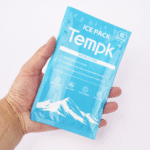
| Posisi pendingin | Tempatkan paket gel yang dikondisikan di atas dan di samping muatan dengan lapisan atau penghalang karton, tidak langsung menempel pada baki yang halus. |
| Durasi transportasi | 24-48 jam langsung ke toko, katering, atau rute DTC harus mencakup waktu tunggu penjemputan dan penundaan penerimaan. |
| Kerugian umum | Lapisan atas yang hangat, kondensasi, kebocoran cangkir saus, pengangkatan segel film, pelunakan tekstur pasta, dan nampan yang dihancurkan. |
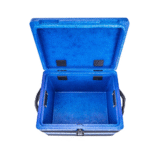
| Kemasan Tempk pas | Pengirim atau pelapis kotak berinsulasi Tempk, paket gel yang dikondisikan, pembagi tingkat baki, lapisan penyerap bila diperlukan, dan pencatat rute. |
Perubahan apa yang terjadi pada produk ini
Makanan pasta segar sebaiknya tidak dikemas hanya berdasarkan ukuran karton. Kemasannya harus dirancang berdasarkan massa produk, ruang kepala, aktivitas air, jenis segel, dan cara pelanggan membuka atau menyajikan makanan. Sistem pendingin harus menjaga produk di bawah batas yang disetujui tanpa menimbulkan titik kontak beku yang merusak tekstur atau tampilan.
Pra-pendinginan sangat penting. Jika produk hangat, cangkir saus hangat, atau kantong yang baru diisi masuk ke pengirim, Paket gel terpaksa menghilangkan panas produk alih-alih melindungi rute. Hal ini mempersingkat waktu penahanan dan meningkatkan kemungkinan hasil penerimaan yang hangat bahkan ketika karton luar terlihat dapat diterima.
Alat pengambilan keputusan yang berguna
Periksa detailnya sebelum Anda memilih kemasan
Alat cepat ini dapat membantu Anda membandingkan risiko rute, kebutuhan ukuran, pilihan pendingin, dan detail kemasan sebelum Anda meminta penawaran.
Pembuat Daftar Periksa Kepatuhan
Buatlah daftar periksa praktis untuk tinjauan kemasan, pengiriman, dan dokumentasi.
Buat daftar periksaPemeriksa Risiko Rute
Tinjau kondisi jalur sebelum memilih kemasan untuk mengetahui kebutuhan pengoperasian sebenarnya.
Periksa risiko rutePemilih Kemasan
Bandingkan opsi kemasan berinsulasi berdasarkan produk, rute, dan kebutuhan suhu.
Temukan kemasannyaPendekatan pengemasan Tempk yang direkomendasikan
Untuk jalur rutin, gunakan Tempk liner kotak terisolasi atau pengirim terisolasi dengan paket gel yang dikondisikan, karton bagian dalam yang halus atau baki produk, dan seorang logger ditempatkan di zona produk yang representatif. Untuk muatan lebih berat atau kurir lama tinggal, memvalidasi massa cairan pendingin dan ukuran pengirim dengan profil musim panas dan musim dingin daripada mengandalkan pengujian ambien tunggal.
Cairan pendingin harus dipisahkan dari kemasan makanan yang halus. Ini melindungi segel film, label kertas, tutup kulit kerang, kantong vakum, dan tekstur roti atau pasta. Dimana kebocoran mungkin terjadi, tambahkan lapisan penyerap atau kantong sekunder yang berisi cairan tanpa menghalangi aliran udara dingin di sekitar produk.
Menerima cek
Pada saat kedatangan, tim penerima harus memeriksa data logger, kekeringan karton, kondisi segel, bentuk produk, dan kebocoran terlihat sebelum mengeluarkan stok. Jika logger menunjukkan perjalanan yang belum terselesaikan atau karton sudah jenuh, pengiriman harus dilakukan sesuai dengan prosedur mutu pelanggan.
Tempk dapat mendukung ukuran pengirim, penempatan paket gel, pengujian rute, dan instruksi kemasan untuk program makanan siap saji dingin. Bagikan dimensi produk, jumlah pesanan, jangkauan sasaran, durasi rute, profil lingkungan, dan menerima prosedur untuk membangun paket khusus jalur.