Pengiriman kentang goreng beku memerlukan kemasan beku yang melindungi suhu dan penampilan produk. Untuk sebagian besar jalur makanan beku komersial, target penerimanya adalah -18 C atau lebih rendah, dan karton juga harus mencegah embun beku, penumpasan, kerusakan label, dan penurunan kualitas pencairan-pembekuan ulang.
Kentang goreng beku bergantung pada penanganan beku yang stabil karena pencairan kembali dapat mengurangi kerenyahan setelah dimasak.
Pengemasan harus menjaga tas tetap beku sekaligus mencegah es kering abrasi, pelunakan karton, dan penghancuran berdasarkan berat.
Kotak layanan makanan dan tas ritel mungkin memerlukan dukungan karton yang berbeda meskipun target suhunya sama.
Data perencanaan rantai dingin
| Jendela suhu | -18 C atau lebih rendah untuk penerimaan beku, dengan paparan terbatas selama pengepakan dan penyerahan. |
|---|---|
| Kelembapan atau kelembapan | Kendalikan embun beku dan kondensasi di dalam karton untuk melindungi gambar tas dan tekstur kentang goreng. |
| Pra-pendinginan | Dinginkan terlebih dahulu pengirim dan muat peti atau tas ritel dari pementasan freezer tanpa tempat tinggal yang hangat. |
| Tekanan kemasan | Mencegah keruntuhan karton dan penghancuran tas, terutama ketika kentang goreng dikirimkan dengan makanan siap saji beku yang lebih berat. |
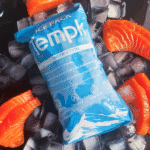
| Penempatan cairan pendingin | Gunakan peta zona es kering bagian atas atau cairan pendingin beku dengan pembatas untuk menghindari kontak langsung dan abrasi kantong. |
| Durasi transit | 24-72 jam tergantung pada massa karton, tunjangan es kering, layanan operator, dan jendela penerimaan tujuan. |
| Kerugian umum | Tekstur lemas yang dicairkan dan dibekukan kembali, embun beku mekar, tusukan tas, pelunakan karton, dan klaim kualitas pelanggan. |
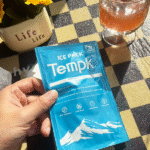
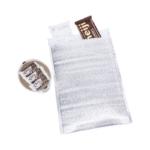
| Paket Tempk yang cocok | Tempk EPS atau kotak berinsulasi berkinerja tinggi, lapisan es kering, lapisan pendingin atas, lembar pelindung tas, dan validasi rute. |
Pendekatan paket yang direkomendasikan
Mulailah dengan produk yang sudah dibekukan ke target pengiriman. Sebuah pengirim terisolasi dan rencana es kering harus menjaga kondisi beku selama transit, tidak menarik kembali produk hangat setelah memuat. Pra-kondisikan pengirimnya, persingkat waktu pementasan freezer, dan tutup karton dengan cepat untuk mengurangi pertukaran udara hangat.
Alat pengambilan keputusan yang berguna
Periksa detailnya sebelum Anda memilih kemasan
Alat cepat ini dapat membantu Anda membandingkan risiko rute, kebutuhan ukuran, pilihan pendingin, dan detail kemasan sebelum Anda meminta penawaran.
Kalkulator Paket Es
Perkirakan jumlah paket es gel untuk pengiriman dingin dan perencanaan rute yang praktis.
Perkirakan kantong esPemeriksa Risiko Rute
Tinjau kondisi jalur sebelum memilih kemasan untuk mengetahui kebutuhan pengoperasian sebenarnya.
Periksa risiko ruteKetahanan Jatuh Bahan Isolasi
Tinjau ketahanan jatuh dan faktor penanganan sebelum memilih bahan insulasi.
Periksa resistensiUntuk pengiriman es kering, gunakan zona pendingin terpisah dan pelabelan yang sesuai dengan pembawa. Es kering harus melindungi profil termal tanpa menggesek kantong ritel, nampan retak, atau menyebabkan luka bakar permukaan langsung. Untuk jalur yang tidak diperbolehkan menggunakan es kering, beku Paket gel dan isolasi yang lebih kuat memerlukan validasi terpisah karena kurva suhu akan berbeda.
Pemeriksaan kualitas sebelum dirilis
Sebelum menggunakan paket secara komersial, uji ukuran pengirim yang sama, berat produk, massa pendingin, layanan operator, panjang rute, dan musim. Saat menerima, periksa suhu produk, tingkat beku, integritas tas atau baki, kondisi label, kekeringan karton, dan apakah produk menunjukkan tanda-tanda pencairan-pembekuan ulang.
Untuk pemilihan kemasan Tempk, titik awal yang khas adalah kinerja tinggi kotak terisolasi, liner yang kompatibel dengan es kering, lapisan pendingin terpisah, lembar dukungan produk, dan pencatat rute. Massa cairan pendingin akhir harus ditentukan berdasarkan data validasi dan aturan penanganan tujuan, terutama untuk 48-72 h rute parsel.
Dasar referensi
Asumsi suhu mengikuti praktik umum penanganan makanan beku dan panduan keamanan pangan konsumen FDA yang mengidentifikasi suhu freezer di 0 F / -18 C. Program akhir harus mengikuti spesifikasi pengirimnya sendiri, aturan pasar tujuan, dan persyaratan pembawa untuk es kering.