Panduan Pengemasan Rantai Dingin Yogurt Beku untuk Pengiriman Beku
Kemasan rantai dingin guide for frozen yogurt cups and tubs, menutupi tekstur beku, keamanan tutup, kondensasi, es kering penempatan, waktu transit, dan opsi pengemasan Tempk.
Why frozen yogurt need a specific frozen packout
Frozen yogurt often uses lighter cups and softer frozen texture than hard-packed ice cream, jadi keamanan tutup dan pemulihan suhu setelah tinggal di depot lebih penting daripada kekuatan karton saja. Makanan penutup beku tidak hanya gagal jika menjadi cair. Tekstur, kondisi pembungkus, tutup pas, embun beku mekar, dan kekeringan karton semuanya dapat mempengaruhi apakah penerima menerima kiriman. Cara yang cocok untuk wadah yang padat masih dapat merusak pembungkus es loli yang tipis atau membuat tutup yogurt beku keluar dari posisinya.
Untuk sebagian besar jalur parsel makanan penutup beku, target praktisnya adalah menjaga produk tetap beku melalui pengemasan, tinggal depo, pengangkutan garis, pengiriman mil terakhir, dan paparan di depan pintu. Itu Paket es kering atau cairan pendingin beku harus berukuran sesuai jalur dan dipisahkan dari kemasan eceran sehingga produk tetap beku tanpa bekas tekanan, label basah, atau tutup yang hancur.
Persyaratan paket
| Faktor rantai dingin | Frozen Yogurt requirement |
|---|---|
| Suhu sasaran | -18 C or below for frozen transport |
| Kelembaban dan kondensasi | Moderate risk around paper cups, Label, tutup, dan karton multipak |
| Pra-pendinginan | Freeze product fully before loading and keep cups in cold staging until the insulated shipper is ready. |
| Tekanan kemasan | Medium to high for cups and lids; compression can loosen lids or deform retail packs. |
| Posisi pendingin | Dry ice above or perimeter-positioned with liner pockets, never pressing directly on cup lids. |
| Durasi transit | Frozen parcel routes from local same-day to 24-48 h lanes after route testing. |
| Poin kerugian umum | Texture graininess, melted rim, tutup pop, label basah, keruntuhan karton, and thaw-refreeze separation. |
| Respon pengemasan Tempk | Tempk rigid insulated shipper, conditioned dry ice pack, cup divider, lid-protection layer, lapisan kering, and temperature logger for route approval. |
Catatan desain rute
Mulailah dengan memetakan titik-titik hangat di jalur tersebut: pementasan produk, waktu pengepakan, serah terima ke pengangkut, tinggal di pusat penyortiran, tempat tinggal kendaraan pengantar, dan penjemputan pelanggan. Makanan penutup beku dengan berat satuan lebih kecil memerlukan waktu pengemasan yang lebih ketat karena pemulihannya buruk setelah terkena panas. Jika produk dikemas sebelum pengirim, es kering, dan aksesoris sudah siap, jalur tersebut telah kehilangan sebagian batas keamanannya.
Alat pengambilan keputusan yang berguna
Periksa detailnya sebelum Anda memilih kemasan
Alat cepat ini dapat membantu Anda membandingkan risiko rute, kebutuhan ukuran, pilihan pendingin, dan detail kemasan sebelum Anda meminta penawaran.
Kalkulator Es Kering
Perkirakan kebutuhan es kering untuk pengiriman beku atau sangat dingin sebelum pengepakan.
Perkirakan es keringPelapis Kotak & Ukuran Penutup Palet
Centang kotak logika ukuran penutup palet dan liner untuk proyek pengemasan berinsulasi.
Perkiraan ukuranPendingin & Referensi PCM
Bandingkan opsi cairan pendingin dan PCM ketika suatu rute memerlukan dukungan suhu tambahan.
Bandingkan pilihanKemasan bagian dalam harus menahan unit ritel di tempatnya tanpa menekannya. Gunakan pembagi, nampan, atau penyangga karton ketika produk yang sempit dapat bengkok atau cangkir dapat saling menekan. Jika pengiriman termasuk rasa campur atau multipack, periksa apakah label tetap dapat dibaca dan embun beku atau kelembapan tidak menyebabkan rasa merembes secara visual ke dalam karton luar.
Perbandingan dengan makanan penutup beku terkait
| Produk | Perbedaan penanganan beku | Prioritas pengemasan |
|---|---|---|
| es loli / es loli | Massa kecil, luas permukaan yang tinggi, pembungkus tipis, risiko penyelarasan tongkat | Pemuatan cepat, pengekangan bundel, penanganan pembungkus kering |
| Yoghurt beku | Tekstur lebih lembut, sensitivitas tekanan cangkir dan tutup, beri label risiko basah | Perlindungan tutup, liner kering, penempatan es kering yang seimbang |
| Bak es krim | Pelunakan lapisan atas dan kondisi karton merupakan titik penerimaan yang terlihat | Pendinginan atas, perlindungan tutup, kekeringan karton |
Rekomendasi kemasan Tempk
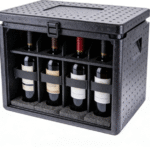
Pengiriman makanan penutup beku khas Tempk menggunakan kaku pengirim terisolasi, paket es kering atau tata letak cairan pendingin yang kompatibel dengan es kering, lapisan pengekangan produk, pemisah kering, dan daftar periksa penerimaan. Untuk rute langsung ke konsumen, format parsel yang ringkas dapat mengurangi ruang udara dan meningkatkan efisiensi dingin. Untuk pengiriman grosir atau multi paket, pembagi bagian dalam yang lebih kuat dan massa es kering yang lebih besar mungkin diperlukan.
Jalankan validasi pertama dengan pencatat suhu di tingkat produk dan daftar periksa penerimaan visual. Periksa kekencangan produk, kondisi pembungkus atau tutupnya, kekeringan karton, embun beku, perpindahan bau, dan apakah pelanggan dapat mengeluarkan produk dengan bersih dari pengirim. Setujui paket hanya setelah menguji rute sebenarnya, ukuran produk, jumlah pesanan, dan kondisi musim panas.