Desain Liner Kotak Bata Gel untuk Paket Paket yang Konsisten
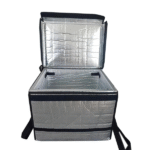
Batu bata gel pelapis kotak hanya berguna setelah dilipat, pas, sarat, dan ditutup. Pada lembar bahan, insulasi mungkin tampak seragam. Di dalam karton pengiriman, celah sudut, panel terkompresi, penutup yang salah urutan, dan memindahkan batu bata dapat menciptakan batas termal yang sangat berbeda. Liner memperlambat masuknya panas; itu tidak mendinginkan produk atau mengatur titik setel.
Format ini efisien untuk paket satu arah karena komponen dapat disimpan secara datar dan dapat digunakan dengan kotak bergelombang. Keuntungan utamanya adalah kemampuan beradaptasi, dan risiko utamanya adalah variasi perakitan. Rawat karton yang terpasang, liner, batu bata, buffer, muatan, penutup, dan cara pengepakan sebagai produk yang harus dievaluasi.
Putuskan Apakah Format Liner Sesuai dengan Model Distribusi
Karton berjajar sering kali dipertimbangkan saat menggunakan ruang penyimpanan terlebih dahulu, berat keluar, penanganan parsel yang familiar, dan masalah pengiriman satu arah. Mereka mungkin cocok dengan makanan, bahan-bahan, kosmetik, Bahan Laboratorium, dan barang sensitif suhu lainnya jika kemasan lengkapnya memenuhi persyaratan produk yang berlaku.
Pendingin yang dibentuk bisa menjadi pilihan yang lebih baik jika geometrinya kaku, penanganan berulang, pembersihan, dan kembali mendominasi. Sistem panel berkinerja tinggi mungkin cocok jika ketebalan dinding dan kebocoran panas sangat penting, asalkan tepi dan panel dilindungi. Peralatan aktif atau transportasi yang diatur suhunya mungkin lebih cocok bila cadangan pasif tidak dapat menempuh rute yang panjang atau sangat tidak pasti.
Tentukan pilihan setelah menentukan payload, kondisi yang diperlukan, durasi total, paparan musiman, penanganan, kelembaban, dan kriteria penerimaan. Liner yang dipilih hanya karena mudah disimpan dapat menghasilkan cairan pendingin ekstra, pengisi, tenaga kerja, atau risiko di jalur pengepakan.
Formatnya juga membutuhkan pemilik. Karton, liner, bata, dan spacer mungkin berasal dari pemasok yang berbeda, namun pembeli memerlukan satu daftar bahan yang terkendali dan satu orang atau fungsi yang bertanggung jawab atas antarmuka mereka.
Empat Zona Antarmuka Menentukan Kinerja
Panel ke panel
Wajah yang fleksibel dapat bertemu sebagai sambungan pantat, tumpang tindih, gusset, atau lipatan bersarang. Panas dan udara cenderung mengikuti rute yang lebih mudah, jadi jarak yang selaras dari dasar hingga penutup bisa lebih berarti daripada material panel yang lebar. Petakan setiap sudut, tepian, celah, dan penutupan atas. Tentukan urutan tumpang tindih dan cara karton menahannya.
Jangan berasumsi bahwa pelapisan logam memecahkan masalah jahitan. Permukaan reflektif dapat mengurangi perpindahan radiasi pada rakitan yang sesuai, tetapi pengaruhnya tergantung pada orientasi, ruang yang berdekatan, kompresi, kelembaban, dan mode aliran panas lainnya. Evaluasi liner yang telah selesai daripada memilih berdasarkan kilap atau jumlah lapisan.
Lapisan ke karton
Casing bergelombang memberikan bentuk sistem yang fleksibel, penutup, permukaan pelabelan, dan sebagian besar perlindungan mekanisnya. Dimensi karton bervariasi sesuai batas produksi dan dapat berubah karena kompresi atau kelembapan. Liner yang dikembangkan dalam satu kotak potongan tangan mungkin akan tertekuk dalam kotak produksi yang lebih kecil atau meninggalkan saluran di kotak produksi yang lebih besar.
Tinjau dimensi kasus internal, konstruksi papan yang relevan dengan beban, toleransi kapal, dan menutup bersama-sama. Batu bata gel tambahkan massa, sementara kondensasi atau kebocoran dapat melemahkan karton yang sensitif terhadap kelembapan. Jenis dan pola pita merupakan komponen yang dikontrol ketika mempengaruhi penutupan dan kekuatan distribusi.
Bata ke liner
Sudut bata yang kaku, jahitan, topi, atau permukaan yang terdistorsi dapat mengikis lapisan fleksibel selama getaran. Kesesuaian yang dekat dapat meningkatkan geometri tetapi merusak lapisan atau menghentikan penutupan penutup. Jarak bebas yang berlebihan memungkinkan batu bata menjauh dari lokasi yang dipetakan.
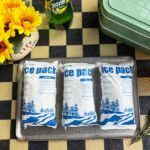
Tentukan panjangnya, lebar, ketebalan, massa terisi, bentuk tepi, dan variasi dimensi yang diperbolehkan dalam kondisi yang digunakan untuk pengepakan. Informasi prakualifikasi WHO untuk pembawa vaksin menekankan hal itu paket pendingin membutuhkan ukuran yang benar dan cocok untuk mereka wadah terisolasi. Prinsip praktisnya berlaku secara luas: pendingin harus dirancang ke dalam rongga, tidak dimasukkan sebagai aksesori.
Bata ke produk
Liner kompak dapat menekan cairan pendingin beku ke muatan. Hal ini mungkin tidak dapat diterima untuk produk yang sensitif terhadap pembekuan. Gunakan baki yang ditentukan, pemisah, paket sekunder, atau kesenjangan yang terkendali jika bukti menunjukkan hal tersebut diperlukan. Bahan pemisah, ketebalan, cakupan, dan posisi harus tetap konsisten dengan pengujian.
Bangun Rongga Dari Produk ke Luar
Mulailah dengan pengaturan produk minimum dan maksimum. Tambahkan penahanan sekunder yang diperlukan dan posisi pemantauan. Tetapkan di mana batu bata dapat diletakkan tanpa menghancurkan muatan atau menghalangi penutupan lapisan. Baru kemudian pilih ketebalan liner dan karton luar.
Urutan ini menghindari membeli stock case yang meninggalkan kekosongan besar yang tidak terkendali atau menemukan bahwa liner telah menghabiskan ruang yang disediakan untuk cairan pendingin.. Itu juga membuat ruang muatan yang dapat digunakan terlihat. Dimensi luar dan volume nominal karton tidak menggambarkan rongga persegi panjang yang tersisa setelah insulasi dan batu bata.
| Keputusan desain | Pertanyaan verifikasi yang berguna | Resiko jika tetap tidak jelas |
|---|---|---|
| Konstruksi sudut | Lakukan semua toleransi karton dan liner yang diizinkan untuk menutup sudut? | Jalur panas langsung atau pengerjaan ulang perakitan |
| Urutan tutupnya | Tutup mana yang menutup terlebih dahulu, dan bisakah bata bagian atas tetap di tempatnya? | Musim semi kembali, celah, atau isolasi terkompresi |
| Geometri bata | Berapa dimensi yang dikemas setelah pengkondisian? | Tusukan, bergeser, atau penutupan paksa |
| Pita muatan | Bagaimana beban minimum ditahan tanpa improvisasi? | Ruang kepala berlebih dan massa termal tidak konsisten |
| Pemisah | Apakah perlindungan kontak dingin sudah lengkap di semua posisi produk? | Tamasya lokal bersuhu lebih rendah |
| Kontrol kelembaban | Merupakan cairan hasil kondensasi atau kebocoran yang terkandung? | Karton lemah, kehilangan label, atau kontaminasi muatan |
| Penutupan luar | Pita atau pola pengikat mana yang dievaluasi? | Pembukaan mekanis dan pertukaran udara |
Tabel tersebut harus menjadi tinjauan prototipe, bukan latihan dokumen. Kumpulkan kombinasi tujuan komersial mendekati batas dimensi yang diizinkan. Jika kontrol bergantung pada dorongan pengepak, lipat, atau menebak dengan cara tertentu, mendesain ulang isyarat fisik atau mendokumentasikan operasi yang sebenarnya.
Beberapa ukuran muatan memerlukan solusi eksplisit
Satu liner dan karton terkadang dapat menopang beberapa muatan, tetapi melipat bahan pelapis berlebih atau menambahkan bahan pengisi yang lepas dapat mengubah jahitan, kompresi, dan ruang udara. Pesanan dalam jumlah kecil mungkin lebih cepat panas karena massa termal produknya lebih sedikit. Tentukan sisipan beban rendah, ukuran paket kedua, atau konfigurasi terkontrol lainnya daripada membiarkan setiap shift menyelesaikan ruang secara berbeda.
Satu batu bata besar dapat menyederhanakan penghitungan dan menutupi permukaan yang lebar. Beberapa batu bata yang lebih kecil memberikan fleksibilitas penempatan tetapi menambah peluang penanganan dan kelalaian. Bandingkan opsi pada ukuran kotak eksternal, izin muatan, waktu perakitan, area kontak dingin, dan memetakan distribusi suhu. Tidak ada rasio universal antara batu bata dan karton.
Perlakukan Kelembapan sebagai Masukan Desain
Pengembunan dan kebocoran sama-sama dapat menghasilkan kemasan basah, namun keduanya mempunyai penyebab yang berbeda. Kondensasi terbentuk ketika udara lembab bertemu dengan permukaan dingin. Kebocoran berarti selungkup bata telah kehilangan integritasnya. Prosedur penerimaan dan penyimpangan harus membedakannya daripada memberi label pada setiap area basah sebagai keringat normal.
Pilih strategi kelembapan yang sesuai dengan muatannya. Ini mungkin termasuk permukaan bagian dalam yang tahan cairan, tas produk terpisah, bahan penyerap terkontrol, atau bentuk penahanan sekunder lainnya. Jangan mengklaim bahwa liner kedap air kecuali jahitan dan penutupannya telah dievaluasi untuk tujuan tersebut. Penghalang kelembapan juga dapat mengubah perpindahan panas dan penanganan di akhir masa pakainya, jadi sertakan dalam build yang diuji.
Untuk makanan kemasan, verifikasi bahan mana yang bersentuhan langsung atau tidak langsung dengan makanan dan dapatkan dokumentasi dengan cakupan yang benar. Untuk laboratorium atau konten medis, pelapis termal tidak menggantikan penahan primer atau sekunder yang diperlukan. Pilihan cairan pendingin tidak dapat memenuhi persyaratan barang berbahaya atau kemasan spesimen yang termasuk dalam muatan.
Alat pengambilan keputusan yang berguna
Periksa detailnya sebelum Anda memilih kemasan
Alat cepat ini dapat membantu Anda membandingkan risiko rute, kebutuhan ukuran, pilihan pendingin, dan detail kemasan sebelum Anda meminta penawaran.
Pelapis Kotak & Ukuran Penutup Palet
Centang kotak logika ukuran penutup palet dan liner untuk proyek pengemasan berinsulasi.
Perkiraan ukuranReferensi Bahan Isolasi
Bandingkan pilihan bahan insulasi untuk kebutuhan pengemasan rantai dingin yang berbeda.
Bandingkan bahanKalkulator Paket Es
Perkirakan jumlah paket es gel untuk pengiriman dingin dan perencanaan rute yang praktis.
Perkirakan kantong esPeriksa batu bata apakah ada tusukan, kebocoran, pembengkakan, kontaminasi, segel yang rusak, dan deformasi sebelum digunakan. Lindungi permukaan liner yang tipis atau berperforma tinggi dari tepi produk yang tajam dan pergerakan batu bata. Jika paket basah tiba, periksa struktur cairan pendingin dan karton sebelum melepaskan komponen untuk digunakan kembali.
Jadikan Urutan Lipatan Bukti Produksi
Pergeseran penyimpanan datar bekerja dari pemasok ke jalur pengepakan. Ukur pekerjaan itu pada kecepatan normal dan volume puncak. Musim semi kembali, statis, batu bata basah yang dingin, sarung tangan, variasi karton, dan ruang bangku yang terbatas semuanya dapat mengubah kualitas perakitan.
Instruksi visual harus menunjukkan karton kosong, orientasi kapal, formasi bawah dan sudut, batu bata yang lebih rendah, pemisah, pita muatan, logger, bata atas, tutup kapal, dan penutupan luar. Kalau muka bagian dalam dan luar mempunyai fungsi yang berbeda, gunakan pengidentifikasi yang tetap jelas selama kondensasi dan penanganan.
Amati staf yang berpengalaman dan yang baru terlatih. Rekam panel terbalik, tumpang tindih yang tidak lengkap, sudut yang ditekankan, spacer dihilangkan, tutup yang terlalu penuh, liner rusak, dan waktu dari pembongkaran batu bata hingga penutupan akhir. Kesalahan yang berulang biasanya menandakan desain atau stasiun kerja yang ambigu, bukan sekedar orang yang ceroboh.
Pra-kitting dapat mengurangi kesalahan pemilihan. Pisahkan komponen musiman atau komponen khusus muatan secara fisik dan berdasarkan nomor komponen. Lindungi lapisan datar agar tidak hancur, kelembaban, kotoran, dan revisi campuran. Pemindaian terakhir, pemeriksaan berat badan, atau foto mungkin mendukung verifikasi dalam sistem standar, namun metode ini harus diuji berdasarkan toleransi normal sehingga dapat mendeteksi komponen yang hilang atau salah.
Uji Pembangunan Komersial yang Kredibel dan Terlemah
Bukti kualifikasi merupakan milik kombinasi muatan karton-liner-bata yang tepat. Panduan teknis WHO menjelaskan desain, operasional, dan tahapan kualifikasi kinerja untuk peti kemas pasif. Gunakan prinsip-prinsip tersebut sesuai dengan risiko produk dan sistem mutu organisasi.
Pengujian operasional harus mencakup paparan panas dan dingin yang dapat dibenarkan, muatan minimum dan maksimum, durasi penuh dari pintu ke pintu dengan tunjangan penundaan, variasi pengkondisian yang diperbolehkan, dan lokasi sensor di dekat kemungkinan lapisan hangat dan antarmuka dingin. Jangan gunakan rata-rata beberapa probe untuk menyembunyikan satu lokasi produk yang gagal.
Standar ISTA 20 menyediakan proses terstruktur untuk perancangan dan kualifikasi kontainer pengiriman terisolasi, sementara ISTA 7E menawarkan profil termal untuk sistem parsel. Tes yang dipilih tetap harus mewakili produk dan jalur. Profil standar bukanlah janji untuk setiap musim, tujuan, atau proses pembawa.
Evaluasi mekanis penting karena turun, getaran, kompresi, dan kelembapan dapat membuka lipatan, air mata wajah, menggeser batu bata, atau melemahkan karton. Periksa kemasan setelah tantangan fisik yang relevan dan nilai apakah pengujian ulang termal diperlukan dalam kondisi yang berubah.
Pengiriman kinerja kemudian dapat mengonfirmasi perakitan rutin dan serah terima. Catat identitas komponen, pengkondisian, stempel waktu pengepakan, lokasi pencatat, acara pembawa, kondisi kedatangan, dan menerima waktu. Jika sudut atas menghangat sementara batu bata masih terkondisi sebagian, selidiki penutupan penutup dan jalur panas lokal sebelum meningkatkan massa pendingin.
Kontrol Pengadaan di Beberapa Pemasok
Untuk liner, meminta konstruksi, dimensi dan toleransi, desain lipat, respon kelembaban, perlindungan tusukan, penyimpanan, identifikasi bagian, dan mengubah pemberitahuan. Untuk karton, konfirmasi dimensi internal, karakteristik kekuatan yang relevan, penutup, toleransi produksi, dan pertimbangan kelembaban. Untuk batu bata, dimensi ulasan, batas massa terisi, informasi refrigeran fungsional, pengkondisian, kontrol penutup dan segel, dokumentasi keselamatan, dan ketertelusuran banyak.
Laporan termal harus mengidentifikasi komponen pastinya, muatan, profil, lamanya, sensor, dan kriteria penerimaan. Uji bahan atau laporan untuk ukuran karton lain bukan merupakan bukti untuk paket komersial yang diusulkan. Perlakukan klaim pemasok sesuai dengan cakupannya.
Sepakati bagaimana perubahan dikomunikasikan. Papan karton atau dimensi, lapisan liner atau perekat, menghadap reflektif, formulasi batu bata, isi massa, resin kandang, kelas pengatur jarak, tape, perkakas, atau lokasi produksi dapat mempengaruhi sistem. Pembeli harus menilai dampak dan memutuskan apakah verifikasi sesuai, pengujian terfokus, atau rekualifikasi yang lebih luas adalah tepat.
Bandingkan biaya di tingkat paket. Termasuk harga komponen, kubus penyimpanan, tenaga kerja perakitan, pengkondisian, dimensi eksternal, massa yang dikemas, pemeriksaan kualitas, paparan kehilangan produk, dan pembuangan atau pemulihan yang realistis. Liner yang menghemat ruang gudang tetapi sering menghasilkan kesalahan pengepakan mungkin bukan sistem yang berbiaya lebih rendah.
Pertanyaan yang sering diajukan
Merupakan liner berinsulasi yang setara dengan pendingin cetakan?
Tidak secara otomatis. Karton berlapis mungkin menawarkan penyimpanan datar dan paket kompak, sedangkan pendingin yang dibentuk biasanya memberikan geometri yang lebih kaku. Kinerja tergantung pada konstruksi yang lengkap, pendingin, muatan, penutup, penanganan, dan kondisi pengujian. Bandingkan sistem yang sudah jadi dengan kriteria penerimaan yang sama daripada membandingkan nama material.
Ke arah mana seharusnya liner reflektif menghadap?
Ikuti instruksi terkontrol dari pemasok dan paket yang diuji. Performa pancaran bergantung pada orientasi, ruang udara yang berdekatan, kompresi, kelembaban, dan sisa konstruksi. Penampilan tidak memberikan aturan universal. Tandai orientasi yang disetujui dengan jelas jika membalikkannya dapat mempengaruhi perakitan atau kinerja.
Berapa banyak batu bata gel yang termasuk dalam karton berlapis?
Tidak ada hitungan universal. Jumlah dan lokasi tergantung pada sifat dan kondisi batu bata, kebocoran panas lapisan, muatan, suhu awal, ruang kepala, paparan eksternal, lamanya, dan rangkaian produk yang diizinkan. Kembangkan tata letak kandidat, memetakan lokasi hangat dan dingin, dan memenuhi syarat konfigurasi akhir.
Apakah mengganti kotak bergelombang memerlukan peninjauan kembali?
Ya, ketika perubahan dapat mempengaruhi fit, penutup, kekuatan mekanis, perilaku kelembaban, atau geometri internal. Penilaian dampak yang terdokumentasi harus menentukan verifikasi yang tepat. Bahkan perubahan dimensi kecil pun dapat membuka jahitan liner, kompres panel, atau memindahkan batu bata ke arah muatan.
Kesimpulan: Tutup Antarmuka Sebelum Menambahkan Pendingin
Desain liner kotak bata gel yang efektif bergantung pada kontinuitas lipatan, karton sesuai, geometri bata yang terkontrol, kontak muatan yang dilindungi, manajemen kelembaban, dan urutan penutupan yang berulang. Memenuhi syarat pembangunan komersial pada kondisi muatan dan toleransi terlemah yang dapat dipercaya, kemudian melestarikannya melalui instruksi yang jelas dan kontrol perubahan pemasok.
Mulailah dengan tinjauan kesesuaian fisik menggunakan komponen tujuan produksi. Tandai setiap sudut yang terbuka, wajah terkompresi, batu bata yang bergerak, penutup yang ambigu, dan zona basah. Memperbaiki antarmuka tersebut sebelum pekerjaan termal formal menghasilkan paket yang lebih mudah untuk diuji, beroperasi, dan menyelidiki.
Tentang tempk
Dan Tempk, kami menyediakan Gel Ice Packs Dan kemasan terisolasi kategori yang menyertakan kotak, tas, dan format tingkat palet. Untuk proyek karton berjajar, kita bisa mendiskusikan dimensi bata, pengkondisian, isolasi cocok, dan sampel komponen menggunakan karton pembeli dan informasi muatan. Kesesuaian dan kinerja harus dikonfirmasi untuk paket komersial yang telah selesai dan rute yang dimaksudkan.
Bagikan gambar karton Anda, jangkauan muatan, kondisi yang diperlukan, durasi rute, risiko kelembaban, dan metode pengepakan dengan Tempk untuk mendiskusikan konfigurasi sampel yang berfokus pada kesesuaian.