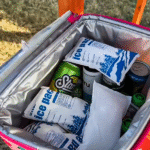
Gel Brick PCM untuk Paket Terkendali Suhu: Panduan Seleksi Praktis
PCM batu bata gel harus dipilih sebagai bagian dari kemasan, bukan sebagai janji yang berdiri sendiri. Pembeli perlu mengetahui isi batu bata tersebut, bagaimana itu disegel, bagaimana itu akan dibekukan atau dikondisikan, di mana ia berada dalam wadah terisolasi, dan bukti apa yang diperlukan sebelum menskalakan ke penggunaan massal. Panduan yang dioptimalkan ini menggabungkan pendidikan produk, batasan teknis, dan saran pembelian di tingkat rute sehingga Anda dapat membuat keputusan pengadaan yang lebih dapat dipertahankan. Itu membuat klaim kinerja tetap terikat dengan muatan sebenarnya, jalur, dan proses pengepakan.
Kesimpulan praktis: tulis kebutuhan rute dan muatan terlebih dahulu, kemudian pilih gel brick PCM sebagai komponen pendingin yang dapat diuji, penuh sesak, diperiksa, dan ditingkatkan tanpa menimbulkan risiko penanganan baru.
Mulailah dengan pekerjaan itu, bukan nama produknya
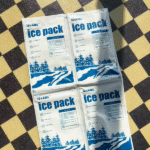
Batu bata gel adalah sumber dingin kaku atau semi-kaku yang digunakan di dalam pengirim berinsulasi, kotak pendingin, tote, atau tas pengiriman. Tergantung pada desainnya, isiannya bisa berupa gel berbahan dasar air, formulasi PCM, atau campuran pendingin lainnya. Bentuknya yang kaku membuat penghitungan, penempatan, dan penanganan berulang lebih mudah dibandingkan dengan banyak kemasan lunak, sedangkan isiannya menghasilkan massa termal yang menyerap panas saat memanas atau meleleh. Itulah kontribusi yang bermanfaat: batu bata memperlambat perolehan panas di dalam wadah. Itu tidak menciptakan pengiriman yang memenuhi syarat dengan sendirinya.
Untuk pembeli, keputusan pertama bukanlah apakah nama produk terdengar kuat. Apakah batu bata tersebut mendukung paket dengan jendela suhu target, pengurangan risiko pembekuan, atau prosedur pengkondisian berulang itu penting. Jika rutenya pendek, wadah berinsulasi efisien, dan produk dapat mentolerir kondisi dingin yang luas, batu bata gel standar mungkin cukup setelah pengujian sampel. Jika produk sensitif terhadap pembekuan atau rentang yang diterima sempit, pembeli mungkin membutuhkan batu bata PCM, lapisan pemisahan, pengkondisian awal yang terkendali, rencana penebang kayu, dan tinjauan kualitas. Oleh karena itu, format fisik yang sama dapat memiliki tujuan yang sangat berbeda tergantung pada cara penggunaannya.
Bandingkan format cairan pendingin sebelum mengunci spesifikasi
Banyak kesalahan pembelian dimulai ketika tim menggunakan nama produk secara longgar. Paket gel lembut mungkin mudah untuk dibungkus di sudut produk, sedangkan batu bata gel yang kaku lebih mudah dihitung, tumpukan, membersihkan, dan tempatkan di peta pemuatan berulang. Batu bata es berisi air dapat menghemat biaya jika pendinginan yang luas dapat diterima. Paket PCM mungkin lebih baik ketika pengiriman memerlukan perilaku suhu yang lebih pasti. Tak satu pun dari format ini yang secara otomatis lebih unggul; pilihan yang tepat tergantung pada kebutuhan suhu, desain kontainer, rute, proses kerja, dan anggaran.
Untuk PCM batu bata gel, perbandingannya harus fokus pada apa yang ingin dikontrol pembeli. Jika prioritasnya adalah dukungan dingin yang sederhana, gel standar atau batu bata berbahan dasar air mungkin praktis. Jika prioritasnya adalah manajemen risiko beku atau rentang target yang lebih sempit, format PCM mungkin layak untuk dievaluasi. Jika prioritasnya adalah keberlanjutan, pertanyaannya bukan hanya apakah batu bata tersebut dapat digunakan kembali, tetapi apakah ia dapat kembali dengan baik dan tetap bersih serta utuh. Kalau yang diutamakan adalah penanganan yang kasar, format kaku tugas berat dapat mengurangi risiko tusukan namun mungkin juga memakan lebih banyak ruang muatan yang dapat digunakan.
| Situasi pembeli | Arah media pendingin | Apa yang harus diverifikasi sebelum memesan |
|---|---|---|
| Makanan atau bahan makanan dingin yang rutin | Batu bata gel atau batu es berbahan dasar air | Cocok untuk kotak, kondensasi, pemisahan produk, kapasitas pembekuan, dan kondisi kedatangan |
| Layanan kesehatan atau muatan laboratorium yang didinginkan | Batu bata gel yang dikondisikan, bata PCM, atau paket hybrid | Kisaran label produk, membekukan risiko, rencana penebang, profil rute, dan persetujuan kualitas |
| Rute lokal berulang | Bata kaku yang dapat digunakan kembali | Proses pengembalian, pembersihan, pemeriksaan kerusakan, pengendalian kerugian, dan perputaran freezer |
| Rute yang lebih panjang atau lebih panas | Massa termal lebih tinggi, PCM, atau desain hibrida | Profil ambient, muatan, isolasi, tata letak paket, dan menguji bukti |
| Geometri kotak khusus | Bata ukuran khusus atau format cetakan | Dimensi dalam, izin produk, persetujuan sampel, dan toleransi produksi |
Gunakan tabel sebagai filter sumber, bukan sebagai aturan universal. Hal ini membantu tim pengadaan mengajukan pertanyaan yang lebih tajam sebelum sampel dibuat. Keputusan akhir masih memerlukan uji coba menggunakan produk nyata atau simulator muatan yang dibenarkan, wadah terisolasi yang dimaksud, dan proses pengepakan yang dapat diulangi oleh staf gudang.
Terjemahkan fitur produk ke dalam petunjuk pengoperasian
Titik lemah yang paling umum bukan hanya pada batu bata saja; ini adalah kesenjangan antara spesifikasi produk dan perilaku gudang. PCM batu bata gel harus dibekukan atau dikondisikan dengan cara tertentu, ditempatkan di dalam kotak secara konsisten, dipisahkan dari produk yang tidak boleh menyentuh permukaan beku, dan diperiksa sebelum digunakan. Jika operator mengemas berdasarkan memori, ubah jumlah batu bata selama periode sibuk, atau memuat batu bata hangat karena ruang freezer terbatas, spesifikasi produk pada pesanan pembelian tidak akan melindungi pengiriman.
Instruksi pengemasan yang praktis harus memberi tahu operator ke mana setiap batu bata diletakkan, kondisi awal apa yang dapat diterima, cara menangani kondensasi, penghalang atau pembatas apa yang diperlukan, dan bila batako harus ditolak karena bocor, deformasi, kontaminasi, atau sudut patah. Hal ini juga harus menjelaskan apa yang terjadi saat menerima. Tim penerima yang hanya memeriksa apakah barang tiba dalam keadaan dingin mungkin akan kehilangan bukti pembekuan kontak, cairan pendingin yang dicairkan, atau penundaan rute yang perlu ditinjau oleh tim mutu.
Untuk paket dengan jendela suhu target, pengurangan risiko pembekuan, atau prosedur pengkondisian berulang itu penting, peta pemuatan sangat penting karena permukaan terdingin mungkin adalah batu bata itu sendiri. Kontak langsung dapat bermanfaat untuk beberapa produk dan berisiko bagi produk lainnya. Produk makanan mungkin memerlukan penghalang sanitasi. Produk farmasi mungkin memerlukan dokumentasi pemisahan dan pemantauan suhu. Kemasan ritel yang rapuh mungkin memerlukan ruang agar tidak hancur. Ini bukanlah detail kecil; itulah perbedaan antara komponen pendingin dan proses rantai dingin yang berulang.
Artikel ini menggunakan bahasa yang hati-hati seputar persyaratan rantai dingin. Banyak rute farmasi dan vaksin direncanakan berdasarkan kondisi penyimpanan yang diberi label atau ditentukan, dan beberapa pengiriman layanan kesehatan berpendingin menggunakan rentang seperti 2 derajat C sampai 8 derajat C. Itu tidak berarti setiap obat, mencicipi, atau produk makanan memiliki persyaratan yang sama. Pembeli harus mengkonfirmasi label produk, perjanjian kualitas, profil rute, dan peraturan setempat. Standar dan praktik seperti profil termal ISTA, Prosedur kargo yang sensitif terhadap suhu IATA, Aturan kontak makanan FDA, dan panduan penyimpanan vaksin CDC adalah referensi yang berguna, namun hal tersebut tidak menggantikan kualifikasi pembeli atau dokumentasi pemasok.
Apa yang harus dikonfirmasi sebelum persetujuan sampel dan produksi massal
Sebelum memesan PCM gel brick dalam jumlah besar, ajukan pertanyaan yang menghubungkan produk dengan rute Anda. Percakapan pemasok yang bermanfaat harus mencakup titik perubahan fase, protokol pengkondisian, tata letak paket, profil pengujian, dokumentasi, dan konsistensi sampel hingga produksi. Jika pemasok tidak dapat menjelaskan bagaimana batu bata tersebut harus dikondisikan, bagaimana berat isi dikontrol, bagaimana kebocoran ditangani, atau pemeriksaan sampel apa yang realistis, pembeli harus memperlambat. Harga satuan yang rendah bisa menjadi mahal jika produk tidak sesuai dengan wadahnya, membutuhkan waktu terlalu lama untuk dibekukan, atau menimbulkan perselisihan kualitas setelah pengiriman.
Konfirmasikan setpoint PCM, suhu pengkondisian, apakah pemasok memiliki data uji untuk jalur Anda, dan apakah istilah gel dan PCM digunakan secara konsisten. Tanyakan juga apakah pemasok dapat menyelaraskan spesifikasi sampel dan produksi massal. Sampel yang berfungsi karena disiapkan dengan hati-hati mungkin tidak mewakili dimensi produksi rutin, isian, desain segel, kemasan karton, atau instruksi pengkondisian berubah nanti.
Tim pengadaan dapat menggunakan pertanyaan-pertanyaan berikut selama penyaringan pemasok:
- Apa sebenarnya yang ada di dalam batu bata itu, dan apakah SDS atau pernyataan material tersedia?
- Apakah penggunaan yang disebutkan mengacu pada batu bata yang berdiri sendiri atau paket yang telah diuji dengan insulasi dan muatan?
- Bagaimana seharusnya batu bata itu dibekukan, dikondisikan, tersimpan, sarat, dan diperiksa sebelum digunakan?
- Apa perbedaan antara dimensi eksternal, ruang paket yang dapat digunakan, dan ruang tersisa untuk produk?
- Bukti apa yang mendukung pernyataan kinerja apa pun, dan apakah sesuai dengan rute yang dituju?
- Bagaimana rusaknya, bocor, bengkak, atau unit yang terkontaminasi diidentifikasi dan dipindahkan?
- Untuk ukuran khusus atau pekerjaan label pribadi, langkah persetujuan apa yang mencegah penyimpangan sampel ke produksi?
Jawabannya tidak selalu harus berupa paket validasi formal. Untuk pengiriman makanan berisiko rendah, uji coba sampel praktis dan instruksi pengemasan yang jelas mungkin sudah cukup. Untuk perawatan kesehatan, Biologi, Diagnostik, atau jalur yang diatur, tim kualitas pembeli mungkin memerlukan bukti yang lebih ketat, pemantauan suhu yang terdokumentasi, dan persetujuan khusus rute. Kuncinya adalah mencocokkan tingkat bukti dengan tingkat risiko pengiriman.
Alat pengambilan keputusan yang berguna
Periksa detailnya sebelum Anda memilih kemasan
Alat cepat ini dapat membantu Anda membandingkan risiko rute, kebutuhan ukuran, pilihan pendingin, dan detail kemasan sebelum Anda meminta penawaran.
Kalkulator Ice Pack
Perkirakan jumlah paket es gel untuk pengiriman dingin dan perencanaan rute yang praktis.
Perkirakan kantong esPendingin & Referensi PCM
Bandingkan opsi cairan pendingin dan PCM ketika suatu rute memerlukan dukungan suhu tambahan.
Bandingkan pilihanPemilih Kemasan
Bandingkan opsi kemasan berinsulasi berdasarkan produk, rute, dan kebutuhan suhu.
Temukan kemasannyaBendera merah untuk ditangkap sebelum pesanan besar pertama
A batu bata pendingin bisa gagal dengan cara yang tidak terlihat dalam daftar produk. Mungkin terlalu besar untuk kotaknya, menyisakan lebih sedikit ruang untuk produk. Mungkin terlalu dingin untuk muatan yang sensitif terhadap pembekuan. Mungkin sulit untuk membekukan dengan cukup cepat untuk pengoperasian sehari-hari. Mungkin bocor setelah penanganan berulang kali. Isinya mungkin tidak konsisten. Ini mungkin ditempatkan di atas barang yang mudah pecah karena tidak ada peta pemuatannya. Tak satu pun dari masalah ini berarti gagasan PCM batu bata gel salah; itu berarti pembelian tidak terhubung dengan operasi sebenarnya.
Jalan pintas dengan risiko tertinggi adalah memperlakukan komponen sebagai suatu sistem. Batu bata gel, bata PCM, kotak terisolasi, liner, Data Logger, atau label mempunyai tugas yang berbeda. Batu bata menyediakan sumber dingin. Isolasi memperlambat aliran panas. Tata letak paket mengontrol kontak dan aliran udara. Logger mencatat apa yang terjadi. Proses kualitas memutuskan apakah bukti dapat diterima. Ketika peran-peran ini digabungkan, pembeli mungkin mengharapkan batu bata tersebut melakukan pekerjaan yang termasuk dalam desain paket lengkap.
Tanda bahaya lainnya adalah nomor kinerja tanpa konteks. Jika pemasok menyatakan waktu tunggu, pembeli harus menanyakan profil ambien apa, muatan, wadah, kuantitas pendingin, kondisi awal, dan kriteria penerimaan digunakan. Hasil laboratorium dapat bermanfaat, tapi itu bukan janji untuk setiap jalur. Jika pemasok tidak dapat memberikan konteks, perlakukan nomor tersebut sebagai klaim pemasaran sampai sampel atau uji rute Anda mendukungnya.
Bagaimana pembeli dapat berpindah dari sampel ke produksi
Tim pengadaan yang mengembangkan kotak berinsulasi baru dapat memperlakukan pemilihan PCM batu bata gel sebagai proses persetujuan bertahap. Pertama, menentukan muatannya, kisaran suhu yang diperlukan, dimensi bagian dalam kotak, durasi rute, dan kemungkinan paparan lingkungan. Kedua, meminta sampel yang sesuai dengan peta pemuatan, bukan ukuran umum. Ketiga, jalankan paket percontohan dengan freezer yang sama, operator, jangka pembagi garis, dan menerima cek yang akan digunakan nanti. Keempat, membandingkan data dan kondisi produk sebelum mengubah spesifikasi.
Pendekatan ini lebih lambat dibandingkan memilih dari foto katalog, namun hal ini mengurangi perubahan yang dapat dihindari setelah perkakas, karya seni, kemasan karton, atau instruksi gudang terkunci. Hal ini juga membantu pemasok memahami detail mana yang penting dan mana yang fleksibel. Hasilnya adalah keputusan pembelian yang lebih mudah dalam pengoperasiannya, kualitas, dan pengadaan untuk dipertahankan.
Pemeriksaan khusus PCM sebelum Anda menyetujui paket
PCM harus dipilih berdasarkan titik perubahan fase, metode pengkondisian, dan toleransi muatan. Batu bata PCM yang berkinerja baik di satu jendela suhu mungkin tidak sesuai di jendela suhu lainnya. Pembeli sebaiknya menghindari memperlakukan PCM sebagai label premium secara default; akan bermanfaat jika tekanan yang dikehendaki dan proses pengoperasian sesuai dengan kebutuhan produk.
Sebelum persetujuan, konfirmasi apakah pemasok menggunakan PCM secara konsisten dalam penamaan dan dokumentasi. Beberapa produk disebut kemasan gel meskipun produk tersebut mengandung bahan pengubah fasa, sementara produk lain menggunakan bahasa seperti gel tanpa tekanan yang ditentukan. Mintalah penjelasan yang jelas tentang perilaku material, bukan hanya nama kategori produk.
Untuk penggunaan kesehatan, tim kualitas harus memutuskan apakah data pemasok, pengujian di rumah, uji coba jalur, dan penempatan logger sudah cukup. Untuk keperluan makanan dan bahan makanan, standarnya mungkin kurang formal, tetapi logika yang sama berlaku: paket harus melindungi produk di bawah rute sebenarnya, tidak dalam kondisi katalog yang ideal.
FAQ
Apakah PCM batu bata gel cukup untuk mengontrol suhu pengiriman dengan sendirinya?
TIDAK. PCM bata gel adalah komponen pendingin, bukan sistem pengontrol suhu yang lengkap. Ini harus digunakan dengan wadah berinsulasi yang sesuai, tata letak paket yang ditentukan, pengkondisian yang benar, dan instruksi penanganan. Untuk pengiriman berisiko tinggi, pembeli juga harus meninjau pemantauan suhu, paparan rute, dan persyaratan persetujuan kualitas sebelum menggunakan batu bata dalam produksi.
Kapan saya harus mempertimbangkan PCM dibandingkan batu bata gel standar?
Pertimbangkan PCM ketika muatan memerlukan perilaku suhu yang lebih jelas, pengendalian risiko pembekuan yang lebih baik, atau kisaran target yang tidak dapat didukung dengan baik oleh batu bata gel beku sederhana. Titik perubahan fase harus sesuai dengan persyaratan produk, dan paket harus diuji dengan muatan yang diinginkan, pengirim terisolasi, dan profil sekitar.
Apa yang harus saya tanyakan kepada pemasok sebelum memesan dalam jumlah besar?
Tanyakan tentang isiannya, bahan cangkang atau kantong, integritas segel, instruksi pengkondisian, konsistensi pengisian, kemasan karton, dan bukti apa yang mendukung pernyataan kinerja apa pun. Untuk PCM batu bata gel, tanyakan juga bagaimana produk harus diperiksa sebelum digunakan kembali atau dikemas, dan apakah sampel akan cocok dengan unit produksi massal.
Bagaimana cara menghindari pembelian kapasitas pendinginan yang berlebihan?
Mulailah dengan persyaratan produk dan risiko rute. Lebih kuat, lebih berat, atau lebih banyak batu bata rekayasa tidak selalu lebih baik jika menyebabkan pembekuan, menggunakan terlalu banyak ruang muatan, atau mempersulit persiapan gudang. Pengujian sampel membantu memastikan apakah batu bata yang dipilih cukup tanpa menambah biaya atau beban penanganan yang tidak perlu.
Kesimpulan
PCM batu bata gel harus dinilai berdasarkan kesesuaiannya, bukti, dan disiplin operasi. Keputusan pembelian yang paling berguna adalah menghubungkan batu bata pendingin dengan kebutuhan produk, wadah terisolasi, paparan rute, proses pengkondisian, dan pemeriksaan rutin. Jika pengirimannya sederhana, gel standar atau batu bata berbahan dasar air dapat digunakan setelah pengujian praktis. Jika pengiriman sensitif, jangkauan sempit, dapat digunakan kembali, kebiasaan, atau berisiko tinggi, pembeli harus meminta informasi material yang lebih jelas, panduan paket, dan bukti yang mencerminkan tujuan penggunaan.
Langkah teraman berikutnya adalah mengubah rute Anda menjadi spesifikasi: jenis produk, kisaran suhu yang diterima, dimensi kotak, waktu transit yang diharapkan, paparan lingkungan, memuat peta, proses pengembalian, dan kebutuhan dokumentasi. Dengan detail itu, PCM batu bata gel dapat dibandingkan sebagai bagian dari sistem rantai dingin nyata dan bukan sebagai item katalog.
Tentang Tempk
Tempk adalah kemasan rantai dingin merek Shanghai Tempk Industrial Co., Ltd. Perusahaan menyediakan media pendingin dan Kemasan yang dikendalikan suhu produk seperti Gel Ice Packs, bungkus berisi air, batu bata es freezer, tas terisolasi, Kotak berinsulasi EPP, liner terisolasi, penutup palet, dan bahan rantai dingin terkait. Untuk pembeli mengevaluasi Gel Bricks, Peran praktis Tempk tidak hanya menyediakan sumber dingin, tetapi untuk membantu menghubungkan sumber dingin tersebut dengan wadah berinsulasi, rute, muatan, dan proses pengepakan yang benar-benar akan digunakan.
Bagikan muatan Anda, rute, ukuran kotak, dan persyaratan suhu dengan Tempk untuk mendiskusikan apakah PCM bata gel atau format media pendingin lainnya merupakan titik awal yang lebih baik untuk sampel dan perencanaan massal.