Panduan Pembelian yang Lebih Baik untuk Sisipan Es Gel Untuk Pengiriman Perlengkapan Makanan
grosir peralatan makan sisipan es gel paling baik didekati sebagai keputusan sistem, bukan pembelian komoditas. Sisipan es gel untuk program grosir peralatan makan adalah zat pendingin pasif yang ditempatkan di sekitar protein, susu, dan berproduksi di dalam an pengirim terisolasi. Sisipan yang tepat meningkatkan kecepatan saluran dan stabilitas suhu, tetapi hanya jika disesuaikan dengan ukuran karton, isolasi, panjang rute, dan kondisi lingkungan musiman.
Pembeli yang paling dapat diandalkan memulai dengan rutenya, produk, dan profil risiko, lalu pilih format zat pendingin yang sesuai dengan kondisi tersebut. Sisipan gel adalah komponen pendingin, bukan sistem pengiriman yang lengkap. Performa paket makanan bergantung pada paket lengkap, termasuk linernya, kotak luar, pengaturan produk, metode pengkondisian, dan waktu pengiriman. Pendekatan itu biasanya menghasilkan kontrol suhu yang lebih baik, penanganan yang lebih bersih, dan lebih sedikit kejutan ketika volume meningkat.
Apa produknya—dan apa yang bukan
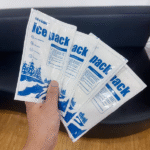
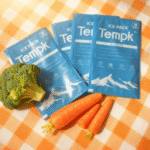
Sisipan es gel untuk pengiriman perlengkapan makanan paling baik dianggap sebagai sumber dingin yang terkontrol di dalam pengirim pasif. Mereka bukan pendingin aktif, ini bukan sertifikat kepatuhan universal, dan mereka tidak mengimbangi tata letak karton yang buruk. Nilainya terletak pada memberi Anda penyangga termal yang dapat diprediksi dan dapat dikondisikan, terhitung, ditempatkan, dan dievaluasi sebagai bagian dari sistem pengemasan yang lebih luas.
Perbedaan ini penting karena pembeli sering kali terlalu fokus pada bahan pendingin dan kurang fokus pada rutenya. Kontrol suhu diciptakan oleh interaksi antara sumber dingin, isolasi, muatannya, dan kondisi penanganannya. Setelah Anda melihat produk seperti itu, pertanyaan pemasok menjadi lebih jelas dan format trade-off menjadi lebih mudah untuk dinilai.
Cara mencocokkan sumber dingin dengan rute
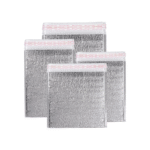
Mulailah dengan persyaratan muatan dan durasi jalur sebenarnya, termasuk waktu pengepakan, tempat tinggal pembawa, paparan mil terakhir, dan menerima penundaan. Kemudian lihat sistem terisolasi, bukan hanya pendinginnya. Kemasan yang lebih tipis dalam karton berinsulasi yang terpasang dengan baik dapat mengungguli kemasan yang lebih berat dengan tata letak yang buruk. Tujuannya adalah untuk mempertahankan pita yang tepat dalam jangka waktu yang cukup lama dengan kerumitan yang paling sedikit.
Berikutnya, memutuskan berapa banyak standardisasi yang dibutuhkan operasi. Jika karton yang sama dijalankan berulang kali dengan campuran produk yang stabil, format yang kaku menjadi lebih mudah dibenarkan karena menyederhanakan penghitungan dan penempatan. Jika ukuran kotak atau muatan produk sering berubah, sisipan fleksibel atau kemasan tertaut dapat memberikan efisiensi pengemasan yang lebih baik secara keseluruhan. Akhirnya, memperhitungkan musiman. Panas musim panas dan dinginnya musim dingin dapat menunjukkan kondisi pengondisian yang berbeda atau bahkan paket berbeda yang disetujui.
Bahan, konstruksi, dan perilaku termal
Halaman produk publik di pasar rantai dingin menunjukkan bahwa tidak semua kemasan gel berperilaku sama. Kemasan berpendingin biasanya ditawarkan dengan formulasi yang dirancang pada titik leleh 0°C, sedangkan produk distribusi beku mungkin menggunakan formula suhu rendah sekitar -23°C atau titik setel lebih rendah lainnya. Beberapa format tanpa keringat menambahkan lapisan luar tenunan atau penyerap untuk mengontrol kondensasi. Batu bata kaku mungkin menggunakan cangkang plastik tahan lama di sekitar inti gel atau PCM. Perbedaan tersebut mempengaruhi waktu pembekuan, kekerasan permukaan, resistensi tusukan, perilaku kelembaban, dan laju perpindahan panas ke muatan.
Geometri sama pentingnya dengan kimia. Sisipan datar memaksimalkan cakupan dinding, lembar tertaut membungkus konten yang tidak beraturan dengan baik, dan batu bata kaku menghasilkan massa termal terkonsentrasi dengan penghitungan yang lebih mudah di jalur pengepakan. Tak satu pun dari format tersebut yang lebih baik secara universal. Pilihan yang tepat tergantung pada ruang kotak yang tersedia, tata letak produk, apakah rutenya dingin atau beku, dan apakah operator Anda memerlukan kecepatan, fleksibilitas, atau disiplin penghitungan paket yang ketat.
Pengkondisian adalah variabel utama lainnya. Sebuah bungkusan secara teknis bisa benar di atas kertas dan masih gagal dalam praktiknya jika bungkusannya kurang beku, terlalu beku untuk aplikasi, atau dipentaskan terlalu lama di lingkungan sebelum tinju. Dalam banyak paket yang gagal, masalahnya bukan pada formula gel itu sendiri tetapi pada kondisi freezer yang tidak konsisten, instruksi kerja yang tidak jelas, atau ketidaksesuaian antara status kemasan dan persyaratan produk.
Batasan kualitas dan kepatuhan
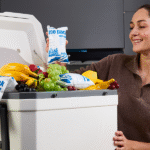
Untuk program makanan dan susu, sumber dingin harus mendukung tujuan keselamatan pengiriman yang sebenarnya. Pedoman masyarakat untuk penyampaian makanan langsung ke konsumen ditekankan kemasan terisolasi dipasangkan dengan paket gel beku atau cairan pendingin lain yang sesuai, dan makanan yang didinginkan umumnya harus tetap berada dalam kondisi dingin yang aman daripada masuk ke zona bahaya suhu. Itu berarti pembeli harus mengevaluasi keseluruhan paket, bukan hanya kotak pendingin.
Tinjauan materi juga penting. Ketika satu bungkus, liner, atau permukaan yang berdekatan dapat bersentuhan dengan makanan atau lapisan yang bersentuhan dengan makanan, pembeli harus meminta informasi kontak makanan yang relevan untuk pasar tujuan. Di Amerika Serikat, zat yang bersentuhan dengan makanan diatur oleh FDA, dan di UE, kemasan yang bersentuhan dengan pangan harus memenuhi peraturan keselamatan yang dimaksudkan untuk mencegah migrasi atau perubahan berbahaya pada pangan. Bahkan ketika paket dingin tidak bersentuhan langsung dengan makanan, kebiasaan dokumentasi tersebut biasanya menandakan pemasok yang lebih disiplin.
Mengapa total biaya penggunaan merupakan metrik yang lebih baik daripada harga per satuan
Penawaran harga grosir biasanya membuat harga paket satuan terlihat dan sisanya disembunyikan. Namun operator tetap membayar kapasitas freezer, tenaga kerja garis, perpindahan ruang produk, volume bergelombang ekstra, label yang rusak, kembali, dan masalah layanan pelanggan yang disebabkan oleh presentasi yang buruk atau penyimpangan suhu. Itulah sebabnya paket dingin yang sedikit lebih mahal masih dapat menurunkan biaya keseluruhan jika paket tersebut lebih sesuai dengan karton atau mengurangi masalah penanganan.
Untuk alasan yang sama, pembeli harus membandingkan kelompok paket dengan sistem terisolasi yang ingin mereka gunakan. Sumber dingin yang berkinerja terbaik atau paling ramah lingkungan di atas kertas mungkin bukan yang paling ekonomis jika dibandingkan dengan ukuran karton, biaya pengiriman, dan kondisi penerimaan ditambahkan ke persamaan. Distributor yang baik membantu tim melihat gambaran yang lebih luas.
Format mana yang biasanya paling masuk akal?
Pembeli biasanya melangkah lebih jauh dengan membandingkan format dalam hal operasional daripada menanyakan refrigeran mana yang 'terbaik' secara abstrak. Pilihan yang tepat tergantung pada bagaimana kotak itu dikemas, seberapa sensitif produk terhadap kontak dingin langsung, dan seberapa terstandarisasi rute dan desain kartonnya.
| Format | Waktu terbaik | Kekuatan utama | Perhatian utama |
|---|---|---|---|
| Sisipan datar | Karton ketat dan kemasan berlapis | Menggunakan ruang dinding secara efisien dan melindungi ruang muatan | Dapat memanas dengan cepat jika ukurannya terlalu kecil atau ditempatkan dengan buruk |
| Lembaran gel yang terhubung | Tata letak peralatan makan yang tidak teratur dan pendinginan menyeluruh | Penempatan cepat dan cakupan yang baik di sekitar SKU campuran | Kurang kaku, jadi menghitung dan menumpuk mungkin lebih lambat |
| Batu bata gel yang kaku | Pengemasan berulang bervolume tinggi | Mudah dihitung, tempat, dan melakukan standarisasi di lini | Membutuhkan lebih banyak ruang dan mungkin terlalu dingin untuk beberapa produk |
Aturan yang berguna itu sederhana: jika kemasannya sangat terstandarisasi dan produk dapat mentolerir tata letak yang lebih kaku, batu bata dan balok menjadi lebih menarik. Jika campuran produk sering berubah atau karton memiliki banyak celah yang tidak beraturan, format yang lebih datar atau lebih fleksibel biasanya memberi Anda efisiensi pengemasan yang lebih baik.
Daftar periksa pemasok yang praktis
Karena pertanyaan di balik grosir peralatan makan sisipan es gel jelas membawa niat pembelian dalam jumlah besar, pemilihan pemasok harus melampaui harga dasar dan kuantitas kasus. Daftar pilihan praktis biasanya muncul pada pertanyaan-pertanyaan di bawah ini.
1. Dimensi internal dan eksternal, karena berat nominal hampir tidak memberi tahu Anda apa pun tentang bagaimana sisipan tersebut benar-benar muat di dalam karton peralatan makan.
2. Metode pengkondisian dan status target saat pengemasan. Beberapa jalur memerlukan sisipan yang dibekukan sepenuhnya, sementara yang lain bekerja lebih baik dengan sumber dingin yang sudah didinginkan sebelumnya atau dikondisikan sebagian.
3. Daya tahan film dan integritas segel. Film tipis dapat rusak pada garis cepat dimana ujung-ujungnya bergesekan dengan dinding bergelombang atau baki protein.
Alat pengambilan keputusan yang berguna
Periksa detailnya sebelum Anda memilih kemasan
Alat cepat ini dapat membantu Anda membandingkan risiko rute, kebutuhan ukuran, pilihan pendingin, dan detail kemasan sebelum Anda meminta penawaran.
Pemilih Kemasan
Bandingkan opsi kemasan berinsulasi berdasarkan produk, rute, dan kebutuhan suhu.
Temukan kemasannyaKalkulator Es Kering
Perkirakan kebutuhan es kering untuk pengiriman beku atau sangat dingin sebelum pengepakan.
Perkirakan es keringKetahanan Jatuh Bahan Isolasi
Tinjau ketahanan jatuh dan faktor penanganan sebelum memilih bahan insulasi.
Periksa resistensi4. Perilaku kondensasi. Lapisan luar yang tidak menyerap keringat atau menyerap keringat dapat membuat perbedaan nyata saat diberi label, kartu resep, atau isolasi kertas berada di dalam kotak yang sama.
5. Dokumen kontak makanan atau panduan penerapan jika kemasan mungkin menyentuh wadah makanan utama atau permukaan pelapis yang bersentuhan dengan kemasan makanan.
6. Kuantitas kasus, kepadatan palet, dan dampak ruang freezer. Insert yang murah masih bisa menjadi mahal jika mengkonsumsi kapasitas pengkondisian terlalu banyak.
7. Dukungan paket musiman. Pemasok yang serius akan membantu Anda membandingkan tata letak musim panas dan musim dingin daripada memaksakan satu ukuran paket sepanjang tahun.
8. Konsistensi sampel hingga produksi. Tanyakan apakah berat isi, ukuran, dan desain segel dikontrol dengan cukup ketat agar pengemasan dapat dilakukan berulang-ulang dalam skala besar.
Perhatikan berapa banyak dari pertanyaan tersebut yang sebenarnya tentang konsistensi, bukan kinerja judul. Dalam skala grosir, dimensi stabil, pengisian berulang, instruksi pengkondisian yang jelas, dan dukungan teknis yang responsif sering kali lebih penting daripada klaim retensi yang mengesankan namun terisolasi.
Poin kegagalan yang tidak boleh diabaikan oleh pembeli
Titik lemah yang paling umum adalah diam dan prosedural: suhu freezer tidak konsisten, paket dengan kondisi kurang baik, mengganti film atau mengisi tanpa pemberitahuan, pemisahan produk-ke-kemasan yang buruk, dan paket yang tidak pernah direvisi karena musim ekstrem. Masalah-masalah tersebut sering salah didiagnosis sebagai kegagalan cold-pack umum padahal masalah sebenarnya adalah pengendalian proses.
Titik kegagalan lainnya adalah ketidakcocokan dokumentasi. Pengadaan dapat menyetujui paket berdasarkan berat dan dimensi kasar, sedangkan pengoperasiannya sangat membutuhkan instruksi pengkondisian yang detail, pengendalian toleransi, menerima cek, dan kejelasan di mana kemasan harus diletakkan di dalam karton. Pemasok yang tidak dapat mendukung rincian tersebut akan lebih sulit untuk diukur, meskipun sampelnya tampak dapat diterima.
Cara praktis untuk meninjau paket sebelum melakukan penskalaan
Bayangkan pengiriman normal dalam pengiriman perlengkapan makanan: produk dikemas pada suhu awal yang diinginkan, refrigeran dikondisikan sesuai dengan instruksi, komponen berinsulasi dirakit di jalur, dan kotak itu kemudian disimpan melalui serah terima operator yang sebenarnya sebelum penerimaan akhir. Skenario sederhana tersebut lebih berguna dibandingkan klaim abstrak penyimpanan dingin karena dapat menunjukkan apakah kemasan sudah pas dengan kartonnya, apakah operator dapat menempatkannya secara konsisten, dan apakah muatan dilindungi di tempat yang paling rentan.
Sebelum peluncuran penuh, pembeli harus menguji lebih dari satu kondisi realistis. Lihatlah jalur hari yang hangat, jalur rutin, dan rute apa pun dengan penyerahan atau penundaan penerimaan yang tidak biasa. Pedagang grosir yang mendukung tinjauan praktis semacam ini biasanya memberikan nilai lebih dibandingkan pedagang grosir yang hanya mengutip harga yang lebih rendah berikutnya.
FAQ
Apakah sisipan es gel lebih baik daripada es kering untuk peralatan makan?
Untuk perlengkapan makan dingin, sering ya. Sisipan gel lebih mudah ditangani dan biasanya lebih cocok untuk makanan berpendingin daripada makanan beku. Es kering umumnya disediakan untuk produk yang harus tetap beku sepenuhnya.
Bisakah satu sisipan ukuran menutupi setiap kotak resep?
Biasanya tidak. Geometri kotak, beban protein, isolasi, dan janji pengiriman semuanya mengubah persyaratan dingin, jadi sebagian besar program yang lebih besar menggunakan lebih dari satu paket yang disetujui.
Apakah paket tanpa keringat penting untuk perlengkapan makan?
Mereka bisa. Saat label kertas, pemisah karton, atau brosur resep ada di dalam kotak yang sama, kontrol kondensasi dapat meningkatkan presentasi dan mengurangi kemasan yang basah.
Kesimpulan terakhir
Bagi sebagian besar pembeli, pilihan pemenang bukanlah kemasan terdingin atau batu bata paling tebal. Format zat pendinginlah yang memberikan perilaku suhu yang tepat, penanganan paling bersih, dan pasokan paling dapat diandalkan untuk jalur yang Anda lalui. Hal inilah yang mengubah pembelian paket dingin menjadi standar pengoperasian yang stabil.
Tentang Tempk
Dan Tempk, kami telah berfokus pada produk pengatur suhu sejak saat itu 2011. Jangkauan kami meliputi Gel Ice Packs, tas terisolasi, kotak isolasi, dan lainnya Kemasan yang dikendalikan suhu untuk makanan, farmasi, dan pengiriman sensitif lainnya. Kami juga mendukung solusi pengemasan khusus dan mempublikasikan informasi berorientasi kualitas seputar kinerja insulasi, perilaku perubahan fase, dan pengujian produk. Untuk tim yang mengevaluasi kemasan gel pengiriman makanan dan kemasan berinsulasi, kami dapat membantu menghubungkan pilihan sumber dingin dengan desain pengirim, profil rute, dan model penanganan.
Langkah selanjutnya
Jika Anda meninjau jalur saat ini atau merencanakan jalur baru, mintalah panduan berdasarkan pita suhu yang diperlukan, waktu transit, dan format paket. Untuk proyek massal atau khusus, akan membantu jika membandingkan zat pendingin dan pengirim berinsulasi secara bersamaan.