Kerangka Spesifikasi Pemasok Kotak Es Busa Kepadatan Tinggi
Cara terkuat untuk mendapatkan kotak es busa adalah dengan menghilangkan “kepadatan tinggi” dari gerbang keputusan pertama. Mulailah dengan produk dan rute, memilih sistem material, menentukan bagaimana kepadatan dan ketebalan dikontrol, uji kotak yang sudah jadi, dan menghubungkan perubahan produksi dengan bukti. Kerangka kerja ini membantu pembeli mengevaluasi busa dengan kepadatan tinggi pemasok kotak es tanpa mengubah satu nomor material menjadi jaminan kinerja.
Hasilnya adalah konstruksi terkendali dengan batasan yang jelas. Pengadaan, kemasan, kualitas, Operasi, dan pabrikan masing-masing memiliki bagian dalam pengambilan keputusan.
Gerbang Satu: Tulis Persyaratan Penggunaan
Beri nama isinya, kemasan produk, kondisi yang diperlukan, muatan, pendingin, perjalanan, paparan musiman, bukaan, penanganan, pembersihan, pemantauan di mana digunakan, menerima, kembali, dan rute akhir kehidupan. Pemilik produk harus mendefinisikan penerimaan; wadah pasif tidak dapat mengatur atau memverifikasi persyaratan suhu yang benar dengan sendirinya.
Identifikasi kendala pada ukuran luar, volume yang dapat digunakan, berat yang dikemas, kubus pengiriman, dan pengangkatan staf. Sertakan skenario kerusakan dan penundaan yang dapat dipercaya. Paket sekali jalan yang ringan, kotak makanan yang dapat dikembalikan, dan pengirim obat-obatan yang dilindungi dapat memerlukan konstruksi yang berbeda meskipun volume internalnya sesuai.
Tandai persyaratan wajib secara terpisah dari preferensi. Hal ini memungkinkan pemasok mengusulkan busa atau hibrida yang berbeda tanpa mengubah antarmuka penting secara diam-diam.
Gerbang Dua: Beri nama Sistem Material dengan Benar
Spesifikasi harus mengidentifikasi EPS yang dicetak, EPP yang dibentuk, inti poliuretan kaku dalam cangkang tertentu, pengaturan VIP, atau konstruksi presisi lainnya. Catat pengidentifikasi kelas, metode kepadatan jika relevan, ketebalan, tutup dan sambungan, liner, menghadap, perekat, kerang, paking, perangkat keras, dan revisi.
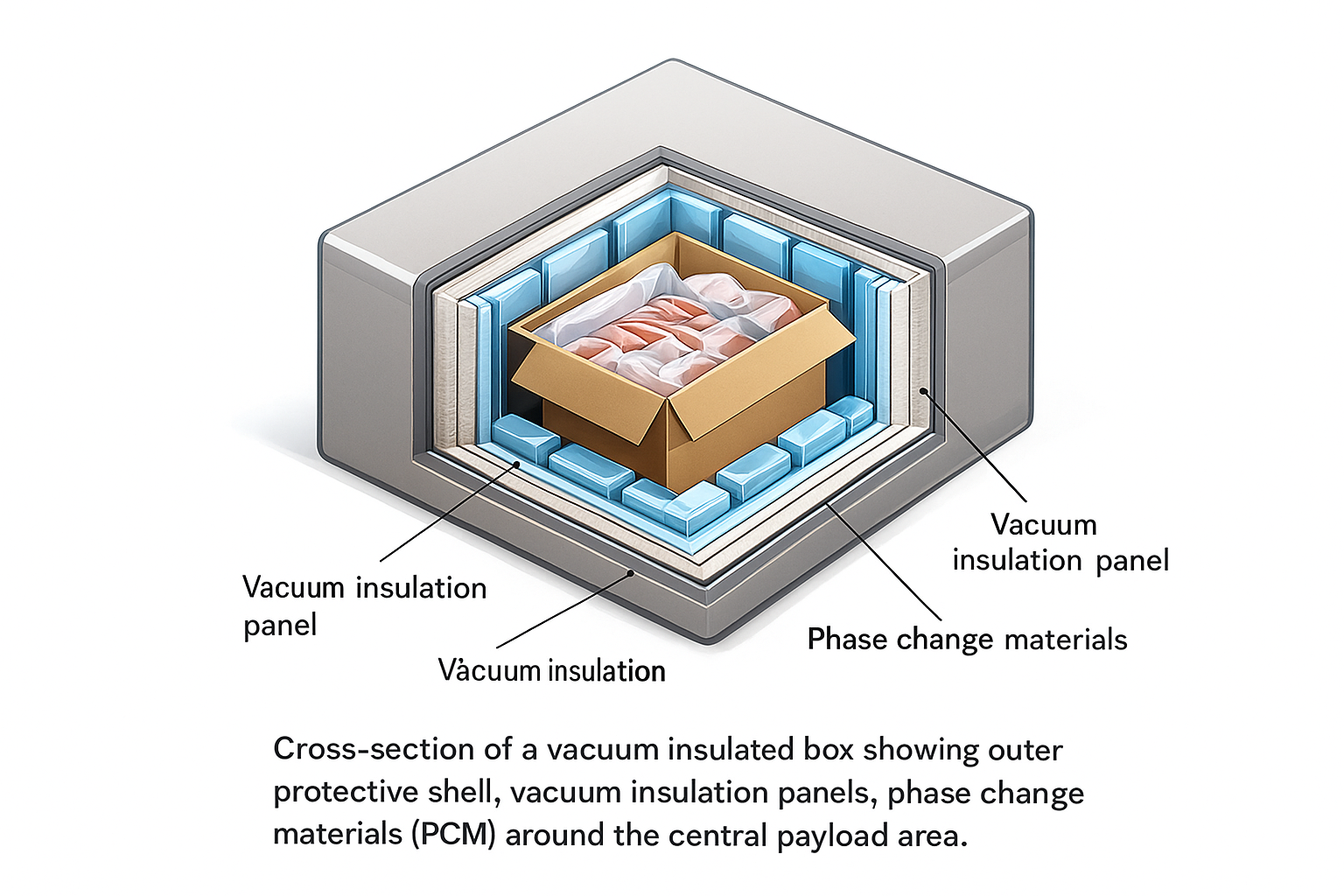
Gunakan setiap teknologi dalam batasan faktualnya. Busa manik bergantung pada fusi manik dan cetakan. Busa kaku tergantung reaksi, mengisi, ikatan, dan kandang. VIP bergantung pada integritas dan perlindungan penghalang panel yang dievakuasi. Hibrida menambah kebutuhan antarmuka dan ketertelusuran. Frasa pemasaran yang umum tidak membuat kontrol mereka dapat dipertukarkan.
Mintalah pemasok untuk menyatakan asumsi dan pengecualian. Jika kutipan hanya mencakup badan busa saja, membedakan karton luar, pendingin, liner, pekerjaan tes, dan biaya perakitan.
Gerbang Tiga: Tentukan Kepadatan dan Ketebalan sebagai Input Terkendali
Nyatakan metode kerapatan semu, pengkondisian, lokasi sampel, unit, toleransi, contoh, dan reaksi terhadap kegagalan. Jangan menyalin target dari polimer atau kotak lain. Kisaran yang dipilih harus memiliki alasan yang berhubungan dengan pencetakan, mekanika, berat, biaya, atau pekerjaan desain yang divalidasi.
Tentukan ketebalan pada gambar bagian, termasuk sudut, tutup, tangga, sendi, relung, dan tepi panel. Ketebalan dinding nominal pada halaman katalog mungkin menyembunyikan pengurangan lokal. Hubungkan gambar ke dimensi internal sehingga peningkatan isolasi tidak dibeli tanpa memahami efek muatan dan pengangkutan.
Kepadatan dan ketebalan masih belum membuktikan durasi termal. Mereka duduk di samping fusion atau fill, penutupan tutupnya, sendi, kondisi fisik, pendingin, muatan, dan paparan lingkungan.
Peta Bukti untuk Dilepaskan
| Lapisan | Informasi yang terkendali | Lepaskan pertanyaan |
|---|---|---|
| Bahan | Identitas polimer atau panel, nilai, deklarasi yang relevan | Apakah masukan yang dimaksudkan sedang digunakan? |
| Proses | cetakan, fusi, mengisi, perakitan, pengendalian penanganan | Bisakah produksi membuat komponen yang dimaksud? |
| Geometri | Bagian, tutup, sendi, antarmuka, dimensi yang dapat digunakan | Apakah desain yang sudah selesai sesuai dengan gambar? |
| Fisik | Kompresi, dampak, tumpukan, penutup, pemeriksaan kerusakan | Apakah penanganan menjaga konstruksi fungsional? |
| Panas | Paket lengkap dalam kondisi yang ditentukan | Apakah konfigurasi ini memenuhi aturan penerimaannya? |
| Operasi | Mengemas, monitor, menerima, membersihkan, kembali, pensiun | Bisakah pengguna mereproduksi dan memelihara sistem? |
| Mengubah | Pemberitahuan dan penilaian risiko | Apakah bukti sebelumnya masih berlaku? |
Lapisan-lapisan tersebut terhubung tetapi tidak saling menggantikan. Sertifikat material tidak melewati protokol termal tingkat kotak, dan thermal pass tidak membenarkan perubahan produksi yang tidak terkendali.
Gerbang Empat: Prototipe Paket Lengkap
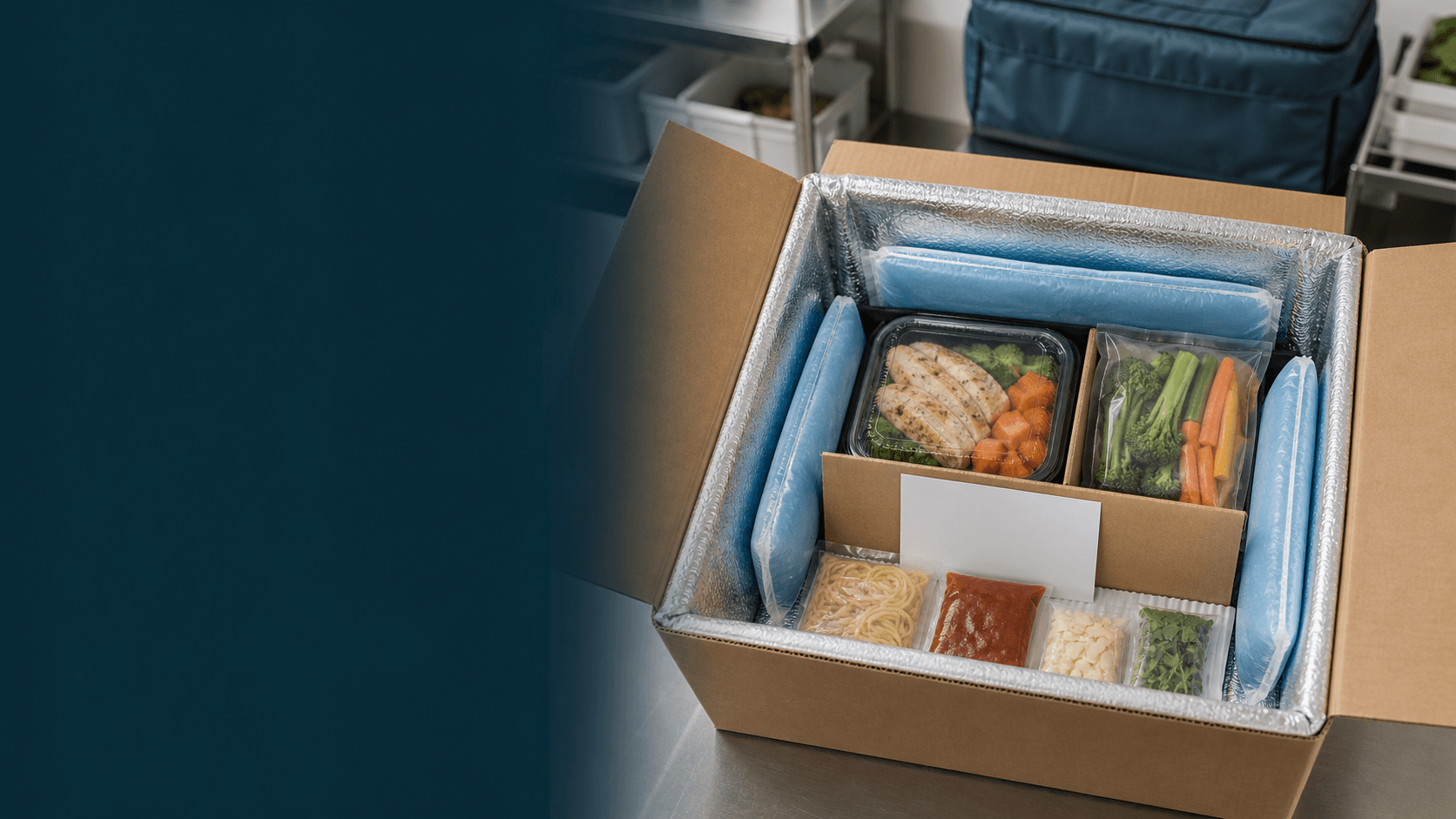
Buat rencana pemuatan dimensional dengan payload, pendingin, liner, pembagi, monitor, dan dunnage. Periksa volume internal kotor, muatan bersih yang dapat digunakan, kubus luar, dan berat kemasan. Mintalah operator yang hendak memuat dan menutup kotak. Amati bagian yang terbalik, karton hancur, gangguan tutup, dan penempatan cairan pendingin yang ambigu.
Paket mengontrol distribusi massa dan suhu termal. Prakondisikan isi dan cairan pendingin sesuai dengan metode yang disetujui. Jika kuantitas muatan bervariasi, menentukan pengaturan terpisah atau dunnage yang dibenarkan. Pengujian dengan kotak kosong atau botol air dapat menjawab pertanyaan pengembangan namun tidak boleh disajikan sebagai bukti adanya muatan komersial yang tidak terkait..
Foto konfigurasinya dan berikan pengenalnya. Kustomisasi fisik, termasuk rongga baru, tutup, menangani waktu istirahat, atau tata letak panel, menciptakan pertanyaan desain baru.
Gerbang Lima: Buat Bukti Termal dan Fisik Tingkat Kotak
Menyetujui protokol sebelum pengujian. Identifikasi revisi model, muatan, pendingin, pengkondisian, profil lingkungan, peta sensor, bukaan, lamanya, sampel, dan kriteria penerimaan. Pertahankan data, catatan sekitar, foto paket, dan penyimpangan. Bacalah hasil hold-time hanya dalam kondisi tersebut.
Pengkondisian fisik harus mencerminkan rute: dampak dan kompresi parsel, penanganan dan pencucian loop tertutup berulang kali, beban tumpukan, atau bahaya tusukan pada panel. Periksa kotak setelah tantangan fisik. Jika terjadi kerusakan dapat mengubah isolasi atau penutupan, perbandingan termal mungkin tepat.
Verifikasi lapangan dapat menguji asumsi operasional, sementara pemantauan yang sedang berlangsung dapat mendeteksi penyimpangan. Keduanya tidak boleh menjadi klaim kinerja universal untuk produk yang belum diuji, musim, atau rute.
Gerbang Enam: Memenuhi Kualifikasi Pengulangan Produksi
Gunakan unit percontohan yang representatif dari proses pencetakan dan perakitan yang dimaksudkan. Tinjau berat bagian, ukuran, sampel kepadatan, fusi manik, isi busa, penempatan panel, tutup pas, sendi, perangkat keras, Label, dan pengemasan sesuai konstruksi yang dipilih. Bandingkan dengan revisi yang diuji.
Rencana inspeksi harus menyatakan metodenya, frekuensi, membatasi, catatan, dan respons. Insulasi tersembunyi mungkin memerlukan data proses atau sampel destruktif berkala. Pemeriksaan visual akhir tidak dapat memastikan setiap kekosongan, menjalin kedekatan, atau penghalang panel.
Setujui cara penanganan unit yang tidak sesuai dan cara tindakan perbaikan diverifikasi. Kemampuan pemasok untuk menjelaskan variasi lebih berguna daripada janji bahwa setiap bagian adalah identik.
Gerbang Tujuh: Kontrol Pembersihan, Penggunaan kembali, dan Pensiun
Identifikasi permukaan yang bersentuhan dengan isi atau tanah. Verifikasi bahan kimia pembersih, konsentrasi, waktu kontak, suhu, tekanan, abrasi, membilas, dan pengeringan cangkang, busa, liner, paking, Label, perekat, dan panel. Kesesuaian kontak dengan makanan atau farmasi harus tepat, bukti yang relevan dengan pasar dan tidak dapat disimpulkan dari kepadatan.
Untuk digunakan kembali, membuat kotor, membersihkan, dilepaskan, dikarantina, memperbaiki, dan status pensiun. Periksa retakan, pemisahan manik, kompresi, inti basah, tusukan, deformasi tutup, bau, kontaminasi, dan pengidentifikasi. Perbaiki hanya dengan komponen yang dikontrol dan pemeriksaan pelepasan.
Alat pengambilan keputusan yang berguna
Periksa detailnya sebelum Anda memilih kemasan
Alat cepat ini dapat membantu Anda membandingkan risiko rute, kebutuhan ukuran, pilihan pendingin, dan detail kemasan sebelum Anda meminta penawaran.
Pelapis Kotak & Ukuran Penutup Palet
Centang kotak logika ukuran penutup palet dan liner untuk proyek pengemasan berinsulasi.
Perkiraan ukuranPembuat Daftar Periksa Kepatuhan
Buatlah daftar periksa praktis untuk tinjauan kemasan, pengiriman, dan dokumentasi.
Buat daftar periksaPemeriksa Risiko Rute
Tinjau kondisi jalur sebelum memilih kemasan untuk mengetahui kebutuhan pengoperasian sebenarnya.
Periksa risiko ruteUntuk desain sekali jalan, merencanakan pengemasan pelindung dan penanganan tujuan. Klaim daur ulang harus mencerminkan pengumpulan aktual dan kondisi material di pasar sasaran.
Gerbang Delapan: Bandingkan Total Layanan yang Dikirim
Normalisasikan cakupan peralatan pemasok, sampel, bahan, cetakan, kerang, panel, liner, pendingin, karton luar, pengujian, kepadatan palet, kargo, inspeksi, pembersihan, kembali, memperbaiki, kehilangan, penggantian, dan pembuangan. Gunakan beberapa skenario penghitungan perjalanan dan pemulihan untuk digunakan kembali. Pisahkan biaya satu kali dan biaya berulang.
Kepadatan mempengaruhi massa material dan dapat mempengaruhi pemrosesan atau daya tahan, namun ini bukan metrik total biaya. VIP dapat mempertahankan muatan dengan biaya komponen yang lebih tinggi. EPP mungkin mendukung putaran kembali yang memerlukan pencucian dan pemulihan. EPS mungkin cocok untuk jalur satu arah yang dilindungi dengan tujuan penanganan material. Cangkang inti kaku dapat menambah bobot dan perangkat keras tetapi melindungi isolasi.
Pilih sistem yang memberikan layanan yang ditentukan dengan bukti yang dapat diterima dan operasi yang dapat dikelola. Perbarui model setelah data uji coba dan peluncuran.
Contoh praktis: menutup gerbang bukti
Seorang pembeli awalnya meminta busa sepadat mungkin. Pemasok mengusulkan dua bahan, dan rekayasa pengemasan menunjukkan bahwa ukuran eksterior yang sama menghasilkan muatan yang berbeda, penanganan, dan mengembalikan perekonomian. Tim mendefinisikan metode kepadatan, membuat paket, menjalankan tes yang sebanding, memeriksa unit percontohan, dan model layanan darat. Pilihan terakhir menggunakan masukan terkontrol moderat dalam desain penutup dan sambungan yang lebih baik.
Keputusan tersebut menjadi lebih baik karena kepadatan berpindah dari slogan ke satu parameter yang dapat dilacak.
Pengendalian Tata Kelola Akhir
Sebelum peningkatan skala kimia yang ditentukan kotak busa, membuat matriks pemberitahuan perubahan yang mencakup tingkat polimer, masukan hembusan atau ekspansi, pemasok manik-manik, sasaran kepadatan, siklus pencetakan, formulasi busa, sumber panel, film penghalang, kerang, perekat, liner, geometri tutup, dan perakitan subkontrak. Matriks ini membantu kedua belah pihak membedakan perubahan teknis yang berarti dari pembaruan administratif.
Dalam tinjauan lintas fungsi dari kotak busa yang ditentukan secara kimia, melacak data produksi setelah peluncuran. Berat kotak, ukuran, pengamatan penutupan, kerusakan, hasil suhu, keluhan, dan penyimpangan pemasok dapat mengungkapkan penyimpangan. Tren berdasarkan model, revisi, banyak, dan jalur. Sertifikat kepadatan mungkin tetap tidak berubah saat mencetak fusi, kesenjangan perakitan, atau penanganan menghasilkan pola kegagalan baru.
Sebelum peningkatan skala kotak busa yang ditentukan secara kimia, menetapkan kriteria penghentian obyektif untuk konstruksi yang dapat digunakan kembali. Carilah retakan, kompresi permanen, pemisahan manik, distorsi tutup, permukaan yang rusak, tusukan, masuknya air, bau, tanah yang tidak dapat dibersihkan, dan identifikasi yang hilang. Penyok kosmetik mungkin masih dapat diterima, sementara tusukan kecil pada lapisan film penghalang mungkin merupakan hal yang penting. Kriteria harus mencerminkan teknologi isolasi yang sebenarnya.
Dalam tinjauan lintas fungsi dari kotak busa yang ditentukan secara kimia, bandingkan opsi perbaikan dengan jujur. Beberapa komponen EPP yang dapat digunakan kembali dapat diganti sebagai sisipan, sementara bodi cetakan yang rusak dapat dipensiunkan. Kotak busa kaku memungkinkan perbaikan perangkat keras cangkang tetapi tidak memungkinkan inti basah. VIP yang bocor mungkin memerlukan penggantian panel atau penghentian modul. Kemampuan perbaikan bergantung pada akses desain dan komponen yang dikontrol, bukan kategori materi saja.
Sebelum peningkatan skala kotak busa yang ditentukan secara kimia, mintalah identifikasi sampel yang selamat dari pemotongan dan pengujian. Tandai model kotak, revisi, tanggal produksi atau lot, rongga jika relevan, kelas busa, dan status perakitan. Kupon busa lepas tidak dapat membuktikan kepadatannya, fusi, sendi, atau distribusi ketebalan di dalam wadah jadi. Jaga agar data kupon dan bukti di tingkat kotak tetap terhubung tetapi berbeda.
Sebelum peningkatan skala kotak busa yang ditentukan secara kimia, menentukan bagaimana kepadatan diambil sampelnya. Kepadatan yang terlihat mungkin berbeda-beda di setiap lokasi, kulit, sisipan yang dibentuk, atau perhitungan seluruh bagian. Pengkondisian negara, lokasi spesimen, metode massa dan volume, unit, toleransi, dan frekuensi pengambilan sampel. Jika metode tersebut menghancurkan kotak tersebut, menyepakati sampel berkala atau kupon proses yang disimpan daripada berpura-pura setiap unit dapat diperiksa dengan cara yang sama.
Buatlah kutipan yang mengidentifikasi pengujian apa yang berlaku. Pemasok mungkin menunjukkan laporan material, tes kotak generik, atau laporan untuk ukuran lain. Catat modelnya, revisi, muatan, pendingin, profil lingkungan, sensor, dan meloloskan aturan. Bukti menjadi berharga bila cakupannya sesuai dengan item dan konfigurasi yang ditawarkan.
Sebelum peningkatan skala kotak busa yang ditentukan secara kimia, memperjelas batas penyesuaian. Rongga baru, dinding yang lebih tebal, logo yang dalam, tutup yang diubah, lubang drainase, menangani waktu istirahat, liner, atau tata letak panel dapat mengubah jembatan termal, isi cetakan, menekankan, dan volume muatan. Perlakukan penyesuaian fisik sebagai revisi teknik, bukan hanya pilihan karya seni, dan memilih bukti yang diperlukan sebelum dirilis.
Sebelum peningkatan skala kotak busa yang ditentukan secara kimia, membuat matriks pemberitahuan perubahan yang mencakup tingkat polimer, masukan hembusan atau ekspansi, pemasok manik-manik, sasaran kepadatan, siklus pencetakan, formulasi busa, sumber panel, film penghalang, kerang, perekat, liner, geometri tutup, dan perakitan subkontrak. Matriks ini membantu kedua belah pihak membedakan perubahan teknis yang berarti dari pembaruan administratif. Poin aplikasi ini ditinjau pada tahap 2 dari program yang sama.
Dalam tinjauan lintas fungsi dari kotak busa yang ditentukan secara kimia, melacak data produksi setelah peluncuran. Berat kotak, ukuran, pengamatan penutupan, kerusakan, hasil suhu, keluhan, dan penyimpangan pemasok dapat mengungkapkan penyimpangan. Tren berdasarkan model, revisi, banyak, dan jalur. Sertifikat kepadatan mungkin tetap tidak berubah saat mencetak fusi, kesenjangan perakitan, atau penanganan menghasilkan pola kegagalan baru. Poin aplikasi ini ditinjau pada tahap 2 dari program yang sama.
Saat pelepasan kotak busa yang ditentukan secara kimia, tinjau sudut dan antarmuka penutup secara terpisah dari dinding datar. Panas dapat melewati tembok yang kuat melalui celah, tepi tipis, zona pegangan tidak berinsulasi, atau segel yang dikompresi dengan buruk. Kerusakan mekanis juga dimulai pada sudut dan engsel. Gambar bagian dan penempatan sensor harus mencerminkan fitur-fitur yang tidak seragam ini daripada mengasumsikan satu dinding rata-rata.
Pertanyaan yang sering diajukan
Apa yang harus pembeli sediakan sebelum meminta kepadatan busa?
Sediakan isinya, persyaratan suhu, rute, lamanya, musim, pendingin, muatan, ukuran, penanganan, pembersihan, model kembali, dan kebutuhan bukti. Kemudian bekerja dengan tim teknis untuk memilih kimia, konstruksi, metode kepadatan, dan ketebalan. Target kepadatan tanpa konteks penggunaan dapat menambah biaya tanpa mengatasi risiko sebenarnya.
Dapatkah dua busa dengan kepadatan yang sama diperlakukan setara?
TIDAK. Kimia polimer, nilai, struktur sel atau manik, cetakan, fusi, geometri, kelembaban, ketebalan, dan perakitan bisa berbeda. Bahkan dalam satu keluarga, bagian yang sudah jadi memerlukan perbandingan yang terkendali. Kesetaraan harus ditunjukkan untuk fungsi-fungsi yang penting, tidak disimpulkan dari satu angka.
Bukti apa yang mendukung pernyataan durasi termal?
Cari laporan yang mengidentifikasi revisi kotak, muatan, pendingin dan pengkondisian, suhu awal, profil lingkungan, sensor, bukaan, lamanya, sampel, dan aturan penerimaan. Bandingkan kondisi tersebut dengan jalur yang dituju. Pernyataan tersebut harus tetap terbatas pada konfigurasi yang diuji dan ekstrapolasi yang dibenarkan.
Perubahan mana yang harus memicu tinjauan teknis?
Tinjau perubahan pada tingkat polimer, sasaran kepadatan, manik-manik atau sumber kimia, siklus pencetakan, formulasi busa, ketebalan, tutup, sendi, panel, kerang, perekat, perangkat keras, alat, subkontraktor, muatan, pendingin, atau rute. Responsnya dapat berkisar dari dokumen hingga sampel atau pengujian ulang berdasarkan risiko.
Kesimpulan
Spesifikasi yang disiplin dimulai dengan penggunaan, menyebutkan sistem materialnya, mendefinisikan metode kepadatan dan ketebalan, membuat prototipe paketnya, menguji kotak itu, memenuhi syarat produksi, mengontrol penggunaan kembali, dan memodelkan total biaya layanan. Urutan tersebut menghormati batasan antar EPS, EPP, PU kaku, VIP, dan desain hibrida sambil menjaga bukti tetap terhubung dengan pengiriman sebenarnya.
Tentang tempk
Tempk, terkait dengan Shanghai Tempk, persediaan kotak pendingin medis, Kotak Epp, Kotak berinsulasi VIP, plastik kotak rantai dingin, dan opsi cairan pendingin yang cocok. Pembeli bisa membawa muatan, rute, paket, konstruksi, dan persyaratan bukti untuk membandingkan kategori yang sesuai. Penilaian akhir sistem tetap terikat pada produk pembeli dan kondisi pengoperasian.
Langkah selanjutnya: Kirimkan kepada Tempk daftar periksa persyaratan penggunaan dan bukti Anda untuk memulai perbandingan material dan pemasok terstruktur.