Bagaimana Vaksin Rantai Dingin Menjaga Kesehatan di 2025?
Mempertahankan potensi vaksin bukan hanya tentang menjaga botol tetap dingin — ini tentang mengatur keseimbangan suhu yang tepat. Di dalam 2025 Taruhannya kini semakin besar karena semakin banyak bahan biologis yang memerlukan rentang suhu yang ketat dan permintaan global yang meningkat. Cold chain vaccines harus tetap berada di antara keduanya 2 °C – 8 ° C. (36 °F – 46 ° f) di lemari es, hingga −50 °C – −15 °C (−58 °F – 5 ° f) dalam freezer dan suhu serendah −90 °C – −60 °C (−130 °F – −76 °F) untuk produk ultradingin. This article uses plain language and realworld examples to help you protect every dose, di mana pun Anda berada dalam rantai pasokan. Diperbarui pada bulan November 2025, ini mencerminkan standar dan inovasi industri terkini.
Suhu penyimpanan vaksin yang penting dan mengapa itu penting: Anda akan mempelajari rentang yang direkomendasikan untuk lemari es, freezers and ultracold freezers and why staying within range preserves potency.
Bagaimana perangkat pemantauan dan data logger digital (HAL-HAL) menjaga dosis tetap aman: Kami menguraikan fitur-fitur yang membedakan monitor bagus dari monitor bagus dan menunjukkan bagaimana pelacakan berkelanjutan mencegah pemborosan.
Tantangan seperti variabilitas peralatan, human error and climate change: Discover the common pitfalls that disrupt the vaccine rantai dingin and practical solutions to avoid them.
Emerging technologies transforming the rantai dingin: Understand how remote sensors, blockchain, Ai, drones and kemasan berkelanjutan are reshaping vaccine logistics.
2025 tren dan wawasan pasar: See how automation, sustainability and growing pharmaceutical demand are driving a global rantai dingin market worth over USD 65 miliar.
Berapa Persyaratan Suhu Penting untuk Penyimpanan Vaksin?
Vaccines must be kept within precise temperature ranges to remain effective. According to the CDC’s 2024–2025 guidance, refrigerated vaccines should stay between 2 °C dan 8 ° C. (36 °F–46 °F), freezers must remain −50 °C hingga −15 °C (−58 °F–5 °F) and ultracold freezers operate at −90 °C hingga −60 °C (−130 °F–−76 °F). A vaccine that drops below or rises above these thresholds can lose potency permanently. Kisaran ini berlaku untuk sebagian besar vaksin, but always check the manufacturer’s package insert.
Untuk meminimalkan perubahan suhu, set thermostats near the midpoint (tentang 5 °C untuk lemari es) Dan record minimum and maximum temperatures at least twice daily. Use calibrated digital data loggers rather than household thermometers, and avoid storing vaccines in refrigerator or freezer doors where temperatures fluctuate. Never freeze refrigerated vaccines (such as influenza or MMR) and never store ultracold vaccines in a standard freezer; doing so can destroy their potency.
Choosing the Right rantai dingin Equipment
Selecting purposebuilt equipment is your first line of defence. Household “dormitorystyle” fridges often have uneven temperatures and can freeze vaccines unintentionally. Alih-alih, invest in pharmaceuticalgrade units designed for biologics. The table below summarises common rantai dingin equipment, recommended temperature ranges, typical vaccines and what this means for you.
| Jenis Peralatan | Kisaran suhu | Vaksin Disimpan | Apa Artinya Bagi Anda |
| Kulkas kelas farmasi | 2 °C – 8 ° C. (36 °F – 46 ° f) | Vaksinasi paling rutin (influensa, DTaP, HPV, MMR) | Provides stable temperatures; use a standalone unit rather than a combined fridge/freezer. Organise vials in their original boxes and keep space for air circulation. |
| Medicalgrade freezer | −50 °C – −15 °C (−58 °F – 5 ° f) | Varisela, beberapa vaksin COVID19 (MISALNYA., Spikevax) | Keep separate from the refrigerator to prevent crosscontamination; plan periodic manual defrosting for some models and log maintenance. |
| Freezer yang sangat dingin | −90 °C – −60 °C (−130 °F – −76 °F) | mRNA vaccines and cellbased products | Membutuhkan monitor khusus dan daya cadangan; ideal for preserving gene therapy products. |
| Freezer kriogenik portabel | −80 °C – −150 °C | Terapi sel dan pengobatan yang dipersonalisasi | Enables transport to remote areas; integrated alarms and GPS support safe delivery. |
Tip dan saran praktis
Menggunakan pharmaceuticalgrade units rather than household models to maintain stable temperatures.
Organise vaccines by type and expiration date; keep vials in their original boxes to protect them from light and track beyonduse dates.
Allow air circulation by avoiding overcrowding and placing vaccine boxes in the centre of shelves.
Label storage sections clearly and separate diluents or unrelated items to prevent mistakes.
Kasus nyata: Di dalam 2024 sebuah klinik di bagian utara New York menghindari pemborosan USD 20 000 worth of vaccines after a freezer failure because staff had a backup unit and documented emergency procedures. Their preparedness allowed them to transfer vaccines quickly and maintain the rantai dingin.
How Do Monitoring Devices and Data Loggers Protect Vaccine Integrity?
Continuous monitoring is the heartbeat of the vaccine rantai dingin. A calibrated digital data logger (HAL-HAL) records temperatures at regular intervals and alerts staff if readings stray outside the safe range. These devices offer features that standard thermometers lack, including buffered probes that mimic vaccine temperatures, interval pencatatan yang dapat diprogram dan data yang dapat diunduh untuk audit.
Menerapkan Pemantauan Berkelanjutan
| Fitur DDL | Mengapa itu penting | Manfaat untuk Fasilitas Anda |
| Pemeriksaan suhu buffer | Melindungi sensor dari perubahan suhu udara mendadak saat pintu dibuka atau ditutup | Provides readings that reflect actual vaccine temperature rather than ambient air, mengurangi alarm palsu. |
| Outofrange alarms | Notifies staff immediately when temperatures drift beyond safe limits | Memungkinkan tindakan perbaikan yang cepat, mencegah pemborosan dan biaya vaksinasi ulang. |
| Interval pencatatan yang dapat diprogram | Menentukan seberapa sering suhu dicatat | Menyeimbangkan detail dengan manajemen data; a 30minute interval is recommended for most practices. |
| Sertifikat kalibrasi | Memverifikasi bahwa perangkat memenuhi standar nasional | Penting untuk audit dan jaminan kualitas; check certificates annually. |
| Data yang dapat diunduh & konektivitas awan | Memungkinkan akses jarak jauh dan analisis tren jangka panjang | Mendukung pemeliharaan prediktif dan kepatuhan terhadap peraturan; staff can review trends from any location. |
Saran implementasi
Instal DDL di setiap unit penyimpanan, including transport containers, and ensure the probe measures the actual vaccine temperature (use a glycol or glassbead buffer).
Download and review data at least every two weeks or whenever an excursion occurs; menyimpan catatan setidaknya selama tiga tahun.
Maintain backup DDLs for each refrigerator and freezer; test them regularly and replace batteries per the manufacturer’s guidance.
Train all staff to interpret DDL alarms and take corrective action; practice emergency drills and document procedures.
Use remote monitoring devices that provide realtime data on temperature, kelembaban, Lokasi GPS dan bukaan pintu. These tools enable early detection of problems and allow swift interventions, such as rerouting shipments or adjusting environmental controls.
Kasus nyata: Alarm DDL apotek komunitas di 6 am revealed that a fridge door had been left ajar; staff recorded minimum and maximum temperatures (34 °F dan 39 ° f) and responded quickly, memastikan vaksin tetap layak.
What Challenges and Solutions Affect the Vaccine rantai dingin?
Even with proper equipment and monitoring, several factors threaten the integrity of the rantai dingin. Equipment variability and ageing infrastructure remain common issues: many clinics still use household or combination refrigerator/freezer units that cause inconsistent temperatures. Upgrading to medicalgrade, standalone units and planning for regular maintenance (cleaning coils, testing thermostats) can mitigate this risk.
Kesalahan manusia dan alur kerja are another major challenge. Staff may leave doors open, overcrowd units or misplace vaccines, causing temperature fluctuations. Implementing standard operating procedures (Sops) yang menugaskan tanggung jawab untuk pemeriksaan suhu harian, rotasi inventaris dan tindakan darurat, along with clear labels and visual cues, mengurangi kesalahan.
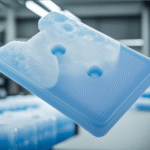
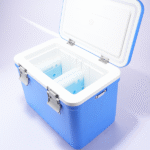
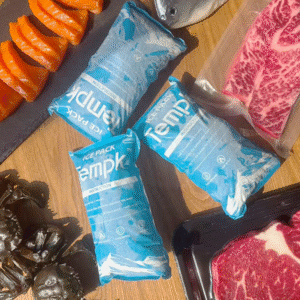
Perubahan suhu selama transportasi can occur when vaccines are moved between facilities or outreach clinics. Each product requires specific packing materials and temperatures. Solusinya meliputi wadah terisolasi dengan dikondisikan Paket es atau bahan perubahan fasa, placing DDLs in every transport container and training staff to separate refrigerated and frozen products.
Climate Change and rantai dingin Efficiency
The vaccine rantai dingin doesn’t operate in a vacuum; climate change is amplifying existing challenges. A qualitative study from Nigeria in 2025 reported that increasing ambient temperature variability damaged rantai dingin equipment and disrupted vaccine distribution, especially when roads became impassable due to unpredictable weather. Participants noted that higher temperatures and unreliable electricity accelerated equipment deterioration and threatened vaccine potency. The authors called for policies to replace damaged resources, continuous training of skilled workers and improvements to monitoring and surveillance systems.
Climate change affects the supply chain on multiple fronts: rising global temperatures (predicted to increase by at least 1.5 °C between 2030 Dan 2052) make it harder to maintain optimal storage temperatures, while extreme weather events disrupt transportation. In Nigeria and other regions with unreliable power supply, cold stores often depend on solar refrigerators. Sayangnya, solarpowered units can fail when the energy supply is inconsistent or equipment is damaged by extreme weather.
Alat pengambilan keputusan yang berguna
Periksa detailnya sebelum Anda memilih kemasan
Alat cepat ini dapat membantu Anda membandingkan risiko rute, kebutuhan ukuran, pilihan pendingin, dan detail kemasan sebelum Anda meminta penawaran.
Ketahanan Jatuh Bahan Isolasi
Tinjau ketahanan jatuh dan faktor penanganan sebelum memilih bahan insulasi.
Periksa resistensiKalkulator Es Kering
Perkirakan kebutuhan es kering untuk pengiriman beku atau sangat dingin sebelum pengepakan.
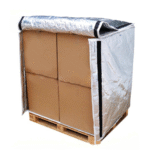
Perkirakan es keringPelapis Kotak & Ukuran Penutup Palet
Centang kotak logika ukuran penutup palet dan liner untuk proyek pengemasan berinsulasi.
Perkiraan ukuranSolutions to climaterelated challenges include investing in resilient infrastructure (MISALNYA., solarhybrid systems with battery backups), installing realtime monitoring that can alert staff to power failures, and training personnel on emergency procedures. Governments and organisations should also prioritise policies for prompt equipment replacement and continuous training.
Reaching Remote Communities with Drones
Remote or conflictaffected regions present unique challenges. Dangerous roads, lack of infrastructure and harsh weather can delay or block vaccine deliveries. Since late 2024 Madagascar has tackled this problem with drones that deliver vaccines directly to remote health centres. Funded by Gavi and implemented by the Ministry of Public Health and partner NGOs, the initiative tested its first flight on 2 Oktober 2024 dengan 1 030 Dosis vaksin and now routinely delivers to 12 distrik across three regions. Each drone can carry up to 10 kg of cargo over distances under 50 km (5 kg for longer routes) and completes the journey in about setengah jam, avoiding dangerous roads. Oleh 2025 the programme serves 68 basic health centres in AtsimoAndrefana and dozens more across MadagascarSome” >. Communities initially sceptical of the new technology now gather at clinics awaiting the drone deliveries, demonstrating how innovation can build trust and improve accessA healthcare” >.
These drone deliveries illustrate how rethinking transport can overcome geographical and security barriers. Similar initiatives are underway in Rwanda, Ghana and other countries, where drones deliver vaccines, blood products and essential medicines to remote areas.
How Are Emerging Technologies Transforming Vaccine rantai dingins?
The 2020s have seen a digital revolution in rantai dingin management. Remote monitoring and sensor networks provide realtime insights into temperature, kelembaban dan lokasi. These systems continuously track shipments, identify deviations quickly and enable targeted interventions to prevent spoilage. Misalnya, a remote monitoring device attached to a rantai dingin unit can record internal and external temperatures, log door openings and send GPS coordinates and battery levels to the cloud. Early detection of temperature fluctuations allows teams to reroute shipments, adjust environmental controls or replace faulty equipment, mengurangi limbah secara drastis.
Blockchain and IoT for RealTime Visibility
Blockchain technology is transforming pharmaceutical logistics by creating a tahan terhadap kerusakan, buku besar yang terdesentralisasi that records every step of a shipment’s journey. From manufacturing to administration, each data point—temperature logs, detail penanganan, transit points—is stored immutably across a network of computers. This transparency prevents data tampering and ensures accountability for all stakeholders. Jika dikombinasikan dengan sensor IoT, blockchain enables continuous monitoring of critical parameters such as temperature and humidity. The result is a supply chain that is secure, traceable and responsive to realtime conditions.
Kecerdasan buatan (Ai), robotics and IoT also play a pivotal role. AI analyses data from sensors and historical shipments to forecast demand, mengoptimalkan rute dan memprediksi kegagalan peralatan. Robotics and automated storage systems reduce human errors and operate around the clock, mengatasi kekurangan tenaga kerja. Hanya tentang 20 % gudang saat ini menggunakan otomatisasi, so there is significant room for growth.
Inovasi lainnya antara lain freezer kriogenik portabel capable of maintaining temperatures as low as −80 °C to −150 °C during transport, Dan solusi pengemasan yang berkelanjutan like recyclable insulation, bungkus biodegradable dan dapat digunakan kembali paket dingin that reduce environmental impact. These ecofriendly options align with sustainability goals while protecting temperaturesensitive products.
Innovation Summary and Benefits
| Inovasi | Keterangan | Manfaat praktis |
| Perangkat pemantauan jarak jauh | Sensor dan perangkat yang terhubung ke cloud melacak suhu, kelembaban dan lokasi GPS secara real time | Enables early detection of deviations and immediate corrective actions, reducing spoilage and improving patient safety. |
| Blockchainenabled virtual ledger | Mencatat setiap langkah pengiriman, menciptakan rantai pengawasan yang tidak dapat diubah | Memberikan transparansi, prevents tampering and facilitates regulatory audits; combined with IoT sensors, it offers endtoend visibility. |
| AI dan pembelajaran mesin | Analisis data untuk memperkirakan permintaan, mengoptimalkan rute dan memprediksi pemeliharaan peralatan | Merampingkan operasi, reduces transportation time and minimises waste by anticipating problems before they occur. |
| Freezer kriogenik portabel | Ultralow temperature units for onthego storage | Supports the distribution of emerging therapies and mRNA vaccines to remote areas; includes realtime temperature tracking and alarms. |
| Kemasan berkelanjutan | Isolasi yang dapat didaur ulang, bungkus biodegradable dan kompres dingin yang dapat digunakan kembali | Menurunkan jejak karbon, complies with evolving regulations and enhances corporate social responsibility. |
Apa itu 2025 Trends Shaping the rantai dingin Vaccine Industry?
Ikhtisar Tren
Industri rantai dingin berkembang pesat, driven by technological advances, market growth and changing consumer expectations. Tren utama untuk 2025 termasuk:
Otomasi dan robotika: Hanya tentang 20 % gudang saat ini menggunakan otomatisasi, leaving significant growth potential for automated storage and retrieval systems (AS/RS) and robotic handlers that reduce errors and operate continuously.
Keberlanjutan sebagai nilai inti: Rantai pendingin pangan global memberikan kontribusi yang cukup besar 2 % emisi CO₂ global; perusahaan berinvestasi dalam pendinginan hemat energi, energi terbarukan dan kemasan ramah lingkungan. Solarpowered cold storage units can reduce operating costs from 13.10 cents per kilowatt hour to as low as 3.2 - - 15.5 sen.
Visibilitas ujung ke ujung dan pelacakan waktu nyata: Perangkat dan perangkat lunak IoT memberikan wawasan berkelanjutan mengenai lokasi, suhu dan kondisi. Segmen perangkat keras diperhitungkan 76.4 % dari pasar pelacakan rantai dingin di 2022, mencerminkan adopsi yang kuat. Realtime tracking enables route optimisation, mengurangi pembusukan dan meningkatkan kepuasan pelanggan.
Modernisasi infrastruktur: Penuaan fasilitas penyimpanan dingin sedang ditingkatkan dengan pendinginan tingkat lanjut, isolasi yang lebih baik dan sistem energi terbarukan. Investasi pada efisiensi energi dan pengumpulan data modern mengurangi paparan terhadap biaya energi yang mudah berubah.
AI dan analisis prediktif: AI membantu mengoptimalkan rute, memperkirakan permintaan dan memprediksi pemeliharaan peralatan, mitigating risks by analysing historical and realtime data.
Pertumbuhan di rantai dingin farmasi: Sekitar 20 % obat baru adalah terapi gen atau sel yang memerlukan kontrol suhu yang ketat. Pasar rantai dingin farmasi global diproyeksikan akan tercapai KITA $1 454 miliar oleh 2029 dengan tingkat pertumbuhan tahunan gabungan (CAGR) dari 4.71 %.
Logistik makanan dan pengiriman lastmile: North America’s food rantai dingin market is expected to reach USD 86.67 miliar oleh 2025 due to demand for fresh produce and plantbased alternatives. Growth in directtoconsumer sales requires improved lastmile strategies.
Kemitraan dan integrasi strategis: Kolaborasi antar produsen, packaging suppliers and tech providers enhances efficiency. Oleh 2025, 74 % data logistik diharapkan terstandarisasi, memungkinkan integrasi yang lancar di seluruh rantai pasokan.
Pertumbuhan dan ketahanan pasar: Pasar logistik rantai dingin global dihargai USD 293.58 miliar masuk 2023 dan diperkirakan akan tumbuh menjadi USD 862.33 miliar oleh 2032, mencerminkan CAGR sebesar 13 %. The healthcare segment alone is expected to reach USD 65.14 miliar masuk 2025 Dan USD 137.13 miliar oleh 2034, tumbuh di 8.63 % setiap tahun.
Ikhtisar Kemajuan Terkini
Adopsi otomatisasi: With only onefifth of warehouses automated, robotics and AS/RS adoption is poised to accelerate.
Energi terbarukan: Solarpowered units reduce operating costs and emissions.
Integrasi AI: AIdriven route optimisation and predictive maintenance reduce delays and prevent product loss.
Global initiatives: Programmes like the National Accreditation Body for rantai dingin Management (India) diluncurkan pada bulan Februari 2025 to provide structured training and standards to companies.
Government policies: National logistics initiatives such as India’s PM Gati Shakti plan aim to triple the rantai dingin market by 2032.
Wawasan pasar
The healthcare rantai dingin logistics market was USD 59.97 miliar masuk 2024, tumbuh menjadi USD 65.14 miliar masuk 2025 dan diproyeksikan untuk mencapai USD 137.13 miliar oleh 2034, expanding at a CAGR of 8.63 %. North America dominates due to the high demand for temperaturesensitive pharmaceuticals and biologics, while the Asia–Pacific region is expected to grow fastest. The vaccines segment is projected to register the fastest growth over the next decade. These figures underscore the need for resilient, techenabled rantai dingins to support expanding immunisation programmes and emerging therapies.
FAQ – Common Questions About rantai dingin Vaccines
Q1: Apa yang terjadi jika vaksin yang didinginkan secara tidak sengaja membeku??
Pembekuan merusak banyak vaksin cair karena menyebabkan bahan aktifnya mengendap atau pecah. Jika vaksin yang didinginkan terkena suhu beku, beri label “Jangan Gunakan,” store it separately and consult the manufacturer or your health department. Never assume potency remains; vaccines like influenza, DTaP dan MMR rusak secara permanen karena pembekuan.
Q2: Berapa lama vaksin dapat bertahan di luar kisaran suhu yang direkomendasikan?
Tidak ada masa tenggang yang aman. Even brief excursions can reduce potency, so take immediate corrective action when a DDL alarm sounds. Dokumentasikan acara tersebut, separate the affected doses and contact your immunisation programme for guidance. Untuk mencegah tamasya, menghindari kepadatan yang berlebihan, check temperatures twice daily and use calibrated monitors.
Q3: Apakah lemari es tenaga surya dapat diandalkan untuk penyimpanan vaksin??
Unit bertenaga surya memberikan alternatif yang berharga di daerah dengan listrik terbatas, but their reliability depends on consistent sunlight and proper maintenance. A 2025 study from Nigeria reported that some solar refrigerators were ineffective due to interrupted energy supply and equipment damage. Hybrid systems that combine solar panels with battery backups or grid power can improve reliability, but regular inspection and training are essential.
Q4: Bagaimana cara menjaga integritas rantai dingin selama pengangkutan?
Use insulated containers with conditioned ice packs or phasechange materials, and always include a digital data logger in each container. Separate refrigerated and frozen vaccines, log the times when containers are opened and train staff on packing procedures. Untuk daerah terpencil, consider drone delivery or other specialised logistics solutions.
Q5: Mengapa perubahan iklim menjadi masalah dalam penyimpanan vaksin?
Meningkatnya suhu dan kejadian cuaca ekstrem membebani infrastruktur rantai dingin. Higher ambient temperatures accelerate equipment deterioration and increase power outages, leading to more frequent temperature excursions. Perencanaan ketahanan iklim—melalui energi terbarukan, robust infrastructure and training—helps safeguard vaccine potency in a warming world.
Ringkasan dan Rekomendasi
Maintaining a reliable rantai dingin is nonnegotiable for vaccine safety. Correct temperature control (2 °C–8 °C for refrigerators, −50 °C–−15 °C for freezers and −90 °C–−60 °C for ultracold units) mempertahankan potensi vaksin. Continuous monitoring through calibrated digital data loggers and realtime sensor networks enables early intervention and reduces waste. Common challenges—aging equipment, kesalahan manusia, transport excursions and climate change—can be addressed with SOPs, pelatihan, infrastruktur yang tangguh, renewable energy and innovative solutions like drones. Emerging technologies such as blockchain, Ai, portable cryogenic freezers and sustainable packaging are reshaping the rantai dingin and driving efficiency.
Langkah selanjutnya yang dapat ditindaklanjuti: Evaluate your storage equipment and upgrade to purposebuilt units if necessary. Install calibrated digital data loggers on every storage and transport container, and review temperature records regularly. Develop or update SOPs that define roles, monitoring schedules and emergency procedures. Train all staff annually and when adding new vaccines or equipment. Explore remote monitoring, blockchain and AI tools to gain realtime visibility and predictive insights. For communities in hardtoreach areas, consider drone deliveries and portable cryogenic freezers. Akhirnya, stay informed about market trends and evolving guidelines—new therapies and regulations will continue to raise the bar for rantai dingin performance.
Tentang Tempk
Tempk berspesialisasi dalam Kemasan rantai dingin dan solusi logistik untuk layanan kesehatan, sektor pangan dan bioteknologi. Our portfolio includes pharmaceuticalgrade kotak terisolasi, Gel Ice Packs, vacuuminsulated panels and portable cryogenic freezers designed to maintain temperatures from 2 °C hingga −150 °C. Kami mengoperasikan R khusus&D centre that develops reusable and recyclable packaging materials, membantu klien mengurangi limbah dan mematuhi peraturan lingkungan. Dengan komitmen terhadap kualitas dan layanan pelanggan, we offer customised solutions that protect your products and simplify compliance. Contact us today to discuss how our expertise can support your rantai dingin needs.