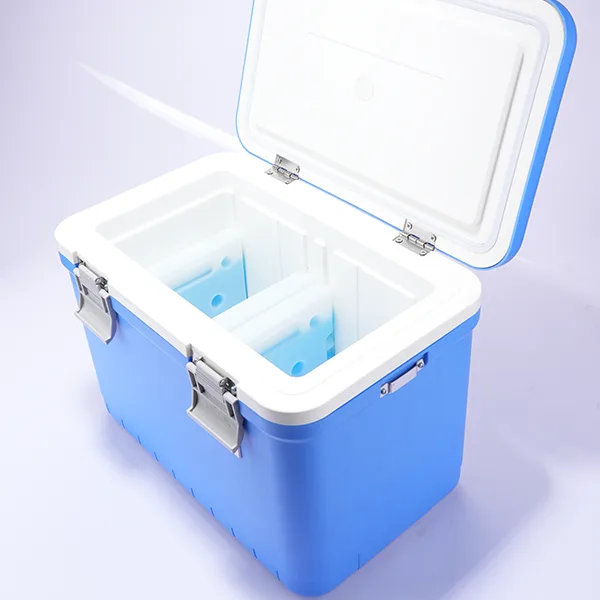
Cara Memilih Kotak Insulasi EPP Ultra Ringan Berukuran Besar
Jika suatu peti kemas harus melindungi barang lebih dari satu kali, pembeli memerlukan cara praktis untuk menilai kesesuaian sebelum melakukan pemesanan dalam jumlah besar. Sangat ringan Kotak isolasi EPP besar harus dievaluasi berdasarkan cara melindungi barang-barang yang sensitif terhadap suhu atau sensitif terhadap kerusakan yang memerlukan penanganan yang dapat digunakan kembali, dukungan isolasi, dan kemasan pelindung, betapa mudahnya tim dapat menggunakannya, dan bukti apa yang mendukung klaim yang dibuat di halaman pemasok. Untuk pembeli rantai dingin, operator gudang, manajer logistik, dan tim pengadaan B2B, pertanyaan yang berguna bukanlah apakah EPP terdengar kuat atau berkelanjutan. Pertanyaan yang berguna adalah apakah kotak tersebut sesuai dengan muatannya, rute, proses serah terima, rutinitas pembersihan, dan rencana pembelian tanpa menciptakan pekerjaan tersembunyi.
Jawaban cepat: Kotak isolasi EPP ultra-ringan berukuran besar layak dipertimbangkan saat Anda membutuhkan lampu, protektif, kemasan yang dapat digunakan kembali format untuk barang yang sensitif terhadap suhu atau sensitif terhadap kerusakan yang memerlukan penanganan yang dapat digunakan kembali, dukungan isolasi, dan kemasan pelindung. Sebelum memesan, konfirmasi ruang internal yang dapat digunakan, kesesuaian muatan, keandalan penutupan, harapan pembersihan, dan apakah kinerja yang dinyatakan didukung oleh pengujian yang relevan atau dokumentasi pemasok.
Definisi yang jelas bagi pembeli
EPP berarti polipropilen yang diperluas, busa polipropilena yang dicetak digunakan bila pembeli menginginkan bobot yang rendah, penyerapan dampak, pemulihan bentuk, dan dukungan isolasi. Sifat-sifat tersebut membuat bahan tersebut relevan dengan barang-barang yang peka terhadap suhu atau peka terhadap kerusakan yang memerlukan penanganan yang dapat digunakan kembali, dukungan isolasi, dan kemasan pelindung, namun identitas material saja tidak membuktikan bahwa suatu kontainer cocok untuk pengiriman. Membentuk, struktur dinding, kontak tutup, engsel, detail pembuangan atau pembersihan, dan payload fit all mempengaruhi apa yang dapat dilakukan kotak tersebut dalam pelayanan.
Dalam program rantai dingin atau pengemasan pelindung secara umum, kotak harus disesuaikan dengan sensitivitas produk, pola penanganan rute tersebut, dan kemampuan pembeli untuk memeriksa dan menggunakannya kembali. Pembelian praktis biasanya didasarkan pada uji coba sampel, spesifikasi yang terdokumentasi, dan keputusan yang jelas tentang apa yang menjadi tanggung jawab kotak tersebut dan apa yang harus dilakukan oleh bagian lain dari kemasan tersebut.
Kotak ultra-ringan dapat mengurangi ketegangan dalam penanganan dan pengembalian barang, tapi pembeli masih perlu memverifikasi struktur dinding, kesesuaian muatan, dan desain termal.
Sesuaikan kotak dengan rutenya
Tinjauan rute harus menjelaskan di mana kotak isolasi dikemas, berapa lama menunggu sebelum dikirim, apakah itu terbuka saat memuat, berapa banyak handover yang terjadi, dan siapa yang mencentang kotak pada tanda terima. Jika kontrol suhu penting, kisaran yang diperlukan harus berasal dari pemilik produk atau tim mutu, dan cairan pendingin apa pun, liner, Data Logger, atau langkah kualifikasi harus ditentukan secara terpisah. Sebuah kotak dapat mendukung sistem, tapi itu tidak menggantikan paket yang divalidasi.
Penanganan adalah saat banyak keputusan pengemasan berhasil atau gagal. Sebuah kotak yang terlihat kuat di ruang sampel mungkin akan terasa canggung ketika staf memuatnya di bawah tekanan waktu, menumpuknya di dalam van, atau membersihkannya di sela-sela shift. Area pegangan, keamanan tutup, perlindungan sudut, zona label, dan perilaku penumpukan harus ditinjau bersama orang-orang yang akan menyentuh wadah setiap hari.
Batasan utamanya adalah kotak insulasi bukanlah jawaban universal. Hal ini tidak dapat secara otomatis membuktikan keamanan pangan, kepatuhan farmasi, kualifikasi rute, atau stabilitas suhu. Hasil tersebut bergantung pada persyaratan produk, jalur distribusi, proses pembersihan, aksesoris kemasan, metode pemantauan, dan dokumen yang menunjukkan bagaimana sistem diuji.
Apa yang harus diverifikasi sebelum melakukan pemesanan massal
Untuk pengadaan, spesifikasi teraman memisahkan fakta yang dikonfirmasi dari asumsi. Tanyakan dimensi internal dan eksternal, ruang muatan yang dapat digunakan, detail penutupan, deskripsi bahan, panduan pembersihan, proses persetujuan sampel, dan bukti di balik kinerja yang dinyatakan. Jika pemasok tidak dapat menjelaskan kondisi pengujian di balik klaim, perlakukan klaim tersebut sebagai titik awal diskusi dan bukan sebagai jaminan pembelian.
Percakapan pemasok yang berguna bersifat spesifik. Daripada menanyakan apakah kotak tersebut tahan lama, tanyakan bagaimana ketahanannya diperiksa, apa yang terjadi jika tutupnya berubah bentuk, apakah unit produksi cocok dengan sampel, dan dokumentasi apa yang tersedia untuk materi, ukuran, dan klaim kinerja. Hal ini memberi pembeli catatan yang nantinya dapat ditinjau oleh tim operasi dan kualitas.
Dalam program rantai dingin atau pengemasan pelindung secara umum, kotak harus disesuaikan dengan sensitivitas produk, pola penanganan rute tersebut, dan kemampuan pembeli untuk memeriksa dan menggunakannya kembali. Pembelian praktis biasanya didasarkan pada uji coba sampel, spesifikasi yang terdokumentasi, dan keputusan yang jelas tentang apa yang menjadi tanggung jawab kotak tersebut dan apa yang harus dilakukan oleh bagian lain dari kemasan tersebut.
Tabel keputusan untuk tinjauan spesifikasi
Untuk pengadaan, spesifikasi teraman memisahkan fakta yang dikonfirmasi dari asumsi. Tanyakan dimensi internal dan eksternal, ruang muatan yang dapat digunakan, detail penutupan, deskripsi bahan, panduan pembersihan, proses persetujuan sampel, dan bukti di balik kinerja yang dinyatakan. Jika pemasok tidak dapat menjelaskan kondisi pengujian di balik klaim, perlakukan klaim tersebut sebagai titik awal diskusi dan bukan sebagai jaminan pembelian.
Tinjauan rute harus menjelaskan di mana kotak isolasi dikemas, berapa lama menunggu sebelum dikirim, apakah itu terbuka saat memuat, berapa banyak handover yang terjadi, dan siapa yang mencentang kotak pada tanda terima. Jika kontrol suhu penting, kisaran yang diperlukan harus berasal dari pemilik produk atau tim mutu, dan cairan pendingin apa pun, liner, Data Logger, atau langkah kualifikasi harus ditentukan secara terpisah. Sebuah kotak dapat mendukung sistem, tapi itu tidak menggantikan paket yang divalidasi.
Penanganan adalah saat banyak keputusan pengemasan berhasil atau gagal. Sebuah kotak yang terlihat kuat di ruang sampel mungkin akan terasa canggung ketika staf memuatnya di bawah tekanan waktu, menumpuknya di dalam van, atau membersihkannya di sela-sela shift. Area pegangan, keamanan tutup, perlindungan sudut, zona label, dan perilaku penumpukan harus ditinjau bersama orang-orang yang akan menyentuh wadah setiap hari.
| Pertanyaan pembeli | Apa yang harus diperiksa | Alasan itu penting |
|---|---|---|
| Akankah muatannya benar-benar muat? | Dimensi dalam, ruang yang dapat digunakan, jangka pembagi garis, pendingin, dan jarak tutup. | Sebuah kotak yang muat di atas kertas mungkin rusak ketika barang dan aksesori asli dikemas. |
| Bisakah staf menanganinya dengan mudah? | Poin pegangan, keamanan tutup, perilaku tumpukan, ukuran terlipat jika relevan, dan memuat beban. | Alur kerja harian menentukan apakah wadah tersebut tetap praktis. |
| Apakah klaim kinerja didukung? | Lembar Data, laporan pengujian, kondisi paket, atau penjelasan pemasok. | Klaim tanpa syarat sulit digunakan dalam pengadaan atau tinjauan kualitas. |
| Bisakah itu digunakan kembali dengan bersih? | Metode pembersihan, penghapusan label, rutin pemeriksaan, dan penyimpanan setelah dikembalikan. | Penggunaan kembali tergantung pada kontrol proses, bukan materi saja. |
| Apa yang terjadi di akhir kehidupan? | Rute daur ulang lokal, risiko kontaminasi, opsi pengambilan kembali, dan pemisahan materi. | Kemampuan daur ulang hanya penting jika pemulihan dapat dilakukan dalam sistem pembeli. |
Tabel ini bukan pengganti tinjauan pemasok. Ini adalah cara praktis untuk mengubah klaim kemasan yang tidak jelas menjadi pertanyaan pembeli, manajer kualitas, atau operator logistik dapat memverifikasi sebelum pesanan pembelian dilakukan.
Risiko operasional yang perlu dikendalikan
Batasan utamanya adalah kotak insulasi bukanlah jawaban universal. Hal ini tidak dapat secara otomatis membuktikan keamanan pangan, kepatuhan farmasi, kualifikasi rute, atau stabilitas suhu. Hasil tersebut bergantung pada persyaratan produk, jalur distribusi, proses pembersihan, aksesoris kemasan, metode pemantauan, dan dokumen yang menunjukkan bagaimana sistem diuji.
Kesalahan umum termasuk memperlakukan volume internal kotor sebagai ruang muatan yang dapat digunakan, menerima klaim waktu tunggu tanpa profil pengujian, mengabaikan penanganan staf, dan dengan asumsi permukaan yang tampak bersih sudah cukup untuk penggunaan berulang. Kesalahan umum lainnya adalah membeli format yang dapat dilipat atau portabel tanpa memeriksa apakah penutupannya tetap aman setelah pengaturan berulang kali dan diciutkan.
Alat pengambilan keputusan yang berguna
Periksa detailnya sebelum Anda memilih kemasan
Alat cepat ini dapat membantu Anda membandingkan risiko rute, kebutuhan ukuran, pilihan pendingin, dan detail kemasan sebelum Anda meminta penawaran.
Pendingin & Referensi PCM
Bandingkan opsi cairan pendingin dan PCM ketika suatu rute memerlukan dukungan suhu tambahan.
Bandingkan pilihanPelapis Kotak & Ukuran Penutup Palet
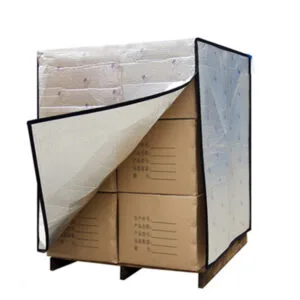
Centang kotak logika ukuran penutup palet dan liner untuk proyek pengemasan berinsulasi.
Perkiraan ukuranKalkulator Paket Es
Perkirakan jumlah paket es gel untuk pengiriman dingin dan perencanaan rute yang praktis.
Perkirakan kantong esTinjauan rute harus menjelaskan di mana kotak isolasi dikemas, berapa lama menunggu sebelum dikirim, apakah itu terbuka saat memuat, berapa banyak handover yang terjadi, dan siapa yang mencentang kotak pada tanda terima. Jika kontrol suhu penting, kisaran yang diperlukan harus berasal dari pemilik produk atau tim mutu, dan cairan pendingin apa pun, liner, Data Logger, atau langkah kualifikasi harus ditentukan secara terpisah. Sebuah kotak dapat mendukung sistem, tapi itu tidak menggantikan paket yang divalidasi.
Ketika kontrol suhu tambahan diperlukan
Tinjauan rute harus menjelaskan di mana kotak isolasi dikemas, berapa lama menunggu sebelum dikirim, apakah itu terbuka saat memuat, berapa banyak handover yang terjadi, dan siapa yang mencentang kotak pada tanda terima. Jika kontrol suhu penting, kisaran yang diperlukan harus berasal dari pemilik produk atau tim mutu, dan cairan pendingin apa pun, liner, Data Logger, atau langkah kualifikasi harus ditentukan secara terpisah. Sebuah kotak dapat mendukung sistem, tapi itu tidak menggantikan paket yang divalidasi.
Penanganan adalah saat banyak keputusan pengemasan berhasil atau gagal. Sebuah kotak yang terlihat kuat di ruang sampel mungkin akan terasa canggung ketika staf memuatnya di bawah tekanan waktu, menumpuknya di dalam van, atau membersihkannya di sela-sela shift. Area pegangan, keamanan tutup, perlindungan sudut, zona label, dan perilaku penumpukan harus ditinjau bersama orang-orang yang akan menyentuh wadah setiap hari.
Batasan utamanya adalah kotak insulasi bukanlah jawaban universal. Hal ini tidak dapat secara otomatis membuktikan keamanan pangan, kepatuhan farmasi, kualifikasi rute, atau stabilitas suhu. Hasil tersebut bergantung pada persyaratan produk, jalur distribusi, proses pembersihan, aksesoris kemasan, metode pemantauan, dan dokumen yang menunjukkan bagaimana sistem diuji.
Contoh praktis
Misalnya, pembeli mungkin membutuhkan yang dapat digunakan kembali kotak terisolasi untuk rute pengiriman lokal berulang. Sampel tampaknya cocok, namun ujian sebenarnya adalah apakah staf dapat mengemasnya dengan cepat, apakah muatan menyisakan cukup ruang untuk cairan pendingin atau pembagi, apakah tutupnya tetap tertutup setelah dimasukkan, dan apakah kotak tersebut dapat dibersihkan dan dikembalikan tanpa kebingungan.
Mulai dari uji coba hingga penggunaan berulang
Untuk pengadaan, spesifikasi teraman memisahkan fakta yang dikonfirmasi dari asumsi. Tanyakan dimensi internal dan eksternal, ruang muatan yang dapat digunakan, detail penutupan, deskripsi bahan, panduan pembersihan, proses persetujuan sampel, dan bukti di balik kinerja yang dinyatakan. Jika pemasok tidak dapat menjelaskan kondisi pengujian di balik klaim, perlakukan klaim tersebut sebagai titik awal diskusi dan bukan sebagai jaminan pembelian.
Tinjauan rute harus menjelaskan di mana kotak isolasi dikemas, berapa lama menunggu sebelum dikirim, apakah itu terbuka saat memuat, berapa banyak handover yang terjadi, dan siapa yang mencentang kotak pada tanda terima. Jika kontrol suhu penting, kisaran yang diperlukan harus berasal dari pemilik produk atau tim mutu, dan cairan pendingin apa pun, liner, Data Logger, atau langkah kualifikasi harus ditentukan secara terpisah. Sebuah kotak dapat mendukung sistem, tapi itu tidak menggantikan paket yang divalidasi.
Penanganan adalah saat banyak keputusan pengemasan berhasil atau gagal. Sebuah kotak yang terlihat kuat di ruang sampel mungkin akan terasa canggung ketika staf memuatnya di bawah tekanan waktu, menumpuknya di dalam van, atau membersihkannya di sela-sela shift. Area pegangan, keamanan tutup, perlindungan sudut, zona label, dan perilaku penumpukan harus ditinjau bersama orang-orang yang akan menyentuh wadah setiap hari.
Pemeriksaan praktis lainnya adalah kepemilikan. Jika kotak isolasi dapat digunakan kembali, seseorang harus memiliki inspeksi, pembersihan, penyimpanan kembali, dan penghapusan unit yang rusak. Tanpa kepemilikan itu, bahkan container yang kuat pun bisa menjadi tidak konsisten karena tim yang berbeda membuat keputusan yang berbeda pada titik serah terima yang berbeda.
FAQ
Adalah kotak isolasi EPP ultra-ringan berukuran besar yang dikontrol suhu secara otomatis?
TIDAK. Ini dapat memberikan dukungan isolasi, tetapi kontrol suhu tergantung pada paket lengkap, rangkaian produk yang dibutuhkan, pilihan pendingin atau refrigeran, paparan rute, penutupan pas, dan rencana pemantauan apa pun. Pembeli harus memverifikasi sistem secara lengkap daripada memperlakukannya kotak EPP sebagai mandiri pengirim yang memenuhi syarat.
Apa yang harus saya tanyakan kepada pemasok sebelum membeli kotak isolasi EPP ultra-ringan berukuran besar?
Tanyakan dimensi internal dan eksternal, ruang muatan yang dapat digunakan, deskripsi bahan, detail penutupan, panduan pembersihan, pengendalian sampel hingga produksi, dan bukti di balik kinerja yang dinyatakan. Jika klaim suhu dibuat, tanyakan profil pengujian dan apakah cocok dengan produk Anda, muatan, dan jalur.
Bisakah kemasan EPP digunakan kembali?
Kemasan EPP umumnya dipilih untuk penanganan yang dapat digunakan kembali karena ringan dan tangguh, tetapi penggunaan kembali tergantung pada desain dan proses pengoperasian. Pembeli harus mendefinisikan pembersihan, inspeksi, penyimpanan kembali, penghapusan label, dan aturan penolakan agar unit yang rusak atau terkontaminasi tidak tetap beredar.
Bagaimana cara membandingkan EPP dengan kemasan busa sekali pakai?
Bandingkan lebih dari harga satuan. Pertimbangkan logistik pengembalian, ruang penyimpanan, pekerjaan pembersihan, risiko kerusakan, presentasi pelanggan, penanganan limbah, dan apakah material tersebut dapat diperoleh kembali secara lokal. Kemasan sekali pakai mungkin terlihat lebih murah pada awalnya, sedangkan kemasan yang dapat digunakan kembali memerlukan disiplin proses untuk menciptakan nilai.
Kapan wadah jenis ini tidak cukup?
Tidaklah cukup bila produk memerlukan kontrol suhu yang tervalidasi, pelabelan yang diatur, bukti kebersihan yang ketat, atau perlindungan mekanis yang belum diuji dengan muatan sebenarnya. Dalam kasus tersebut, wadah tersebut harus menjadi bagian dari rencana pengemasan dan penanganan yang lebih luas dan berkualitas.
Kesimpulan
Kotak isolasi EPP ultra-ringan berukuran besar bisa menjadi pilihan yang kuat saat material, desain, dan alur kerja semuanya sesuai dengan pekerjaan. Keputusan teraman dimulai dengan sensitivitas produk, rute, muatannya, dan proses penanganannya, kemudian beralih ke bukti pemasok dan tinjauan sampel. Jangan mengandalkan kata-kata luas seperti dapat digunakan kembali, dapat didaur ulang, tugas berat, terisolasi, atau tahan guncangan tanpa menanyakan maksudnya dalam kondisi Anda. Jika perlindungan suhu, Keamanan Pangan, penanganan sampel laboratorium, atau kargo yang diatur terlibat, perlakukan kotak insulasi sebagai salah satu bagian dari sistem pengemasan dan dokumentasi yang lebih luas.
Tentang tempk
Tempk membantu pembeli mendiskusikan kemasan EPP dalam istilah yang benar-benar dapat digunakan oleh tim operasi. Saat Anda mengevaluasi kotak isolasi EPP ultra-ringan berukuran besar, kami dapat membantu menyusun percakapan seputar payload, rute, maksud suhu, penanganan, penggunaan kembali, dan dokumentasi pemasok. Tujuannya bukan untuk menjual sebuah kotak secara berlebihan, tetapi untuk membuat spesifikasinya cukup jelas untuk pengadaan, logistik, dan tim kualitas untuk meninjau sebelum mereka berkomitmen untuk mengulangi pesanan.
Bagikan muatan Anda, rute, proses penanganan, dan persyaratan suhu dengan Tempk sebelum memilih kotak isolasi EPP ultra-ringan berukuran besar. Tinjauan spesifikasi singkat dapat mencegah kotak yang salah menjadi masalah logistik yang berulang.