Cara Memilih Es Krim Gel Ice Wrap Terbaik
Cara paling jelas untuk membeli bungkus es gel distributor es krim harus menentukan kebutuhan operasional sebenarnya terlebih dahulu dan baru kemudian membandingkan desain kemasan, bukti, dan biaya. Bungkus es gel sangat baik sebagai penyangga termal jangka pendek, tapi ini bukan pengganti truk freezer atau es kering di jalur yang panjang dan sangat beku. Anda juga perlu memikirkan distribusi makanan penutup beku, di mana gaya penanganannya, paparan lingkungan, dan praktik gudang dapat mengubah hasil jauh lebih banyak daripada yang disarankan oleh brosur umum. Panduan penyimpanan makanan FDA masih mengarahkan operator ke freezer 0 Untuk -18 C, dan itu tetap menjadi dasar praktis untuk penyimpanan makanan penutup beku. Tugas bungkusnya adalah memperlambat pemanasan selama penanganan, pemetikan, pengiriman mil terakhir, dan acara singkat pembukaan pintu, bukan untuk menggantikan infrastruktur inti yang dibekukan. Panduan ini mengubah kerumitan tersebut menjadi keputusan sederhana sehingga Anda dapat membandingkan penawaran, memvalidasi jalur kanan, dan membangun program yang cocok untuk merek es krim, distributor makanan penutup beku, pengecer khusus, dan tim peluncuran langsung ke konsumen.
Artikel ini akan membantu Anda menjawabnya:
Cara menentukan jendela suhu yang tepat, ukuran paket, dan penempatan sebelum meminta penawaran.
Bahan yang mana, validasi, dan sinyal pasokan memisahkan penawaran yang kuat dari penawaran yang berisiko.
Bagaimana cara memenuhi syarat distributor es krim tanpa membuang waktu untuk sampel yang lemah atau klaim yang tidak jelas.
Kemasan yang mana, pengkondisian, dan pilihan penempatan mengurangi kebocoran, tamasya, dan limbah yang dapat dihindari.
Apa 2026 perubahan pasar dan kebijakan berdampak pada biaya, dokumentasi, dan keberlanjutan.
Bagaimana cara yang paling jelas untuk memilih distributor es krim es krim gel?
Keputusan pertama selalu merupakan jendela suhu. Pembeli sering kali memilih bungkus es gel terlebih dahulu dan baru kemudian memikirkan waktu pemaparannya, isolasi, penempatan paket, massa muatan, dan frekuensi pembukaan. Urutan itu menciptakan risiko. Sebuah paket yang bekerja pada satu rute bisa gagal pada rute lain jika waktu tinggalnya habis, pola pemuatan, atau perubahan profil sekitar. Pendekatan yang lebih aman itu sederhana: mulai dengan sensitivitas produk, lalu petakan jalurnya, kemudian ukur rencana pendingin. Urutan tersebut mencegah sejumlah pengecualian yang dapat dihindari.
Metode pembelian terkuat menggunakan urutan sederhana: menentukan target termal, memahami rutenya, tentukan geometri dan material paket, kemudian bandingkan kemampuan pemasok. Itu mencegah Anda membeli paket yang secara teknis bagus dan tidak sesuai dengan jalurnya. Ini juga membantu Anda berhenti berdebat mengenai harga satuan sebelum Anda mengetahui apakah desainnya benar-benar tepat.
Kerangka keputusan
| Bidang keputusan | Apa yang harus didefinisikan | Apa yang harus diverifikasi | Mengapa Ini Membantu Anda |
|---|---|---|---|
| Jendela suhu | Sensitivitas muatan dan jangkauan yang diizinkan | Eksposur jalur nyata dan rencana logger | Anda mencocokkan cairan pendingin dengan risiko sebenarnya. |
| Format paket | Berat, membentuk, dan konsep penempatan | Fleksibilitas film, segel, dan mengisi toleransi | Anda meningkatkan konsistensi dan mengurangi kerusakan yang dapat dihindari. |
| Validasi | Profil musim panas dan musim dingin atau setara | Batas penerimaan dan posisi logger | Anda membeli tanpa bukti, tidak menebak. |
| Kemampuan pemasok | Rencana stok, Kustomisasi, dan dokumentasi | Kecepatan respons dan ketertelusuran | Anda menurunkan kejutan operasional. |
| Keberlanjutan | data materi, penggunaan kembali, dan logika yang sia-sia | Apakah itu berfungsi tanpa mengganggu kinerja | Anda menyelaraskan biaya, kebijakan, dan harapan pelanggan. |
Detail teknis mana yang paling penting setelah sampel pertama terlihat bagus?
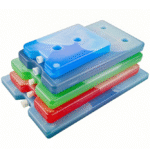
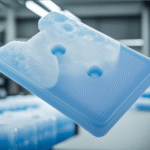
Kebanyakan format dingin berbasis gel adalah sistem yang banyak mengandung air yang disimpan dalam jaringan polimer. Dalam banyak desain, batas jaringan tumpah, menstabilkan pengisian, dan mengurangi kekacauan jika terjadi tusukan. Hal ini penting karena dua kemasan dengan ukuran luar yang sama dapat berperilaku sangat berbeda dalam penggunaan. Seseorang dapat melepaskan hawa dingin dengan cepat dan menimbulkan risiko pembekuan lokal. Yang lain mungkin melepaskannya lebih merata dan melindungi muatannya lebih lama. Bagi pembeli es bungkus gel, pelajaran praktisnya adalah bentuk itu, rasio pengisian, dan metode pengkondisian sama pentingnya dengan bobot kotor yang dicetak pada lembar spesifikasi.
Pilihan film sama pentingnya dengan pilihan gel. Sebuah kantong, membungkus, menyisipkan, atau tas harus tahan terhadap tekanan penumpukan, kontak tepi, siklus pendinginan berulang, dan gesekan saat bergerak melalui kotak bergelombang atau tas jinjing yang dapat digunakan kembali. Film yang lebih tebal tidak otomatis lebih baik. Struktur yang tepat menyeimbangkan ketahanan tusukan, integritas segel, fleksibilitas setelah pengkondisian, dan perpindahan panas yang efisien. Dalam operasi nyata, segel yang lemah biasanya rusak sebelum bagian tengah film rusak. Itu sebabnya pembeli yang berhati-hati menanyakan lebar segel, pengujian kebocoran, toleransi berat isi, dan kontrol dimensi alih-alih mengasumsikan setiap produk dalam kelas ketebalan yang sama adalah sama.
Validasi harus mencerminkan kenyataan. Itu berarti mengkondisikan bungkus es gel sesuai dengan cara yang sebenarnya dilakukan tim Anda, memuat pengirim dengan muatan nyata atau setara yang diuji, menempatkan penebang pohon di tempat yang risikonya paling tinggi, dan menjalankan lebih dari satu profil ambien. Kurva lab yang bersih berguna, tapi itu tidak sama dengan hasil rute. Tanyakan bagaimana performa berubah saat waktu transit, bukaan kotak, kepadatan muatan, atau perubahan penempatan paket. Pemasok terbaik membantu Anda memahami margin, bukan hanya hasil kasus terbaik.
Jika Anda ingat satu aturan teknis, ingat ini: waktu tunggu bukanlah keseluruhan cerita. Satu kawanan mungkin mempunyai cadangan energi yang cukup dan tetap berperilaku buruk karena pola kontak yang buruk, film rapuh, pengisian yang tidak konsisten, atau metode pengkondisian yang tidak dapat diulangi oleh gudang secara konsisten.
Bagaimana kepatuhan dan peraturan regional mengubah daftar terpilih?
Peraturan mengubah daftar pendek karena pengendalian yang terdokumentasi adalah bagian dari manajemen risiko. Panduan penyimpanan makanan FDA masih mengarahkan operator ke freezer 0 Untuk -18 C, dan itu tetap menjadi dasar praktis untuk penyimpanan makanan penutup beku. Tugas bungkusnya adalah memperlambat pemanasan selama penanganan, pemetikan, pengiriman mil terakhir, dan acara singkat pembukaan pintu, bukan untuk menggantikan infrastruktur inti yang dibekukan. Artinya pemasok dengan instruksi yang jelas, catatan yang lebih baik, dan logika spesifik rute sering kali merupakan pilihan dengan risiko lebih rendah meskipun harga unitnya bukan yang terendah di halaman tersebut.
Keberlanjutan beralih dari bahasa pemasaran ke kriteria pengadaan 2026. Pembeli sekarang bertanya apakah format tersebut dapat digunakan kembali, berapa banyak plastik yang dikandungnya, apakah versi yang lebih ringan dapat melakukan pekerjaan yang sama, dan seperti apa penanganan di akhir masa pakainya. Jawaban keberlanjutan yang masuk akal tidak berarti memilih kemasan yang paling tipis atau termurah. Itu berarti mengurangi beban yang bisa dihindari, mengurangi sampah sekali pakai jika memungkinkan, dan menggunakan pilihan material yang terdokumentasi dan sesuai dengan jalurnya. Pertumbuhan di Kemasan rantai dingin Hal ini didorong tidak hanya oleh layanan kesehatan tetapi juga oleh makanan beku dan pengiriman bahan makanan langsung ke konsumen, itulah sebabnya pembeli makanan penutup beku kini memiliki lebih banyak pilihan format dibandingkan beberapa tahun lalu.
Apa yang lebih kuat 2026 tampilan kartu skor pemasok?
Untuk program distributor, konsistensi lebih penting daripada tawar-menawar satu kali saja. Anda membutuhkan kualitas yang stabil, MOQ yang realistis, perencanaan stok yang jelas, dan pengisian ulang yang dapat diprediksi. Hal ini terutama berlaku jika bungkus es gel juga mempengaruhi biaya pengiriman, volume penyimpanan, biaya pembuangan, atau paparan pajak. Mitra pemasok yang lebih kuat membantu Anda menyederhanakan penghitungan SKU, standarisasi aturan rute, mengurangi pembelian darurat, dan mencegah pengecualian khusus akun mengambil alih operasi.
Di dalam 2026, merek makanan penutup beku menggunakan lebih banyak format kecil pengirim terisolasi untuk pengambilan sampel, peluncuran musiman, dan penurunan ritel premium. Pergeseran itu memberi hadiah pada bungkus yang sangat mirip dengan bak atau batu bata, mengurangi kekacauan air lelehan, dan menjaga kualitas presentasi tetap tinggi pada saat pembukaan. Pertumbuhan kemasan rantai dingin tidak hanya didorong oleh layanan kesehatan tetapi juga oleh makanan beku dan pengiriman bahan makanan langsung ke konsumen., itulah sebabnya pembeli makanan penutup beku kini memiliki lebih banyak pilihan format dibandingkan beberapa tahun lalu.
Kartu skor pemasok praktis
| Titik kontrol | Apa yang harus ditanyakan | Seperti apa rupanya | Mengapa itu penting |
|---|---|---|---|
| Suhu sesuai | Pada pita suhu manakah desain ini divalidasi? | Jawabannya merujuk pada jangkauan nyata dan tipe jalur nyata. | Anda menghindari membeli paket yang kuat tetapi salah. |
| Pengendalian produksi | Bagaimana cara mengontrol berat isi dan kualitas segel? | Toleransi terdokumentasi dan pemeriksaan kualitas rutin. | Anda mengurangi variasi lot-to-lot. |
| Dukungan validasi | Bisakah Anda menampilkan profil musim panas dan musim dingin atau hangat dan sejuk? | Ya, dengan metode tes yang jelas dan panduan pengkondisian praktis. | Anda mendapatkan bukti yang sesuai dengan rute Anda. |
| Ketahanan pasokan | Di mana stok disimpan dan apa yang terjadi selama lonjakan? | Dinamakan strategi stok dan komitmen waktu tunggu yang realistis. | Anda menghindari berebut selama permintaan puncak. |
| Strategi materi | Apa yang dapat Anda dokumentasikan tentang film, plastik, penggunaan kembali, atau pembuangan? | Jernih, informasi materi tertentu. | Anda mendukung tinjauan pengadaan dan keberlanjutan. |
Rencana tindakan dapat Anda gunakan segera
Petakan rute pengiriman jarak pendek dan jalur pengiriman kotak sampel berdasarkan waktu pemaparan dan risiko lingkungan.
Alat pengambilan keputusan yang berguna
Periksa detailnya sebelum Anda memilih kemasan
Alat cepat ini dapat membantu Anda membandingkan risiko rute, kebutuhan ukuran, pilihan pendingin, dan detail kemasan sebelum Anda meminta penawaran.
Referensi Bahan Isolasi
Bandingkan pilihan bahan insulasi untuk kebutuhan pengemasan rantai dingin yang berbeda.
Bandingkan bahanKalkulator Es Kering
Perkirakan kebutuhan es kering untuk pengiriman beku atau sangat dingin sebelum pengepakan.
Perkirakan es keringKetahanan Jatuh Bahan Isolasi
Tinjau ketahanan jatuh dan faktor penanganan sebelum memilih bahan insulasi.
Periksa resistensiKurangi percakapan ke sekumpulan format calon bungkus es gel yang lebih kecil yang benar-benar cocok dengan jalur tersebut.
Minta data validasi yang sebanding dan detail material dari setiap pemasok yang serius.
Jalankan satu pilot terkontrol dengan muatan sebenarnya atau muatan setara yang telah diuji sebelum meningkatkan skalanya.
Cuplikan kasus: Salah satu distributor es krim menstandarkan satu set ukuran bungkus es gel yang lebih kecil berdasarkan kelompok rute sebenarnya, bukan hanya menebak-nebak pelanggan demi pelanggan. Itu mengurangi kerumitan pengepakan, peningkatan konsistensi kedatangan, dan mengurangi pengemasan darurat ketika kondisi sekitar menjadi lebih sulit.
Disiplin terakhir yang berguna adalah menjaga umpan balik pasca-peluncuran tetap terikat pada data rute. Ketika pengiriman berhasil atau gagal, mencatat jalurnya, kondisi sekitar, jumlah paket, penempatan paket, dan setiap revisi kemasan sehingga keputusan selanjutnya didasarkan pada bukti, bukan memori. Kebiasaan itu sangat berharga bagi merek es krim, distributor makanan penutup beku, pengecer khusus, dan tim peluncuran langsung ke konsumen, karena program rantai dingin sering kali terlihat stabil hingga satu musim, satu rute baru, atau satu perubahan bauran produk memperlihatkan asumsi yang lemah. Putaran umpan balik yang sederhana membuat putaran pengemasan berikutnya lebih tajam.
Keberlanjutan beralih dari bahasa pemasaran ke kriteria pengadaan 2026. Pembeli sekarang bertanya apakah format tersebut dapat digunakan kembali, berapa banyak plastik yang dikandungnya, apakah versi yang lebih ringan dapat melakukan pekerjaan yang sama, dan seperti apa penanganan di akhir masa pakainya. Jawaban keberlanjutan yang masuk akal tidak berarti memilih kemasan yang paling tipis atau termurah. Itu berarti mengurangi beban yang bisa dihindari, mengurangi sampah sekali pakai jika memungkinkan, dan menggunakan pilihan material yang terdokumentasi dan sesuai dengan jalurnya. Pertumbuhan kemasan rantai dingin tidak hanya didorong oleh layanan kesehatan tetapi juga oleh makanan beku dan pengiriman bahan makanan langsung ke konsumen., itulah sebabnya pembeli makanan penutup beku kini memiliki lebih banyak pilihan format dibandingkan beberapa tahun lalu.
Untuk program distributor, konsistensi lebih penting daripada tawar-menawar satu kali saja. Anda membutuhkan kualitas yang stabil, MOQ yang realistis, perencanaan stok yang jelas, dan pengisian ulang yang dapat diprediksi. Hal ini terutama berlaku jika bungkus es gel juga mempengaruhi biaya pengiriman, volume penyimpanan, biaya pembuangan, atau paparan pajak. Mitra pemasok yang lebih kuat membantu Anda menyederhanakan penghitungan SKU, standarisasi aturan rute, mengurangi pembelian darurat, dan mencegah pengecualian khusus akun mengambil alih operasi.
Disiplin terakhir yang berguna adalah menjaga umpan balik pasca-peluncuran tetap terikat pada data rute. Ketika pengiriman berhasil atau gagal, mencatat jalurnya, kondisi sekitar, jumlah paket, penempatan paket, dan setiap revisi kemasan sehingga keputusan selanjutnya didasarkan pada bukti, bukan memori. Kebiasaan itu sangat berharga bagi merek es krim, distributor makanan penutup beku, pengecer khusus, dan tim peluncuran langsung ke konsumen, karena program rantai dingin sering kali terlihat stabil hingga satu musim, satu rute baru, atau satu perubahan bauran produk memperlihatkan asumsi yang lemah. Putaran umpan balik yang sederhana membuat putaran pengemasan berikutnya lebih tajam.
Pertanyaan yang sering diajukan
Bisakah bungkus es gel menggantikan peralatan freezer untuk es krim?
TIDAK. Bungkus adalah buffer berdurasi pendek, bukan pengganti truk freezer, penyimpanan beku, atau es kering yang memerlukan pengendalian deep-frozen.
Apa yang harus diuji terlebih dahulu oleh merek es krim?
Uji tekstur dan kualitas presentasi saat pembukaan, bukan hanya hasil logger. Pelunakan tepi dan air yang mencair dapat merusak pengalaman pelanggan dengan cepat.
Mengapa fleksibilitas bungkus itu penting?
Pembungkus yang menjadi terlalu kaku setelah dikondisikan dapat kehilangan kontak dengan kemasan yang seharusnya dilindungi. Kesesuaian yang baik membantu efisiensi termal.
Apakah satu desain bungkus cukup untuk semua jalur makanan penutup beku?
Biasanya tidak. Pengisian ulang ritel, kit pengambilan sampel, dan peluncuran DTC sering kali memerlukan logika paket dan asumsi eksposur yang berbeda.
Apa yang berubah 2026 logistik makanan penutup beku?
Lebih banyak pengiriman premium dan ditujukan kepada konsumen meningkatkan ekspektasi terhadap presentasi, kebersihan, dan desain kemasan khusus rute.
Ringkasan dan rekomendasi
Keputusan bungkus es gel terbaik jarang sekali yang memiliki massa paling dingin atau harga item terendah. Itu yang sesuai dengan rutenya, melindungi muatannya, mendukung aturan pengoperasian yang jelas, dan memberi Anda dokumentasi yang sebenarnya dapat Anda gunakan. Jika Anda menentukan target suhu terlebih dahulu, memvalidasi jalur dengan jujur, dan menilai pemasok lebih dari sekedar harga, Anda akan membuat keputusan jangka panjang yang lebih baik.
Langkah Anda selanjutnya seharusnya sederhana: pilih rute yang paling penting, meminta informasi teknis dan pasokan yang sebanding, dan menjalankan satu pilot yang dikendalikan. Pendekatan tersebut memberi Anda bukti dengan cepat dan menjaga pengadaan tetap berjalan, Operasi, dan QA selaras.
Tentang Tempk
Dan Tempk, kami fokus pada pengemasan rantai dingin yang praktis untuk makanan, Perawatan kesehatan, dan kebutuhan distribusi sensitif suhu lainnya. Kami mengerjakan formulasi gel yang stabil, segel yang dapat diandalkan, ukuran khusus, dan dukungan validasi berbasis rute sehingga pembeli dapat mencocokkan paket dengan jalurnya tanpa perlu menebak-nebak.
Jika Anda memerlukan bantuan untuk membandingkan format, penyempurnaan penempatan paket, atau membuat rencana percontohan yang lebih sederhana, kami dapat membantu Anda mengubah data rute menjadi keputusan pengemasan yang lebih jelas.