Memilih Pemasok Paket Gel yang Dapat Digunakan Kembali untuk Kondisi Rantai Dingin dan Penanganan yang Nyata
If you need a practical answer on paket gel yang dapat digunakan kembali pemasok, mulailah dengan memisahkan apa yang dapat dilakukan oleh paket itu sendiri dari apa yang masih harus dikendalikan oleh sistem pengiriman atau penanganan penuh.
Untuk umum pengiriman rantai dingin melintasi makanan, Perawatan kesehatan, dan produk B2B yang sensitif terhadap suhu, jawaban yang paling dapat diandalkan biasanya sama: pilih paket hanya setelah Anda mengetahui kisaran suhu target, durasi rute atau jendela penanganan, geometri muatan, dan tingkat dokumentasi yang dibutuhkan tim Anda. Hal ini membuat pengadaan tetap terikat pada kinerja dan bukan pada bahasa pemasaran.
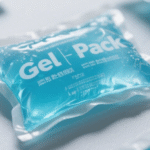
A reusable gel pack is a sealed paket pendingin designed to be frozen or conditioned, used in an pengirim terisolasi, menghangat kembali, dan digunakan lagi dalam beberapa siklus. Dalam praktiknya, pembeli menggunakan istilah itu secara longgar. Ini bisa berarti bantal gel sederhana berbahan dasar air, paket pengiriman tugas berat dengan film tahan tusukan, varian tanpa keringat, atau paket perubahan fase yang disetel ke pita suhu tertentu.
Apa yang membuat suatu kemasan benar-benar dapat digunakan kembali bukanlah label pemasarannya. Ini adalah kombinasi integritas segel, ketangguhan film, ketahanan terhadap kebocoran, stabilitas dimensi, dan sistem pengisian yang tidak terpisah atau menjadi tidak dapat digunakan setelah siklus berulang kali. Jika Anda berencana menggunakan kembali kemasan dalam makanan, Perawatan kesehatan, atau pengaturan laboratorium, metode pembersihan dan penanganan higienis juga menjadi bagian dari keputusan pembelian.
Mulailah dengan definisi yang tepat
Paket gel yang dapat digunakan kembali bukan sekadar paket sekali pakai yang bertahan dalam siklus kedua. Dalam operasi nyata, dapat digunakan kembali berarti paket dapat dipindahkan melalui pembekuan atau pengondisian berulang kali, penanganan, kebersihan, memanggungkan, dan mengembalikan atau menerbitkan ulang proses tanpa kehilangan konsistensi dimensi atau bocor.
Penting juga untuk memisahkan penggunaan kembali dari kualifikasi. Paket yang tahan lama dapat mendukung proses pengiriman yang berulang, namun hal tersebut tidak secara otomatis membuktikan bahwa rute tersebut terkendali. Rute sebenarnya masih harus dinilai di sekitar isolasi, penempatan paket, massa muatan, disiplin pengkondisian, dan memantau ekspektasi.
Paket yang dapat digunakan kembali sering kali dianggap sebagai aksesori sederhana, namun hal ini dapat menjadi item proses yang terkendali dalam operasi yang diaudit. Spesifikasi yang jelas, praktik sanitasi, dan kriteria penggantian membantu menjaga siklus penggunaan kembali tetap konsisten dari siklus ke siklus.
Cara kerjanya dan mengapa format itu penting
Paket gel yang dapat digunakan kembali adalah keseimbangan massa termal dan ketahanan mekanis. Bahan pengisi harus menyerap dan melepaskan panas dengan cara yang dapat diprediksi, tetapi lapisan luarnya juga harus ditekuk pada suhu rendah tanpa retak, tahan tusukan selama penanganan, dan menjaga segel tetap utuh setelah ekspansi dan kontraksi berulang kali.
Performa termal tidak hanya berasal dari pengisian bagian dalam. Cangkang atau film harus tetap cukup fleksibel untuk kondisi pengkondisian yang diinginkan, tahan tusukan atau kelelahan jahitan, dan mempertahankan geometri berulang di sekitar muatan. Bahkan bahan kimia pendingin yang baik pun dapat mengecewakan jika bentuk isian berubah terlalu banyak setelah pembekuan, jika sel mendistribusikan massa secara tidak merata, atau jika bagian luarnya menjadi sulit untuk ditangani dalam alur kerja sebenarnya.
Geometri sangat penting karena panas tidak masuk ke pengirim atau pengaturan penanganan secara seragam. Format datar menciptakan kontak yang lebih luas dan dapat mengurangi ruang mati. Batu bata yang lebih tebal atau kemasan yang lebih padat dapat menyimpan energi pendinginan lebih lama, namun mereka juga menempati lebih banyak volume dan dapat menciptakan titik kontak lokal yang lebih dingin. Keseimbangan yang benar tergantung pada apakah Anda memerlukan cakupan yang merata, waktu tahan lebih lama, pengepakan lebih mudah, penanganan yang lebih bersih, atau jendela suhu yang lebih terkontrol.
Pilihan antara gel standar berbahan dasar air dan bahan pengisi berbahan dasar PCM bukanlah hal yang mudah. Gel berbahan dasar air dengan suhu sekitar 0°C berguna untuk banyak aplikasi dingin, namun mungkin terlalu dingin untuk beberapa produk dan terlalu tidak tepat untuk produk lainnya. Paket PCM dirancang untuk mengubah fase mendekati kebutuhan produk, yang dapat mengurangi risiko pembekuan dan membuat kualifikasi rute lebih bersih.
Mencocokkan format dengan use case
Kasus penggunaan yang paling sesuai bergantung pada trade-off yang paling Anda pedulikan: cakupan, lamanya, penanganan, pengulangan, kontrol kondensasi, pengalaman penerima, atau buffering suhu yang lebih ketat. Pola umum di bawah ini membantu pembeli membandingkan trade-off tersebut dengan cepat.
Pengiriman paket dingin rutin
Paket yang dapat digunakan kembali adalah hal biasa ketika perusahaan mengirimkan muatan yang sama melalui jalur yang sama berulang kali. Format yang stabil mengurangi variabilitas pengemasan dan mempermudah pembuatan instruksi pengemasan yang dapat diulang.
Ini sangat berguna untuk kotak langganan makanan, pengiriman sampel, distribusi apotek regional, dan pengiriman B2B di mana penerima memahami cara menangani dan membekukan kembali paket tersebut.
Program loop tertutup atau semi-loop tertutup
Beberapa bisnis menciptakan putaran pengembalian formal, sementara yang lain mengandalkan penerima untuk menggunakan kembali paket tersebut secara lokal. Dalam kedua kasus tersebut, daya tahan lebih penting daripada bobot judul. Paket yang dapat bertahan dalam banyak siklus tanpa kegagalan jahitan dapat membenarkan harga pembelian yang lebih tinggi jika perilaku penggunaan kembali itu nyata.
Jika tidak ada kebiasaan pengembalian atau penggunaan kembali yang dapat diandalkan, perubahan lingkungan dan biaya. Itulah sebabnya pengadaan harus mengevaluasi penggunaan kembali sebagai sebuah pertanyaan sistem, bukan slogan produk.
Sumber merek khusus dan rute spesifik
Pemasok yang dapat digunakan kembali sering kali dipilih karena lebih dari sekadar alasan termal. Pembeli mungkin memerlukan pelabelan pribadi, ketebalan akhir tertentu, sudut membulat, jumlah sel khusus, atau film yang menangani peralatan pengepakan otomatis dengan lebih baik.
Detail ini mempengaruhi produktivitas gudang, karton sesuai, dan klaim kerusakan. Pemasok yang serius harus dapat mendiskusikannya tanpa menggunakan bahasa katalog yang umum.
Daftar periksa pemasok yang praktis sebelum peningkatan skala
Saat tim sumber B2B, distributor, dan insinyur pengemasan membeli dalam jumlah besar, percakapan pemasok terbaik bersifat rinci dan spesifik. Ini harus mencakup dimensi dalam penggunaan yang dikondisikan, pilihan bahan, kualitas penutupan atau jahitan, menangani stres, ketertelusuran banyak, dan petunjuk praktis yang diperlukan bagi orang-orang yang akan membeku, mengemas, bergerak, membersihkan, atau menerima produknya. Daftar pendek yang dibuat berdasarkan poin-poin tersebut biasanya lebih dapat diandalkan dibandingkan daftar panjang yang hanya didasarkan pada harga dan MOQ.
Kebanyakan kesalahan pembelian terjadi ketika tim membandingkan paket sebelum mereka menuliskan kebutuhan pengoperasian sebenarnya. Untuk pengiriman rantai dingin umum untuk makanan, Perawatan kesehatan, dan produk B2B yang sensitif terhadap suhu, keputusan harus dimulai dengan berapa banyak siklus pembekuan-pencairan realistis yang dapat bertahan dalam pengoperasian sebenarnya, lalu tentukan apakah Anda memerlukan pendinginan standar 0°C atau jendela suhu PCM yang lebih presisi, bagaimana paket berperilaku setelah pencairan, termasuk fleksibilitas, kondensasi, dan kemudahan pembersihan, dan realitas penanganan di balik konsistensi dimensi dari lot ke lot, jadi karton, sisipan, atau pengaturan otomatisasi tidak menyimpang. Jika pengiriman atau kasus penggunaan memiliki pengguna akhir yang terlihat, evaluasi juga harus mencakup arti sebenarnya dari penggunaan kembali dalam rantai pasokan Anda: lingkaran dalam, penggunaan kembali pelanggan, atau sesekali digunakan kembali secara lokal. Urutan tersebut membuat diskusi terikat pada hasil rute dan bukan pada bahasa katalog.
Tanyakan konstruksi film yang tepat, not just the phrase 'heavy duty.' PE, Pa, nilon, dan struktur multilapis berperilaku berbeda di bawah tekanan beku-cair.
Alat pengambilan keputusan yang berguna
Periksa detailnya sebelum Anda memilih kemasan
Alat cepat ini dapat membantu Anda membandingkan risiko rute, kebutuhan ukuran, pilihan pendingin, dan detail kemasan sebelum Anda meminta penawaran.
Pembuat Daftar Periksa Kepatuhan
Buatlah daftar periksa praktis untuk tinjauan kemasan, pengiriman, dan dokumentasi.
Buat daftar periksaPelapis Kotak & Ukuran Penutup Palet
Centang kotak logika ukuran penutup palet dan liner untuk proyek pengemasan berinsulasi.
Perkiraan ukuranKalkulator Paket Es
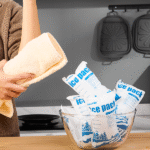
Perkirakan jumlah paket es gel untuk pengiriman dingin dan perencanaan rute yang praktis.
Perkirakan kantong esMintalah informasi uji kebocoran atau uji tekanan dan tanyakan bagaimana integritas jahitan dikontrol dalam produksi.
Konfirmasikan metode pembersihan yang disarankan jika kemasan akan digunakan kembali di sekitar makanan, barang-barang laboratorium, atau pengaturan perawatan pasien.
Periksa toleransi berat isi dan variasi dimensi kemasan sehingga Anda dapat memvalidasi kesesuaian karton sebenarnya.
Tanyakan apakah pemasok mengendalikan perubahan formulasi dalam proses pemberitahuan perubahan formal.
Jika Anda memerlukan merek khusus atau instruksi cetak, memverifikasi persetujuan karya seni dan keterlacakan secara lot.
Bandingkan paket sampel dengan paket produksi setelah beberapa siklus pembekuan-pencairan, tidak hanya dalam kondisi baru.
Untuk pengadaan jangka panjang, pengendalian perubahan sama pentingnya dengan kinerja lintasan pertama. Pembeli harus mengetahui apa yang terjadi jika pemasok mengubah struktur film, kelas resin, mengisi formulasi, pola segel, karya seni, atau tempat produksi. Jika perubahan tersebut tidak dikomunikasikan dan dievaluasi kembali, seorang pilot yang sukses dapat beralih ke hasil produksi yang kurang dapat diandalkan tanpa ada yang menyadarinya hingga keluhan lapangan dimulai.
Poin kualifikasi dan dokumentasi yang penting
Harapan kepatuhan bergantung pada penggunaan akhir. Untuk makanan umum atau pengiriman konsumen, pembeli biasanya fokus pada kebersihan, pelabelan, dan pembuangan yang aman. Untuk program kesehatan dan ilmu hayati, ekspektasi dokumentasi meningkat dengan cepat, termasuk ketertelusuran, pengujian rute, dan dalam beberapa kasus, persyaratan sistem mutu yang spesifik pada sektor tertentu.
Jika kemasan yang dapat digunakan kembali merupakan bagian dari perangkat medis atau program rantai dingin klinis, tanyakan apakah pemasok bekerja berdasarkan sistem mutu yang terdokumentasi dan apakah sistem tersebut dapat mendukung spesifikasi yang terkendali, ketertelusuran banyak, dan manajemen perubahan formal. Jika paket tersebut dijual untuk penggunaan terapi perawatan pasien di pasar yang diatur, persyaratan perangkat medis tambahan mungkin berlaku.
Poin kuncinya sederhana: dapat digunakan kembali tidak secara otomatis berarti patuh, dan tahan lama belum tentu berkualitas. Kemasannya masih harus sesuai dengan produk, rute, dan beban dokumentasi aplikasi Anda.
Paket data pemasok yang berguna biasanya mencakup dimensi yang dikondisikan, berat atau kisaran pengisian nominal, deskripsi bahan, instruksi pengkondisian, jendela penggunaan yang direkomendasikan, panduan penyimpanan, dan informasi pengujian yang relevan tentang kebocoran, daya tahan, atau kinerja rute. Untuk program yang diatur atau sensitif terhadap kualitas, pembeli seringkali juga menginginkan keterlacakan lot, kontrol revisi pada spesifikasi dan karya seni, dan pernyataan yang jelas tentang apa yang telah divalidasi oleh pemasok versus apa yang masih memerlukan kualifikasi khusus rute oleh pihak pengirim.
Kualifikasi harus mencerminkan jalur yang sebenarnya Anda rencanakan untuk dijalankan. Itu berarti menentukan suhu muatan saat pengemasan, jumlah dan lokasi refrigeran, konfigurasi isolasi, durasi transit yang diharapkan, dan profil eksposur paling kredibel. Pencatat suhu atau alat pemantauan lainnya membantu memastikan apakah paket tersebut melindungi kisaran target di lokasi yang paling hangat dan paling rentan, tidak hanya di pusat geometris pengirim.
Untuk paket yang dapat digunakan kembali, kumpulan data paling informatif menggabungkan perilaku termal dengan ketahanan mekanis. Pembeli harus peduli dengan siklus beku-cair, integritas segel, resistensi tusukan, stabilitas dimensi setelah pengkondisian berulang, dan betapa mudahnya paket tersebut dibersihkan atau diperiksa secara visual sebelum diterbitkan kembali.
Pengujian rute juga harus mencerminkan model operasi sebenarnya. Paket yang dapat digunakan kembali dan berkinerja baik dalam uji satu arah mungkin gagal secara ekonomi jika dikembalikan dalam keadaan rusak, sulit untuk disanitasi, atau membutuhkan terlalu banyak ruang freezer untuk menyiapkannya dalam skala besar. Itulah sebabnya model penggunaan kembali harus dievaluasi sebagai sistem proses, tidak hanya sebagai SKU produk.
Pertanyaan umum
Seberapa dapat digunakan kembali paket gel yang dapat digunakan kembali?
Itu tergantung pada filmnya, kualitas segel, perumusan, dan menangani. Beberapa paket dimaksudkan untuk digunakan kembali secara ringan, sementara yang lain dibuat untuk siklus komersial yang menuntut. Tanyakan kepada pemasok bagaimana mereka mendefinisikan penggunaan kembali dan bagaimana mereka menguji ketahanannya.
Kapan saya harus memilih PCM daripada paket gel standar?
Pilih PCM ketika produk memiliki jendela suhu sempit yang dapat diterima atau ketika pendinginan berlebih merupakan suatu risiko. Paket standar berbahan dasar air sering kali cocok untuk produk dingin yang kuat, namun tidak ideal untuk setiap muatan yang sensitif terhadap suhu.
Yang paling penting saat membandingkan pemasok?
Konsistensi. Pemasok yang mengontrol dimensi, mengisi berat, kualitas film, dan formulasi dari satu lot ke lot lain biasanya lebih berharga dibandingkan formulasi yang hanya menawarkan harga per satuan terendah.
Kata terakhir
Dapat digunakan kembali pemasok paket gel should help you control more than pack cost. Keputusan sebenarnya adalah tentang siklus hidup, disiplin pengkondisian, kebersihan, konsistensi dimensi, dan apakah paket tersebut mendukung proses pengiriman berulang.
Hasil pengadaan yang paling kuat biasanya berasal dari pencocokan zat pendingin dengan rute atau kasus penggunaan yang tepat, kemudian menguji hasilnya dalam kondisi realistis, dan terakhir memilih pemasok yang dapat mereproduksi hasil tersebut secara konsisten. Pendekatan itu lebih lambat dibandingkan membeli berdasarkan deskripsi katalog, namun biasanya jauh lebih murah dibandingkan pemecahan masalah kegagalan setelah peluncuran.
Tentang Tempk
Dan Tempk, kami fokus pada Kemasan yang dikendalikan suhu and reusable cold-chain components such as Gel Ice Packs, solusi PCM, tas terisolasi, Dan kotak pendingin. Materi publik kami juga menyoroti dukungan pengembangan khusus dan sumber daya laboratorium, yang berguna ketika pembeli membutuhkan format yang dapat digunakan kembali yang cocok dengan paket tertentu daripada item katalog umum.
Langkah selanjutnya
Jika Anda mengevaluasi pemasok, mintalah rekomendasi yang dibuat berdasarkan suhu target Anda, kondisi penanganan, dan persyaratan pesanan massal daripada saran stok umum.