Memilih Produsen Rumah Sakit Paket Gel Termal untuk Kondisi Rantai Dingin dan Penanganan yang Nyata
Jika Anda memerlukan jawaban praktis tentang termal paket gel produsen rumah sakit, mulailah dengan memisahkan apa yang dapat dilakukan oleh paket itu sendiri dari apa yang masih harus dikendalikan oleh sistem pengiriman atau penanganan penuh.
Untuk pengadaan rumah sakit, terapi panas/dingin perawatan pasien, dan penanganan kesehatan internal, jawaban yang paling dapat diandalkan biasanya sama: pilih paket hanya setelah Anda mengetahui kisaran suhu target, durasi rute atau jendela penanganan, geometri muatan, dan tingkat dokumentasi yang dibutuhkan tim Anda. Hal ini membuat pengadaan tetap terikat pada kinerja dan bukan pada bahasa pemasaran.
Di lingkungan rumah sakit, A paket gel termal biasanya mengacu pada paket terapi panas/dingin yang dapat digunakan kembali untuk menghilangkan rasa sakit, kontrol pembengkakan, pemulihan pasca operasi, atau kenyamanan pasien setempat. Beberapa pembeli juga menggunakan paket serupa untuk transfer internal singkat atas barang-barang yang sensitif terhadap suhu, tapi itu adalah kasus penggunaan yang berbeda dengan kebutuhan validasi yang berbeda.
Oleh karena itu, pertanyaan pengadaan yang pertama adalah tujuan fungsionalnya. Apakah Anda membeli paket terapi kontak pasien, penggunaan darurat instan paket dingin, atau komponen pendingin untuk transportasi internal? Kata-katanya terdengar mirip, tapi bahan yang dibutuhkan, dokumentasi kualitas, dan ekspektasi kinerja tidak sama.
Apa itu – dan apa yang bukan
Di rumah sakit, paket gel termal mungkin terlihat sederhana, tetapi tujuan penggunaan mengubah beban dokumentasi. Paket yang digunakan untuk terapi panas atau dingin yang bersentuhan dengan pasien memiliki konteks risiko yang berbeda dari paket yang hanya digunakan untuk mendukung transportasi, memanggungkan, atau pendinginan sementara persediaan.
Itulah sebabnya pengadaan rumah sakit tidak boleh berasumsi bahwa setiap cold pack dapat diganti. Paket tersebut harus sesuai dengan lingkungan perawatan, rutinitas pembersihan, alur kerja staf, dan memberi label harapan. Jika dipasarkan sebagai alat kesehatan, tujuan yang dimaksudkan dan persyaratan kesesuaian yang berlaku mungkin juga penting.
Dimana produk disajikan untuk terapi kontak pasien atau penggunaan klinis, ekspektasi dokumentasi mungkin meningkat secara substansial. Tujuan yang dimaksudkan, pelabelan, dan pengendalian sistem mutu yang relevan lebih penting daripada kesamaan visual antara satu kemasan gel dengan kemasan gel lainnya.
Penggerak kinerja utama yang harus dipahami pembeli
Paket termal rumah sakit berada di persimpangan antara ilmu material dan desain alur kerja. Sistem pengisian harus menyimpan energi yang cukup untuk terapi yang bermanfaat, namun gel juga harus tetap cukup fleksibel untuk kontak anatomi dan cukup aman untuk penanganan rutin pasien. Itulah sebabnya paket bahan kimia yang sama tidak cocok untuk setiap penggunaan perawatan kesehatan.
Performa termal tidak hanya berasal dari pengisian bagian dalam. Cangkang atau film harus tetap cukup fleksibel untuk kondisi pengkondisian yang diinginkan, tahan tusukan atau kelelahan jahitan, dan mempertahankan geometri berulang di sekitar muatan. Bahkan bahan kimia pendingin yang baik pun dapat mengecewakan jika bentuk isian berubah terlalu banyak setelah pembekuan, jika sel mendistribusikan massa secara tidak merata, atau jika bagian luarnya menjadi sulit untuk ditangani dalam alur kerja sebenarnya.
Geometri sangat penting karena panas tidak masuk ke pengirim atau pengaturan penanganan secara seragam. Format datar menciptakan kontak yang lebih luas dan dapat mengurangi ruang mati. Batu bata yang lebih tebal atau kemasan yang lebih padat dapat menyimpan energi pendinginan lebih lama, namun mereka juga menempati lebih banyak volume dan dapat menciptakan titik kontak lokal yang lebih dingin. Keseimbangan yang benar tergantung pada apakah Anda memerlukan cakupan yang merata, waktu tahan lebih lama, pengepakan lebih mudah, penanganan yang lebih bersih, atau jendela suhu yang lebih terkontrol.
Konstruksi bagian luar sama pentingnya dengan pengisian. Film atau laminasi harus tahan terhadap pembengkokan berulang kali pada suhu rendah, menolak lubang kecil, dan menerima pembersihan. Jika produk dilengkapi selongsong kain atau lapisan anti keringat, fitur tersebut dapat meningkatkan kenyamanan atau pengendalian kelembapan tetapi juga dapat mengubah waktu pengeringan dan praktik sanitasi.
Mencocokkan format dengan use case
Kasus penggunaan yang paling sesuai bergantung pada trade-off yang paling Anda pedulikan: cakupan, lamanya, penanganan, pengulangan, kontrol kondensasi, pengalaman penerima, atau buffering suhu yang lebih ketat. Pola umum di bawah ini membantu pembeli membandingkan trade-off tersebut dengan cepat.
Perawatan pasien dan pemulihan pasca operasi
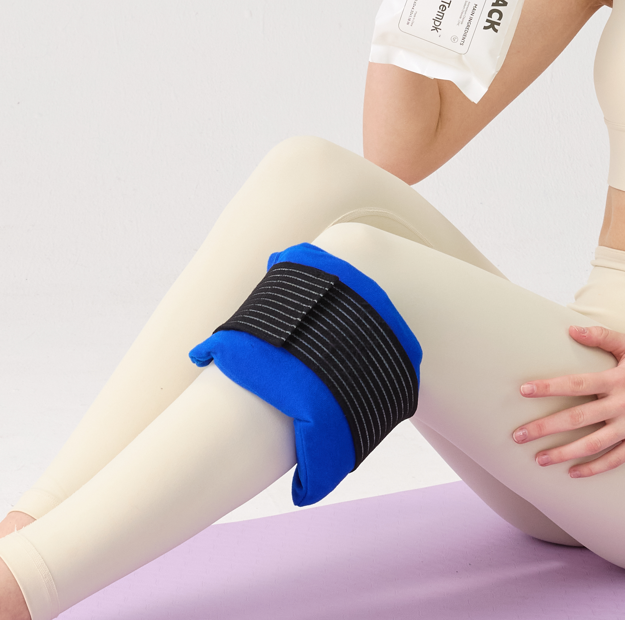
Rumah sakit sering kali menginginkan tas yang tetap lentur saat dingin, mendistribusikan suhu secara merata, dan cocok dengan area anatomi seperti bahu, lutut, punggung, atau situs IV. Dalam konteks ini, kenyamanan, permukaan akhir, dan kemudahan pembersihan sama pentingnya dengan berapa lama kemasannya tetap dingin.
Kantong yang terasa terlalu kaku setelah dibekukan atau timbul titik dingin yang sangat keras dapat menyebabkan pengalaman pasien yang buruk dan kerja ekstra sebagai perawat. Membentuk, distribusi gel, Oleh karena itu, kompatibilitas selongsong patut mendapat perhatian selama kualifikasi pemasok.
Pasokan pusat dan penanganan lingkungan
Sebuah rumah sakit juga membutuhkan pengulangan. Paket mungkin dibekukan di satu area, dikeluarkan di lantai lain, dibersihkan setelah digunakan, dan kembali untuk pasien berikutnya. Artinya, bahan tersebut harus tahan terhadap penanganan yang sering dan rutinitas sanitasi yang realistis.
Jika paket tersebut digunakan untuk satu pasien, pengemasan dan pelabelan harus memperjelas hal itu. Jika dimaksudkan untuk penggunaan berulang, staf memerlukan aturan inspeksi praktis untuk kebocoran, kerusakan jahitan, atau degradasi permukaan.
Logistik layanan kesehatan tetapi tidak memiliki kualifikasi rantai dingin penuh
Beberapa fasilitas menanyakan apakah paket gel termal yang sama juga dapat mendukung transfer penyakit dalam atau penanganan spesimen. Terkadang itu bisa membantu, namun hal itu tidak menjadikannya sebagai pengirim obat-obatan yang memenuhi syarat. Paket terapi adalah bantuan pelindung suhu, bukan pengganti otomatis untuk sistem pengiriman terisolasi yang terdokumentasi.
Ketika obat-obatan, produk darah, atau spesimen laboratorium terlibat, rute, kisaran suhu, dan aturan kepatuhan masih memerlukan evaluasi tersendiri.
Daftar periksa pemasok yang praktis sebelum peningkatan skala
Saat pembeli rumah sakit, tim pengadaan klinis, dan distributor layanan kesehatan membeli dalam jumlah besar, percakapan pemasok terbaik bersifat rinci dan spesifik. Ini harus mencakup dimensi dalam penggunaan yang dikondisikan, pilihan bahan, kualitas penutupan atau jahitan, menangani stres, ketertelusuran banyak, dan petunjuk praktis yang diperlukan bagi orang-orang yang akan membeku, mengemas, bergerak, membersihkan, atau menerima produknya. Daftar pendek yang dibuat berdasarkan poin-poin tersebut biasanya lebih dapat diandalkan dibandingkan daftar panjang yang hanya didasarkan pada harga dan MOQ.
Kebanyakan kesalahan pembelian terjadi ketika tim membandingkan paket sebelum mereka menuliskan kebutuhan pengoperasian sebenarnya. Untuk pengadaan rumah sakit, terapi panas/dingin perawatan pasien, dan penanganan kesehatan internal, keputusan harus dimulai dengan apakah paket tersebut ditujukan untuk terapi kontak pasien, dukungan transportasi, atau keduanya, kemudian beralih ke kelenturan setelah pengkondisian dan seberapa merata dingin atau panas didistribusikan ke seluruh permukaan, kemampuan bersih, kompatibilitas penghapusan, dan apakah paket tersebut dapat mentolerir fasilitas rutin, dan realitas penanganan di balik ketertelusuran lot, pelabelan, dan dokumentasi yang diharapkan oleh pengadaan rumah sakit. Jika pengiriman atau kasus penggunaan memiliki pengguna akhir yang terlihat, evaluasi juga harus mencakup ketersediaan berbagai bentuk dan ukuran yang sesuai dengan protokol klinis sebenarnya. Urutan tersebut membuat diskusi terikat pada hasil rute dan bukan pada bahasa katalog.
Tanyakan apakah produk tersebut dijual ke tempat layanan kesehatan yang diatur dan dokumentasi apa yang menyertai setiap lot.
Alat pengambilan keputusan yang berguna
Periksa detailnya sebelum Anda memilih kemasan
Alat cepat ini dapat membantu Anda membandingkan risiko rute, kebutuhan ukuran, pilihan pendingin, dan detail kemasan sebelum Anda meminta penawaran.
Pemeriksa Risiko Rute
Tinjau kondisi jalur sebelum memilih kemasan untuk mengetahui kebutuhan pengoperasian sebenarnya.
Periksa risiko rutePendingin & Referensi PCM
Bandingkan opsi cairan pendingin dan PCM ketika suatu rute memerlukan dukungan suhu tambahan.
Bandingkan pilihanPelapis Kotak & Ukuran Penutup Palet
Centang kotak logika ukuran penutup palet dan liner untuk proyek pengemasan berinsulasi.
Perkiraan ukuranMinta deskripsi bahan untuk lapisan luar film atau antarmuka tekstil dan pastikan apakah bahan tersebut bebas lateks atau disaring untuk persyaratan fasilitas umum.
Periksa bagaimana perilaku paket setelah dibekukan: lembut, semi-kaku, atau kaku. Hal ini mengubah kenyamanan dan kebugaran pasien.
Konfirmasikan instruksi pembersihan dan apakah pencetakan permukaan, lengan baju, atau jahitan tahan terhadap pembersihan berulang kali.
Verifikasi pelabelan karton, konsistensi satuan ukuran, dan dukungan ketertelusuran untuk sistem inventaris rumah sakit.
Jika produk tersebut dipasarkan sebagai alat kesehatan pada target pasar Anda, meminta registrasi yang berlaku, pernyataan, atau dokumen kesesuaian.
Jalankan uji coba pengguna tingkat lingkungan sebelum peluncuran penuh. Tim perawat sering kali mengidentifikasi masalah penanganan yang tidak terlihat dalam rapat pembelian.
Untuk pengadaan jangka panjang, pengendalian perubahan sama pentingnya dengan kinerja lintasan pertama. Pembeli harus mengetahui apa yang terjadi jika pemasok mengubah struktur film, kelas resin, mengisi formulasi, pola segel, karya seni, atau tempat produksi. Jika perubahan tersebut tidak dikomunikasikan dan dievaluasi kembali, seorang pilot yang sukses dapat beralih ke hasil produksi yang kurang dapat diandalkan tanpa ada yang menyadarinya hingga keluhan lapangan dimulai.
Poin kualifikasi dan dokumentasi yang penting
Iso 13485 banyak digunakan sebagai tolok ukur manajemen mutu untuk desain dan pembuatan peralatan medis. Jika paket gel termal dipasarkan sebagai perangkat medis atau dijual ke saluran layanan kesehatan yang dikontrol ketat, pembeli sering kali mencari disiplin sistem mutu jenis ini karena mendukung ketertelusuran, pengendalian risiko, dan produksi yang konsisten.
Di Eropa, jika produk tersebut benar-benar dipasarkan sebagai alat kesehatan, pembeli juga harus mengharapkan dokumentasi penandaan CE yang sesuai untuk tujuan penggunaan tersebut. Peringatan penting adalah tujuan yang dimaksudkan: tidak semua cold pack merupakan perangkat medis hanya karena digunakan dalam perawatan kesehatan.
Untuk pengangkutan obat atau sampel internal rumah sakit, ingat bahwa paket gel masih hanya satu komponen. Paket terapi saja tidak memenuhi persyaratan yang sama dengan sistem transportasi berinsulasi atau berkualitas yang terdokumentasi.
Paket data pemasok yang berguna biasanya mencakup dimensi yang dikondisikan, berat atau kisaran pengisian nominal, deskripsi bahan, instruksi pengkondisian, jendela penggunaan yang direkomendasikan, panduan penyimpanan, dan informasi pengujian yang relevan tentang kebocoran, daya tahan, atau kinerja rute. Untuk program yang diatur atau sensitif terhadap kualitas, pembeli seringkali juga menginginkan keterlacakan lot, kontrol revisi pada spesifikasi dan karya seni, dan pernyataan yang jelas tentang apa yang telah divalidasi oleh pemasok versus apa yang masih memerlukan kualifikasi khusus rute oleh pihak pengirim.
Kualifikasi harus mencerminkan jalur yang sebenarnya Anda rencanakan untuk dijalankan. Itu berarti menentukan suhu muatan saat pengemasan, jumlah dan lokasi refrigeran, konfigurasi isolasi, durasi transit yang diharapkan, dan profil eksposur paling kredibel. Pencatat suhu atau alat pemantauan lainnya membantu memastikan apakah paket tersebut melindungi kisaran target di lokasi yang paling hangat dan paling rentan, tidak hanya di pusat geometris pengirim.
Tim rumah sakit sering kali mendapat manfaat dari pengujian yang melampaui durasi nominal panas atau dingin. Pemeriksaan yang berguna mencakup kelenturan setelah pengkondisian, suhu permukaan terasa, toleransi penghapusan, keandalan jahitan, dan apakah bungkusan tersebut tetap mempertahankan bentuknya setelah digunakan berulang kali di dalam gerobak, bangsal, dan ruang perawatan.
Untuk pengadaan, tinjauan sampel harus melibatkan rutinitas klinis yang sebenarnya. Paket yang nyaman digunakan dalam demonstrasi desktop mungkin menjadi tidak praktis jika terlalu kaku setelah dibekukan, terlalu berat untuk penanganan rutin di samping tempat tidur, atau terlalu rapuh untuk pengangkutan berulang antar departemen.
Pertanyaan umum
Apa yang membuat paket gel termal cocok untuk digunakan di rumah sakit?
Keseimbangan kinerja termal yang tepat, kenyamanan pasien, kemampuan bersih, keterlacakan, dan dokumentasi. Kesesuaian rumah sakit adalah tentang pengendalian alur kerja, bukan hanya seberapa dingin bungkusan itu.
Apakah penggunaan rumah sakit secara otomatis berarti paket tersebut adalah alat kesehatan?
TIDAK. Status peraturan bergantung pada tujuan yang dimaksudkan dan bagaimana produk ditempatkan di pasar. Pembeli harus meminta pemasok untuk mendefinisikan status tersebut dengan jelas.
Dapatkah satu paket gel rumah sakit memenuhi kebutuhan terapi dan pengiriman?
Terkadang hal itu dapat mendukung kedua peran tersebut, namun keduanya tidak boleh diperlakukan sebagai aplikasi yang identik. Pengangkutan obat-obatan atau spesimen biasanya memerlukan evaluasi dan dokumentasi kemasan terpisah.
Kata terakhir
Untuk pengadaan rumah sakit, paket gel termal yang tepat adalah yang sesuai dengan protokol klinis, bertahan dari rutinitas sanitasi, dan dilengkapi dengan dokumentasi yang jelas. Dalam perawatan kesehatan, kegunaan dan ketertelusuran sama pentingnya dengan retensi suhu.
Hasil pengadaan yang paling kuat biasanya berasal dari pencocokan zat pendingin dengan rute atau kasus penggunaan yang tepat, kemudian menguji hasilnya dalam kondisi realistis, dan terakhir memilih pemasok yang dapat mereproduksi hasil tersebut secara konsisten. Pendekatan itu lebih lambat dibandingkan membeli berdasarkan deskripsi katalog, namun biasanya jauh lebih murah dibandingkan pemecahan masalah kegagalan setelah peluncuran.
Tentang Tempk
Dan Tempk, kami bekerja di seberang Kemasan yang dikendalikan suhu dan kategori produk terkait termoterapi pribadi. Situs web kami menyajikan paket gel dan solusi berbasis PCM bersama dengan produk pengiriman berinsulasi dan sumber daya pengembangan khusus. Perpaduan tersebut berguna ketika pembeli layanan kesehatan membutuhkan pemasok yang memahami desain kemasan praktis dan alur kerja manajemen suhu yang lebih luas di sekitarnya..
Langkah selanjutnya
Jika Anda meninjau pemasok, meminta usulan yang sesuai dengan tujuan penggunaan, pengkondisian rutin, format kemasan, dan tingkat dokumentasi yang sebenarnya Anda perlukan.