Obat Kemasan rantai dingin harus mengendalikan dua risiko yang berlawanan pada saat yang bersamaan: pemanasan dan pembekuan. Banyak obat-obatan yang didinginkan, vaksin, Biologi, dan bahan klinis diberi label untuk penyimpanan 2-8°C. Pengiriman yang terlalu hangat mungkin ditolak. Kiriman yang menyentuh beku Paket gel secara langsung juga dapat rusak karena pembekuan.
Artikel ini menjelaskan cara merancang kemasan tanpa beku pada suhu 2-8°C untuk pengiriman obat. Ini menggunakan tempat penyimpanan vaksin resmi dari CDC sebagai titik referensi, namun setiap pengiriman farmasi harus mengikuti label produk tertentu, data stabilitas, perjanjian kualitas, dan peraturan yang berlaku.
Kisaran referensi 2-8°C
Panduan penyimpanan vaksin CDC memberikan penyimpanan di lemari es pada suhu 2°C hingga 8°C / 36° F hingga 46 ° F.. Ini juga memberikan penyimpanan freezer pada -50°C hingga -15°C dan ultra-penyimpanan dingin pada -90°C hingga -60°C untuk produk yang memerlukan kondisi tersebut. Kisaran ini menunjukkan mengapa kemasan farmasi harus dimulai dengan persyaratan produk yang tepat dan bukan permintaan “dingin” yang umum.
Untuk obat berlabel 2-8°C, paket tersebut tidak boleh dirancang sebagai kiriman beku. Tujuannya adalah pendinginan terkontrol tanpa paparan langsung terhadap pembekuan.
Tabel perencanaan suhu farmasi
| Jenis pengiriman | Rentang referensi tipikal | Masalah pengemasan utama | Respon desain |
|---|---|---|---|
| Obat atau vaksin yang didinginkan | 2° C hingga 8 ° C. / 36° F hingga 46 ° F., bila didukung oleh label produk dan referensi CDC untuk vaksin. | Pemanasan selama transit dan pembekuan akibat kontak dengan cairan pendingin yang membeku. | Ruang tanpa pembekuan, PCM atau pendingin terkondisi, Data Logger, instruksi yang divalidasi. |
| Produk farmasi beku | Perangkat vaksin CDC merujuk pada penyimpanan freezer pada suhu -50°C hingga -15°C untuk beberapa kondisi penyimpanan vaksin. | Mempertahankan kisaran beku tanpa pencairan yang tidak terkendali. | Paket beku, pengirim yang kompatibel dengan freezer, validasi khusus rute. |
| Produk sangat dingin | Perangkat vaksin CDC merujuk pada suhu -90°C hingga -60°C untuk kondisi penyimpanan sangat dingin. | Sumber dingin khusus dan penanganan ketat. | Gunakan kemasan ultra-dingin khusus produk dan proses terlatih. |
| Sampel klinis atau biologis | Kisaran tergantung pada tes, mencicipi, atau kebutuhan biologis. | Integritas sampel, rantai pengawasan, risiko penundaan. | Ikuti protokol laboratorium dan paket yang divalidasi. |
Mengapa obat-obatan membeku dalam pengiriman “dingin”.
Kesalahan umum adalah menempatkan kemasan gel beku langsung di atas obat. Udara di dalam kotak mungkin berada dalam kisaran rata-rata sementara permukaan produk di sebelah kemasan gel turun di bawah batas minimum yang diizinkan. Ini adalah masalah paparan pembekuan lokal. Ini mungkin tidak terlihat kecuali penempatan data logger menangkapnya.
Risiko lain terjadi selama pengiriman musim dingin. Sebuah paket dapat terkena suhu luar ruangan yang dingin, kendaraan yang tidak dipanaskan, atau tempat tinggal dermaga yang panjang. Paket yang dirancang hanya untuk pemanasan musim panas mungkin gagal karena membeku di musim dingin.
Prinsip desain kemasan tanpa pembekuan
| Prinsip desain | Mengapa itu penting |
|---|---|
| Pisahkan cairan pendingin dari produk | Mencegah kontak langsung dengan beku dan titik dingin lokal. |
| Gunakan ruang produk yang ditentukan | Menjaga muatan di zona terkendali dan tidak menyentuh dinding atau cairan pendingin. |
| Pilih PCM atau cairan pendingin yang dikondisikan dengan hati-hati | PCM dapat membantu mengontrol suhu mendekati rentang fase yang dipilih jika ditentukan dengan benar. |
| Gunakan pembagi, lengan baju, atau buffer | Mengurangi suhu ekstrem di dekat obat. |
| Kondisikan semua komponen terlebih dahulu | Pengkondisian cairan pendingin yang tidak tepat dapat menimbulkan risiko pembekuan atau pemanasan. |
| Tempatkan pencatat data dengan cerdas | Tangkap poin risiko produk, bukan hanya ruang udara terhangat. |
| Dokumentasikan urutan paket | Staf gudang harus mengulangi tata letak yang diuji dengan tepat. |
Paket gel, Paket PCM, dan es batu untuk obat
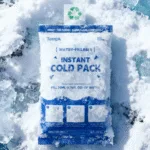
Kemasan gel beku standar mungkin cocok untuk beberapa pengiriman medis hanya jika kemasan tersebut mencegah paparan beku langsung dan data pengujian mendukung desain tersebut.. FedEx mencatat bahwa cairan pendingin juga dapat digunakan sebagai heat sink pada suhu kamar untuk mencegah produk membeku. Ini adalah pengingat yang berguna: tidak semua cairan pendingin dalam kemasan obat harus dibekukan. Beberapa paket menggunakan pendingin yang dikondisikan, buffer yang dipentaskan, atau paket PCM untuk mengurangi risiko pembekuan.
Paket PCM sering digunakan dalam desain farmasi karena bahan pengubah fasa menyerap dan melepaskan panas selama perubahan fasa. Ketika suhu transisi dan proses pengkondisian PCM sesuai dengan kebutuhan produk, kemasannya mungkin memiliki jangkauan yang lebih sempit daripada sistem kemasan gel beku sederhana. Namun, PCM tidak secara otomatis aman. Pengkondisian yang salah atau titik perubahan fasa yang salah masih bisa gagal.
Alat pengambilan keputusan yang berguna
Periksa detailnya sebelum Anda memilih kemasan
Alat cepat ini dapat membantu Anda membandingkan risiko rute, kebutuhan ukuran, pilihan pendingin, dan detail kemasan sebelum Anda meminta penawaran.
Referensi Bahan Isolasi
Bandingkan pilihan bahan insulasi untuk kebutuhan pengemasan rantai dingin yang berbeda.
Bandingkan bahanPelapis Kotak & Ukuran Penutup Palet
Centang kotak logika ukuran penutup palet dan liner untuk proyek pengemasan berinsulasi.
Perkiraan ukuranKalkulator Paket Es
Perkirakan jumlah paket es gel untuk pengiriman dingin dan perencanaan rute yang praktis.
Perkirakan kantong esPembeli dokumentasi harus meminta
| Dokumen atau kontrol | Tujuan |
|---|---|
| Instruksi paket | Menunjukkan pengkondisian cairan pendingin yang tepat, urutan pengepakan, posisi produk, dan metode penutupan. |
| Laporan atau kurva pengujian suhu | Memberikan bukti bahwa paket tetap berada dalam kisaran yang diinginkan dalam kondisi yang ditentukan. |
| Rencana penempatan pencatat data | Menunjukkan di mana bukti suhu dikumpulkan. |
| SDS materi atau deklarasi | Mendukung tinjauan kualitas dan peraturan paket gel, Paket PCM, liner, dan bahan pengirim. |
| Menerima daftar periksa | Membantu penerima memutuskan apakah kiriman harus diterima, dikarantina, atau ditinjau. |
| Aturan kontrol perubahan | Mencegah perubahan ukuran kotak yang tidak disetujui, kuantitas pendingin, liner, atau urutan paket. |
Cara menguji kemasan 2-8°C
Pengujian harus menggunakan muatan produk akhir atau pengganti massa termal yang realistis, komponen pengemasan akhir, pendingin yang dikondisikan, ukuran kotak akhir, dan urutan paket yang diinginkan. Pencatat data harus ditempatkan di tempat yang risikonya berarti: dekat produk, dekat kemungkinan tempat dingin, dan terkadang di ruang udara. Pengujian yang hanya mengukur udara sekitar di dalam kotak dapat melewatkan risiko pembekuan kontak langsung.
Sebelum digunakan rutin, Panduan penyimpanan vaksin CDC merekomendasikan pemeriksaan dan pencatatan suhu minimum dan maksimum untuk unit dengan pengatur suhu selama beberapa hari hingga stabil. Untuk kemasan pengiriman, pola pikir yang sama berlaku: jangan mengandalkan asumsi. Verifikasi bahwa sistem stabil dan dapat diulang sebelum pengiriman produk langsung.
Standar ISTA 20 dan 7E dapat dipertimbangkan ketika pelanggan memerlukan pengujian transportasi termal standar. Profil ISTA 7E didasarkan pada data suhu transportasi dunia nyata dan mencakup profil paparan panas dan dingin. Hal ini dapat berguna untuk pengembangan kemasan farmasi yang terdokumentasi, namun persyaratan spesifik produk selalu diutamakan.
FAQ
Bisakah saya mengirimkan obat dengan kemasan gel beku?
Hanya jika kemasan yang diuji mencegah paparan langsung terhadap pembekuan dan menjaga produk dalam kisaran yang disyaratkan. Banyak produk bersuhu 2-8°C dapat rusak karena pembekuan lokal.
Apakah paket PCM diperlukan untuk pengiriman obat pada suhu 2-8°C??
Tidak selalu. Paket PCM berguna ketika rentang suhu yang sempit atau desain tanpa pembekuan diperlukan, tapi keputusan akhir tergantung pada label produk, rute, tahan waktu, dan validasi.
Di mana pencatat suhu harus ditempatkan?
Tempatkan di tempat yang mencerminkan risiko produk. Untuk desain tanpa pembekuan, setidaknya satu logger harus membantu mendeteksi titik dingin di dekat permukaan cairan pendingin atau produk, tidak hanya udara hangat di dekat tutupnya.
Bisakah kemasan makanan digunakan kembali untuk pengiriman farmasi?
Biasanya bukan tanpa ulasan. Pengiriman farmasi memerlukan kontrol suhu khusus produk, dokumentasi, analisis tanpa pembekuan, dan instruksi pengepakan yang divalidasi.
Kesimpulan terakhir
Pengiriman obat pada suhu 2-8°C harus dirancang untuk mencegah pemanasan dan pembekuan. Gunakan label produk sebagai persyaratan pengendalian, memisahkan cairan pendingin dari muatannya, pertimbangkan PCM atau cairan pendingin yang dikondisikan bila diperlukan, mendokumentasikan urutan paket, dan validasi paket lengkap dengan pemantauan suhu yang sesuai.