A 2-8°C label defines a product condition; it does not define the box, pendingin, payload arrangement or allowable shipping duration. Vaksin kemasan pengiriman must hold the approved product limits across the intended route while preventing local freezing, perolehan panas, physical damage and handling errors. Approval should therefore apply to a complete packout and operating procedure, not to an empty wadah terisolasi.
Product-specific instructions come first. The CDC Vaccine Storage and Handling Toolkit directs United States providers to the manufacturer's package insert for FDA-approved vaccines and to the applicable provider fact sheet for products under an emergency authorization. The WHO international vaccine shipping guidelines address international shipping, sebagian besar melalui udara. Each source has a defined scope; neither replaces the authorized instructions for the vaccine being shipped.
Define the vaccine and route requirements
Before requesting packaging, the product owner or quality team should approve a shipment requirement. A generic request for a vaccine cooler with a 2-8°C claim omits the information that determines whether the packout can be qualified.
| Masukan | Required detail | Decision affected |
|---|---|---|
| Vaccine identity | Produk, presentasi, konfigurasi karton, diluent and governing instructions | Confirms the actual temperature and handling limits |
| Lower limit risk | Freeze sensitivity and any restriction on contact with frozen surfaces | Drives coolant conditioning, barriers and cold-point testing |
| Kisaran muatan | Minimum and maximum quantity, ukuran, mass and thermal mass | Changes cavity layout and worst-case temperature response |
| Route window | Packing to controlled receipt, including carrier and customs delay | Sets the qualification duration and reserve |
| Paparan sekitar | Hot and cold profiles, musim, kendaraan, dock and airside exposure | Determines whether separate seasonal configurations are needed |
| Receiving process | Ulasan penebang, karantina, handoff and excursion authority | Defines the evidence required before product disposition |
Do not combine different vaccines in one qualified load merely because their cartons carry the same nominal range. Their freeze sensitivity, presentasi, perlindungan cahaya, diluent handling or authorized transport conditions may differ.
Treat the packout as one system
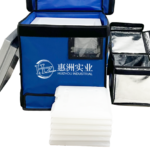
The insulated enclosure slows heat transfer. Coolant or PCM supplies thermal capacity. Separators and a product basket manage local contact and payload movement. The outer carton and closure protect the assembly. A temperature monitoring device records conditions at selected points. None of these components, dengan sendirinya, proves that the vaccine stayed within its approved limits.
| Elemen sistem | Pekerjaan utama | Common approval mistake |
|---|---|---|
| Pengirim terisolasi | Limit heat gain and loss | Using a material datasheet as a route-performance claim |
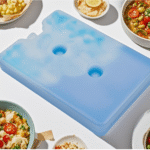
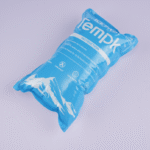
| Pendingin atau PCM | Absorb or release heat within a defined preparation state | Selecting by the word cold rather than by product limits |
| Barrier and payload support | Prevent direct contact and keep the load in the tested position | Treating dividers as optional packing material |
| Instruksi pengepakan | Reproduce conditioning, kuantitas, sequence and closure | Allowing operators to improvise the layout |
| Pemantau suhu | Record the condition at its measurement location | Assuming one central logger proves the absence of cold spots |
Control heat and freezing together
Adding more frozen coolant can extend resistance to warm ambient exposure while increasing the risk near coolant faces. Reducing coolant can lower that cold-contact risk but shorten protection during delay. The design must balance both failure modes under the same approved specification.
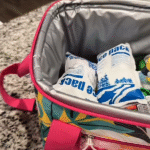
For non-emergency transport by United States vaccine providers, itu 2026 CDC toolkit recognizes qualified containers and packouts with a temperature monitoring device and discusses PCMs conditioned between 4°C and 5°C. It also warns against reusing frozen Paket gel atau paket pendingin from original shipments for refrigerated vaccine transport. These instructions are specific to the toolkit's provider context and should not be converted into a universal commercial shipping formula.
WHO guidance for immunization programs distinguishes frozen, dikondisikan, cool and warm water packs according to the vaccine and operating context. Its passive-container and coolant guidance aims to reduce freezing risk in in-country transport and outreach. A commercial shipper should use the product instructions and its own approved qualification protocol rather than copy a field packout without review.
Qualify the hot and cold route risks
The WHO shipping-container qualification supplement recommends a route risk assessment before testing and documentation of coolant conditioning, pemuatan produk, monitor locations and the full assembly. It also recommends representative minimum and maximum payloads and consideration of the transport route, mode, profil dan durasi sekitar.
Alat pengambilan keputusan yang berguna
Periksa detailnya sebelum Anda memilih kemasan
Alat cepat ini dapat membantu Anda membandingkan risiko rute, kebutuhan ukuran, pilihan pendingin, dan detail kemasan sebelum Anda meminta penawaran.
Pembuat Daftar Periksa Kepatuhan
Buatlah daftar periksa praktis untuk tinjauan kemasan, pengiriman, dan dokumentasi.
Buat daftar periksaPendingin & Referensi PCM
Bandingkan opsi cairan pendingin dan PCM ketika suatu rute memerlukan dukungan suhu tambahan.
Bandingkan pilihanPelapis Kotak & Ukuran Penutup Palet
Centang kotak logika ukuran penutup palet dan liner untuk proyek pengemasan berinsulasi.
Perkiraan ukuranA useful protocol defines:
- The approved product temperature range and any allowed excursion conditions.
- The exact shipper and every component in the packout.
- Payload or representative surrogate, including minimum and maximum loads.
- Tipe pendingin, kuantitas, preparation range and placement.
- Hot and cold ambient profiles with a justified duration.
- Lokasi sensor, calibration status and logging interval.
- Mechanical handling checks when distribution stress could alter the package.
- Preapproved acceptance criteria, deviation handling and report approvals.
Cold-profile testing matters even when the business concern began with summer heat. A packout that performs in a hot chamber can overcool the payload during winter staging, in an unheated vehicle or beside deeply chilled media. Low payloads also deserve attention because their lower thermal mass can respond faster to the surrounding packout.
Place monitors to answer the release question
A central logger can show the condition at the center of the load, but it may miss a cold point near a coolant face or a warm point beside a lid joint. Development testing should map enough locations to identify the likely extremes. Routine monitoring can then use positions justified by that evidence and by the receiving decision.
The monitoring plan should state who starts and stops the device, di mana ia ditempatkan, how data are retrieved, yang mengulas alarm, and who has authority to quarantine or release the product after an excursion. A packaging supplier can explain the thermal system; product disposition remains a quality decision based on the vaccine's authorized information and stability evidence.
Turn qualification into a packing procedure
The approved result only transfers to operations if the daily packout matches the tested one. The SOP should control coolant conditioning, payload preconditioning, urutan pemuatan, jangka pembagi garis, isi kosong, posisi monitor, penutup, Label, staging time and receiving handoff.
Training should include common failure modes: using the wrong pack type, mixing frozen and chilled media, loading fewer cartons without the approved filler arrangement, omitting a divider, moving the logger, or substituting a visually similar box. When reusable shippers are used, define cleaning, inspeksi, batas kerusakan, component replacement and requalification triggers.
Bandingkan bukti kualifikasi
Compare candidate systems against the same technical evidence fields:
- Usable payload cavity after all coolant and barriers are installed.
- Minimum and maximum qualified payloads.
- Coolant or PCM identity, massa, conditioning and storage method.
- Packout drawing and step-by-step assembly instruction.
- Test profiles, peta sensor, acceptance criteria and run results.
- Seasonal configuration rules and supported route duration.
- Critical material specifications and change-notification process.
- Contoh rencana, production inspection and operator training support.
Avoid comparing only external dimensions, insulation thickness or the longest advertised number of hours. The useful comparison is how closely each evidence package represents the intended vaccine, muatan dan rute.