Memilih a Paket Gel Dingin Distributor Distribusi Makanan Laut Tanpa Menebak
Pemasok paket gel dingin yang baik akan membantu Anda memecahkan masalah rute, tidak hanya mengutip harga satuan. Untuk distribusi makanan laut, itu berarti mencocokkan format paket dengan paparan suhu, pola pemuatan, alur kerja operator, dan tingkat dokumentasi yang sebenarnya dibutuhkan oleh proses pengadaan Anda.
Banyak pembeli memulai dengan naluri yang benar dan jalan pintas yang salah. Mereka fokus pada ukuran paket nominal, atau apakah kantong terasa lunak atau kaku, sebelum mereka memeriksa hal-hal yang biasanya menentukan hasil: latihan pengkondisian, jumlah paket, geometri kotak, integritas segel, mengubah kendali, dan sesuai dengan rute sebenarnya.
Pendekatan yang lebih baik adalah dengan memisahkan tiga pertanyaan. Pertama, pekerjaan apa yang dilakukan paket tersebut dalam sistem? Kedua, rincian teknis apa yang mengendalikan pekerjaan itu? Ketiga, pemasok mana yang dapat mereproduksi detail tersebut secara konsisten pada skala komersial? Itulah kerangka yang digunakan artikel ini.
Apa yang dipecahkan oleh produk ini dan apa yang tidak
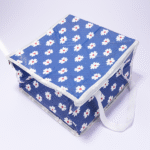
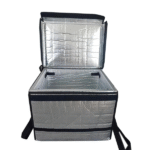
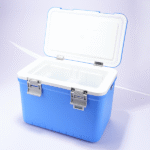
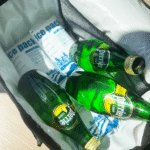
Pilek paket pendingin gel digunakan di dalam kotak dan tas jinjing makanan laut berinsulasi biasanya dipilih karena pembeli menginginkan retensi dingin yang lebih bersih dan dapat digunakan kembali daripada es lepas di banyak operasi. Pada ikan segar, kerang, dan distribusi makanan laut beku, yang dapat membuat paket lebih mudah ditempatkan, lebih mudah untuk dihitung, atau lebih mudah untuk diintegrasikan dengan pengirim yang terisolasi.
Format paket gel umum mencakup berbagai rasio pengisian, film kantong, pola segel, dan bentuk panel. Dua produk dapat terlihat serupa di atas kertas dan berperilaku sangat berbeda di lapangan. Itu sebabnya pembeli harus membandingkan spesifikasi lengkapnya, bukan hanya nama paketnya.
Batasan pentingnya adalah ini: paket hanyalah salah satu bagian dari sistem. Untuk makanan laut, kualitas tanda terima sama pentingnya dengan kualitas transit karena pembeli melihat adanya kebocoran, bau, dan kebersihan kotak segera. Jika rutenya panjang, panas, sangat bervariasi, atau diatur, pembeli masih perlu meninjau isolasi, beban produk, pengkondisian, penanganan, dan harapan penerima.
- Gunakan nama paket sebagai titik awal, bukan sebagai bukti kesesuaian rute.
- Cocokkan format dengan tata letak kotak dan alur kerja operator, tidak hanya pada kategori produk.
- Tanyakan paket apa yang dirancang untuk dilakukan setelah pengkondisian, pencairan sebagian, dan tanda terima.
Cocokkan format dengan rute, produk, dan pola penanganannya
Kesesuaian rute lebih penting daripada label katalog. Mulailah dengan pekerjaan yang harus dilakukan paket di seluruh jaringan prosesor, hub grosir, dan penanganan makanan laut pengiriman akhir: tahan pita suhu target, penyangga paku pendek, lapisan produk terpisah, atau menjaga muatan tetap stabil sampai diterima.
Rute makanan laut sangat sensitif terhadap kondisi produk dan penanganan. Makanan laut segar sering kali dikelola mendekati titik leleh es, sedangkan makanan laut beku membutuhkan jalur distribusi yang benar-benar beku. Itu membuat kebersihan, pengelolaan lelehan, pengendalian bau, dan presentasi tanda terima hampir sama pentingnya dengan durasi judul dingin. Pembeli harus memetakan tidak hanya waktu pengangkutan, tetapi juga penyimpanan pra-paket, waktu tinggal karton di dermaga, serah terima pembawa, jendela pengiriman, dan seberapa cepat penerima memeriksa kiriman. Sebuah paket mungkin terlihat memadai di ruang freezer dan masih berkinerja buruk setelah eksposur ekstra ditambahkan.
Paket yang sama mungkin bekerja dengan baik di satu jalur dan buruk di jalur lain. Pengiriman perkotaan yang singkat dengan penyerahan yang cepat dapat memberikan manfaat pada geometri paket yang ringkas dan pengemasan yang lebih cepat. Rute yang lebih panjang dengan paparan yang lebih panas mungkin menghasilkan lebih banyak massa termal, lebih banyak isolasi, atau strategi refrigeran yang berbeda sama sekali.
- Kotak makanan laut segar yang memerlukan presentasi bersih yang dapat diprediksi saat pengiriman.
- Program tas jinjing yang dapat digunakan kembali di mana kemasan bersirkulasi melalui langkah pencucian atau pemulihan.
- Distribusi makanan laut beku di mana paket dingin berfungsi sebagai pendingin tambahan dan bukan satu-satunya solusi.
Detail teknis yang membedakan satu pemasok dengan pemasok lainnya
Paket dingin yang terlihat mirip pada pandangan pertama bisa berbeda dalam beberapa hal. Ketebalan film, lebar segel, rasio pengisian, bentuk kantong, desain sudut, dan sistem gel internal semuanya memengaruhi cara kemasan membeku, mencair, melenturkan, dan bertahan dari dampak.
Kebanyakan pembeli mendapat manfaat dari mengajukan pertanyaan sederhana namun terbuka. Apakah paket tetap stabil secara dimensional setelah dikondisikan? Apakah permukaan menjadi rapuh pada suhu rendah? Apakah segel tetap utuh setelah dijatuhkan, kompresi, dan penanganan gudang rutin? Berapa banyak massa dingin yang sebenarnya tersedia dalam format yang dipilih?
Dalam kategori ini, sampel yang paling berguna bukanlah sampel yang tercantik. Ini adalah salah satu yang berperilaku konsisten setelah siklus beku-cair, pengepakan tangan, menumpuk, dan pemeriksaan penerimaan. Di sinilah perbedaan dalam pengendalian manufaktur menjadi terlihat.
- Periksa berat isi sebenarnya, tidak hanya ukuran nominal.
- Tinjau kualitas film dan segel setelah pengkondisian suhu rendah.
- Konfirmasikan bagaimana paket tersebut dimaksudkan untuk ditempatkan di dalam sistem terisolasi.
- Tanyakan apakah spesifikasi sampel dikunci sebelum peningkatan skala.
Jaga agar bahasa kepatuhan tetap tepat
Paket makanan laut yang tepat bervariasi menurut negara bagian produk, waktu rute, dan kondisi penanganan. Paket gel dingin mungkin cocok, tapi itu harus dipilih sebagai bagian dari keseluruhan sistem terisolasi. Pembeli harus bertanya kepada pemasok untuk menjelaskan dengan tepat tujuan dari kemasan tersebut, dokumen pendukung apa yang tersedia, dan apa yang masih harus dibuktikan dalam sistem pengirim yang lengkap. Perbedaan tersebut mencegah cold pack biasa terjual secara berlebihan sebagai solusi pengiriman yang sepenuhnya memenuhi syarat.
Ini adalah salah satu kesalahan pembelian yang paling umum Kemasan rantai dingin: sebuah tim menemukan bungkusan yang sepertinya dingin, dan kemudian berasumsi bahwa paket itu sendiri membawa keseluruhan cerita kepatuhan. Pada kenyataannya, Pengiriman yang diatur atau sensitif terhadap kualitas biasanya bergantung pada konfigurasi pengemasan yang lengkap, instruksi penanganan, dan kualifikasi rute.
Untuk pengadaan, pertanyaan praktisnya bukanlah apakah pemasok dapat mengucapkan kata-kata yang tepat. Pertanyaannya adalah apakah pemasok dapat memberikan informasi tujuan penggunaan yang jelas, spesifikasi stabil, dan detail teknis yang diperlukan untuk tinjauan internal Anda sendiri, pengujian, atau alur kerja persetujuan.
- Minta bahasa yang dimaksudkan untuk digunakan yang cocok dengan pengiriman sebenarnya.
- Pisahkan kemampuan cold-pack dari kualifikasi pengirim penuh.
- Putuskan terlebih dahulu deklarasi atau dokumen teknis mana yang wajib.
Daftar periksa pemasok yang praktis
Percakapan dengan pemasok harus menjadi lebih spesifik segera setelah formatnya tampak menjanjikan. Diskusi distributor gel cold pack yang berguna beralih dari klaim yang luas ke detail yang terukur, ulasan sampel, penanganan pengaduan, dan pengendalian peningkatan skala.
Diskusi pemasok yang bermanfaat harus mencakup lebih dari sekadar MOQ dan waktu tunggu. Pembeli harus membandingkan cara pemasok mendefinisikan kemasannya, bagaimana mereka mengendalikan produksi, bagaimana menangani keluhan, dan apakah sampel percontohan kemungkinan akan cocok dengan uji komersial penuh.
Alat pengambilan keputusan yang berguna
Periksa detailnya sebelum Anda memilih kemasan
Alat cepat ini dapat membantu Anda membandingkan risiko rute, kebutuhan ukuran, pilihan pendingin, dan detail kemasan sebelum Anda meminta penawaran.
Kalkulator Ice Pack
Perkirakan jumlah paket es gel untuk pengiriman dingin dan perencanaan rute yang praktis.
Perkirakan kantong esPembuat Daftar Periksa Kepatuhan
Buatlah daftar periksa praktis untuk tinjauan kemasan, pengiriman, dan dokumentasi.
Buat daftar periksaPendingin & Referensi PCM
Bandingkan opsi cairan pendingin dan PCM ketika suatu rute memerlukan dukungan suhu tambahan.
Bandingkan pilihanKonsistensi sangat penting ketika pengepakan dilakukan berulang-ulang setiap hari. Perubahan kecil pada isi gel, pengukur film, ukuran, atau penyegelan dapat mengubah cara bungkusan membeku, bagaimana pas di dalam kotak, dan bagaimana penerima merasakan kiriman tersebut.
- Kemas daya tahan dalam penanganan basah dan kasar.
- Retensi dingin relatif terhadap ukuran kotak dan muatan produk.
- Kebersihan permukaan dan ekspektasi penahanan kebocoran.
- Ketersediaan dalam jumlah kasus berulang untuk program makanan laut reguler.
- Kontrol banyak, penanganan pengaduan, dan kebijakan penggantian.
- Apakah kemasan tetap stabil saat ditumpuk dengan nampan makanan laut atau kotak ikan.
Cara meninjau sampel tanpa melewatkan risiko tersembunyi
Tinjauan sampel harus meniru operasi sebenarnya sedekat mungkin. Kondisikan kemasan sesuai dengan rekomendasi pemasok, memuat produk sebenarnya atau pengganti yang realistis, dan gunakan isolasi yang sama, karton, dan pesanan pengepakan yang diharapkan dalam produksi.
Kemudian perhatikan apa yang terjadi pada titik-titik di mana kegagalan biasanya muncul: sebelum berkemas, setelah paket terakhir dimuat, setelah periode tinggal yang realistis, setelah penanganan transportasi rutin, dan ketika penerima membuka kiriman. Bagi banyak pembeli, pemeriksaan tersebut mengungkapkan lebih dari sekadar klaim waktu tunggu berita utama.
Tinjauan sampel juga harus mencakup sisi komersial. Apakah pemasok memberi label banyak dengan jelas? Bisakah operator mengidentifikasi paket dengan cepat? Apakah sampel yang disetujui menjadi spesifikasi yang terkunci?? Apakah ada proses yang terdokumentasi jika pemasok perlu mengganti film, gel, berat, atau lokasi produksi?
- Bekukan atau dinginkan sampel persis seperti yang diinstruksikan.
- Gunakan kotak asli, liner, dan jumlah paket bila memungkinkan.
- Catat bagaimana tampilan dan rasa paket saat diterima, bukan hanya suhu muatan.
- Tanyakan bagaimana persetujuan sampel diterjemahkan ke dalam pengendalian produksi.
Detail operasional yang menentukan apakah program dapat diperluas
Detail operasional kecil sering kali menentukan apakah program massal terasa efisien atau membuat frustrasi. Bagaimana bungkusnya? Berapa banyak ruang freezer yang mereka butuhkan? Apakah operator menempatkannya dengan cara yang sama setiap saat? Apakah penerima melihat clean, paket yang terorganisir atau kotak berantakan yang memicu keraguan?
Pertanyaan-pertanyaan tersebut terdengar praktis dan bukan teknis, namun hal ini mempengaruhi total biaya dan tingkat pengaduan. Dalam banyak kasus, paket pemenang bukanlah paket yang memiliki klaim kinerja paling berani. Itu adalah salah satu yang bisa disimpan di gudang, kondisi, tempat, dan menerima dengan lebih sedikit pengecualian.
Hal ini khususnya relevan untuk distribusi makanan laut, di mana keputusan pengemasan lebih menyentuh daripada suhu. Ini mempengaruhi kualitas penanganan, persepsi saat diterima, dan apakah proses tersebut dapat diulangi dengan lancar dalam skala besar.
- Tinjau ruang freezer, waktu pementasan, dan alur kerja operator sebelum membeli dalam jumlah besar.
- Pastikan jumlah paket dan penempatannya dapat diajarkan secara konsisten.
- Evaluasi kondisi kedatangan paket sebagai bagian dari pengambilan keputusan.
Biaya, Keberlanjutan, dan kesesuaian operasional
Distributor makanan laut semakin mengevaluasi tidak hanya durasi dinginnya, tapi apakah paket itu menyederhanakan penerimaan, pembersihan, dan mengembalikan alur kerja. Hal ini biasanya mengalihkan pembicaraan dari harga paket nominal ke total biaya paket keluar: waktu kerja, pemanfaatan karton, ruang freezer, tingkat pengaduan, pengiriman pengganti, dan apakah format yang dipilih menyederhanakan penerimaan.
Keberlanjutan juga memerlukan sudut pandang praktis. Kemasan yang lebih ringan tidak secara otomatis menjadi lebih ramah lingkungan jika meningkatkan pembusukan atau memaksa pengemasan yang berlebihan. Paket yang dapat digunakan kembali tidak secara otomatis lebih baik jika pengembaliannya tidak realistis. Keputusan keberlanjutan yang paling kuat biasanya datang dengan menyesuaikan paket dengan rute dengan cukup baik untuk menghindari pemborosan, sambil menjaga material dan membalikkan logistik tetap realistis.
Untuk tim yang membeli dalam jumlah besar, kesesuaian operasional sering kali merupakan saat nilai menang atau kalah. Paket yang disimpan dengan bersih, kondisi secara konsisten, memuat dengan cepat, dan menciptakan lebih sedikit pengecualian dapat mengungguli paket yang secara nominal lebih murah sehingga menyebabkan penerimaan keluhan atau hambatan tenaga kerja.
- Tinjau ruang freezer, kepadatan penyimpanan, dan waktu penanganan operator.
- Pertimbangkan pengaruh geometri paket pada pengisian karton dan ruang muatan.
- Perlakukan pengurangan limbah dan kinerja rute sebagai bagian dari keputusan yang sama.
Kesalahan umum yang membuat sampel bagus gagal dalam produksi
Sebagian besar masalah dalam pengadaan gel cold pack berasal dari ketidaksesuaian dan bukan karena cacat yang nyata. Paketnya mungkin dibuat dengan baik, tapi salah untuk rutenya, salah untuk tata letak karton, atau salah dalam asumsi pengadaan di balik proyek tersebut.
Pola kegagalan yang umum termasuk kesesuaian kotak yang buruk sehingga menciptakan kantong hangat, kebocoran atau segel rusak di lingkungan basah, dan dengan asumsi semua rute makanan laut memerlukan massa pendingin yang sama. Masalah ini biasanya muncul ketika tim menyetujui sampel terlalu cepat, mengabaikan detail pengkondisian, atau berasumsi bahwa kategori produk secara otomatis memprediksi kinerja paket.
Cara paling sederhana untuk menghindari masalah ini adalah dengan mengaitkan keputusan pada pengiriman sebenarnya: pita suhu yang diinginkan, durasi rute, profil lingkungan, alur kerja operator, kondisi penerimaan, dan dokumen pendukung yang sebenarnya dibutuhkan tim internal Anda.
- Jangan berasumsi jumlah paket yang sama berhasil di setiap musim.
- Jangan menyetujui sampel tanpa mengunci spesifikasi komersial.
- Jangan bingung antara komponen pendingin yang berguna dengan pengirim lengkap yang tervalidasi.
- Jangan abaikan bagaimana penerima akan melihat paket tersebut pada saat kedatangan.
Kesimpulan terakhir
Distributor gel cold pack terbaik adalah yang sesuai dengan pekerjaan yang sebenarnya perlu dilakukan oleh kemasan tersebut. Untuk distribusi makanan laut, itu berarti menghubungkan format, pengkondisian, desain kotak, kondisi rute, dan konsistensi pemasok dibandingkan memperlakukan cold pack sebagai komoditas generik.
Setelah bingkai itu jelas, daftar pendek biasanya menjadi lebih kecil dan lebih berguna. Pemasok yang dapat mendiskusikan kecocokan rute, dokumentasi, pengulangan, dan pengendalian sampel hingga produksi cenderung menjadi mitra yang lebih aman dibandingkan mereka yang hanya bersaing dalam bahasa label atau harga.
Tentang Tempk
Dan Tempk, kami fokus pada Gel Ice Packs, tas terisolasi, Kotak Epp, dan kemasan rantai dingin praktis lainnya untuk makanan dan distribusi yang sensitif terhadap suhu. Berdasarkan rangkaian produk publik kami, kami bekerja di seberang Kemasan yang dikendalikan suhu kategori yang mencakup paket gel, pengirim terisolasi, Solusi pendingin EPP, penutup palet, dan dukungan pemantauan suhu. Kami mencoba menjaga percakapan tetap praktis: cocokkan kemasan dengan rutenya, produk, dan kondisi penanganannya, daripada memperlakukan satu model paket sebagai jawaban terhadap setiap masalah rantai dingin.
Langkah selanjutnya
Jika Anda membandingkan pemasok, mulailah dengan pita suhu target Anda, durasi rute, dan format kotak. Mintalah contoh rencana dan rekomendasi berdasarkan rute sebelum Anda melakukan pemesanan massal.