Cara Mengirim Makanan Beku Tanpa Es Kering: Cara yang Lebih Baik untuk Memilih Paket
cara mengirimkan makanan beku tanpa es kering harus dipilih sebagai sistem rantai dingin yang spesifik rute, bukan sebagai pembelian material tunggal. Mulailah dengan persyaratan suhu produk, kemudian cocokkan isolasi, pendingin, ukuran karton, dokumentasi, dan menerima instruksi untuk pengiriman sebenarnya. Panduan yang dioptimalkan ini berfokus pada keputusan yang membantu merek makanan, produsen makanan, penjual online, dan tim logistik yang ingin menghindari penanganan es kering mengurangi kedatangan secara perlahan, hindari mengklaim kinerja secara berlebihan, dan bandingkan pemasok dengan pertanyaan yang lebih berguna.
Tentukan Janji Suhu Terlebih Dahulu
Pilihan terbaik adalah yang sesuai dengan sensitivitas produk, durasi rute, paparan lingkungan, dan kemampuan penerima untuk bertindak setelah melahirkan. alternatif es kering untuk pengiriman makanan beku, Paket gel untuk makanan beku adalah istilah pencarian yang berguna, tetapi keputusan pembelian harus dibuat berdasarkan bukti: tes sampel, dokumentasi pemasok, foto paket keluar, dan kriteria penerimaan yang jelas.
Untuk makanan pembuka beku, item roti, bungkus daging, porsi makanan laut, Paket es untuk kotak konsumen, dan sampel yang dapat melakukan perjalanan pada rute pendek yang dikendalikan, pertanyaan kemasan yang tepat bukanlah 'Bahan mana yang terbaik?' Ini adalah 'Kondisi apa yang harus dimiliki produk ketika penerima membuka paketnya?' Jawabannya mungkin melibatkan batas suhu numerik, suatu persyaratan kualitas, aturan penerimaan pelanggan, atau kondisi fisik sederhana seperti masih keras membeku. Semakin bernilai atau sensitif produk tersebut, semakin tepat janji ini seharusnya.
Rencana tanpa es kering harus dimulai dengan batas penerimaan produk. Beberapa kiriman hanya perlu tiba dalam keadaan kokoh dan aman untuk segera ditempatkan di freezer, sementara negara lain memerlukan target negara beku yang lebih ketat. Pernyataan ini termasuk dalam ringkasan pembelian. Ini memberi tahu pemasok apakah rute tersebut memerlukan pendingin, beku, sangat beku, atau pendekatan suhu campuran. Hal ini juga mencegah kesalahan umum dalam membeli insulasi sebelum menentukan apa yang harus dicapai oleh insulasi tersebut.
Bangun Sistem di Sekitar Risiko Rute
Keputusan cara mengirimkan makanan beku tanpa es kering yang berguna mencakup seluruh rute: pementasan freezer, waktu pengepakan, penjemputan operator, pusat penyortiran, tempat tinggal kendaraan, titik pengiriman, dan menerima pemeriksaan. Kotak itu hanyalah salah satu bagian dari rute itu. Pengiriman bisa gagal sebelum meninggalkan gudang jika muatan tidak sepenuhnya dikondisikan atau jika karton yang dikemas menunggu terlalu lama di luar penyimpanan dingin.
Risiko rute juga bersifat musiman. Paket yang berfungsi dalam cuaca sedang mungkin tidak berfungsi selama gelombang panas atau penundaan hari libur. Pembeli harus menentukan jalur yang disetujui, tingkat layanan yang disetujui, asumsi tinggal maksimum, dan apa yang harus dilakukan jika kiriman melewati jangka waktu pengiriman yang diharapkan. Hal ini sangat penting ketika rute panjang tidak terkendali, jalur parsel multi-hari musim panas, muatan ringan dengan massa termal rendah, dan es krim atau produk lain yang menunjukkan penurunan kualitas setelah pelunakan sebentar.
Program terkuat menggunakan bukti berlapis. Lembar data pemasok memberikan titik awal. Tes sampel menunjukkan apakah konfigurasi tersebut masuk akal. Uji coba rute menunjukkan bagaimana paket berperilaku di jalur logistik sebenarnya. Pemeriksaan kedatangan menunjukkan apakah operasional sehari-hari tetap mendekati resep yang disetujui.
Cocokkan Komponen dengan Pekerjaan yang Sebenarnya Dilakukannya
| Komponen | Apa yang dilakukannya dengan baik | Batasan yang tidak boleh diabaikan |
|---|---|---|
| Karton luar atau pengirim | Memberikan struktur, penanganan perlindungan, dan label permukaan | Tidak mengontrol suhu kecuali dipasangkan dengan insulasi dan zat pendingin |
| Liner atau kotak berinsulasi | Memperlambat perolehan panas dan melindungi terhadap paparan lingkungan | Tidak menimbulkan rasa dingin dan mungkin kehilangan nilainya jika jahitan atau tutupnya tidak tertutup rapat |
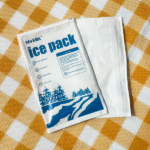
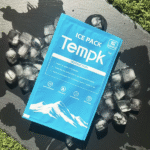
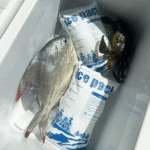
| Paket gel atau batu bata freezer | Menambah cadangan pendinginan dan menyederhanakan banyak pengemasan yang tidak berbahaya | Mungkin tidak cukup untuk rute yang panjang atau panas dan beku tanpa pengujian |
| Es kering | Memberikan pendinginan suhu rendah yang sangat kuat untuk pengiriman beku yang sesuai | Menyublim menjadi gas dan mungkin memerlukan ventilasi, tanda, dan penanganan khusus |
| Pencatat atau indikator suhu | Menciptakan bukti untuk peninjauan jalur dan menerima keputusan | Mencatat suhu tetapi tidak melindungi produk |
Perbandingan ini membuat keputusan tetap praktis. Komponen tidak dapat dipertukarkan hanya karena digunakan kemasan rantai dingin. Sebuah kapal, sebuah pendingin, dan logger memecahkan masalah yang berbeda. Peran pembeli adalah menggabungkannya hanya di mana rutenya, produk, dan proses operasi mendukung pilihan tersebut.
Apa yang Harus Diverifikasi Sebelum Memesan dalam Jumlah Besar
Pembelian dalam jumlah besar harus dimulai setelah sampel terbukti lebih dari sekadar penampilan. Pembeli harus memverifikasi dimensi internal yang dapat digunakan, kesesuaian muatan, konsistensi bahan, kompatibilitas cairan pendingin, metode penutupan, tenaga kerja paket, dan bukti tes yang tersedia. Jika kutipan tersebut didasarkan pada alternatif es kering untuk pengiriman makanan beku, paket gel untuk makanan beku, pastikan istilah-istilah tersebut mengacu pada material aktual dan batasan kinerja yang diusulkan, bukan nama kategori umum.
- Tanyakan apakah waktu tunggu yang disebutkan diukur dengan muatan dan profil ambien yang sama dengan yang Anda harapkan.
- Konfirmasikan apakah dimensinya kotor, intern, atau dapat digunakan setelah isolasi dan pendingin.
- Periksa apakah bahan sampel adalah bahan yang sama dengan yang akan dikirimkan dalam produksi.
- Tanyakan bagaimana pemasok menangani penggantian material, perubahan desain, dan mengulangi pesanan.
- Minta diagram paket atau foto yang dapat digunakan oleh staf gudang.
- Tentukan langkah-langkah pemeriksaan penerimaan sebelum pengiriman berskala pertama meninggalkan fasilitas Anda.
Pertanyaan-pertanyaan ini tidak memperlambat pengadaan; mereka mencegah pengerjaan ulang yang dapat dihindari. Jika pemasok tidak dapat menjelaskan batasan pengoperasian pengemasan, pembeli mungkin mengambil risiko tersembunyi. Jika pemasok dapat mendiskusikan batasan dengan jelas, pembeli memiliki dasar yang lebih baik untuk pengujian dan penskalaan.
Pengendalian Operasional Setelah Kotak Meninggalkan Bangku Pengepakan
Paket keluar hanya dapat diandalkan bila operasi mengulanginya. Tentukan waktu pengkondisian freezer untuk zat pendingin, waktu maksimum produk dapat tetap berada di luar cold storage, pesanan paket, metode penutupan karton, dan pemeriksaan rilis. Untuk pengiriman es kering, termasuk ventilasi dan peninjauan label. Untuk pengiriman paket gel atau bata freezer, termasuk verifikasi pengkondisian. Untuk liner, termasuk penutupan penutup dan pemeriksaan jahitan.
Penerima harus memiliki instruksi yang sesuai dengan produk. Mereka harus tahu apakah akan segera membukanya, kondisi kedatangan apa yang dapat diterima, dimana meletakkan barangnya, bukti apa yang harus diambil jika ada masalah, dan siapa yang harus meninjau pengecualian. Instruksi penerimaan yang baik bukanlah sisipan pemasaran. Ini adalah langkah pengendalian risiko yang menutup lingkaran rantai dingin.
Ketika pengiriman gagal, meninjau rantai sebelum menyalahkan satu bahan. Apakah produk dibekukan sepenuhnya? Apakah refrigeran dikondisikan? Apakah ukuran kartonnya berubah? Apakah terjadi penundaan operator? Apakah kotak itu masih belum dibuka? Apakah freezer penerima tersedia? Pertanyaan-pertanyaan ini mengarah pada perbaikan yang berguna, bukan hanya menebak-nebak.
Pencegahan Risiko berdasarkan Kasus Penggunaan
jalur semalam, pengiriman lokal, muatan beku yang padat, karton kecil, pembongkaran yang dikendalikan penerima, dan program yang ingin menghindari penanganan bahan berbahaya untuk pengiriman melalui udara seringkali merupakan kandidat yang baik untuk pengemasan pasif jika sistemnya dirancang dengan hati-hati. Pembeli tetap perlu memisahkan jalur risiko rendah dan risiko tinggi. Rute berisiko rendah memungkinkan format liner dan paket gel yang lebih sederhana. Rute berisiko tinggi mungkin memerlukan pengirim yang terisolasi secara kaku, cadangan refrigeran yang lebih banyak, es kering, atau tingkat layanan yang berbeda.
Alat pengambilan keputusan yang berguna
Periksa detailnya sebelum Anda memilih kemasan
Alat cepat ini dapat membantu Anda membandingkan risiko rute, kebutuhan ukuran, pilihan pendingin, dan detail kemasan sebelum Anda meminta penawaran.
Pembuat Daftar Periksa Kepatuhan
Buatlah daftar periksa praktis untuk tinjauan kemasan, pengiriman, dan dokumentasi.
Buat daftar periksaPendingin & Referensi PCM
Bandingkan opsi cairan pendingin dan PCM ketika suatu rute memerlukan dukungan suhu tambahan.
Bandingkan pilihanKalkulator Es Kering
Perkirakan kebutuhan es kering untuk pengiriman beku atau sangat dingin sebelum pengepakan.
Perkirakan es keringrute panjang yang tidak terkendali, jalur parsel multi-hari musim panas, muatan ringan dengan massa termal rendah, dan es krim atau produk lain yang menunjukkan penurunan kualitas setelah pelunakan singkat akan memicu diskusi berbeda. Dalam kasus ini, pembeli mungkin memerlukan pendinginan aktif, sistem pengiriman termal yang berkualitas, pengujian khusus rute, atau keputusan tingkat produk tentang apakah pengiriman harus ditawarkan atau tidak. Mengatakan tidak pada rute yang tidak sesuai terkadang merupakan keputusan pengemasan yang paling bertanggung jawab.
Penjual roti beku ingin mengirimkan sampel ke pengecer tanpa menggunakan es kering. Sampelnya padat, jalurnya semalaman, dan penerima dapat segera memasukkan kotak tersebut ke dalam freezer setelah tiba. Dalam situasi ini, tim harus menghindari melompat langsung ke pesanan massal penuh. Jalur yang lebih baik adalah dengan menguji sejumlah kecil paket, mencatat kondisi kedatangan, meninjau umpan balik penerima, dan kemudian membakukan resep yang memberikan keseimbangan perlindungan terbaik, tenaga kerja, biaya, dan pengalaman pelanggan.
Kesalahan Umum yang Harus Dihapus Dari Proses
Kesalahan serupa yang dapat dicegah juga terjadi di banyak program yang dibekukan dan dirantai dingin. Tim membeli berdasarkan dimensi luar, bukan volume yang dapat digunakan. Mereka mengujinya dalam cuaca sejuk dan diluncurkan di musim panas. Mereka mengkondisikan zat pendingin secara tidak konsisten. Mereka meninggalkan paket di dermaga sementara dokumen selesai. Mereka menyalin kemasan dari produk lain karena kartonnya terlihat serupa.
- Jangan menganggap normal memperlakukan paket gel beku sebagai setara dengan es kering.
- Jangan melakukan normalisasi dengan menggunakan isolasi yang terlalu sedikit karena jalurnya pendek.
- Jangan menormalkan kegagalan untuk membekukan muatan terlebih dahulu dengan cukup dalam.
- Jangan normalkan membiarkan sisa akhir pekan.
- Jangan melakukan normalisasi dengan tidak menguji ukuran karton yang sama dengan yang digunakan dalam produksi.
SOP yang baik harus menghilangkan kesalahan-kesalahan tersebut dalam pekerjaan sehari-hari. Ini harus cukup singkat untuk digunakan oleh pengepakan dan cukup spesifik untuk diaudit oleh tim kualitas. Foto, jumlah komponen, dan pemeriksaan penerimaan yang sederhana seringkali lebih efektif daripada instruksi panjang yang tidak dibaca oleh siapa pun selama jendela pengiriman sibuk.
FAQ
Bagaimana cara memilih cara mengirimkan makanan beku tanpa es kering untuk rute baru?
Mulailah dengan kondisi kedatangan produk yang diperlukan, lalu petakan durasi rute, titik serah terima, musim, muatan, dan proses penerimaan. Pilih isolasi dan pendingin bersama-sama, tidak secara terpisah. Jalankan pengujian sampel yang cocok dengan ukuran karton dan muatan sebenarnya sebelum melakukan penskalaan.
Bukti apa yang harus diberikan pemasok?
Bukti yang berguna mencakup detail material, dimensi yang dapat digunakan, diagram paket keluar, kondisi pengujian jika tersedia, dan batas operasi yang jelas. Jumlah waktu tunggu yang luas tanpa muatan, profil lingkungan, jumlah zat pendingin, atau kriteria lulus/gagal harus diperlakukan sebagai klaim awal, bukan keputusan akhir.
Bisakah saya menggunakan satu paket untuk setiap musim?
Kadang-kadang, tapi itu harus dibuktikan. Banyak program memerlukan penyesuaian musiman karena paparan lingkungan, tempat tinggal pembawa, dan kondisi tujuan berubah. Rencana musiman bisa jadi sederhana: penggantian cairan pendingin yang disetujui, batas pengiriman, tingkat layanan yang ditingkatkan, atau paket alternatif untuk jalur berisiko tinggi.
Apakah pilihan yang paling berkelanjutan selalu merupakan pilihan yang paling ringan?
TIDAK. Pilihan yang lebih berkelanjutan juga harus melindungi produk. Bahan yang lebih ringan sehingga meningkatkan kehilangan produk, klaim, atau pengiriman ulang dapat menimbulkan hasil keseluruhan yang lebih buruk. Evaluasi bukti termal, jalur pembuangan, kelayakan pengembalian, tenaga kerja, dan tingkat kerusakan secara bersamaan.
Kesimpulan
Catatan Pengadaan Tambahan
Saat tim pembeli membandingkan penawaran cara mengirimkan makanan beku tanpa es kering, itu harus memisahkan harga material dari total biaya operasional. Ruang penyimpanan, waktu pengepakan, tingkat kerusakan, pelatihan, penanganan es kering, menerima perselisihan, dan pengiriman pengganti semuanya dapat mengubah biaya sebenarnya dari satu paket. Biaya per unit yang sedikit lebih tinggi mungkin dapat dibenarkan jika kemasannya lebih mudah dirakit, lebih mudah untuk diaudit, dan kecil kemungkinannya menimbulkan keluhan suhu atau kebocoran.
Pengadaan juga harus mengkonfirmasi jalur sampel ke produksi. Tanyakan apakah filmnya sama, lipatan liner, struktur kotak, pengisian zat pendingin, dan desain penutupan akan digunakan dalam produksi. Jika pemasok dapat mengubah bahan, pembeli harus menentukan kapan pemberitahuan dan pengujian ulang diperlukan. Hal ini sangat penting terutama untuk makanan pembuka beku, item roti, bungkus daging, porsi makanan laut, paket es untuk kotak konsumen, dan sampel yang dapat melakukan perjalanan pada rute pendek yang dikendalikan, di mana perubahan kecil dapat mempengaruhi stabilitas suhu dan pengalaman pelanggan.
Akhirnya, memutuskan siapa yang memiliki keputusan pergi atau tidak pergi ketika terjadi pengecualian rute. Pemasok pengemasan dapat merekomendasikan komponen, tetapi pengirim harus menentukan batas waktu pengiriman, ulasan keterlambatan pengiriman, instruksi penerima, dan peningkatan kualitas. Pembagian tanggung jawab tersebut menjaga cara mengirimkan makanan beku tanpa es kering menjadi janji yang tidak jelas dan mengubahnya menjadi prosedur operasi yang dapat dikontrol..
Memilih cara mengirimkan makanan beku tanpa es kering berarti mewujudkan janji rantai dingin yang terlihat. Tentukan kondisi produk yang diperlukan, memilih komponen untuk peran sebenarnya, verifikasi paket dalam kondisi realistis, dan tulis kontrol pengoperasian yang dapat diulangi orang. Pilihan dengan risiko paling rendah tidak selalu merupakan pilihan yang paling mahal, dan pilihan termurah tidak selalu ekonomis. Pilihan terbaik adalah pilihan yang melindungi kualitas produk secara jelas, diuji, dan batas berulang.
Tentang Tempk
Tempk menyediakan paket gel, batu bata es freezer, liner terisolasi, kotak pengiriman dingin, Kotak berinsulasi EPP, Paket es kering, dan bahan-bahan terkait sehingga pembeli dapat membandingkan kemasan es kering dan non-es kering. Kami bekerja sama dengan pembeli yang membutuhkan rekomendasi pengemasan praktis untuk rute sebenarnya, termasuk contoh ulasan, diskusi sesuai karton, dan perbandingan zat pendingin. Peran kami adalah membantu menghubungkan material dengan kebutuhan produk dan alur kerja pengemasan, saat meninggalkan kualifikasi rute, peraturan pasar, dan kriteria penerimaan pelanggan terhadap kualitas pembeli dan proses logistik.
Bagikan jenis produk Anda, waktu rute, muatan, ukuran karton, dan menargetkan kondisi kedatangan dengan Tempk untuk membandingkan cara mengirimkan makanan beku tanpa opsi es kering sebelum ditingkatkan.