Cara Menentukan Kotak Pendingin EPP Isolasi Panas yang Tahan Lama
Isolasi panas yang tahan lama Kotak pendingin EPP harus ditentukan oleh fungsi yang harus dipertahankannya setelah penggunaan nyata: penanganan yang aman, tempat duduk dengan tutup penuh, penumpukan stabil, penempatan cairan pendingin yang konsisten, permukaan yang dapat dibersihkan, dan kinerja termal untuk paket yang ditentukan. EPP memberikan kontribusi bantalan dan insulasi yang ringan, namun tidak ada klaim material yang membuktikan masa pakai atau waktu tahan yang tetap. Pembeli membutuhkan amplop operasi yang lengkap, uji mekanis dan termal yang mewakili produksi, batas pemeriksaan fungsional, dan sistem penggunaan kembali yang mengontrol pembersihan, komponen, kembali, dan berubah.
Tuliskan tugas pendingin sebagai rute terkendali
Mulailah dengan peta rute. Catat di mana pendingin kosong disimpan, bagaimana pendingin dikondisikan, tempat pengepakan terjadi, berapa lama kotak menunggu sebelum keberangkatan, kendaraan dan serah terima mana yang menyusul, seberapa sering dibuka, bagaimana menerima membongkarnya, dan bagaimana unit kosong dikembalikan untuk dibersihkan.
Untuk setiap tahap, mengidentifikasi suhu, waktu, pergerakan udara, sinar matahari, kontak lantai, kelembaban, kondisi tumpukan, dan operator yang bertanggung jawab. Rute pendek bisa jadi sulit jika kotaknya berada di hot dock atau terbuka berulang kali. Rute yang panjang dapat dikontrol ketika profil ambien dan handover stabil. Durasi saja tidak cukup.
Tentukan peran yang tepat:
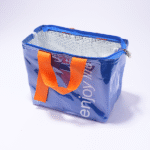
- tas jinjing berinsulasi dalam operasi berpendingin;
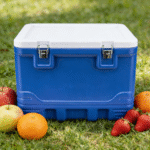
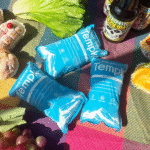
- pendingin pasif dengan paket gel atau media pengubah fasa;
- pengirim paket dengan lapisan perlindungan luar;
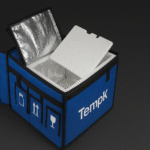
- paket perawatan kesehatan yang dapat digunakan kembali;
- operator pengiriman makanan panas atau makanan dingin;
- kotak penanganan umum yang insulasinya bersifat sekunder.
Peran menentukan bukti. Tas jinjing umum mungkin perlu disesuaikan, penanganan, dan uji coba pembersihan. A pengirim dengan pengatur suhu mungkin memerlukan kualifikasi termal lengkap, rencana pemantauan, instruksi pengepakan, dan persetujuan kualitas.
Tentukan jangkauan muatan dan ruang yang dapat digunakan
Ukur produk dalam presentasi pengiriman terakhirnya. Termasuk karton, botol, nampan makanan, tas, bantalan penyerap, jangka pembagi garis, Label, sensor, dan pendingin. Catat beban normal minimum dan maksimum. Kotak tersebut harus berfungsi pada kedua batas atau memiliki konfigurasi terpisah.
Pola palet kontrol dimensi eksternal, rak cocok, troli, kubus kendaraan, izin pintu, dan mengembalikan penyimpanan. Dimensi internal menggambarkan rongga yang dibentuk. Dimensi yang dapat digunakan menggambarkan apa yang tersisa setelah jari-jari sudut, dinding lancip, keterlibatan tutup, tulang rusuk, menangani, pendingin, sisipan, dan izin pemuatan. Pengadaan harus menyetujui ketiganya.
Tumpukan toleransi diperlukan. Muatan terbesar dapat memenuhi rongga terkecil. Beku Paket gel dapat menjadi kaku atau berubah bentuk. Label bisa kusut. Kantong fleksibel bisa melebar. Jika tutupnya dipaksa menutupi beban, mungkin tampak tertutup sementara salah satu sudutnya bocor.
Rencanakan zona terkontrol untuk produk, pendingin, pemisah, penempatan sensor, dan izin penutupan. Sangga benda rapuh pada permukaan yang kuat. Menahan cairan pendingin yang padat sehingga tidak mengenai muatan selama penanganan. Modul pengisi mungkin diperlukan untuk beban parsial, tetapi itu harus diidentifikasi dan dimasukkan dalam bill of material.
Perlakukan tutupnya sebagai komponen termal yang penting
Dinding menarik perhatian karena ketebalannya yang terlihat. Antarmuka penutup sering kali menentukan kemampuan pengulangan yang sebenarnya. Itu sering dibuka, bercampur dengan tubuh yang berbeda, dimuat dalam tumpukan, terkena dampak, dan terkadang digunakan secara tidak benar sebagai pegangan atau permukaan.
Tutup yang bagus ditempatkan secara positif, kursi sepenuhnya di sekelilingnya, mentolerir variasi dimensi normal, dan tetap praktis dengan sarung tangan basah. Pelek harus mampu menahan gaya penutupan tanpa bibir tipis atau transisi yang tajam. Muatan tumpukan harus melewati zona kontak yang dirancang dan tidak boleh membengkokkan tutupnya ke dalam muatan.
| Variabel penutupan | Mengapa itu penting | Bagaimana cara memverifikasi |
|---|---|---|
| Keterlibatan tumpang tindih dan sudut | Mengontrol pertukaran dan penyelarasan udara | Pasang beberapa tutup dan badan secara bersilangan |
| Kerataan tutup | Mempengaruhi tempat duduk perimeter penuh | Ukur setelah pengkondisian dan beban diam |
| Kekuatan pembukaan dan penutupan | Mempengaruhi penggunaan operator yang benar | Dingin, hangat, basah, dan uji coba bersarung |
| Ruang kepala muatan | Mencegah penutupan yang tidak lengkap | Pemeriksaan beban maksimum dan pengisian berlebih |
| Kontak tumpukan | Mentransfer kekuatan vertikal | Beban penuh tinggal di palet sebenarnya |
| Mengikat, memalangi, atau segel | Menambahkan kontrol retensi dan konfigurasi | Kompatibilitas penggunaan dan pembersihan berulang |
| Jalur probe atau label | Hindari mengangkat pelek | Inspeksi paket dan uji sensitivitas termal |
Tutupnya harus menjadi bagian dari pemeriksaan rutin masuk dan kembali. Pelek kecil yang hancur mungkin lebih penting daripada lecet kosmetik yang luas.
Pegangan insinyur, sudut, dan dasar untuk massa penuh
Massa yang dikemas termasuk produk, pendingin, sisipan, dan air tertahan jika pengeringan buruk. Tentukan satu- atau jarak angkat dan angkut dua orang. Pegangan memerlukan bukaan yang cukup untuk sarung tangan yang dimaksud, tepi membulat, dan jalur pemuatan ke bagian dinding dan alas yang lebar.
Genggaman tembus menciptakan bukaan langsung dan mengurangi bagian dinding. Pegangan tersembunyi melindungi dinding tetapi dapat mengurangi ruang internal atau memerangkap air. Pegangan kaku yang terpisah menambah ketahanan aus saat memasang attachment, bahan campuran, dan detail pembersihan. Evaluasi trade-off yang lengkap.
Sudut dan tepian menyerap banyak dampak rute. Jari-jari yang besar mengurangi konsentrasi stres. Panel datar yang panjang bisa melengkung dan mungkin memerlukan tulang rusuk, namun rusuk bagian dalam tidak boleh menekan produk atau mempersulit pembersihan. Fitur dasar harus tetap stabil pada palet, troli, konveyor, dan lantai kendaraan basah.
Amati penyeretan dan penyalahgunaan selama pilot rute. Jika alasnya cepat aus, lebih banyak busa mungkin bukan solusi terbaik. Sebuah troli, selip yang kaku, kulit terluar, atau penanganan perubahan dapat mengatasi mekanisme tersebut. Rekayasa ketahanan dimulai dengan analisis kegagalan, bukan penambahan ketebalan di mana pun.
Simpan klaim termal pada kemasannya
Pendingin EPP memperlambat perpindahan panas tetapi tidak mendinginkan atau memanaskan secara aktif. Dalam sistem pasif, pendingin menyediakan kapasitas termal yang tersimpan sementara kotak mengurangi pertukaran. Temperatur produk dipengaruhi oleh identitas cairan pendingin, kuantitas, pengkondisian, penempatan, pemisahan, massa termal muatan, suhu awal, ruang kepala, profil lingkungan, bukaan, dan lokasi sensor.
Klaim durasi hanya bermakna jika variabel-variabel tersebut diungkapkan. Mintalah pemasok untuk konfigurasi dan laporan pengujian lengkap. Bandingkan klaim hanya setelah normalisasi pengaturan. Penuh, muatan yang kaya air dapat berperilaku berbeda dari muatan parsial yang ringan. Pengujian ruang tertutup terus menerus dapat berperilaku berbeda dari rute pengiriman.
Pilih cairan pendingin di sekitar rangkaian produk yang disetujui. Kontak langsung dengan media beku dapat menimbulkan paparan dingin lokal. Spacer atau bahan pengubah fasa yang dikondisikan dapat mengurangi risiko tersebut. Es kering memerlukan desain khusus dan kontrol transportasi; itu bukan pengganti yang sederhana.
Pencatat suhu mendukung bukti dan peninjauan rute. Mereka tidak menciptakan perlindungan termal. Posisi sensor harus mewakili kemungkinan lokasi hangat dan dingin, dan penerimaan membutuhkan aturan keputusan yang terdokumentasi.
Gunakan tangga tes, bukan satu sertifikat
Tes yang berbeda menjawab pertanyaan yang berbeda:
- Data material membantu memilih tingkat EPP dan mendukung model awal.
- Pemeriksaan bagian mengevaluasi fusi, ukuran, tutup pas, menangani, dan fitur tumpukan.
- Tes mekanis yang dikemas mengevaluasi guncangan, getaran, kompresi, pengekangan, dan kondisi muatan.
- Tes paket termal mengevaluasi cairan pendingin yang ditentukan, muatan, dan profil sekitar.
- Pilot rute mengevaluasi operator normal, bukaan, serah terima, kembali, dan membersihkan.
- Pemantauan yang berkelanjutan memastikan bahwa proses tersebut masih berada dalam batas operasinya.
ISTA 7E dapat menyediakan profil termal standar untuk kontainer pengiriman terisolasi pengujian. Prosedur ISTA dan ASTM D4169 yang sesuai dapat menyusun pengujian distribusi. Ketentuan ini berlaku untuk produk kemasan tertentu dalam kondisi yang ditentukan; itu bukan sertifikasi produk universal.
Untuk digunakan kembali, pertimbangkan untuk mengkondisikan kotak secara mekanis dan melalui pembersihan sebelum mengulangi uji termal kritis. Ini menanyakan apakah keausan mengubah kinerja. Siklus yang dipercepat dapat membandingkan desain, namun jumlah tersebut tidak boleh diubah menjadi jumlah perjalanan yang terjamin tanpa adanya hubungan yang tervalidasi dengan penggunaan lapangan.
Tulis kriteria penerimaan sebelum pengujian. Untuk suhu, menentukan rangkaian produk dan metode analisis. Untuk mekanik, menentukan kerusakan muatan dan fungsi kotak yang dipertahankan. Untuk pembersihan, menentukan tanah yang terlihat, bau, drainase, kekeringan, Label, dan kompatibilitas komponen.
Alat pengambilan keputusan yang berguna
Periksa detailnya sebelum Anda memilih kemasan
Alat cepat ini dapat membantu Anda membandingkan risiko rute, kebutuhan ukuran, pilihan pendingin, dan detail kemasan sebelum Anda meminta penawaran.
Pembuat Daftar Periksa Kepatuhan
Buatlah daftar periksa praktis untuk tinjauan kemasan, pengiriman, dan dokumentasi.
Buat daftar periksaPelapis Kotak & Ukuran Penutup Palet
Centang kotak logika ukuran penutup palet dan liner untuk proyek pengemasan berinsulasi.
Perkiraan ukuranKalkulator Es Kering
Perkirakan kebutuhan es kering untuk pengiriman beku atau sangat dingin sebelum pengepakan.
Perkirakan es keringPeriksa fungsi yang dipertahankan pada setiap pengembalian
Pendingin yang dapat digunakan kembali harus memiliki pemeriksaan pengembalian yang cepat dan pemeriksaan berkala yang lebih mendetail. Pemeriksaan cepat dapat mengidentifikasi kontaminasi kotor, tutup yang tidak pas, kerusakan pelek, pegangan yang tidak aman, dasar yang tidak stabil, komponen pendingin hilang, dan identifikasi yang tidak terbaca. Pemeriksaan mendetail dapat menggunakan pengukur atau sampel utama untuk antarmuka penting.
Buat kategori disposisi yang jelas:
- bersih dan siap;
- perlu dicuci ulang atau dikeringkan;
- memerlukan penggantian komponen sekunder yang disetujui;
- dibatasi sementara untuk penggunaan yang berisiko lebih rendah;
- memerlukan tinjauan teknis;
- pensiun secara permanen.
Perbaikan harus dikontrol. Tambalan berperekat atau sisipan improvisasi dapat mengubah kebersihan, kebocoran termal, kesesuaian muatan, atau kemampuan daur ulang. Perbaiki hanya dengan metode yang terdokumentasi dan nilai kembali fungsi yang terpengaruh.
Lacak lokasi kegagalan. Robeknya pegangan berulang kali mungkin menunjukkan kelebihan beban atau geometri yang buruk. Rim crush mungkin menunjukkan pengisian berlebih atau penyalahgunaan tumpukan. Abrasi dasar mungkin mengindikasikan adanya tarikan. Steker atau pembagi yang hilang menunjukkan kontrol komponen. Data mengubah biaya pensiun menjadi perbaikan desain.
Jadikan pembersihan sebagai bagian dari masukan desain
Tentukan metode pembersihan sebelum menyetujui komponen tersebut. Deterjen atau pembersih negara, konsentrasi, suhu, waktu kontak, tindakan mekanis, membilas, dan pengeringan. Konfirmasikan kompatibilitas dengan formulasi EPP yang tepat dan setiap komponen sekunder. Tabel ketahanan umum polipropilen tidak tahan terhadap pencucian panas berulang kali pada cetakan, kekurangan uang, atau rakitan yang disegel.
EPP sel tertutup menolak penyerapan air dalam jumlah besar, tapi reses, goresan, sambungan tutup, Label, saluran air, dan area yang rusak dapat menahan air atau tanah. Permukaan harus dapat diakses dan dikeringkan sesuai arah pengeringan sebenarnya. Unit yang bersih membutuhkan perlindungan dari hasil yang kotor.
Penggunaan kontak langsung dengan makanan memerlukan dokumentasi untuk konstruksi yang tepat, makanan yang dituju, kondisi kontak, dan pasar. Kontrol Eropa mencakup keamanan kontak makanan secara umum, praktik manufaktur yang baik, dan tindakan plastik tertentu. Penggunaan di Amerika Serikat juga bergantung pada dasar peraturan yang sesuai. “Keamanan pangan” harus memiliki cakupan yang jelas.
Rute layanan kesehatan mungkin memerlukan prosedur pembersihan atau disinfeksi berdasarkan sistem mutu rumah sakit. Bahan EPP tidak dengan sendirinya menetapkan kepatuhan farmasi. Proses distribusi lengkap, paket, pemantauan, pelatihan, dan kualifikasi tetap relevan.
Rancanglah sistem ekonomi penggunaan kembali dengan jujur
Pendingin yang dapat digunakan kembali adalah aset dan layanan. Total biaya termasuk pembelian, pendingin, perkakas jika adat, tenaga pengepakan, transportasi kembali, pelacakan, pencucian, pengeringan, inspeksi, penyimpanan, kehilangan, perbaikan, masa pensiun, kualifikasi, dan kehilangan produk. Hitung biaya per pengiriman atau siklus yang berhasil.
Jangan berasumsi umur layanan universal. Uji coba sejumlah kotak yang terkontrol dan lacak pengembalian sebenarnya, kerusakan, mencuci ulang, kehilangan, dan perputaran. Jumlah kotak yang dibutuhkan tergantung pada permintaan keluar tertinggi dan hari sebelum pengembalian bersih, tidak hanya pengiriman harian.
Kubus kosong dapat mendominasi logistik terbalik. Pendingin EPP tetap dapat mengembalikan sebagian besar udara. Penyusunan mengurangi volume tetapi menghasilkan lancip dan geometri tumpukan yang berbeda. Alternatif yang dapat dilipat mengurangi kubus tetapi menambahkan sambungan dan pembersihan. Ketersediaan backhaul dan kepadatan rute menentukan mana yang terbaik.
Keberlanjutan mengikuti batasan sistem yang sama. EPP dapat didaur ulang jika ada pengumpulan dan pengolahan yang sesuai. Penggunaan kembali dapat mengurangi permintaan kemasan sekali pakai, namun pencucian dan pengembalian menambah dampak. Perlindungan produk dapat menjadi hal yang penting karena makanan atau obat-obatan yang rusak membawa sumber daya yang melekat. Gunakan data loop yang diamati dan jalur akhir masa pakai yang teridentifikasi, bukan klaim umum.
Peraturan Pengemasan dan Limbah Pengemasan Eropa mulai berlaku pada tahun 2025 dan umumnya berlaku dari 2026, meningkatkan perhatian terhadap minimalisasi, Daur ulang, penggunaan kembali, dan dokumentasi. Kewajiban pastinya berbeda-beda, jadi perusahaan yang beroperasi di pasar Eropa harus mengkonfirmasi bea masuk saat ini untuk pengemasan dan perannya.
Kunci konsistensi produksi dan pertukaran
Komponen campuran armada yang dapat digunakan kembali. Badan dan tutupnya harus dapat dipertukarkan dalam revisi yang disetujui. Uji pasangan silang melintasi rongga cetakan dan banyak lagi. Identifikasi gigi berlubang jika diperlukan sehingga variasi dapat dilacak.
Pemasok harus mengontrol kadar EPP, strategi kepadatan, pengkondisian manik, cetakan, fusi, pendinginan, pengkondisian bagian, pemangkasan, ukuran, berat jika bermakna, warna, dan identifikasi. Dimensi kritis memerlukan datum dan waktu pengukuran yang ditentukan.
Rencana pengendalian produksi dapat fokus pada pembukaan minimum, rongga yang dapat digunakan, keterlibatan tutup, kontinuitas pelek, kontak dasar, registrasi tumpukan, menangani bagian, kantong pendingin, dan masukkan lokasi. Berat bagian adalah indikator proses, bukan tes fungsional yang lengkap. Tentukan aturan pengambilan sampel dan reaksi untuk ketidaksesuaian.
Pengendalian perubahan harus mencakup tingkatan material, sasaran kepadatan, pewarna, aditif, konten daur ulang, perbaikan cetakan, ventilasi, pengaturan proses utama, tempat produksi, tutup, tali pengikat, Label, sisipan, komponen pendingin, dan instruksi pengepakan ketika kinerja dapat berubah. Pengujian ulang berbasis risiko melindungi kualifikasi.
Pertanyaan pembeli untuk program pendingin yang kredibel
- Jenis produk dan jenis muatan apa yang disetujui?
- Apa sebenarnya peran pendingin dalam sistem pengatur suhu?
- Prosedur pendingin dan pengkondisian mana yang disertakan?
- Berapa dimensi minimum yang dapat digunakan dan jarak penutupan?
- Bagaimana fitur pegangan dan tumpukan membawa massa penuh?
- Mode kerusakan mana yang dapat mengubah fungsi termal?
- Konfigurasi pengujian mekanis dan termal apa yang mendukung proposal tersebut?
- Bagaimana beban minimumnya, bukaan, dan kondisi musiman ditangani?
- Pembersihan apa, kontak makanan, atau dokumentasi layanan kesehatan berlaku?
- Bagaimana keadaan tubuh, tutup, sisipan, dan komponen pendingin diidentifikasi dan dikendalikan?
- Apa keuntungannya, mencuci, pelacakan, dan rencana pensiun?
- Perubahan produksi atau proses mana yang memerlukan penilaian ulang?
Pemasok yang disiplin akan membedakan sifat material secara umum, konfigurasi yang diuji, dan asumsi terbuka. Perbedaan tersebut mengurangi risiko pengadaan.
Pertanyaan yang sering diajukan
Apa yang membuat pendingin EPP “tahan lama” dibandingkan hanya dapat digunakan kembali?
Daya tahan berarti pendingin mempertahankan fungsi yang ditentukan melalui penanganan dan pembersihan yang diharapkan. Seharusnya tetap aman untuk diangkat, stabil untuk ditumpuk, mampu menutup sepenuhnya, konsisten dalam kesesuaian cairan pendingin dan muatan, bisa dibersihkan, dan dapat diidentifikasi. Dapat digunakan kembali adalah model operasi yang dimaksudkan; daya tahannya didukung oleh desain, pengujian, inspeksi, dan data lapangan.
Apakah pendingin EPP paling tebal merupakan pilihan insulasi terbaik?
TIDAK. Ketebalan dapat mengurangi konduksi, tapi tutupnya bocor, bukaan, jembatan, massa muatan, pendingin, ruang kepala, dan acara pembukaan mungkin mendominasi. Dinding yang tebal juga mengurangi ruang muatan atau menambah kapasitas muatan. Bandingkan paket produksi lengkap dengan profil pengujian yang sama dan sertakan ketahanan penutupnya.
Haruskah setiap kotak yang dikembalikan diuji ulang secara termal?
Biasanya tidak. Pemeriksaan fungsional rutin dapat memastikan tutup layar terpasang, pelek, menangani, tumpukan, lokasi pendingin, kontaminasi, dan identifikasi. Verifikasi termal berkala dapat memastikan armada tetap selaras, dengan pengujian tambahan setelah kerusakan signifikan, memperbaiki, perubahan material atau desain, atau tren data pengiriman. Rencana mutu harus menetapkan frekuensi berdasarkan risiko.
Bagaimana pembeli mencegah komponen tercampur?
Gunakan tanda revisi yang jelas, warna hanya sebagai isyarat sekunder, pengidentifikasi yang dibentuk, memindai kode jika dibenarkan, dan geometri tahan kesalahan. Badan kontrol, tutup, sisipan, tali pengikat, colokan, dan pendingin berdasarkan bill of material. Saat pengepakan, verifikasi konfigurasi lengkap daripada berasumsi bahwa penutup atau sisipan apa pun yang cocok secara fisik telah disetujui.
Kesimpulan
Program pendingin EPP terbaik yang tahan lama mengontrol serangkaian fungsi. Kotak itu harus sesuai dengan muatannya, melindunginya secara mekanis, tutup berulang kali, temukan cairan pendingin, selamat dari tumpukan dan pembersihan, dan kembali dalam keadaan yang dapat diperiksa. Bukti termal termasuk dalam paket lengkap, sedangkan bukti ketahanan adalah fungsi yang dipertahankan setelah digunakan. Tangga ujian, pemeriksaan kembali, data armada, pengendalian produksi, dan manajemen perubahan menjaga keduanya tetap selaras.
Tentang tempk
Tempk menyediakan kemasan terisolasi, media pendingin, produk pemantau suhu, dan terkait solusi rantai dingin. Kami dapat membantu pembeli menyusun spesifikasi pendingin EPP yang dapat digunakan kembali di sekitar rentang muatan, ruang yang dapat digunakan, kondisi suhu target, pendingin, penutup, penanganan, rute, pembersihan, dan kembali. Setiap durasi kinerja dan kesesuaian rute harus dievaluasi untuk paket produksi yang tepat dan kondisi yang terdokumentasi.
Bagikan pendingin saat ini, muatan, profil rute, sejarah kegagalan, dan menggunakan kembali proses untuk mengidentifikasi perubahan desain dan kontrol mana yang paling penting.