Cara Menentukan Kotak EPP yang Dapat Ditumpuk untuk Produk Segar
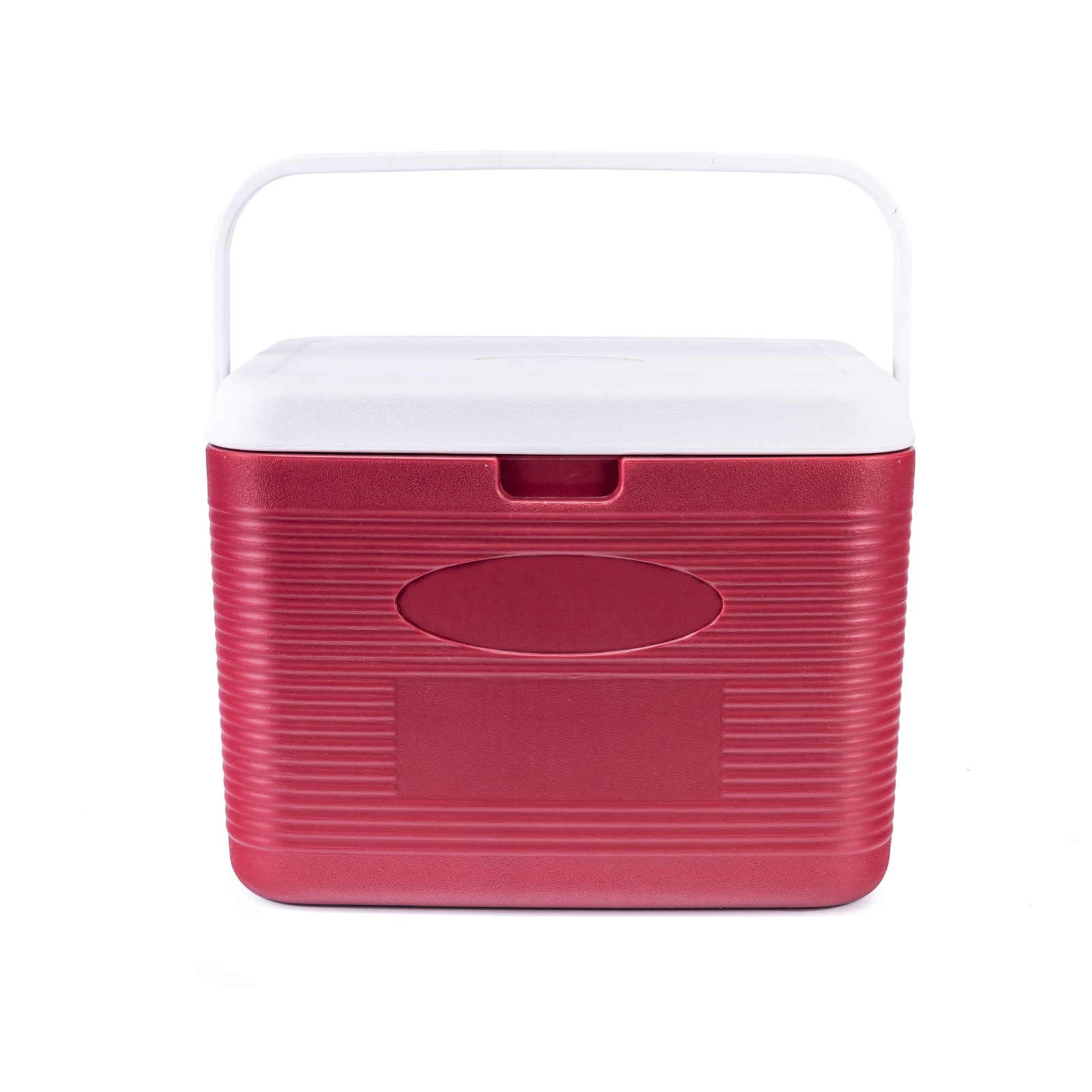
Kotak EPP yang dapat ditumpuk untuk produk segar harus ditentukan sebagai bagian dari rute, tidak dibeli sebagai produk busa terisolasi. Desain yang sukses sesuai dengan komoditas dan paket ritel, memungkinkan aliran udara pendingin yang diperlukan, membawa beban tumpukan ke mana-mana, bukan melalui produk, tetap dapat dibersihkan, dan kembali secara ekonomis untuk digunakan kembali. Polipropilena yang diperluas dapat memberikan bobot yang ringan, tubuh tangguh dan isolasi, tapi itu tidak bisa menghilangkan panas lapangan, membuat pendingin, membuktikan kesesuaian kontak makanan, atau menjamin masa pakainya sendiri. Pembeli harus menentukan batasan pengoperasian, menyetujui dimensi yang dapat digunakan dan antarmuka tumpukan, uji palet penuh, dan mengontrol perubahan produksi sebelum melakukan penskalaan.
Keputusan pertama: di mana dalam rantai dingin kotak itu akan berfungsi?
Wadah yang sama dapat berperilaku sangat berbeda sebelum dan sesudah pendinginan awal. Produk hangat yang dimuat di ladang memerlukan panas yang dihilangkan dengan cepat. Sebuah tertutup, sangat kotak terisolasi menolak aliran panas dan dapat memperpanjang waktu pendinginan. Produk-produk yang telah didinginkan sebelumnya yang dipindahkan melalui dermaga dan rute pengiriman dapat memperoleh manfaat dari isolasi yang memperlambat perolehan panas. Mencoba mengoptimalkan kedua tahap tanpa menyatakan prioritas biasanya menghasilkan kompromi yang sulit divalidasi.
Petakan kotak di seluruh proses yang lengkap:
- memuat suhu dan kondisi produk;
- waktu antara panen dan pendinginan;
- metode pendinginan dan arah aliran udara;
- tumpukan dan tempat tinggal ruang dingin;
- penataan palet dan kendaraan;
- serah terima, pengambilan pesanan campuran, dan bukaan tutup;
- menerima pemeriksaan dan pembongkaran produk;
- pengembalian kosong, penyortiran, pencucian, pengeringan, dan penyimpanan.
Tandai tahap di mana kualitas produk paling rentan. Buah beri yang halus mungkin didominasi oleh kompresi dan getaran. Sayuran berdaun hijau mungkin didominasi oleh pendinginan yang cepat dan hilangnya kelembapan. Jamur mungkin memerlukan pengelolaan kelembapan dan kondensasi yang hati-hati. Buah yang keras memungkinkan pemuatan yang lebih dalam namun tetap mengalami dampak yang berulang. Desain harus memberikan risiko dengan konsekuensi tertinggi daripada mengumpulkan fitur-fitur umum.
Terjemahkan paket hasil bumi ke dalam dimensi yang dapat digunakan
Dimensi eksternal menentukan pola palet, rak cocok, kubus kendaraan, antarmuka konveyor, izin pintu, dan mengembalikan penyimpanan. Dimensi internal menggambarkan rongga yang dibentuk. Dimensi yang dapat digunakan menggambarkan ruang yang tersisa setelah draft, jari-jari sudut, dinding lancip, ventilasi, tulang rusuk, keterlibatan tutup, liner, nampan, dan izin penanganan. Pembeli membutuhkan ketiganya.
Buat amplop muatan dari konfigurasi paket terbesar yang disetujui. Sertakan punnet, tas, nampan, pembalut, lapisan penyerap, Label, dan cairan pendingin apa pun. Ukur kondisi terluas dan tertinggi, bukan sampel rata-rata. Pastikan bungkusan melewati lubang dan dapat dikeluarkan tanpa dibalik, tindihan, atau menarik produknya.
Kedalaman adalah keputusan kualitas produk. Lebih mendalam dapat meningkatkan kubus palet, namun lapisan bawah membawa lebih banyak beban dan mungkin menerima lebih sedikit aliran udara. Kotak yang lebih dangkal mengurangi tekanan lapisan namun meningkatkan jumlah unit dan penanganan. Dimana paket ritel membawa beban vertikalnya sendiri, kotaknya mungkin lebih dalam; dimana produk yang lepas membawa beban, kedalaman mungkin memerlukan kontrol yang lebih ketat. Tetapkan garis pengisian dan jarak tutup yang dapat dilihat oleh operator.
Hindari kotak universal kecuali jika produk tersebut benar-benar kompatibel. Cangkang luar modular dengan sisipan atau pembagi yang dikontrol dapat mendukung beberapa produk, namun sisipan tidak boleh menghalangi ventilasi atau membuat perangkap pembersih baru. Komoditas campuran juga perlu ditinjau suhunya, kelembaban, bau, dan kompatibilitas etilen. Ruang kosong tidak otomatis tersedia untuk produk lain.
Rancang jalur aliran udara, bukan kumpulan lubang
Metode pengemasan mempengaruhi aliran udara, suhu, dan pengelolaan kelembapan di sekitar produk segar. Untuk pendinginan udara paksa, udara harus melewati permukaan palet, dinding kotak, paket produk, dinding seberang, dan jalur kembali. Setiap elemen dapat menciptakan resistensi. Bungkus regangan, papan palet, liner, Label, tas, dan kotak-kotak di sebelahnya dapat memblokir bukaan yang tampak besar pada sampel yang terisolasi.
Mulailah dengan peralatannya. Apakah tempat pengepakan menarik udara secara horizontal melalui terowongan palet, mensirkulasikan udara di sekitar tumpukan, menggunakan pendingin vakum, pendingin air, atau proses lain? Kotak tersebut tidak boleh dianggap kompatibel hanya karena “berventilasi”. Telusuri arah yang diharapkan dan periksa kesejajaran ventilasi di setiap orientasi yang disetujui.
Desainnya memiliki kebutuhan yang bersaing:
| Persyaratan | Implikasi desain | Kegagalan untuk menghindari |
|---|---|---|
| Pra-pendinginan cepat | Selaras, jalur aliran udara yang tidak terhalang | Zona hangat tersembunyi di dalam palet |
| Penumpukan struktural | Bagian vertikal berkelanjutan atau tiang sudut | Ventilasi melemahkan jalur beban utama |
| Menghasilkan penahanan | Bukaan lebih kecil dari produk rentan atau dilindungi oleh format kemasan | Menonjol, abrasi, atau ekstrusi liner |
| Kebersihan | Dapat diakses, bukaan yang dapat dikeringkan | Tanah dan air cucian terperangkap dalam ceruk |
| Perlindungan pasca pendinginan | Kebocoran panas terkendali dan penutupan stabil | Memperlakukan isolasi sebagai pendinginan aktif |
| Efisiensi palet | Orientasi berulang dan area minimal yang diblokir | Kotak diputar menjadi pola yang tidak efektif |
Tabel ini harus memandu uji coba palet fisik. Simulasi aliran udara dapat membandingkan konsep, tetapi produk asli menciptakan resistensi tidak teratur yang berubah seiring dengan kepadatan dan pengendapan. Ukur lokasi produk yang representatif, bukan hanya udara di dekat dinding luar.
Buat tumpukan kotak jinjing, bukan buah
Sebuah kotak tidak benar-benar dapat ditumpuk karena sampel kosong terletak rapi di atas meja. Tumpukan penuh mengalami bobot yang berkelanjutan, defleksi palet, dampak, pengereman, menikung, getaran, permukaan basah, dan perubahan suhu. Fitur perkawinan harus mendaftarkan kotak dan menahan gerakan lateral tanpa mempersulit pemisahan.
Beban vertikal harus melewati sudut yang diperkuat atau bagian dinding yang kokoh. Tutupnya dapat menemukan kotak bagian atas, tapi ia tidak boleh tunduk pada muatannya. Izin harus memperhitungkan variasi produk, liner, toleransi kotak, memakai, dan mengisi sampai melimpahi. Kalau tumpukannya tergantung setiap tutupnya tertutup sempurna, prosedur operasi harus membuat penutupan tidak lengkap terlihat jelas.
Polipropilena yang diperluas dapat menyerap energi benturan dan pulih dari banyak deformasi sedang, tetapi daya tahan akhir dikendalikan oleh tingkatan, kepadatan, geometri, fusi manik, dan memuat jalur. Panel panjang yang tidak ditopang dapat melengkung. Transisi internal yang tiba-tiba dapat memusatkan stres. Ventilasi besar dapat mengurangi bagian. Bahan tipis di atas pegangan tangan dapat robek meskipun bagian kotak lainnya kuat.
Evaluasi setidaknya empat mekanisme secara terpisah:
- dampak pendek ke sudut, tepian, basis, dan tutupnya;
- pengangkatan dan penurunan berulang kali pada massa kemasan yang disetujui;
- getaran dan migrasi produk selama pengangkutan;
- penumpukan muatan berkelanjutan pada kondisi lingkungan yang relevan.
Prosedur ASTM D4169 dan ISTA dapat menginformasikan pengujian distribusi. Persyaratan ini berlaku untuk produk kemasan dan kondisi pengujian tertentu; mereka tidak mengubah material EPP menjadi sistem pengiriman yang bersertifikat universal. Item tes harus berisi muatan yang representatif, liner, penutup, palet, dan pengekangan.
Jaga isolasi pada peran yang tepat
EPP memperlambat perpindahan panas, yang dapat mengurangi paparan selama pementasan atau distribusi. Itu tidak menghasilkan pendinginan. Sebuah kotak berisi produk hangat akan tetap hangat kecuali prosesnya menghilangkan panas. Sebuah kotak yang digunakan dengan Paket gel, bahan perubahan fase, es, atau pendingin lain menjadi bagian dari paket termal pasif yang kinerjanya bergantung pada konfigurasi lengkap.
Jangan menerima klaim penundaan tanpa konteks. Mintalah produk atau muatan simulasi, suhu awal, jenis dan pengkondisian pendingin, penempatan cairan pendingin, volume yang dapat digunakan, profil lingkungan, lokasi sensor, jadwal pembukaan tutup, dan kriteria penerimaan. Durasi laboratorium dalam satu konfigurasi tidak dapat digeneralisasikan ke setiap komoditas atau rute.
Desain termal juga mempengaruhi kondisi produksi. Cairan pendingin yang bersentuhan langsung dapat menimbulkan titik dingin lokal atau luka beku pada produk sensitif. Lapisan dapat melindungi dari kontak tetapi dapat membatasi aliran udara. Ruang kepala yang berlebih dapat meningkatkan pergerakan udara selama penanganan dan mengubah perilaku termal. Paket memerlukan tinjauan suhu dan mekanis.
Pencatat data suhu dapat mendokumentasikan paparan dan membantu mengidentifikasi variabilitas rute. Ini tidak mengkompensasi jalur aliran udara yang tersumbat atau paket yang dirancang kurang baik. Penempatan sensor harus mencerminkan lokasi hangat dan dingin yang diharapkan, dan tim mutu harus menentukan bagaimana data akan ditinjau.
Kontak makanan, pembersihan, dan kondisi pengembalian
Kesesuaian kontak dengan makanan termasuk dalam formulasi akhir dan kondisi penggunaan yang dimaksudkan. Peraturan Eropa menetapkan prinsip keselamatan dan kelembaman umum, praktik manufaktur yang baik, dan kontrol khusus untuk bahan plastik. Persyaratan Amerika Serikat juga bergantung pada dasar peraturan yang sesuai untuk bahan yang bersentuhan dengan makanan dan tujuan penggunaannya. Pembeli harus meminta dokumentasi untuk nilai EPP yang diusulkan, warna, aditif, konten daur ulang jika ada, Label, tinta, dan komponen lainnya.
Deklarasi tidak menggantikan program kebersihan. Kotak yang dapat digunakan kembali beralih dari pengembalian kotor ke stok bersih dan memerlukan urutan yang terkendali. Definisikan penyortiran, pra-pembersihan, mencuci, membilas, pengeringan, inspeksi, dan penyimpanan. Sebutkan deterjen atau pembersih, konsentrasi, suhu air, waktu kontak, tindakan menyemprot atau menyikat, dan jumlah eksposur yang digunakan dalam pengujian kompatibilitas.
Alat pengambilan keputusan yang berguna
Periksa detailnya sebelum Anda memilih kemasan
Alat cepat ini dapat membantu Anda membandingkan risiko rute, kebutuhan ukuran, pilihan pendingin, dan detail kemasan sebelum Anda meminta penawaran.
Pelapis Kotak & Ukuran Penutup Palet
Centang kotak logika ukuran penutup palet dan liner untuk proyek pengemasan berinsulasi.
Perkiraan ukuranReferensi Bahan Isolasi
Bandingkan pilihan bahan insulasi untuk kebutuhan pengemasan rantai dingin yang berbeda.
Bandingkan bahanPendingin & Referensi PCM
Bandingkan opsi cairan pendingin dan PCM ketika suatu rute memerlukan dukungan suhu tambahan.
Bandingkan pilihanPeriksa fitur-fitur yang benar-benar mempertahankan kontaminasi: ventilasi, kantong label yang dalam, permukaan manik yang rusak, jahitan, antarmuka tutup, menangani, dan ceruk drainase. Kotak harus benar-benar kering dalam waktu yang tersedia. Unit basah yang ditumpuk dapat memerangkap kelembapan meskipun bahan dasarnya hanya menyerap sedikit air.
Buat kategori disposisi yang dapat diterapkan operator secara konsisten:
- bersih dan siap digunakan;
- memerlukan pencucian ulang;
- rusak tetapi hanya dapat digunakan dalam peran yang berisiko rendah;
- dapat diperbaiki dengan metode yang disetujui;
- ditolak secara permanen karena kerusakan yang dalam, kontaminasi, bau, atau hilangnya fungsi.
Klaim penggunaan kembali hanya dapat dipercaya jika pihak operasional mengetahui kapan tidak menggunakan kembali suatu unit.
Bangun kasus bisnis di sekitar loop
Harga beli hanyalah salah satu komponennya kemasan yang dapat digunakan kembali biaya. Tambahkan jumlah kotak yang diperlukan untuk menutupi volume keluar dan penundaan pengembalian, ruang backhaul, pemindaian atau deposit, kehilangan, mencuci tenaga kerja, air dan energi, pengeringan, inspeksi, penyimpanan, memperbaiki, masa pensiun, dan penanganan di akhir masa pakainya. Sertakan kerusakan produk dan efek proses pendinginan karena pengemasan yang mengurangi biaya kotak namun meningkatkan kehilangan produk tidaklah efisien.
Kubus kembali bisa mendominasi. Bentuk tetap Kotak Epp dapat melakukan perjalanan dalam keadaan kosong kecuali mereka bersarang atau berpindah pada backhaul yang tersedia. Penyusunan mengurangi volume namun menimbulkan lancip pada dinding dan mungkin bertentangan dengan geometri tumpukan atau ruang yang dapat digunakan. Alternatif yang dapat dilipat menyimpan kubus kembali tetapi menambahkan engsel, sendi, langkah perakitan, dan kompleksitas pembersihan. Solusi yang tepat bergantung pada kepadatan dan pengendalian rute.
Jangan berasumsi jumlah siklus standar. Lacak unit percontohan secara individual atau batch. Catat unit yang hilang, kerusakan besar dan kecil, penolakan pencucian, waktu penyelesaian, insiden tumpukan, keluhan operator, dan hasil produk. Biaya per siklus sukses menjadi berarti hanya setelah variabel-variabel tersebut diamati.
Penilaian lingkungan mengikuti logika serupa. EPP dapat didaur ulang jika terdapat pengumpulan dan pemrosesan yang sesuai, namun kemampuan daur ulang bergantung pada infrastruktur setempat dan kondisi sebenarnya dari kotak bekas. Penggunaan kembali dapat mengurangi permintaan kemasan sekali pakai, sementara transportasi pulang pergi dan pencucian menimbulkan dampak. Perlindungan produk penting karena produk yang dibuang membawa beban lingkungan pada budidaya, pendinginan, dan transportasi. Optimalkan sistem, bukan satu tuntutan material.
Apa yang harus dikunci sebelum memesan perkakas
Spesifikasi harus cukup rinci sehingga perubahan produksi tidak dapat mengubah fungsi secara diam-diam. Kunci nilai EPP yang disetujui atau alternatif yang ditentukan, rentang kepadatan cetakan jika relevan, dimensi eksternal dan minimum yang dapat digunakan, keterlibatan tutup, registrasi tumpukan, antarmuka dasar, menangani geometri, pola ventilasi, daerah identifikasi, warna, dan status kontak makanan.
Menyepakati pengukuran dan metode yang penting bagi kualitas. Bagian busa mungkin perlu dikondisikan sebelum pemeriksaan dimensi, dan permukaan yang dirancang memerlukan datum yang ditentukan. Panjang nominal saja tidak cukup. Identifikasi ketinggian di mana dimensi internal diukur dan bukaan minimum yang harus dilewati muatan.
Minta pemasok untuk menjelaskan kontrol fusi manik, indikator proses, banyak pengambilan sampel, penahanan ketidaksesuaian, dan rencana reaksi. Bobot bagian mungkin berguna bila dikorelasikan dengan proses yang disetujui, tapi itu tidak membuktikan setiap karakteristik fungsional. Sampel fungsional harus diperiksa kesesuaian tutupnya, menumpuk, pengangkatan yang dimuat, dan penyelarasan ventilasi.
Perjanjian pengendalian perubahan harus mencakup tingkatan materi, pewarna, aditif, konten daur ulang, revisi cetakan, perubahan proses utama, komponen sekunder, lokasi produksi, dan memberi label konstruksi ketika perubahan tersebut dapat memengaruhi kesesuaian, kontak makanan, pembersihan, aliran udara, atau daya tahan. Produk yang signifikan, kemasan, atau perubahan proses mungkin memerlukan pengujian ulang.
Jalankan pilot rute sebelum melakukan penskalaan
Seorang pilot rute haruslah orang biasa. Gunakan operator biasa, hasil nyata, waktu pemuatan standar, liner dan palet yang dituju, peralatan pendingin biasa, serah terima yang khas, menerima praktik, proses pencucian yang direncanakan, dan setidaknya satu kali kembali ke layanan. Tas jinjing yang luar biasa oleh tim proyek menyembunyikan kesalahan yang harus ditoleransi oleh desain.
Tentukan observasi sebelum pilot. Untuk menghasilkan, periksa memar, tanda tekanan, dehidrasi, kondensasi, membusuk, distribusi suhu, dan gerakan mengemas. Untuk kotaknya, periksa penutupan tutupnya, pergeseran tumpukan, menangani, sudut, ventilasi, keausan dasar, air yang tertahan, Label, dan upaya pembersihan. Kotak rekaman diputar dengan tidak benar, penuh, dibiarkan terbuka, atau diletakkan di atas palet yang rusak. Peristiwa tersebut mengungkapkan apakah sistem memerlukan perubahan desain atau kontrol pengoperasian yang lebih jelas.
Bayangkan seorang petani memindahkan buah beri yang sudah dikemas melalui pendinginan udara paksa. Kotak itu memiliki insulasi yang baik dan penutup yang stabil, namun ventilasi ujungnya sebagian terhalang oleh susunan punnet dan stretch wrap. Casing luar mendingin dengan cepat sedangkan casing tengah tetap hangat. Mengganti EPP dengan material lain belum tentu menyelesaikan masalah. Solusinya dimulai dengan jaringan aliran udara yang selaras dan pengujian di tingkat palet.
Skalakan hanya setelah pilot mengkonfirmasi desainnya, proses, pembersihan, dan mengembalikan asumsi. Simpan sampel induk yang disetujui dan simpan paket bukti yang digunakan untuk pengambilan keputusan.
Pertanyaan pembeli yang mengungkap proposal lemah
Kutipan yang kuat harus menjawab pertanyaan-pertanyaan ini secara langsung:
- Komoditas yang mana, format paket, massa kemasan maksimum, dan tahap pendinginan yang diasumsikan oleh desain?
- Berapa dimensi bukaan dan rongga minimum yang dapat digunakan setelah semua fitur cetakan?
- Bagaimana palet lengkap mendukung arah aliran udara yang dibutuhkan?
- Bagian mana yang memikul beban tumpukan, dan apa yang melindungi lapisan produk teratas?
- Bukti pengujian apa yang menggunakan konfigurasi kemasan sebenarnya dan bukan kotak kosong?
- Dokumentasi kontak makanan mana yang berlaku untuk formulasi akhir dan pasar yang tepat?
- Kondisi pembersihan apa yang telah dinilai, dan bagaimana kotak itu terkuras dan kering?
- Bagaimana fusi maniknya, ukuran, tutup pas, ventilasi, dan fitur tumpukan yang dikontrol dalam produksi?
- Perubahan mana yang memerlukan pemberitahuan pembeli dan pengujian ulang?
- Apa yang dimaksud dengan logistik terbalik dan rencana akhir masa pakainya?
Pemasok yang mengidentifikasi batas dan meminta data rute biasanya menawarkan nilai lebih dibandingkan pemasok yang melampirkan klaim universal pada kotak standar.
Pertanyaan yang sering diajukan
Apakah EPP lebih baik daripada kemasan bergelombang untuk produksi??
Tidak ada yang lebih baik secara universal. EPP mungkin menawarkan bantalan yang dapat digunakan kembali, isolasi, ketahanan terhadap kelembaban, dan fitur tumpukan terintegrasi. Format bergelombang mungkin ringan, dapat dicetak, dapat dipulihkan secara luas di beberapa pasar, dan nyaman untuk rute satu arah. Bandingkan perlindungan produk, aliran udara, paparan ruangan dingin, kinerja palet, logistik pengembalian, pembersihan, kehilangan, biaya per pengiriman yang berhasil, dan sistem pemulihan lokal.
Sebaiknya kotak pra-pendinginan memiliki ventilasi sebanyak mungkin?
TIDAK. Kebutuhan aliran udara cukup terbuka, bidang yang selaras, namun desain ventilasi juga harus menjaga jalur beban struktural, berisi produknya, hindari ekstrusi liner, dan tetap dapat dibersihkan. Bukaan yang berlebihan atau ditempatkan dengan buruk dapat melemahkan dinding tanpa menghasilkan pendinginan yang merata. Tentukan metode pendinginan, memodelkan palet yang dirakit, dan verifikasi dengan produk asli atau paket representatif.
Apakah kepatuhan terhadap kontak makanan dapat disimpulkan dari resin polipropilen??
TIDAK. Artikel yang sudah selesai mungkin menyertakan nilai EPP tertentu, pigmen, aditif, konten daur ulang, tinta, Label, dan bagian lainnya. Kepatuhan tergantung pada pasar yang dituju, jenis makanan, waktu kontak dan suhu, dan dasar peraturan. Mintalah dokumentasi untuk usulan konstruksi yang sebenarnya dan jangan terima “food grade” sebagai pernyataan lengkap.
Kapan sistem harus diuji ulang?
Pengujian ulang harus dipertimbangkan ketika perubahan dapat mempengaruhi kinerja. Contohnya termasuk komoditas baru atau paket ritel, mengubah tinggi atau massa muatan, kapal yang berbeda, ventilasi atau revisi cetakan, perubahan bahan atau kepadatan, pola palet baru, peralatan pendingin yang berbeda, perubahan rute, bahan kimia pembersih, atau perubahan tempat produksi. Tim mutu harus menentukan pemicunya berdasarkan risiko.
Kesimpulan
Menentukan kotak produksi EPP adalah tugas lintas fungsi. Biologi produk menentukan tekanan yang dapat diterima, suhu, kelembaban, dan kondisi aliran udara. Rekayasa pengemasan menciptakan ruang yang dapat digunakan, ventilasi, memuat jalur, dan fitur penanganan. Kontrol kualitas kontak makanan, kebersihan, bukti uji, dan manajemen perubahan. Logistik menutup loop melalui kesesuaian palet, kinerja kendaraan, kembali, dan mencuci. Ketika fungsi-fungsi tersebut berbagi satu spesifikasi pengoperasian, EPP dapat menyediakan platform yang tahan lama dibandingkan dengan janji material yang terisolasi.
Tentang tempk
Tempk menyediakan kemasan rantai dingin produk, termasuk wadah terisolasi, media pendingin, dan opsi pemantauan suhu untuk distribusi yang sensitif terhadap suhu. Untuk proyek EPP produk segar, kami dapat membantu mengatur masukan yang diperlukan untuk tinjauan konsep yang berguna, seperti komoditas dan format kemasan, dimensi yang dapat digunakan, metode pendinginan, pola palet, paparan lingkungan, penggunaan cairan pendingin, pembersihan, dan mengembalikan logistik. Kinerja suhu atau penggunaan kontak makanan yang diusulkan harus dikonfirmasi untuk konfigurasi yang tepat dan pasar tujuan.
Bagikan aliran produksi lengkap dan batasan yang tidak dapat diubah untuk membandingkan standar yang sesuai, dimodifikasi, atau opsi EPP khusus.