Grosir Laboratorium Es Gel Industri: Yang Harus Diketahui Pembeli Sebelum Memesan
Memilih grosir laboratorium es gel industri berarti menjawab empat pertanyaan lebih awal: berapa kisaran suhu yang Anda butuhkan, berapa panjang rute sebenarnya, apa yang dapat ditoleransi oleh produk tersebut, dan seberapa konsisten pemasoknya. Dalam logistik laboratorium, pekerjaan utamanya biasanya adalah menyimpan spesimen, reagen, kit, atau diagnostik dalam rentang penanganan tertentu yang cukup lama untuk bertahan dalam pengemasan, kurir tinggal, dan pemeriksaan penerimaan. Komponen kemasannya sendiri adalah gel pack: yang tersegel paket pendingin diisi dengan gel berbahan dasar air atau media pengubah fasa lainnya.
Pembeli yang baik tidak berhenti pada definisi komponen. Mereka membandingkan geometri, pengkondisian, batasan kualifikasi, dan konsistensi pemasok karena cold pack yang salah pada rutenya bisa sama bermasalahnya dengan cold pack yang lemah. Pemasok yang menang biasanya adalah pemasok yang dapat menjaga konsistensi lotnya, mendukung pengepakan tingkat kit, dan memberikan dokumentasi yang jelas untuk penggunaan gudang.
Pahami formatnya sebelum Anda membeli
Grosir Laboratorium Es Gel Industri biasanya menggambarkan kebutuhan sumber yang dibangun berdasarkan satu format dan beberapa keputusan pengoperasian. Pembeli tidak sekadar memilih cold pack. Mereka memilih bagaimana zat pendingin itu akan berperilaku di dalam kotak sebenarnya, di jalur nyata, dengan tim gudang nyata.
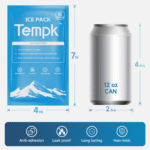
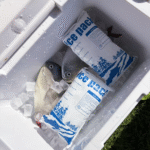
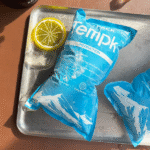
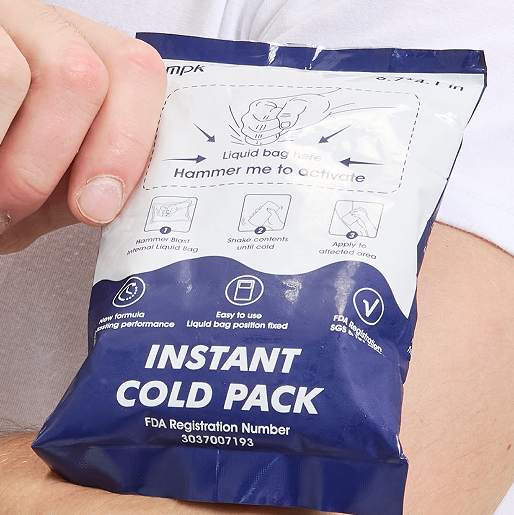
Komponen dasarnya adalah paket gel yang digunakan di dalam pengirim pasif atau paket berinsulasi. Karena formatnya fleksibel, ini bekerja dengan baik di mailer terisolasi, pengirim spesimen, karton kecil, dan perakitan kit di mana Anda memerlukan kontak yang luas namun mudah beradaptasi. Refrigeran berbahan dasar gel sering kali lebih disukai karena lebih bersih daripada es basah yang lepas dan lebih mudah dimasukkan ke dalam kemasan berulang..
Keputusan pembelian menjadi lebih jelas setelah Anda memisahkan tiga pertanyaan: terbuat dari apa bungkusan itu, bagaimana hal itu dikondisikan, dan apakah seluruh desain pengiriman cocok untuk produk tersebut. Kerangka kerja tersebut lebih berguna daripada membandingkan stok foto atau klaim retensi dingin yang umum.
Bagaimana sebenarnya refrigeran mengontrol suhu
Paket gel melindungi suhu dengan bertindak sebagai penyangga termal di dalam sistem pasif. Insulasi mengurangi laju perolehan panas dari luar paket, dan zat pendingin menyerap panas tersebut untuk jangka waktu terbatas setelah pengepakan. Kedengarannya sederhana, tetapi kinerja sangat bergantung pada pengondisian, penempatan, dan sensitivitas produk.
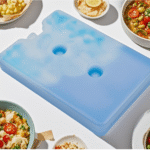
Kemasannya yang tipis memberi Anda lebih banyak kontak dan dapat mendingin lebih cepat, sedangkan balok atau batu bata yang lebih berat biasanya membawa lebih banyak cadangan. Selimut dan bantal meningkatkan cakupan; bantalan membuat antarmuka yang lebih datar; paket standar serbaguna dan mudah diubah posisinya. Geometri yang benar adalah yang mendukung jalur Anda tanpa membuang volume atau menciptakan titik dingin yang tidak aman.
Panduan publik untuk pengiriman spesimen suguhan paket dingin sebagai zat pendingin anti bocor yang dapat digunakan kembali dan menjelaskan bahwa bahan beku atau kriogenik mungkin memerlukan es kering atau pengirim kering sebagai gantinya. Mereka masih hanya satu komponen. Penahanan sekunder, bahan penyerap, pelabelan, dan peraturan barang berbahaya apa pun berada di atas pilihan bahan pendingin. Untuk program sensitif, desain untuk rute sebenarnya dan risiko penundaan, bukan hanya janji layanan yang ideal.
Mengapa pemilihan material penting
Dari segi materi, sebagian besar refrigeran gel komersial dibuat berdasarkan gel berbahan dasar air atau formulasi perubahan fasa lainnya yang disimpan di dalam lapisan luar yang tertutup rapat. Informasi produsen publik biasanya mengacu pada polietilen yang tahan lama atau film termoplastik serupa, jahitan yang disegel panas, dan desain yang dimaksudkan untuk mengurangi kebocoran selama penanganan. Konstruksi dasar itu terdengar sederhana, tapi perbedaan kecil dalam kekuatan film, kualitas segel, dan kontrol bobot isi dapat mengubah kinerja lapangan secara signifikan.
Dua properti lebih penting daripada yang diharapkan pembeli. Yang pertama adalah massa termal: lebih banyak massa biasanya berarti lebih banyak cadangan, tetapi juga menambah bobot pengangkutan dan konsumsi volume internal. Yang kedua adalah perilaku kontak: kemasan yang fleksibel dapat membungkus dan mendinginkan dengan cepat, sedangkan bentuknya yang kaku dapat membuat penempatannya lebih dapat diulang dan mengurangi pergerakan bungkusan di dalam kotak. Itulah mengapa ini adalah format yang paling serbaguna: mudah ditempatkan di atas, di bawah, atau di sekitar produk dan tersedia dalam berbagai berat dan dimensi.
Ada juga masalah disiplin data. Beberapa pemasok menerbitkan perkiraan rasio awal untuk pengiriman makanan dan parsel, seperti menggunakan sekitar satu pon bahan pendingin gel untuk setiap dua pon produk. Itu bisa berguna sebagai jalan pintas perencanaan, tapi itu bukan aturan desain. Musim, profil lingkungan, isolasi, ruang kosong karton, dan suhu awal produk dapat menjauhkan persyaratan dari rasio generik apa pun.
Ketika format ini masuk akal secara operasional
Kesesuaian biasanya dimulai dengan produk dan rutenya, bukan dengan katalog zat pendingin. Ini adalah format yang paling serbaguna: mudah ditempatkan di atas, di bawah, atau di sekitar produk dan tersedia dalam berbagai berat dan dimensi. Ketika formatnya cocok dengan jalurnya, itu bisa mengurangi kekacauan, meningkatkan kualitas penerimaan, dan membuat pekerjaan gudang lebih dapat diulang.
Pembeli biasanya mendapatkan hasil terbaik ketika zat pendingin masuk secara alami ke dalam pengirim berinsulasi yang ada, alur kerja freezer, dan proses penerimaan. Hal ini penting karena tim yang kuat secara teknis masih merupakan pilihan yang buruk jika tim kesulitan untuk mengkondisikannya, letakkan dengan benar, atau mengisinya kembali dengan andal.
Penggunaan laboratorium pada umumnya mencakup pengirim spesimen, pengisian reagen, kit diagnostik, dan pemindahan material dari lokasi ke lokasi yang memerlukan lingkungan sejuk tanpa penanganan es basah. Penanganan yang bersih, pola paket yang terdokumentasi, dan toleransi atas keterlambatan pengambilan atau penerimaan sering kali lebih berharga daripada klaim dingin yang dramatis.
Bagaimana memilih ukuran, massa, dan berkemas
Mulailah dengan rute dan toleransi produk, kemudian bekerja mundur ke refrigeran. Perubahan urutan tersebut mencegah banyak pembelian yang buruk karena memaksa Anda membandingkan paket dengan pengiriman yang sebenarnya Anda jalankan.
Ukur dimensi internal, bukan hanya ukuran karton eksternal. Periksa volume yang dapat digunakan, kemungkinan penempatan paket, dan apakah zat pendingin akan membuat kontak langsung dengan beban yang sensitif terhadap pembekuan. Fleksibilitasnya membantu pengepakan, namun kemasan yang sangat ringan dapat menjadi hangat dengan cepat pada rute yang jauh jika digunakan tanpa massa atau isolasi yang cukup. Di banyak program, pilihan terbaik adalah desain yang memenuhi jalur dengan paket berulang yang paling sederhana.
Alat pengambilan keputusan yang berguna
Periksa detailnya sebelum Anda memilih kemasan
Alat cepat ini dapat membantu Anda membandingkan risiko rute, kebutuhan ukuran, pilihan pendingin, dan detail kemasan sebelum Anda meminta penawaran.
Ketahanan Jatuh Bahan Isolasi
Tinjau ketahanan jatuh dan faktor penanganan sebelum memilih bahan insulasi.
Periksa resistensiKalkulator Es Kering
Perkirakan kebutuhan es kering untuk pengiriman beku atau sangat dingin sebelum pengepakan.
Perkirakan es keringPemeriksa Risiko Rute
Tinjau kondisi jalur sebelum memilih kemasan untuk mengetahui kebutuhan pengoperasian sebenarnya.
Periksa risiko ruteBandingkan juga metode pengkondisian, pementasan freezer, menerima logika, dan menunda toleransi. Beberapa pemasok menawarkan aturan praktis awal yang berguna, namun hal tersebut hanya boleh dianggap sebagai isyarat perencanaan sampai pengepakan telah diuji pada jalur yang realistis. Panduan pembeli menjadi berharga hanya jika berubah menjadi keputusan yang memperhatikan rute.
Mengapa dokumentasi dan kualifikasi masih penting
Salah satu perbedaan yang paling berguna bagi pembeli adalah garis antara komponen pendingin dan sistem pengiriman yang memenuhi syarat. Panduan WHO untuk waktu- dan obat-obatan yang sensitif terhadap suhu Paket gel, batu bata, botol, kantong, dan pendingin terkait sebagai media penstabil suhu di dalam wadah pasif. Beban kualifikasi berlaku untuk total desain, bukan untuk paket dingin saja.
Hal ini penting bahkan di luar bidang farmasi karena logika yang sama juga berlaku dalam bidang pangan, kosmetik, laboratorium, dan pekerjaan bioteknologi. Cold pack yang baik masih bisa menggagalkan pengiriman jika jalurnya, isolasi, atau pengepakan salah.
Kualifikasi pemasok adalah bagian dari batasan ini. Jika komponen pengemasan penting untuk proses kualitas Anda, tanyakan berapa berat isi, penyegelan, identifikasi, dan setiap perubahan desain di masa depan dikendalikan dan dikomunikasikan. Hal ini mengubah kepatuhan dari kata yang tidak jelas menjadi daftar pembelian.
Apa yang harus diverifikasi pembeli sebelum melakukan pemesanan massal
Daftar pilihan praktis menggabungkan pertanyaan teknik dengan pertanyaan pembelian. Anda tidak hanya membeli bentuk pendingin. Anda membeli pengulangan, disiplin pengisian ulang, dan hubungan kontrol perubahan. Anda harus bertanya tentang berat isi, ketebalan film, kualitas jahitan, dan bagaimana pemasok mengontrol konsistensi lot-to-lot.
- Dimensi internal vs eksternal. Mintalah kesesuaian internal yang tepat dengan pengirim atau karton berinsulasi yang sudah Anda gunakan, bukan hanya ukuran nominal paketnya.
- Volume yang dapat digunakan dan penempatan paket. Konfirmasikan apakah paket di atas berfungsi, di bawah, di samping, atau di sekitar produk dan berapa banyak ruang yang dapat dijual yang dikonsumsi.
- Detail bahan dan resin. Tanyakan struktur film apa yang digunakan, bagaimana jahitan dibuat, dan apakah kemasannya cukup tahan bocor untuk kondisi penanganan Anda.
- Protokol pengkondisian. Perjelas apakah kemasan harus dibekukan, didinginkan, atau ditempa sebelum digunakan, dan berapa lama waktu yang dibutuhkan untuk melakukan prakondisi di freezer gudang normal.
- Stackability dan efisiensi pengembalian. Untuk program yang lebih besar, tanyakan apakah paket kasusnya, pola palet, dan kemungkinan model penggunaan kembali meningkatkan efisiensi penyimpanan dan logistik balik.
- Pelabelan dan ketertelusuran. Periksa apakah banyak, kode tanggal, atau pengidentifikasi khusus dapat diterapkan secara konsisten untuk pekerjaan penerimaan dan penyelidikan.
- Konsistensi sampel hingga produksi. Mewajibkan pemasok untuk menjelaskan bagaimana sampel divalidasi, banyak percontohan, dan proses produksi massal tetap selaras dari waktu ke waktu.
- Moq, waktu tunggu, dan opsi khusus. Bandingkan ketersediaan stok dengan kapasitas kustom sebenarnya sehingga Anda tidak menyetujui format yang tidak dapat diisi ulang ketika permintaan meningkat.
- Tanyakan apakah pemasok dapat mempertahankan berat isi dan kualitas segel yang sama pada lot yang berulang.
- Periksa apakah bungkusan tersebut mudah untuk dimasukkan ke dalam jalur perakitan dan apakah jumlah kotak sesuai dengan ukuran rak dan tas jinjing Anda.
- Untuk alur kerja spesimen apa pun yang diatur, konfirmasi ketertelusuran di tingkat lot dan kompatibilitas dengan SOP Anda.
Pemasok yang baik menjawab poin-poin ini dengan jelas sebelum pesanan besar pertama. Disiplin awal ini akan menghemat waktu di kemudian hari ketika volume meningkat atau rute berubah.
Arah pasar saat ini dan tren operasional
Ekspektasi pembeli saat ini bergerak ke arah yang jelas. Perusahaan menginginkan komponen pendingin yang mendukung desain khusus rute, mengurangi limbah kemasan yang dapat dihindari, dan mengurangi kekacauan dalam pengepakan dan penerimaan. Inilah salah satu alasan mengapa format transportasi yang dapat digunakan kembali atau lebih tahan lama terus menarik perhatian dalam operasi rantai dingin.
Materi industri dan asosiasi seputar kemasan transportasi yang dapat digunakan kembali menyoroti logika bisnis yang sama: kemasan yang dirancang untuk beberapa perjalanan dapat mengurangi biaya per perjalanan dan menurunkan beban lingkungan jika putaran kembalinya nyata dan dikelola dengan baik. Tidak semua program dapat mendukung penggunaan kembali, namun perbincangan tentang sumber daya semakin mencakup kemampuan pengembalian, Daur ulang, dan efisiensi material secara keseluruhan dibandingkan hanya melihat harga per satuan.
Pembeli laboratorium beralih dari es basah yang berantakan ke es yang lebih bersih, refrigeran anti bocor yang sesuai dengan surat berinsulasi standar. Tim operasional semakin memilih kemasan yang tiba dalam keadaan tidak dibekukan atau dibekukan tergantung pada kapasitas freezer internal. Untuk pembeli, kesimpulan praktisnya adalah pemilihan pemasok kini mencakup intelijen operasional: yang bisa membantu kalian menyederhanakan jalur, meningkatkan pengulangan paket, dan mengurangi limbah tanpa membahayakan kinerja suhu.
Kesalahan sumber yang sering terjadi
Sebagian besar masalah pembelian tidak berasal dari cacat produksi yang parah. Mereka datang dari ketidakcocokan yang terjadi di antara kelompok, kotak itu, dan jalur. Pembeli menyetujui sampel yang menjanjikan, kemudian gudang menggunakan metode pengkondisian yang berbeda, atau kotak khusus berubah, atau rute musim panas lebih keras daripada jalur percontohan.
- Memilih berdasarkan harga satuan saja dan mengabaikan berat angkutan, dampak dimensi, dan tenaga kerja pengepakan.
- Menggunakan format refrigerant yang sesuai dengan foto katalog tetapi membuang volume internal di karton aslinya.
- Memperlakukan kemasan beku-padat sebagai kemasan yang aman secara universal meskipun produk tersebut sensitif terhadap pembekuan.
- Dengan asumsi lintasan pada satu jalur pendek membuktikan desain untuk setiap tujuan dan musim.
- Melewatkan banyak penelusuran dan kemudian kesulitan menyelidiki kebocoran, variasi isi, atau pengaduan di lapangan.
- Memesan dalam jumlah besar sebelum memastikan bahwa lot produksi sesuai dengan sampel yang disetujui.
- Membingungkan komponen zat pendingin yang bersih dengan sistem pengiriman yang memenuhi syarat untuk bahan yang diatur atau sensitif.
Untuk bahan beku atau kriogenik, es gel bukan pengganti es kering atau pengirim kering. Cara mengatasinya biasanya adalah pengujian yang disiplin, desain sadar rute, dan komunikasi pemasok yang lebih kuat – belum tentu paketnya lebih mahal.
FAQ
Bisakah laboratorium menggunakan es gel sebagai pengganti es kering?
Kadang-kadang, tetapi hanya pada kisaran suhu yang dapat ditoleransi oleh bahan tersebut. Pengiriman yang didinginkan atau didinginkan dapat menggunakan kemasan gel, sedangkan jalur beku dan kriogenik seringkali memerlukan es kering atau pengirim kering.
Berapa banyak paket gel yang cukup untuk pengirim spesimen?
Tidak ada hitungan universal. Panduan masyarakat menunjukkan bahwa satu paket seringkali tidak cukup, dan beberapa protokol memerlukan beberapa paket ditambah cadangan yang cukup untuk mengatasi penundaan. Rute dan kotak terisolasi masih menentukan pengemasan akhir.
Yang paling penting dalam pemasok laboratorium grosir?
Konsistensi banyak, ketahanan terhadap kebocoran, dimensi yang didokumentasikan, dan kemampuan untuk mendukung alur kerja kitting atau pengiriman spesimen yang berulang biasanya lebih penting daripada harga satuan yang rendah.
Versi singkat untuk pembeli
Hasil pembelian yang lebih baik biasanya diperoleh dari pencocokan bahan pendingin dengan rute dan tim operasi – bukan dari memilih opsi terdingin atau termurah secara terpisah.. Sebelum Anda menskalakan pembelian, konfirmasi geometri paket, metode pengkondisian, set isolasi, dan disiplin pemasok dalam kondisi yang sama yang akan dihadapi operasi Anda.
Tentang Tempk
Dan Tempk, kami fokus pada Kemasan yang dikendalikan suhu untuk pengiriman rantai dingin, termasuk Paket es, tas terisolasi, kotak pendingin, Dan penutup palet termal. Kami juga menawarkan solusi pengemasan khusus yang dibuat berdasarkan durasi pengangkutan, target suhu, ukuran, dan kebutuhan penanganan. Untuk tim yang mengevaluasi zat pendingin rantai dingin, kekuatan praktis kami adalah menggabungkan komponen pengemasan dengan pemikiran tingkat sistem sehingga solusinya sesuai dengan rutenya dibandingkan mengandalkan klaim flu biasa.
Langkah selanjutnya
Jika Anda membutuhkan yang lebih cocok untuk kisaran suhu Anda, waktu transit, atau program pesanan massal, mintalah rekomendasi pengemasan yang dibangun di sekitar jalur Anda yang sebenarnya. Untuk proyek khusus atau grosir, mulai dengan kotaknya, rute, dan sensitivitas produk – lalu pilih zat pendingin.