Ilmu Hayati Pabrik Kotak Terisolasi
Cara teraman untuk membeli ilmu kehidupan pabrik kotak berinsulasi adalah memulai dengan persyaratan pengiriman dan bekerja mundur ke kotak. Tentukan kisaran suhu produk, muatan, rute, serah terima, metode pendingin, dan bukti yang diperlukan pada saat penyampaian sebelum membahas materi, ukuran, atau branding. Kotak berinsulasi dapat menjadi wadah luar pelindung, pasif pengirim termal, atau bagian dari sistem pengemasan yang memenuhi syarat, tergantung pada bagaimana itu dirancang dan digunakan. Hal ini tidak boleh dianggap sebagai jaminan saja.
Mulailah dengan produknya, bukan kartonnya
Untuk ilmu kehidupan, kesalahan pembelian terbesar sering kali tersembunyi di lembar spesifikasi pertama. Pembeli menanyakan jenis kotak, padahal pengirimannya sebenarnya perlu cara yang terkendali. Pengiriman ilmu hayati mungkin memerlukan penanganan yang bersih, kejelasan lacak balak, kompatibilitas es kering atau pcm, dan dokumentasi di luar kemasan e-niaga biasa. Itu sebabnya permintaan penawaran harus menjelaskan produknya, rute, kondisi kedatangan yang diperlukan, dan dokumentasi kualitas apa pun sebelum menanyakan ukuran, warna, struktur dinding, atau harga satuan.
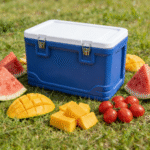
Kotak berinsulasi adalah penghalang terhadap panas atau dingin eksternal, bukan mesin pendingin aktif. Ini dapat digunakan sebagai wadah luar pelindung, pengirim terisolasi pasif, atau salah satu komponen di dalamnya memenuhi syarat Kemasan yang dikendalikan suhu sistem. Perbedaan itu penting. Kotak penanganan umum yang dapat digunakan kembali dapat membantu perlindungan dan perpindahan singkat, sedangkan pengirim pasif yang memenuhi syarat biasanya memerlukan pengaturan cairan pendingin yang ditentukan, prosedur pengepakan, bukti uji, dan aturan penerimaan. Untuk kotak berinsulasi yang dipasok pabrik untuk pengiriman ilmu hayati, pembeli harus menanyakan peran apa yang dimaksudkan untuk dimainkan oleh kotak tersebut sebelum menerima kata-kata kinerja apa pun.
Bangun paket berdasarkan realitas rute
Kesesuaian rute lebih penting daripada klaim waktu tunggu yang umum. Rute mencakup waktu penjemputan dan pengepakan, pra-pengkondisian, memanggungkan, penjemputan operator, pergerakan jarak jauh, bea cukai atau depo tinggal, pengiriman mil terakhir, dan proses penerimaannya. Setiap langkah dapat menambah paparan panas, getaran, acara pembukaan, atau penundaan. Jika rute berubah secara musiman atau berpindah melalui jaringan operator yang berbeda, keputusan pengemasan harus mencakup batas keamanan dan rencana eskalasi yang jelas jika terjadi penundaan.
Kesesuaian muatan harus diperiksa dengan ruang internal yang dapat digunakan, tidak hanya volume nominal. Karton produk, monitor suhu, bahan penyerap, jangka pembagi garis, liner, paket pendingin, dan dokumen dapat mengurangi ruang yang dapat digunakan. Jika kotaknya terlalu besar, ruang udara ekstra dapat meningkatkan kebutuhan dan pergerakan cairan pendingin selama penanganan. Jika terlalu ketat, produk mungkin menyentuh cairan pendingin secara langsung, menghalangi aliran udara atau menciptakan titik dingin.
Kisaran suhu yang diperlukan harus berasal dari spesifikasi produk, rencana keamanan pangan, tim mutu farmasi, atau kebutuhan pelanggan. Pemasok kotak dapat membantu mengusulkan paket, tetapi pembeli memiliki definisi tentang apa yang dimaksud dengan “kondisi kedatangan yang dapat diterima”.. Definisi tersebut harus mencakup batasan suhu, kondisi visual, toleransi kebocoran, dokumentasi, dan siapa yang memutuskan apa yang terjadi jika pembacaan berada di luar jangkauan.
Spesifikasi pembeli tidak boleh dibiarkan kabur
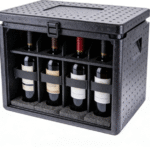
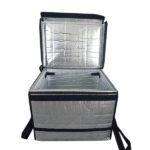
Struktur pengemasan berinsulasi yang umum mencakup kotak busa yang diperluas, wadah cetakan yang dapat digunakan kembali, pengirim berbasis panel, liner, isolasi berwajah foil, dan struktur berperforma lebih tinggi seperti panel berinsulasi vakum. Masing-masing memiliki trade-off dalam hal biaya, ketebalan, daya tahan, pemulihan, stabilitas dimensi, dan toleransi penanganan. Bahan yang cocok untuk satu jalur mungkin terlalu rapuh, terlalu besar, atau terlalu mahal untuk yang lain.
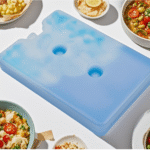
Kompatibilitas cairan pendingin sama pentingnya dengan isolasi. Paket gel mungkin cocok untuk banyak rute makanan dingin, Paket PCM dipilih ketika diperlukan perilaku suhu yang lebih sempit, dan es kering hanya digunakan saat produk, pembawa, dan prosedur keselamatan mengizinkannya. Pendingin harus dikondisikan menurut metode tertulis. Staf harus tahu ke mana setiap paket dibawa, berapa lama harus dibekukan atau dikondisikan, dan apa yang harus dilakukan bila paket tidak dapat diikuti.
Proses pembelian yang berguna dimulai dengan persyaratan tertulis. Sertakan jenis produk, kisaran suhu target, ukuran muatan, durasi rute, paparan lingkungan yang diharapkan, moda transportasi, metode pemuatan, menerima cek, dan dokumentasi apa pun yang dibutuhkan oleh kualitas atau pelanggan. Hal ini mencegah percakapan pemasok beralih ke klaim umum dan membantu kedua belah pihak memutuskan apakah kotak tersebut standar, ukuran yang dimodifikasi, alat khusus, liner, atau desain paket lengkap diperlukan.
Bukti pemasok dan kontrol kualitas
Pemasok harus dapat memisahkan fakta yang terbukti dari asumsi. Fakta yang terbukti dapat mencakup deskripsi material, ukuran, contoh gambar, dan menguji dokumen dalam kondisi yang ditentukan. Asumsi mencakup jalur yang belum diuji, muatan yang berbeda, jumlah cairan pendingin yang berbeda, atau mengubah desain penutupan. Komunikasi pemasok yang baik membuat batasan tersebut terlihat sebelum pesanan dilakukan.
Untuk program pabrik atau massal, pengendalian mutu harus mencakup persetujuan sampel, pemeriksaan material yang masuk, pemeriksaan produksi, kemasan karton, dan mengubah notifikasi. Untuk proyek khusus, gambar dan sampel yang disetujui harus diselaraskan sehingga tim produksi tidak menafsirkan desain secara berbeda dari sampel penjualan.
Panduan yang relevan dapat menginformasikan tinjauan tersebut, namun hal ini tidak boleh digunakan sebagai jalan pintas pemasaran. Untuk topik ini, area referensi yang berguna mencakup praktik barang berbahaya es kering jika relevan, Panduan kargo kesehatan IATA, Konsep pengujian termal ISTA. Panduan PDB dan EMA UE menggambarkan perlunya menjaga kualitas obat di seluruh rantai pasokan, sementara rute udara mungkin juga memerlukan peninjauan kargo dan barang berbahaya yang sensitif terhadap suhu IATA. Seorang pemasok dapat mengatakan bahwa suatu desain cocok untuk use case hanya jika kondisi pengujiannya, muatan, rencana pendingin, dan metode pengoperasiannya jelas. Jika suatu klaim terdengar universal, tanyakan kondisi pengiriman sebenarnya yang dijelaskan.
| Sebelum persetujuan | Pertanyaan untuk ditanyakan | Sinyal keputusan |
|---|---|---|
| Definisi kebutuhan | Produk apa, kisaran suhu, muatan, dan rute adalah kotak yang dirancang untuk itu? | Persyaratan yang jelas sebelum pemilihan ukuran dan bahan |
| Bukti paket | Memiliki kotak yang sama, pendingin, muatan, dan prosedur telah diuji atau dicoba? | Bukti sesuai dengan tujuan penggunaan dan bukan jalur yang berbeda |
| Kesesuaian operasional | Bisakah staf gudang mengemasnya dengan benar selama beban kerja normal? | Langkah yang dapat diulang dengan waktu yang realistis |
| Kontrol pemasok | Bagaimana sampelnya, gambar, bahan, dan perubahan produksi dikendalikan? | Unit massal tetap selaras dengan desain yang disetujui |
| Penanganan pengecualian | Apa yang terjadi setelah penundaan, tamasya, kerusakan, kebocoran, atau pengiriman gagal? | Tim mengetahui responsnya sebelum peluncuran |
Tabel persetujuan ini memberikan pengadaan, Operasi, dan tim berkualitas merupakan daftar periksa bersama. Hal ini juga membantu mencegah persetujuan sampel berubah menjadi perubahan produksi yang tidak terkendali di kemudian hari.
Ketika kotak itu tidak cukup
Kotak berinsulasi tidak cukup bila rutenya lebih panjang dari desain termal, produk memerlukan dokumentasi yang ketat, cairan pendingin tidak dapat dikondisikan dengan benar, atau staf tidak dapat mengikuti paket tersebut. Tidak cukup juga jika pengiriman menggunakan es kering tanpa adanya tinjauan keamanan, vaksin tanpa logika pencegahan pembekuan, atau makanan tanpa kontrol kebersihan. Dalam kasus tersebut, pembeli membutuhkan sistem pengemasan dan prosedur pengoperasian yang lebih lengkap.
Jangan menganggap ketebalan dinding sebagai satu-satunya tanda kinerja. Ketebalan dapat membantu, tapi bahan insulasi, tutup pas, kebocoran sudut, posisi pendingin, kontak muatan, paparan lingkungan, dan disiplin penanganan juga mempengaruhi hasil. Paket yang lebih tipis namun dirancang lebih baik mungkin mengungguli desain besar pada rute pendek, sementara panel berkinerja tinggi mungkin tidak diperlukan untuk jalur lokal yang berisiko rendah.
Jangan menyalin kemasan pesaing tanpa memahami produk dan jalurnya. Dua pengiriman dapat menggunakan kotak serupa tetapi berperilaku berbeda karena muatannya massal, suhu pendingin, ruang udara, musim rute, dan frekuensi penanganannya berbeda. Meniru tata letak juga dapat menimbulkan risiko pembekuan jika produk sensitif dan cairan pendingin ditempatkan terlalu dekat.
Alat pengambilan keputusan yang berguna
Periksa detailnya sebelum Anda memilih kemasan
Alat cepat ini dapat membantu Anda membandingkan risiko rute, kebutuhan ukuran, pilihan pendingin, dan detail kemasan sebelum Anda meminta penawaran.
Kalkulator Es Kering
Perkirakan kebutuhan es kering untuk pengiriman beku atau sangat dingin sebelum pengepakan.
Perkirakan es keringPembuat Daftar Periksa Kepatuhan
Buatlah daftar periksa praktis untuk tinjauan kemasan, pengiriman, dan dokumentasi.
Buat daftar periksaKetahanan Jatuh Bahan Isolasi
Tinjau ketahanan jatuh dan faktor penanganan sebelum memilih bahan insulasi.
Periksa resistensiContoh Lapangan: pilot yang lebih aman sebelum pembelian massal
Tim pengadaan yang merencanakan pembelian ilmu hayati dapat menerima harga pabrik yang menarik setelah menyetujui satu sampel. Sebelum memesan dalam jumlah banyak, tim harus menjalankan uji coba dengan sampel seperti produksi, konfirmasi kemasan karton, memeriksa konsistensi penutupan, dan dokumentasikan metode pengemasannya. Kotak yang lebih murah menjadi mahal jika operator memerlukan cairan pendingin ekstra, waktu pengemasan ulang, atau penyortiran manual karena unit produksi berbeda dengan sampel.
Setelah pilotnya, pembeli harus meninjau apa yang gagal terlebih dahulu. Jika penyimpangan suhu terjadi selama pementasan, mengubah prosedur gudang mungkin lebih membantu daripada mengganti kotak. Jika karton produk hancur, dukungan internal atau ukuran yang berbeda mungkin penting. Jika staf tidak dapat berkemas secara konsisten, desainnya mungkin memerlukan kompartemen yang lebih jelas atau langkah yang lebih sedikit. Tujuannya bukan agar paket terlihat sempurna di atas kertas, tapi untuk membuatnya bisa diulang.
Catatan ulasan pembeli tambahan
Spesifikasi yang kuat untuk ilmu kehidupan pabrik kotak terisolasi harus menjelaskan apa yang diketahui, apa yang harus diverifikasi, dan apa yang tidak boleh diasumsikan. Fakta yang diketahui mungkin mencakup kategori produk, dimensi kemasan, mode pengiriman yang diharapkan, dan proses penanganan dasar. Item yang akan diverifikasi mencakup volume yang dapat digunakan, kuantitas pendingin, penundaan rute, konsistensi bahan, dan bukti suhu. Asumsi yang tidak boleh ditulis sebagai fakta mencakup waktu tunggu universal, kesesuaian peraturan otomatis, dan kinerja pada rute yang belum diuji atau diujicobakan.
Pihak penerima patut mendapat perhatian yang sama seperti pengepakan. Sebuah paket dapat dirancang dengan baik dan masih menimbulkan masalah jika penerima terlambat membukanya, menyimpannya di tempat yang salah, membuang monitornya, atau tidak tahu bagaimana menilai kondisi produk. Untuk rute B2B berulang, menulis instruksi penerimaan dalam bahasa operasional yang sederhana. Sertakan apa yang harus diperiksa terlebih dahulu, kapan harus meningkat, dan bukti apa yang harus disimpan.
Penyelarasan internal juga merupakan bagian dari kinerja pengemasan. Pengadaan mungkin menginginkan stabilitas harga, operasi mungkin ingin pengepakan yang mudah, kualitas mungkin memerlukan bukti yang terdokumentasi, dan bagian penjualan mungkin menginginkan pengalaman membuka kotak yang lebih baik. Desain akhir tidak boleh hanya melayani satu departemen saja. Satukan persyaratan ini sebelum pesanan dipindahkan ke perkakas, branding, atau produksi massal.
Tinjauan akhir harus menanyakan apakah kemasan tersebut dapat digunakan pada hari yang buruk. Hari baik menyembunyikan spesifikasi yang lemah. Penjemputan terlambat, pementasan panas, upaya pengiriman yang terlewat, operator baru, atau muatan yang sedikit berbeda dapat menimbulkan masalah yang tidak terlihat selama pengujian sampel sempurna. Jika paket ditujukan untuk skala, proses persetujuan harus mencakup variasi yang realistis tersebut.
Tinjauan biaya harus mencakup lebih dari harga kotak yang dikutip. Pendingin ekstra, karton luar yang lebih besar, pengepakan lebih lambat, pengiriman yang gagal, kembali, pekerjaan pembersihan, penanganan klaim, dan pembuangan semuanya mempengaruhi biaya sebenarnya dari keputusan pengemasan. Paket yang terlihat lebih mahal per unitnya mungkin akan lebih murah jika mengurangi kesalahan operator, menurunkan kerusakan, atau membuat pemeriksaan kedatangan lebih jelas. Paket yang terlihat murah mungkin mahal jika memerlukan koreksi manual terus-menerus.
Rapat persetujuan akhir harus mencakup pengadaan, operasi gudang, kualitas, dan tim bisnis yang memiliki janji pelanggan. Pengadaan dapat mengonfirmasi harga dan persyaratan pemasok. Operasi dapat memastikan apakah paket tersebut realistis. Kualitas dapat menentukan apakah penanganan bukti dan penyimpangan dapat diterima. Tim bisnis dapat menilai apakah kondisi kedatangan sesuai dengan janji yang diberikan kepada pelanggan. Tinjauan bersama ini sering kali mencegah masalah yang dapat dihindari setelah peluncuran.
Pelatihan harus menjadi bagian dari peluncuran kemasan. Kotak berinsulasi baru dapat rusak jika operator tidak mengetahui urutan cairan pendingin, urutan pemuatan, waktu pementasan maksimum, penempatan label, atau aturan pengecualian. Foto sederhana, kartu paket, dan menerima catatan bisa lebih efektif daripada manual panjang yang tidak dibaca oleh siapa pun selama masa sibuk. Sebuah desain kemasan benar-benar siap hanya jika staf biasa dapat mengulanginya dalam beban kerja normal.
FAQ
Apakah ilmu kehidupan pabrik kotak berinsulasi cukup untuk pengiriman dengan suhu yang dikontrol dengan sendirinya?
TIDAK. Kotak memperlambat perpindahan panas, namun pengirimannya juga membutuhkan cairan pendingin yang benar, tata letak muatan, pra-pengkondisian, kontrol rute, dan proses penerimaan. Untuk produk berisiko tinggi, pembeli harus meminta bukti pengujian atau menjalankan uji coba pada kondisi rute yang diinginkan sebelum menggunakan kemasan dalam skala besar.
Apa yang harus saya kirimkan ke pemasok sebelum meminta penawaran?
Bagikan jenis produk, kisaran suhu yang diperlukan, ukuran muatan, durasi rute, moda transportasi, paparan lingkungan yang diharapkan, serah terima pembawa, dan kebutuhan dokumentasi apa pun. Semakin lengkap persyaratannya, semakin mudah bagi pemasok untuk merekomendasikan ukuran standar, desain khusus, liner, rencana pendingin, atau pendekatan kualifikasi.
Bisakah satu desain kotak terisolasi menyajikan makanan, farmasi, dan pengiriman ilmu kehidupan?
Terkadang struktur luarnya mungkin serupa, tetapi persyaratan pengoperasiannya berbeda. Makanan mungkin fokus pada kebersihan dan kebocoran, farmasi tentang dokumentasi dan pengendalian penyimpangan, dan pengiriman ilmu hayati tentang perlindungan sampel atau aturan es kering. Perlakukan setiap kategori produk sebagai tinjauan paket terpisah.
Bagaimana seharusnya pesanan massal dikontrol setelah persetujuan sampel?
Catat gambar yang disetujui, bahan, desain penutupan, liner, ukuran, kemasan karton, dan asumsi paket apa pun. Tanyakan kepada pemasok bagaimana perubahan produksi dikendalikan. Ketika kemasan mendukung produk yang sensitif terhadap suhu, bahkan perubahan kecil pun harus ditinjau sebelum diterima untuk pengiriman berulang.
Kesimpulan
Life Science Pabrik Insulated Box yang tepat adalah yang sesuai dengan produknya, rute, rencana pendingin, proses penanganan, dan persyaratan bukti. Kotak yang kuat dengan prosedur yang lemah tetap merupakan pengiriman yang lemah. Kotak sederhana yang digunakan di jalur kanan dengan paket berulang mungkin lebih aman daripada paket mahal yang dipilih tanpa pemahaman rute.
Sebelum memesan, tentukan kisaran suhu yang diperlukan, muatan yang dapat digunakan, paparan rute, metode paket, kebutuhan pemantauan, bukti pemasok, dan ekspektasi pengendalian perubahan. Kemudian uji atau uji coba desain tersebut dalam kondisi realistis. Pendekatan ini mengurangi kemungkinan pesanan massal menjadi pelajaran yang mahal setelah peluncuran.
Tentang tempk
Tempk membantu pembeli rantai dingin menghubungkan pilihan kemasan dengan detail praktis desain pengiriman. Untuk ilmu kehidupan, itu berarti mendiskusikan kebutuhan produk, rute, muatan, pilihan pendingin, format kotak terisolasi, dan apa yang harus diperiksa sebelum berpindah dari sampel ke pesanan massal. Ruang lingkup kami meliputi Gel Ice Packs, Paket es kering, terisolasi kantong termal, Kotak berinsulasi EPP, kotak pengiriman dingin, liner, penutup palet, dan bahan pengemas terkait untuk barang sensitif terhadap suhu.
Diskusikan rute Anda, muatan, kisaran suhu, dan kebutuhan paket dengan Tempk sebelum menskalakan pesanan, terutama bila pengirimannya melibatkan produk-produk yang sensitif terhadap suhu dan bernilai tinggi.