Kotak terisolasi untuk Desain Layanan Penyedia Logistik: Lima Gerbang Keputusan
Membeli kotak berinsulasi untuk digunakan penyedia logistik itu mudah; mendefinisikan layanan yang dapat dipertahankan di sekitarnya lebih sulit. Kontainer harus sesuai dengan muatannya, tantangan termal, jaringan transportasi, operasi pengepakan, persyaratan bukti, dan model pemulihan. Isolasi hanya memperlambat perpindahan panas, jadi kinerja berasal dari paket yang dirakit dan orang-orang yang mempersiapkan dan menanganinya. Tinjauan lima gerbang membantu tim menghindari pemilihan produk yang prematur. Setiap gerbang menghasilkan keputusan yang komersial, Operasi, pengadaan, dan tim kualitas dapat menggunakannya sebelum layanan mencapai pengiriman langsung.
Gerbang Satu: Tentukan Kotak Terisolasi untuk Amplop Layanan Penyedia Logistik
Permintaan pelanggan sering kali datang sebagai "pengiriman dingin," "kotak beku," atau jumlah jam yang diinginkan. Tidak ada yang cukup detail untuk memilih kemasan. Ubah permintaan menjadi amplop layanan: deskripsi produk yang terkontrol, muatan, rute, kondisi, penanganan, dan bukti bahwa penyedia siap mendukungnya.
Mulailah dengan kondisi pengangkutan yang disetujui pemilik produk. Jangan menetapkan rentang industri yang sama hanya karena produknya adalah makanan, obat, atau sampel laboratorium. Produk berbeda dalam kategori yang sama dapat memiliki batasan berbeda dan respons berbeda terhadap kunjungan singkat. Catat siapa yang memiliki spesifikasi dan siapa yang akan mengevaluasi peristiwa di luarnya.
Tentukan muatan sebagai amplop, bukan kapasitas katalog. Sertakan beban antisipasi terkecil dan terbesar, dimensi paket produk sebenarnya, massa, kondisi awal, orientasi, dan penahanan sekunder apa pun. Kemudian hitung ruang yang dapat digunakan setelah cairan pendingin, jangka pembagi garis, bahan penyerap, atau komponen wajib lainnya dipasang. Volume internal kotor bukanlah janji pengiriman.
Petakan waktu dari awal pengepakan hingga transfer ke penyimpanan yang sesuai di tempat tujuan. Transit operator terjadwal hanya satu segmen. Sertakan pementasan, pemutusan pengumpulan, hub tinggal, tinjauan bea cukai atau keamanan, upaya pengiriman, dan asupan penerima barang. Identifikasi kasus penundaan yang kredibel dan putuskan apakah desain harus mencakup hal tersebut atau apakah kemungkinan lain akan diterapkan.
Output dari Gerbang Satu harus cukup singkat untuk ditinjau namun cukup tepat untuk mencegah asumsi yang tidak jelas. Jika suatu bidang masih belum diketahui, tetapkan pemilik dan jangan biarkan kelalaian pemasok menjadi persyaratan secara tidak sengaja.
Gerbang Dua: Pilih Arsitektur Kontrol yang Tepat
Kotak berinsulasi adalah salah satu bagian yang mungkin dari distribusi yang dikontrol suhu. Pilih perannya dengan membandingkan arsitektur kontrol, bukan dengan menambahkan setiap lapisan yang tersedia.
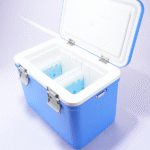
Wadah penanganan umum melindungi terhadap benturan, kotoran, atau air tetapi mungkin memiliki fungsi termal yang terbatas. Kotak berinsulasi mengurangi pertukaran panas tetapi tidak menghasilkan pendinginan. Sistem pengiriman pasif menggabungkan selungkup berinsulasi dengan cairan pendingin terkondisi dan pengaturan terkontrol. Wadah aktif menggunakan pemanas atau pendingin bertenaga. Kendaraan berpendingin mengontrol ruang kargonya, sementara pencatat suhu mencatat kondisi tanpa mengubahnya.
Fungsi-fungsi ini dapat digabungkan, namun lebih banyak komponen tidak secara otomatis berarti kontrol yang lebih baik. Pengirim pasif yang ditempatkan di kendaraan berpendingin dapat memberikan perlindungan yang berguna selama transfer. Ia juga dapat menghadapi lingkungan yang lebih dingin daripada perkiraan desain cuaca panasnya. Pencatat data dapat mengungkapkan paparan tetapi tidak dapat mengkompensasi cairan pendingin yang hilang. Cangkang luar plastik yang tahan lama dapat meningkatkan penanganan namun tidak menjelaskan apa pun tentang kualifikasi sistem termal di dalamnya.
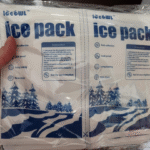
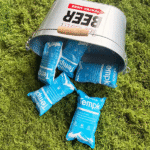
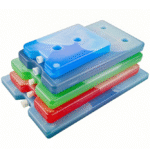
Pendingin juga sama spesifiknya. Paket berbahan dasar air dan bahan pengubah fasa yang direkayasa menyimpan energi panas di dekat transisi fasanya. Pengkondisian dan penempatannya mempengaruhi durasi dan risiko flu lokal. Es kering menghasilkan suhu dan gas karbon dioksida yang sangat rendah, memerlukan desain ventilasi yang sesuai, penanganan yang aman, dan pengendalian barang berbahaya pada modus tertentu. Kata-katanya "paket es" atau "PCM" jangan mengidentifikasi komponen yang dapat dipertukarkan.
Pilih kandidat arsitektur dengan bertanya:
- Bisakah itu mendukung kondisi yang dibutuhkan produk tanpa menimbulkan risiko sisi sebaliknya?
- Apakah paket lengkap sesuai dengan muatan minimum dan maksimum?
- Dapat mengatur kondisi staf asal dan merakitnya berulang kali pada volume perkiraan?
- Bisakah jaringan menangani bebannya, orientasi, penutup, dan dimensi eksternal?
- Bisakah tujuan menerimanya dan, jika dapat digunakan kembali, mengembalikannya?
- Apakah ada jalur yang kredibel untuk menghasilkan atau memperoleh bukti yang diperlukan?
Hasilnya belum merupakan layanan yang disetujui. Ini adalah konfigurasi kandidat yang siap untuk Gerbang Tiga.
Gerbang Tiga: Verifikasi Batas Bukti
Pertanyaan utama tentang pengadaan adalah bukan "Apakah kotak ini sudah diuji?" Dia "Sistem persis apa yang diuji, dalam kondisi apa, terhadap kriteria apa, dan bagaimana kaitannya dengan cakupan layanan kami?" Tinjauan bukti yang berguna memisahkan fakta yang didukung dari asumsi pemasok dan dari pekerjaan yang masih perlu dilakukan oleh penyedia logistik.
| Barang bukti | Sungguh sebuah catatan yang bermanfaat | Keputusan yang didukungnya |
|---|---|---|
| Definisi komponen | Kotak, tutup, isolasi, pendingin, menyisipkan, penutup, dan versi | Apakah paket yang dibeli sesuai dengan artikel pengujian |
| Definisi muatan | Ukuran, massa, kondisi awal, tata letak, dan rentang beban | Apakah pengiriman sebenarnya termasuk dalam amplop yang didukung |
| Tantangan termal | Urutan sekitar, durasi tes, orientasi, dan menangani | Apakah pengujian tersebut cukup mewakili jalur yang diusulkan |
| Metode pengkondisian | Peralatan, kondisi yang ditetapkan, persiapan, verifikasi, dan pementasan | Apakah operasi asal dapat mereproduksi keadaan yang diuji |
| Rencana sensor | Lokasi, status kalibrasi, selang, dan pendekatan ketidakpastian | Apakah panas, dingin, dan wilayah tengah dikarakterisasi |
| Kriteria penerimaan | Batas ruang produk dan penanganan penyimpangan | Apa "lulus" sebenarnya berarti |
| Hasil dan ulasan | kurva, ulangi berjalan, penyimpangan, batas, dan persetujuan | Seberapa kuat solusi yang muncul dan di mana letak batasannya |
| Ubah kontrol | Identitas komponen dan proses notifikasi | Apakah pasokan di kemudian hari tetap terhubung dengan bukti |
Tabel ini mencegah durasi judul menjadi argumen kualifikasi keseluruhan. Dua sistem dapat mencapai titik akhir yang sama namun menunjukkan risiko dingin awal yang berbeda, pemanasan yang terlambat, gradien, atau pengulangan. Tinjau kurva dan kondisi operasional, bukan hanya gelar sertifikat.
Pengujian harus sesuai dengan risiko. Standar ISTA 7E menyediakan profil termal yang dikembangkan untuk pengujian pengiriman paket dan dapat digunakan dengan proses kualifikasi yang lebih luas. Materi teknis WHO untuk obat-obatan yang sensitif terhadap suhu menjelaskan kualifikasi kontainer pengiriman, pembuatan profil rute, dan pemantauan transportasi. PDB UE mengharapkan produk obat tetap berada dalam kondisi transportasi yang ditentukan dan peralatannya sesuai untuk digunakan. Persyaratan transportasi sanitasi FDA mungkin berlaku untuk pergerakan makanan yang dilindungi dengan kendaraan bermotor atau kereta api di Amerika Serikat. Iso 23412 mencakup hal tidak langsung tertentu, model layanan parsel berpendingin dan membedakannya dari parsel yang membawa zat pendinginnya sendiri. Persyaratan ATP dan IATA mungkin penting untuk pergerakan makanan atau udara internasional tertentu yang mudah rusak.
Tak satu pun dari referensi tersebut memberikan persetujuan menyeluruh pada kotak berinsulasi. Tentukan standar yang mana, peraturan, kebutuhan pelanggan, dan prosedur internal berlaku untuk produk, yurisdiksi, dan modus. Catat edisi atau sumber yang digunakan. Carilah masukan peraturan atau kualitas yang memenuhi syarat ketika cakupannya tidak pasti.
Kualifikasi harus membahas konfigurasi lengkap. Untuk layanan berisiko tinggi atau teregulasi, rencana tersebut mungkin mencakup tinjauan desain, pengujian operasional di bawah tantangan lingkungan yang ditentukan, pekerjaan pertunjukan pada rute yang representatif, tes distribusi fisik, dan pemantauan terkendali. Pengiriman lapangan yang berhasil merupakan bukti yang berguna tentang peristiwa tersebut tetapi tidak membuktikan kesesuaian universal. Sebaliknya, uji ruang tidak membuktikan bahwa pengepakan, hub, dan penerima akan menjalankan metode tersebut dengan benar.
Gerbang Tiga ditutup hanya ketika tim pemberi persetujuan memahami apa yang didukung dan batasan mana yang termasuk dalam deskripsi layanan.
Alat pengambilan keputusan yang berguna
Periksa detailnya sebelum Anda memilih kemasan
Alat cepat ini dapat membantu Anda membandingkan risiko rute, kebutuhan ukuran, pilihan pendingin, dan detail kemasan sebelum Anda meminta penawaran.
Pemilih Kemasan
Bandingkan opsi kemasan berinsulasi berdasarkan produk, rute, dan kebutuhan suhu.
Temukan kemasannyaKetahanan Jatuh Bahan Isolasi
Tinjau ketahanan jatuh dan faktor penanganan sebelum memilih bahan insulasi.
Periksa resistensiPelapis Kotak & Ukuran Penutup Palet
Centang kotak logika ukuran penutup palet dan liner untuk proyek pengemasan berinsulasi.
Perkiraan ukuranGerbang Empat: Pengulangan Insinyur di Setiap Serah Terima
Paket yang memenuhi syarat masih bisa gagal sebagai operasi. Ubah konfigurasi yang diterima menjadi instruksi dan kontrol berbasis peran.
Di tempat asal, menetapkan lokasi penyimpanan terkontrol untuk komponen kotak dan cairan pendingin. Pastikan peralatan pengkondisian memiliki kapasitas yang cukup untuk volume puncak, termasuk pemulihan setelah pembukaan pintu dan muatan baru. Identifikasi komponen sehingga staf tidak dapat dengan mudah mengganti paket serupa. Tentukan pementasan muatan, eksposur perakitan maksimum, urutan muatan yang tepat, pengatur jarak, lokasi pencatat, penutup, segel, label, dan lepaskan cek.
Gunakan instruksi kerja visual jika orientasi penting. Cantumkan alasan pada detail yang berisiko tinggi. Pengemas cenderung tidak menghilangkan penghalang jika petunjuknya menjelaskan bahwa penghalang tersebut mencegah kontak langsung dengan cairan pendingin. Pelatihan harus diakhiri dengan paket yang ditunjukkan dan keputusan kompetensi yang terdokumentasi. Pekerja sementara dan lokasi darurat memerlukan kontrol yang sama, bukan tebakan singkat.
Pada penerimaan operator, penyimpanan catatan dan persyaratan penanganan khusus layanan apa pun. Hub memerlukan respons singkat untuk shell yang rusak, tutup terbuka, paket basah, label hilang, atau penundaan. Jika pemeriksaan memerlukan pembukaan, menentukan siapa yang berwenang, bagaimana komponen dilindungi, apakah sistem dapat dipulihkan, dan bagaimana peristiwa itu dicatat. Jangan biarkan pengemasan ulang yang informal menghapus hubungan dengan kualifikasi.
Di tempat tujuan, menyelaraskan pengiriman dengan kemampuan menerima. Penerima barang harus tahu ke mana kiriman itu pergi, pemeriksaan mana yang harus dilakukan, cara menghentikan atau membaca peralatan pemantauan, dan siapa yang harus dihubungi. Alarm tamasya adalah sinyal untuk penilaian. Tidak, dengan sendirinya, aturan pelepasan atau penolakan universal. Informasi stabilitas produk dan keputusan kualitas yang bertanggung jawab diperlukan.
Contoh praktis: meluncurkan jalur layanan kesehatan dua hub
Bayangkan sebuah penyedia ingin menambahkan layanan paket kesehatan semalam melalui dua hub. Pemasok pengemasan menawarkan kotak pasif dengan data ruang yang menguntungkan. Daripada mengandalkan pernyataan durasi, penyedia membandingkan profil ambien dan muatan yang diuji dengan cakupan layanannya. Ditemukan bahwa muatan minimum yang diharapkan lebih kecil dan hub kedua dapat menampung paket melebihi batas yang direncanakan.
Tim menambahkan pengaturan beban minimum yang dievaluasi, mendefinisikan peningkatan penundaan di hub kedua, dan menjalankan uji coba terkontrol menggunakan staf pengepakan akhir dan proses penerimaan. Pemantauan menunjukkan pengambilan data di tempat tujuan tidak konsisten, jadi peluncurannya dijeda sementara tanggung jawab dan pelatihan diperbaiki. Tidak diperlukan hasil pelanggan yang dibuat-buat untuk melihat pelajarannya: bukti operasional dapat mengungkapkan proses yang lemah bahkan ketika kotak itu sendiri bekerja sesuai harapan.
Tinjauan rutin harus menggabungkan kejadian suhu dengan sinyal proses. Lacak penyimpangan paket, pengecualian pengkondisian, penutupan yang rusak, logger yang hilang, catatan yang belum dibaca, hub dipegang, menerima penundaan, dan substitusi komponen. Tren dapat menunjukkan hilangnya kendali sebelum perubahan suhu utama terjadi.
Gerbang Lima: Menskalakan Biaya dan Keberlanjutan Tanpa Kehilangan Kendali
Harga satuan adalah sebagian kecil dari biaya layanan. Sistem satu arah memerlukan penyimpanan masuk, perakitan, pengkondisian cairan pendingin, tenaga kerja, kubus barang, penanganan sampah tujuan, dan penggantian setelah setiap pengiriman. Sistem yang dapat digunakan kembali menambah pembelian aset, identifikasi, transportasi terbalik, koleksi tinggal, pembersihan, pengeringan, inspeksi, memperbaiki, kehilangan, penyimpanan, dan pensiun. Bandingkan opsi pada fungsi pengiriman yang sama dan jaringan sebenarnya.
Kotak yang dapat digunakan kembali cenderung lebih masuk akal dalam pengoperasiannya ketika jalur sering dilalui, tujuan diketahui, backhaul ada, aset dapat dipindai, dan fasilitas pusat dapat memeriksa dan membersihkannya. Jaringan yang terpencil atau sangat tersebar dapat menghabiskan banyak sumber daya untuk memulihkan kekosongan atau mungkin kehilangan unit sebelum menyelesaikan siklus yang cukup. Dampak lingkungan bergantung pada penggunaan aktual yang telah selesai dan pergerakan kembalinya, tidak pada kata-kata "dapat digunakan kembali."
Untuk pengemasan satu arah, ukuran yang tepat dapat mengurangi material dan kubus pengangkutan, namun harus mempertahankan muatan yang didukung dan desain termal. Tanyakan apakah fasilitas tujuan dapat memisahkan dan memulihkan komponen sebenarnya. Jalur daur ulang secara teoritis tidak sama dengan pengumpulan lokal. Untuk kemasan yang dapat digunakan kembali, tentukan bahan pembersih yang kompatibel, kondisi bilas dan kering, titik pemeriksaan, suku cadang pengganti, dan kriteria pensiun. Lapisan yang rusak atau isolasi basah dapat menjadi masalah termal dan kebersihan.
Peraturan pengemasan dan ekspektasi pelaporan pelanggan meningkatkan perhatian terhadap desain siklus hidup, Daur ulang, dan digunakan kembali di beberapa pasar. Kerangka kerja pengemasan dan limbah pengemasan Uni Eropa adalah salah satu contoh terkini, tetapi kewajiban tergantung pada operator, format kemasan, rute, dan waktu. Dapatkan saran khusus pasar terkini daripada mendeskripsikan kotak apa pun sebagai sesuai secara otomatis.
Skalakan dalam langkah-langkah terkontrol. Mulailah dengan sampel yang sesuai dengan desain produksi yang diusulkan. Pastikan kesesuaian dan ergonomisnya. Menghasilkan atau meninjau bukti termal dan fisik. Uji coba proses akhir pada volume yang dapat dikelola. Bekukan bill of material dan instruksi. Menetapkan pemberitahuan perubahan pemasok dan pemeriksaan masuk. Perluas hanya setelah penyimpangan awal dipahami.
Pertanyaan yang sering diajukan
Berapa banyak ukuran kotak berinsulasi yang harus ditawarkan oleh penyedia logistik?
Tidak ada nomor universal. Bangun ukuran di sekitar cluster muatan nyata, ruang pendingin, peralatan penanganan, dan bukti daripada mengisi setiap celah dalam katalog. Ukuran yang terlalu kecil dapat menciptakan ruang udara yang tidak efisien atau beban yang tidak tertopang; terlalu banyak meningkatkan inventaris dan kompleksitas pelatihan. Platform yang terkontrol dapat menggunakan jejak eksternal umum dengan konfigurasi internal yang disetujui dengan jelas.
Haruskah pemasok atau penyedia logistik memenuhi syarat paket tersebut?
Pemasok dapat memberikan bukti desain dan pengujian yang berharga, namun penyedia logistik dan pemilik produk harus memutuskan apakah produk tersebut mendukung muatan yang diinginkan, jalur, Operasi, dan persyaratan kualitas yang berlaku. Tanggung jawab harus didokumentasikan. Pengujian khusus pelanggan, pekerjaan rute, atau persetujuan mungkin masih diperlukan, terutama ketika layanan berbeda dari konfigurasi yang dievaluasi pemasok.
Merupakan bukti pencatat suhu bahwa produk tetap dapat diterima?
Seorang logger mendokumentasikan pembacaan di lokasi sensornya. Menafsirkan pembacaan tersebut memerlukan batas produk yang disetujui, konteks sensor dan kalibrasi, penempatan, waktu, dan proses ekskursi. Itu tidak dapat menunjukkan setiap titik dalam muatan atau melindungi kiriman. Penerimaan produk harus diputuskan oleh pihak yang berwenang dengan menggunakan informasi stabilitas dan kualitas yang relevan.
Perubahan apa yang harus memicu penilaian ulang?
Tinjau perubahan pada material kotak atau geometri, pendingin, pengkondisian, jangkauan muatan, komponen internal, penutup, lokasi pencatat, rute, pusat, mode, waktu layanan, pembersihan, atau pemasok. Respons yang diperlukan dapat berkisar dari penilaian terdokumentasi hingga kualifikasi tambahan. Tetapkan pemicu sebelum peluncuran sehingga perubahan operasional dan komersial tidak mengabaikan tinjauan kualitas.
Kesimpulan
Sebuah kotak terisolasi untuk layanan penyedia logistik harus melewati lima gerbang: amplop pengiriman yang tepat, arsitektur kontrol yang sesuai, bukti yang sesuai dengan penggunaannya, serah terima yang berulang, dan model siklus hidup yang dapat diskalakan. Disiplin utamanya adalah menjaga agar klaim tetap melekat pada paket yang tepat dan kondisi yang mendukungnya. Isolasi, pendingin, muatan, rute, rakyat, data, dan pemulihan semuanya milik desain. Ketika elemen-elemen tersebut tetap terhubung, penyedia dapat mengutip batasan layanan yang jelas, selidiki pengecualian, dan meningkatkan kinerja tanpa bergantung pada klaim kotak universal.
Tentang tempk
Tempk menyediakan kategori pengemasan pengatur suhu yang berfokus pada bisnis, termasuk kotak isolasi, Paket es, tas terisolasi, Dan penutup palet termal. Kita dapat mendiskusikan kandidat pengemasan dan penyesuaian dalam konteks muatan, rute, paket, penanganan, dan menggunakan kembali persyaratan. Untuk penyedia logistik, nilai praktisnya adalah percakapan tentang use case yang lengkap, diikuti dengan peninjauan konfigurasi dan informasi pendukung yang diperlukan untuk keputusan operasional dan kualitas pelanggan.
Bagikan amplop layanan Anda dengan Tempk, termasuk dimensi muatan, kondisi yang diperlukan, tahapan rute, kebutuhan pemantauan, dan mengembalikan model. Gunakan informasi itu untuk membandingkan kandidat kemasan terisolasi sebelum berkomitmen pada volume.