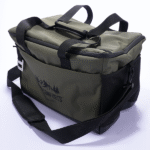
Pemilihan Kotak Terisolasi untuk Pengiriman Rantai Dingin yang Andal
An insulated box should be selected from the shipment backward. Mulailah dengan kondisi produk, paparan rute, ukuran muatan, rencana pendingin, dan proses penerimaan, lalu putuskan format kotak mana yang dapat mendukung pekerjaan itu. Wadah itu penting, tetapi ini hanyalah salah satu bagian dari sistem pengatur suhu pasif. Jika Anda membeli kotak sebelum menentukan rute, Anda mungkin mendapatkan kemasan yang terlihat kuat namun tidak dapat mendukung risiko rantai dingin yang sebenarnya.
Keputusan pembelian terkuat didasarkan pada bukti. Ini memisahkan apa yang bisa dilakukan kotak itu, apa yang harus dilakukan pendingin, apa yang dicatat oleh logger, dan apa yang harus dilakukan operator selama pengepakan dan penerimaan. Itulah perbedaan antara membeli kontainer dan membangun proses pengiriman yang andal.
Decide what level of control the shipment really needs
Not every shipment that uses an insulated box needs the same level of control. Rute pengiriman makanan lokal mungkin memerlukan buffering suhu, kebersihan, kemampuan ditumpuk, dan pembersihan yang mudah. A chilled seafood parcel may need stronger thermal protection, pengendalian kebocoran, and a tested one-way packout. A pharmaceutical or diagnostic shipment may also need documented temperature history, kriteria penerimaan yang ditentukan, dan tinjauan kualitas.
The first step is to classify the shipment need. Are you trying to reduce temperature swings during short handling, maintain a chilled or frozen condition through a parcel route, protect a freeze-sensitive product, or support a regulated distribution procedure? These are different jobs. A reusable delivery box, a single-use insulated shipper, a vaccine cold box, sistem pasif yang berkualitas, and an active container are not interchangeable just because they all involve insulation.
Kotak berinsulasi memperlambat perpindahan panas. Itu tidak menimbulkan rasa dingin dengan sendirinya, prove compliance by itself, or make every product safe for every route. If the goods start at the wrong condition, if the coolant is not prepared correctly, or if the receiver leaves the shipment unopened, the box may preserve a process failure instead of preventing one.
Build the specification from product, rute, dan muatan
A useful specification starts with product requirements. Confirm the acceptable condition from the product owner, label, data stabilitas, or quality procedure. Some products need refrigeration. Some need frozen conditions. Some must not freeze. Some are acceptable at controlled room temperature. Do not use one cold-chain assumption across all products.
Berikutnya, memetakan rutenya. Sertakan waktu pengepakan, waiting time before pickup, carrier transit, pusat penyortiran, cross-dock points, pemeriksaan bea cukai atau keamanan, pengiriman mil terakhir, and time before the receiver opens the package. If you ship through a parcel network, you may not control every handover. If you operate a closed-loop local route, you may have more control but still need driver discipline and receiving discipline.
Payload is the third anchor. Dimensi internal tidak sama dengan ruang muatan yang dapat digunakan. The usable space is what remains after insulation, pendingin, jangka pembagi garis, bahan penyerap, perlindungan produk, Label, dan perangkat pemantauan disertakan. If the product must be upright, separated from coolant, or protected from condensation, the usable space becomes smaller.
This is where many purchasing errors begin. Buyers compare outside dimensions and price, then discover during trial packing that the product, pendingin, and logger cannot fit together without improvisation. The better method is to test the intended packout with real product dimensions before approving the box.
Choose the box format after you understand the operating model
Sekali pakai pengirim terisolasi can be practical for one-way parcel shipments, especially when receivers are unknown or return logistics are not realistic. They should still be reviewed for damage resistance, kekuatan karton luar, jalur pembuangan, and tested packout conditions.
Dapat digunakan kembali kotak terisolasi can work well in repeated routes where the box can be returned, dibersihkan, diperiksa, dan ditugaskan kembali. They may suit grocery delivery, meal distribution, medical sample pickup, laboratory networks, and branch logistics. Their success depends on return rate, pengendalian kerugian, prosedur pembersihan, and inspection rules. A reusable box with no return system is not a reuse program; it is just a more expensive one-way package.
High-performance panel systems, including vacuum insulated panel designs, can help where payload efficiency and thermal resistance are important. They also require careful handling and damage inspection. Fiber or paper-based insulated systems may support disposal or sustainability goals in some operations, tapi kelembapan, kompresi, and route evidence must be checked.
Material choice should be tied to failure mode. If boxes are crushed in vans, stacking and wall strength matter. If boxes are reused, cleaning and closure wear matter. If boxes are shipped by parcel, outer packaging and corner protection matter. Jika produknya diatur, documentation and repeatable packout matter.
Ask for evidence that describes the conditions behind performance
Performance claims are only useful when you can see the conditions behind them. A statement about hold time or temperature protection should be supported by details: profil lingkungan, muatan, kondisi awal produk, tipe pendingin, kondisi pendingin, tata letak paket, penempatan logger, Kriteria penerimaan, and whether the tested configuration matches the quoted box.
Industry references can help structure the conversation. ISTA thermal transport testing and process standards can be relevant for kontainer pengiriman terisolasi, but a test profile should be compared with the buyer's route. The CDC Vaccine Storage and Handling Toolkit emphasizes temperature monitoring and correct handling for vaccine programs. WHO and UNICEF resources distinguish cold boxes, pembawa vaksin, dan lainnya wadah terisolasi digunakan dengan paket pendingin. IATA temperature-control resources are useful for air cargo handling of time- dan pengiriman yang sensitif terhadap suhu. These references do not turn one box into a universal solution, but they help buyers ask sharper questions.
| Claim or document | What it should tell you | Buyer caution |
|---|---|---|
| Hold-time statement | Duration under defined test conditions | Do not use it unless ambient profile, muatan, and coolant match your shipment closely enough |
| Instruksi paket | Exact assembly method for product, pendingin, jangka pembagi garis, dan penebang | If staff must guess, performance may not be repeatable |
| Catatan suhu | What happened during a trial or shipment | Logger placement must reflect product risk, not just wall or coolant temperature |
| Spesifikasi bahan | Insulation type and construction details | Material name alone does not prove route performance |
| Supplier change-control process | Bagaimana materinya, tutup, karton, or coolant changes are communicated | Small changes can affect fit, penutup, dan perilaku termal |
Use this table during supplier review and internal approval. It keeps the conversation practical. You are not asking for impressive language; you are asking for conditions, batas, dan pengulangan.
Design the packout as carefully as the box
The packout is the real working version of the insulated box. It decides where the product sits, tempat pendingin berada, how airflow or empty space is managed, how condensation is controlled, di mana logger ditempatkan, and how the lid closes. A strong box can fail with a weak packout. A reasonable box can perform well when the packout is disciplined and matched to the route.
Coolant selection needs special care. Paket gel, bahan perubahan fase, es kering, and other refrigerants behave differently. A coolant suitable for chilled food may not be appropriate for a freeze-sensitive medicine. Dry ice can be useful for certain frozen shipments, but it may trigger additional transport and safety requirements and is not suitable for every product or box.
Product protection is part of packout design. Do not let fragile items shift. Do not let labels become unreadable. Do not place a logger where it will only record the coolant temperature. Do not design a packout that works only when one experienced employee assembles it slowly. If the warehouse team cannot repeat it during a busy shift, the design is not operationally ready.
Misalnya, a lab network may need an insulated box for regional sample transfer. The technical team may approve the internal size, but the packing trial reveals that secondary containers, bahan penyerap, pendingin, and the logger leave less usable space than expected. The solution may be a different internal format, a revised coolant layout, or a different box size. Pelajarannya sederhana: test the whole packout, bukan kotak kosong.
Alat pengambilan keputusan yang berguna
Periksa detailnya sebelum Anda memilih kemasan
Alat cepat ini dapat membantu Anda membandingkan risiko rute, kebutuhan ukuran, pilihan pendingin, dan detail kemasan sebelum Anda meminta penawaran.
Pemilih Kemasan
Bandingkan opsi kemasan berinsulasi berdasarkan produk, rute, dan kebutuhan suhu.
Temukan kemasannyaKetahanan Jatuh Bahan Isolasi
Tinjau ketahanan jatuh dan faktor penanganan sebelum memilih bahan insulasi.
Periksa resistensiPemeriksa Risiko Rute
Tinjau kondisi jalur sebelum memilih kemasan untuk mengetahui kebutuhan pengoperasian sebenarnya.
Periksa risiko ruteBuild a receiving process before the first shipment leaves
Many cold-chain problems appear after delivery, not during box selection. The receiver may not know where the logger is, how quickly to open the box, what alarm means, or when to quarantine the product. Jika produk sensitif atau diatur, receiving instructions should be part of the shipment plan.
Define who checks the package condition, siapa yang mengambil logger, who reviews the temperature record, and what happens if the shipment appears warm, rusak, terlambat, or out of range. A box cannot make a disposition decision. That decision belongs to the quality procedure or product owner.
Untuk pengiriman makanan, receiving may focus on product condition, kebocoran, bau, integritas paket, and time after delivery. For diagnostic and pharmaceutical shipments, receiving may also include temperature data, Label, langkah-langkah lacak balak, dan dokumentasi. Requirements vary by product and market, so the process should be approved by the responsible team before rollout.
The receiving process also feeds improvement. If loggers show repeated exposure at a certain handover point, the fix may be route planning, kendali pementasan, a different service level, or a stronger packout. Without receiving data, buyers may keep changing boxes without finding the real cause.
Supplier questions that prevent expensive scaling errors
Before bulk purchasing, ask the supplier questions that connect product design to production control. Apa saja dimensi internal dan eksternalnya? What is the usable payload space with the recommended coolant? What material is used, and what changes would trigger buyer notification? Bagaimana seharusnya kotak itu dibersihkan, diperiksa, tersimpan, and retired if it is reusable?
Ask whether the sample matches production units. A sample may be made carefully, while bulk production introduces variation. Confirm lid fit, closure tension, konsistensi dinding, karton sesuai, accessory placement, and label location. Jika pemasok menawarkan penyesuaian, ask how custom changes affect thermal evidence. A different logo position may not matter, but a different lid, liner, profil dinding, or coolant layout can.
Ask what documentation is available. Depending on the product and risk level, you may need packout instructions, informasi materi, laporan pengujian, catatan kalibrasi untuk logger, or a review of the ambient profile. Do not ask for a vague promise that the box is compliant. Ask how the packaging supports your specific shipping process.
Akhirnya, ask how the supplier handles complaints and changes. If a shipment fails, can the supplier help investigate whether the issue was packout, penanganan, paparan rute, kondisi awal produk, or box damage? If the material changes, will you be told before production? These questions matter more than a polished brochure.
Sustainability should follow reliability, bukan menggantikannya
Sustainability is now part of many packaging decisions, but it should not be reduced to a single label. Reusable packaging can reduce waste in repeated routes, yet it depends on return logistics, pembersihan, inspeksi, dan pengendalian kerugian. A recyclable or fiber-based solution may support disposal goals, but it still needs route evidence and moisture resistance. A high-performance shipper may reduce product loss, but it may add cost or handling complexity.
The most responsible insulated box is the one that protects the product reliably within the real operation while meeting the buyer's waste, kembali, dan kendala biaya. A rejected shipment wastes product, tenaga kerja, kargo, kemasan, dan kepercayaan pelanggan. Reliability is part of sustainability because product failure has its own footprint.
When evaluating lower-waste options, run the same questions you would ask for any box. What product is being protected? What route is being used? What evidence supports performance? What happens after use? Who cleans or disposes of the packaging? How is damaged material removed from service? If those answers are clear, sustainability goals become practical instead of decorative.
FAQ
What is the main purpose of an insulated box?
The main purpose is to slow heat transfer between the product space and the outside environment. It helps buffer temperature changes during transport or storage, but it does not create refrigeration by itself. Untuk pengiriman rantai dingin, the box usually needs the correct coolant, paket, kondisi awal produk, rencana rute, dan proses penerimaan.
How do I know if an insulated box is suitable for my product?
Mulailah dengan persyaratan produk, then compare the route, muatan, pendingin, dan bukti. Ask whether the box has been tested with a packout similar to your shipment. Confirm usable internal space, penempatan cairan pendingin, strategi penebang kayu, dan prosedur penerimaan. Untuk produk yang diatur, involve the quality team before approval.
Is a thicker insulated box always better?
Tidak selalu. Thicker insulation can reduce heat transfer, but it may reduce usable payload space, increase freight size, or create handling problems. Tutupnya pas, desain paket, penempatan cairan pendingin, kondisi material, and route exposure can matter as much as wall thickness. Buyers should evaluate the complete system rather than one dimension.
Can I use one insulated box for all cold-chain shipments?
Usually that is risky. Produk yang berbeda memiliki kebutuhan suhu yang berbeda, ukuran muatan, sensitivitas terhadap pembekuan, durasi rute, dan persyaratan dokumentasi. One box may cover a family of similar shipments, especially in a controlled route, but buyers should not assume universal fit without testing and quality review.
What should I verify before placing a bulk order?
Verifikasi konsistensi sampel hingga produksi, ruang muatan yang dapat digunakan, instruksi paket, kompatibilitas cairan pendingin, dasar tes, proses pengendalian perubahan, cleaning or disposal requirements, dan menerima alur kerja. If a performance duration is stated, confirm the ambient profile, muatan, kondisi pendingin, penempatan logger, and acceptance criteria behind that statement.
Kesimpulan
Reliable insulated box selection starts with the shipment, bukan katalognya. Tentukan kondisi produk, rute, muatan, rencana pendingin, paket, kebutuhan pemantauan, and receiving process before comparing box styles. Then ask suppliers for evidence that describes the conditions behind performance claims.
The box is important, but it is not the full rantai dingin. A practical system combines the right container, pendingin yang benar, pengepakan berulang, kesadaran rute, pemantauan bila diperlukan, and a clear receiving decision. That approach reduces product risk, supports quality review, and helps buyers avoid costly mistakes when scaling from sample to production.
Tentang Tempk
Tempk supports temperature-control packaging needs across business and personal applications, termasuk kemasan terisolasi for cold-chain and delivery scenarios. For insulated box projects, we help buyers translate shipment details into practical packaging choices: kondisi produk, ukuran muatan, pendingin cocok, paparan rute, metode penanganan, dan ekspektasi dokumentasi. Any specific performance target should be reviewed against the intended packout and route so the recommendation is grounded in real operating conditions.
Bagikan rute Anda, muatan, kondisi sasaran, and packing workflow with Tempk to compare insulated box options before committing to a bulk order.