Logo Tas Pengiriman Terisolasi Italia: Dari Karya Seni hingga Aset Armada yang Terkendali
Sebuah tas pengiriman terisolasi logo pesanan Italia harus melewati empat persetujuan sebelum produksi volume: tas dasar harus sesuai dengan rute, karya seni harus diizinkan dan dapat direproduksi, produk yang dihias harus tetap aman dan fungsional, dan armada harus memiliki rencana yang kredibel untuk digunakan dan dikembalikan. Memperlakukan ini sebagai persetujuan cetak yang terburu-buru menciptakan ambiguitas yang mahal. Metode di bawah ini menghubungkan keduanya tanpa mengacaukan izin merek dengan kepatuhan produk atau sampel yang bagus dengan produksi berulang.
Tulis Janji Layanan Sebelum Mendesain Operator
Tas melambangkan janji di depan pintu pelanggan. Definisikan janji itu dalam bahasa operasional. Sebuah restoran mungkin membutuhkan wadah makanan yang tegak, akses pengendara cepat, pemisahan item yang tidak kompatibel, dan pembersihan yang mudah. Jaringan toko kelontong mungkin memprioritaskan identitas aset, organisasi tatanan campuran, cocok di luar rak, dan penugasan ulang berulang kali. Layanan farmasi mungkin memerlukan pembatasan klaim, serah terima yang dapat dilacak, dan penyelarasan dengan proses distribusi produk tertentu.
Hindari mengubah janji menjadi kata-kata termal yang tidak didukung. Sebuah tas terisolasi mengurangi aliran panas; itu tidak secara aktif mendinginkan atau memanaskan isinya. Hasil suhu bergantung pada kondisi awal muatan, tas dan penutup, ruang udara yang tersedia, cairan pendingin atau komponen lainnya saat digunakan, paparan, pola pembukaan, dan rute. Jika layanan tergantung pada batas suhu, mendefinisikan dan menilai sistem lengkap terhadap kebutuhan aktual produk.
Amati satu siklus realistis sebelum menggambar tas:
- Payload menunggu dalam pementasan.
- Seorang pemetik memuat kontainer dan sisipan apa pun.
- Seorang kurir menutup dan memasang atau membawa unit.
- Tas itu mengalami gerakan, cuaca, berhenti, dan bukaan.
- Pesanan diserahkan dan pengangkut ditahan atau dikembalikan.
- Unit dibersihkan, kering, diperiksa, tersimpan, dan diterbitkan kembali.
Di setiap langkah, ruang rekaman, tindakan manusia, kontaminasi, abrasi, pamer, dan kebutuhan informasi. Logo harus tetap jelas, tapi itu tidak boleh menggantikan pegangannya, melemahkan panel termal, mencakup kode aset, atau mempersulit pembersihan.
Tentukan dimensi internal yang dapat digunakan di sekitar wadah fisik. Kapasitas nominal tidak menunjukkan lancip, jahitan, intrusi isolasi, jangka pembagi garis, ruang pendingin, atau izin penutupan. Uji beban rutin kecil dan beban yang diperkirakan paling menuntut. Pengisian yang berlebihan dapat mencegah penutupan; pengisian yang kurang dapat menyebabkan pergerakan dan merusak panel logo lunak.
Bekukan Kantong Dasar Sebelum Memilih Cetakan
Dekorasi tergantung pada permukaan akhir. Nama bahan umum seperti poliester tidak memperlihatkan lapisannya, tekstur, aditif, energi permukaan, atau sensitivitas panas yang menentukan kompatibilitas pencetakan. Mintalah spesifikasi panel luar yang diusulkan dan identifikasi atribut mana yang penting untuk proses dekorasi.
Tinjau seluruh dinding. Kain luar melindungi terhadap penanganan dan membawa gambar. Inti insulasi mempengaruhi ketahanan dan kekakuan termal. Liner berhubungan dengan kondensasi, tumpah, dan membersihkan. Laminasi dan perekat menyatukan struktur. Jahitan, jalur ritsleting, sudut, dan pegangan jangkar dapat menciptakan titik lemah mekanis dan termal. Mengubah satu lapisan untuk meningkatkan pencetakan dapat mempengaruhi fungsi lainnya.
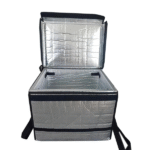
Pilih geometri tas terakhir sebelum menempatkan karya seni. Di tas jinjing lipat, hindari lipatan utama kecuali gambar yang dipilih dimaksudkan untuk dilenturkan di sana. Di pengangkut sepeda motor, pasang sampel yang dimuat dan identifikasi panel yang disembunyikan oleh pengendara, bingkai, reflektor, tali pengikat, atau penutupan. Pada desain tas jinjing, perhatikan di mana tangan dan pakaian bergesekan. Jauhkan detail halus dari jahitan dan transisi bertekstur.
Jika tas merupakan bagian dari paket termal yang ditentukan, menangani perubahan konstruksi atau dekorasi yang signifikan melalui proses perubahan teknis proyek. Transfer yang besar, tempelan bordir, atau lapisan panel baru mungkin tidak signifikan secara termal pada setiap desain, namun kesimpulannya harus ditinjau ulang, bukan diasumsikan.
Persetujuan kantong dasar harus mencakup kesesuaian muatan, stabilitas yang dimuat, pembukaan, penutup, membawa kenyamanan, antarmuka kendaraan, akses kapal, pembersihan, pengeringan, identifikasi, dan pengerjaan. Hanya dengan demikian sampel dekorasi yang mahal dapat menjadi referensi produksi.
Ubah Logo menjadi Data Manufaktur Terkendali
Kumpulkan master vektor, versi merek yang disetujui, referensi warna, aturan ruang kosong, ukuran minimum yang dapat dibaca, latar belakang yang diizinkan, dan perubahan yang dilarang. Sertakan font atau teks bergaris sesuai kebutuhan produksi. Identifikasi gradien apa pun, aturan yang bagus, transparansi, alas bawah berwarna putih, efek khusus, atau kata-kata multibahasa yang dapat mengubah pemilihan metode.
Hak karya seni memerlukan nama pemilik persetujuan. Jika merek tersebut milik grup restoran, waralaba, pengecer, platform, sponsor, atau lembaga sertifikasi, mendapatkan izin tertulis yang sesuai sebelum mencetak. Klarifikasi produk, wilayah, lamanya, akses pemasok, versi kampanye, dan batasan co-branding dengan nasihat hukum yang sesuai. Kepemilikan file dan izin pencetakan bukanlah hal yang sama.
Tetapkan revisi dan tanggal karya seni. Bukti pemasok harus menunjukkan revisi tas, ukuran logo, titik referensi, orientasi, warna, metode, dan setiap panel membawa grafik. Merek, pengadaan, Operasi, dan pemilik sah atau hak kemudian dapat menyetujui objek yang sama. Perubahan setelah pengambilan sampel fisik harus dikembalikan ke file yang dikontrol, bukan hanya ditampilkan di komentar email.
Warna harus disetujui secara fisik jika diperlukan. Tampilannya bervariasi, dan hasil yang dirasakan berubah seiring warna media, tekstur, kilap, opasitas tinta, penerangan, dan proses. Setuju referensi dan toleransi praktis. Jika identitas visual sempurna di seluruh kertas, layar aplikasi, cat kendaraan, seragam, dan tekstil berlapis tidak mungkin dilakukan, pemilik merek harus memutuskan hubungan yang dapat diterima daripada meminta pabrik menebak-nebak.
Pilih Dekorasi berdasarkan Antarmuka Terlemahnya
Sablon, perpindahan panas, pencetakan digital langsung, sublimasi, sulaman, dan panel yang dapat dilepas masing-masing menciptakan antarmuka yang berbeda. Pertanyaan yang berguna bukanlah metode mana yang premium, tetapi kegagalan mana yang paling mungkin terjadi pada rute yang direncanakan.
Tinta cair perlu dibasahi secukupnya, adhesi, pengeringan atau pengawetan, dan kompatibilitas dengan lapisan. Perpindahan bergantung pada ikatan film dan perekat yang tercipta di bawah panas dan tekanan yang terkendali. Sublimasi memerlukan substrat dan proses termal yang kompatibel. Sulaman menambah jahitan, dukungan, kompresi, dan tusukan. Panel yang dapat diganti menambahkan pengencang, tepian, dan proses manajemen.
| Kondisi proyek | Keputusan dekorasi | Bukti sebelum dirilis |
|---|---|---|
| Tanda tebal besar pada panel stabil yang kompatibel | Layar atau cetakan langsung lainnya mungkin praktis | Panel produksi yang dihias, pengendalian penyembuhan, ulasan gosok dan pembersihan |
| Karya seni multiwarna yang detail | Transfer atau rute digital yang didukung dapat mempertahankan detail | Adhesi tepi, pamer, warna, efek panas, dan gunakan percobaan |
| Panel poliester yang dapat dicetak cocok | Sublimasi dapat mengintegrasikan grafik ke dalam panel | Konfirmasi substrat, konversi warna, pemeriksaan distorsi |
| Identitas bertekstur premium | Sulaman atau lencana mungkin sesuai dengan mereknya | Tusukan, kompresi, merobek, kebersihan, dan ulasan dinding |
| Armada multi-pedagang atau musiman | Identitas yang dapat diganti dapat mengurangi keusangan tas dasar | Lampiran yang aman, pengendalian kerugian, pembersihan, proses berakhirnya hak |
| Lokasi dengan fleksibilitas tinggi atau abrasi tinggi | Pindahkan karya seni atau desain ulang panel sebelum mengganti tinta | Peta lipatan yang dimuat, genggaman, kontak kendaraan, dan zona keausan |
Tabel ini mengarahkan pengujian ke antarmuka terlemah. Bukan berarti suatu proses akan selalu mengungguli proses lainnya. Bahan kimia substrat dan kontrol pabrik dapat membuat dua tas yang secara visual serupa berperilaku berbeda.
Tentukan daya tahan melalui mode kegagalan: kabur, perpindahan warna, abrasi, retak, mengelupas, pengangkatan tepi, memakukan, pewarnaan, delaminasi, distorsi, tersangkut, atau panel hilang. Reproduksi pelenturan yang relevan, gosokan, kelembaban, penanganan yang dimuat, penyimpanan, dan metode pembersihan yang dimaksudkan. Setujui kriteria penerimaan sebelum sidang dan catat materi, proses, observasi, dan pemberi persetujuan.
Hindari klaim siklus tetap yang tidak didukung. Arti siklus pembersihan bergantung pada kimia, konsentrasi, suhu, mekanika, pengeringan, dan evaluasi. Gunakan uji terkontrol untuk keterulangan dan uji coba yang representatif di lapangan untuk relevansi operasional.
Buat Satu File Rilis dengan Keputusan Kepatuhan Terpisah
File rilis harus menyatukan keputusan-keputusan sambil menjaga dasar hukumnya tetap terpisah. Minimal, itu harus menjelaskan otorisasi merek dagang, keamanan produk, batas kontak makanan, klasifikasi kemasan, informasi lingkungan, persetujuan karya seni, dan bukti kinerja.
Alat pengambilan keputusan yang berguna
Periksa detailnya sebelum Anda memilih kemasan
Alat cepat ini dapat membantu Anda membandingkan risiko rute, kebutuhan ukuran, pilihan pendingin, dan detail kemasan sebelum Anda meminta penawaran.
Pendingin & Referensi PCM
Bandingkan opsi cairan pendingin dan PCM ketika suatu rute memerlukan dukungan suhu tambahan.
Bandingkan pilihanPemeriksa Risiko Rute
Tinjau kondisi jalur sebelum memilih kemasan untuk mengetahui kebutuhan pengoperasian sebenarnya.
Periksa risiko ruteKetahanan Jatuh Bahan Isolasi
Tinjau ketahanan jatuh dan faktor penanganan sebelum memilih bahan insulasi.
Periksa resistensiUntuk produk konsumen dalam cakupan di Italia, Peraturan (UE) 2023/988 telah diterapkan sejak itu 13 Desember 2024. Bisnis terkait mungkin memerlukan analisis risiko produk dan dokumentasi teknis, dan produk atau kemasannya mungkin memerlukan kemampuan penelusuran, rincian pabrikan dan operator ekonomi yang bertanggung jawab, dan informasi keselamatan. Penawaran jarak jauh dapat membawa persyaratan informasi tambahan. Cakupan tergantung pada produk dan saluran, sementara aturan khusus sektoral mungkin menambah bea masuk.
Logo pedagang belum tentu merupakan tanda pengenal resmi produsen. Produk label putih dapat menampilkan merek pelanggan sambil tetap memberikan identitas dan referensi produk yang diperlukan untuk ketertelusuran. Jaga agar informasi produk netral tetap permanen ketika panel kampanye atau pedagang yang dapat dilepas digunakan.
Penandaan CE bukanlah lencana kualitas universal. Terapkan hanya jika undang-undang yang mengatur produk sebenarnya mengharuskannya. Pembawa pasif tidak boleh berada dalam rezim penandaan CE; menambahkan pendinginan bertenaga, pemanas, baterai, lampu, atau elektronik dapat mengubah analisis hukum dan teknis.
Aturan kontak makanan mengikuti kontak yang diharapkan dan dapat diperkirakan. Wadah sekunder untuk wadah primer yang disegel berbeda dengan wadah yang ditujukan untuk makanan lepas. Kerangka kerja MOCA Italia didasarkan pada aturan kontak pangan UE, termasuk Regulasi (EC) 1935/2004 dan praktik manufaktur yang baik berdasarkan Peraturan (EC) 2023/2006, dengan langkah-langkah spesifik dan nasional yang relevan dengan bahan-bahan tertentu. Mintalah dokumentasi yang mengidentifikasi komponen akhir yang tepat dan kondisi penggunaan. Pertimbangkan tinta, pelapis, perekat, set-off, jalur migrasi, dan pembersihan di tempat yang dapat terjadi kontak.
Tinjauan bahan kimia dan keamanan juga harus mempertimbangkan paparan eksternal. Residu yang tidak diawetkan, bau yang kuat, berpindah ke tangan atau pakaian, lencana longgar, pengencang yang tajam, simbol suhu yang menyesatkan, dan degradasi pembersihan dapat menjadi risiko produk. Tinjauan merek saja tidak akan mendeteksinya.
Cadangan Ruang untuk Informasi Kemasan Italia
Klasifikasikan pembawa bermerek dan komponen pengirimannya. Tas itu mungkin sebuah produk, artikel transportasi yang dapat digunakan kembali, kemasan, atau melakukan peran berbeda dalam pengaturan pasokan berbeda. Karton, lengan baju, label, film pelindung, sisipan, dan materi lain di sekitarnya harus ditinjau secara terpisah.
Peraturan pelabelan lingkungan Italia untuk kemasan mungkin memerlukan identifikasi bahan dan informasi pembuangan sesuai dengan kasus yang berlaku. Ikon daur ulang atau logo pelanggan tidak menggantikan persyaratan tersebut. Pastikan tata letak grafis menyediakan area informasi yang dapat dibaca dan menjaga agar pesan pembuangan tetap berbeda dari klaim pemasaran.
Peraturan (UE) 2025/40 tentang pengepakan dan limbah pengepakan mulai berlaku pada tahun 2025 dan umumnya berlaku dari 12 Agustus 2026. Ini mencakup kemasan yang ditempatkan di pasar UE dan limbah kemasan, dengan persyaratan dan jadwal transisi yang memerlukan tinjauan khusus produk. Spesifikasi karya seni dan kemasan harus diperiksa sesuai dengan aturan yang berlaku ketika barang ditempatkan di pasar Italia, tidak hanya ketika desain disetujui.
Perlakukan klaim lingkungan sebagai pernyataan terkendali. “Dapat digunakan kembali” memerlukan loop operasi; “konten daur ulang” harus mengidentifikasi komponen dan bukti; “dapat didaur ulang” harus memperhitungkan perakitan komposit dan rute sebenarnya. Jangan biarkan grafik daun menyiratkan manfaat keseluruhan produk karena file tersebut hanya mendukung satu lapisan tekstil.
Lindungi Persetujuan Melalui Produksi dan Penggunaan Kembali
Spesifikasi produksi harus menghubungkan tas yang disetujui, panel, persiapan permukaan, sistem dekorasi, revisi karya seni, referensi warna, posisi, pembuatan, keterlacakan, instruksi pembersihan, dan pengemasan. Memerlukan pemberitahuan sebelum perubahan ke pabrik, tekstil, lapisan, busa, liner, tinta, transfer, perekat, perawatan awal, menyembuhkan, jahitan, ukuran, atau metode cetak.
Saat menerima pemeriksaan, periksa fungsi dan penampilan bersama-sama. Verifikasi identitas produk dan lot, dimensi yang dapat digunakan, penutup, jahitan, bantuan, liner, kebersihan, versi logo, penempatan, orientasi, cakupan, cacat adhesi yang jelas, dan kemasan sekitarnya. Tentukan segregasi dan eskalasi sehingga cacat branding tidak menyebar saat tim memperdebatkan tanggung jawab.
Proses armada dimulai setelah penerimaan. Tetapkan setiap operator, mencatat masalah dan pengembalian, terapkan metode pembersihan yang disetujui, keringkan sepenuhnya, memeriksa pencetakan dan konstruksi, perbaikan hanya dalam batas yang ditentukan, dan menghentikan unit yang tidak lagi melindungi kebersihan, penanganan, atau fungsi termal yang diinginkan. Tas bisa terlihat rapi jika lapisan atau penutup tersembunyinya tidak berfungsi.
Hak kampanye dan pedagang memerlukan tanggal berakhir. Hapus panel usang dan kendalikan tas bermerek yang sudah tidak digunakan lagi untuk mencegah penggunaan yang tidak sah. Rencanakan jalur material untuk unit yang sudah tidak digunakan lagi dan hindari menyebut seluruh komposit dapat didaur ulang kecuali ada jalur berbasis bukti untuk pasar yang dituju.
Ukur operasinya, bukan hanya materinya saja. Kembali, kerugian, kegagalan pembersihan, perbaikan, kerusakan cetak, dan alasan penghentian penggunaan menunjukkan apakah desain tersebut mendukung penggunaan kembali yang kredibel. Bukti tersebut membuat pesanan berikutnya lebih berkelanjutan dan lebih ekonomis tanpa bergantung pada klaim pasar yang umum.
Pertanyaan yang sering diajukan
Kapan sebaiknya metode logo dipilih?
Pilih setelah tas dasar, bahan panel, lapisan, geometri, pembersihan, dan eksposur rute dipahami. Karya seni awal dapat memandu perencanaan panel, tetapi persetujuan metode akhir harus menggunakan permukaan yang mewakili produksi dan sampel yang dihias. Memilih pencetakan sebelum media stabil akan menimbulkan risiko pengujian ulang dan warna yang dapat dihindari.
Dapatkah printer mengubah logo saya agar dapat diproduksi?
Hanya melalui proses persetujuan karya seni yang disepakati. Penyederhanaan teknis mungkin masuk akal untuk garis-garis halus, teks kecil, gradien, atau latar belakang kontras rendah, namun pemegang hak atau pemilik merek yang berwenang harus menyetujui revisi tersebut. Pertahankan master yang telah diubah, bukti, dan file produksi dalam revisi baru.
Apa yang membuat uji ketahanan cetakan relevan??
Ini harus mereproduksi kemungkinan kegagalan sesuai tujuan penggunaan: pamer, gosokan, kondensasi, tumpah, deformasi yang dibebani, kontak penyimpanan, dan proses pembersihan sebenarnya. Tes harus mengidentifikasi materi, persiapan, dekorasi, kondisi, dan kriteria penerimaan. Gabungkan evaluasi terkontrol dengan uji coba lapangan yang representatif jika risikonya memungkinkan.
Apakah tas berinsulasi dianggap sebagai kemasan makanan di Italia?
Tidak secara otomatis. Statusnya tergantung pada fungsinya, model pasokan, dan apakah bahan tersebut bersentuhan dengan makanan atau berfungsi sebagai kemasan. Pengangkut untuk paket primer yang disegel berbeda dengan liner kontak langsung. Klasifikasikan tas dan kemasan sekitarnya secara terpisah, kemudian terapkan MOCA yang relevan, kemasan, dan aturan informasi lingkungan.
Siapa yang bertanggung jawab bila muncul logo pelanggan di tas?
Tanggung jawab dapat dibagi di antara pemilik merek dagang, produsen yang sah, pengimpor, Operator ekonomi yang bertanggung jawab di UE, distributor, penghias, dan bisnis yang menempatkan produknya di pasar. Logo tidak menggantikan peran tersebut. Definisikan mereka secara kontrak, menjaga otorisasi karya seni tertulis, dan menjaga ketertelusuran yang diperlukan pada produk atau kemasan.
Kesimpulan: Empat Persetujuan Menciptakan Satu Produk yang Andal
Setujui kecocokan rute, karya seni yang dikontrol haknya, produk yang dihias, dan loop operasi sebagai keputusan terpisah. Bekukan media sebelum pemilihan pencetakan, menguji mode kegagalan pada sampel realistis, dan menghubungkan setiap klaim dengan bukti. Pertahankan GPSR, kontak makanan, Pelabelan lingkungan Italia, dan klasifikasi PPWR terlihat di file rilis. Akhirnya, melindungi kombinasi yang disetujui dengan kontrol perubahan, menerima pemeriksaan, dan penggunaan kembali yang dikelola. Begitulah cara logo menjadi bagian dari aset armada yang kredibel, bukan hanya sekedar permukaan yang rapuh.
Tentang tempk
Tempk adalah merek dari Shanghai Tempk Industrial Co., Ltd. Kami mendukung pembeli B2B yang mengevaluasi rantai dingin dan kemasan terisolasi dan produk kemasan pengontrol suhu terkait. Untuk proyek tas bermerek Italia, kami dapat membantu mengubah muatan, rute, peran termal, pembersihan, penggunaan kembali, karya seni, dan memasarkan pertanyaan ke dalam contoh singkat yang terfokus. Bagikan siklus operasi Anda dan saluran Italia yang dituju dengan Tempk untuk membandingkan opsi praktis dan memperjelas bukti yang diminta sebelum produksi.