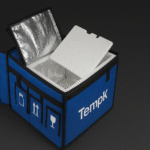
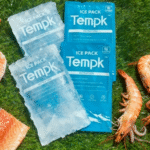
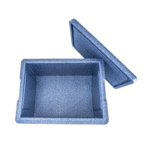
Kotak Pengiriman Terisolasi Grosir Barang Mudah Rusak: Panduan Sumber Praktis
Panduan sumber praktis untuk barang mudah rusak grosir kotak pengiriman terisolasi, membantu pembeli mencocokkan desain kotak, klaim pemasok, risiko rute, dan tugas rantai dingin.
kotak pengiriman terisolasi barang grosir yang mudah rusak: Panduan Pengadaan Praktis untuk Pengiriman Rantai Dingin Nyata
Jawaban terbaik untuk barang mudah rusak grosir kotak pengiriman berinsulasi dimulai dengan profil pengiriman. Produk apa yang ada di dalamnya, berapa suhu yang dibutuhkan, berapa panjang rutenya, dimana titik serah terimanya, dan siapa yang akan memutuskan apakah kiriman tersebut dapat diterima? Setelah pertanyaan-pertanyaan itu jelas, kotak menjadi lebih mudah untuk dievaluasi. Kotak pengiriman berinsulasi yang tepat mendukung paket yang diperlukan, melindungi ruang muatan yang dapat digunakan, cocok dengan jalurnya, dan memberi tim Anda cara praktis untuk mendokumentasikan apa yang terjadi selama pengangkutan.
Keputusan pengadaan yang paling berguna menghubungkan tiga kelompok yang sering bekerja secara terpisah. Pengadaan membutuhkan pemasok dan penawaran harga yang adil. Pengoperasian memerlukan paket yang dapat dikemas dengan cepat dan ditangani tanpa kebingungan. Kualitas memerlukan bukti bahwa kondisi yang diperlukan produk telah dipertimbangkan dan penyimpangan dapat ditinjau. Kotak terisolasi adalah tempat terpenuhinya kebutuhan ini.
Mulailah Dengan Keputusan Penerimaan di Tujuan
Proses pengadaan yang baik dimulai dari akhir rute. Tanyakan apa yang akan dilakukan penerima ketika paket tiba. Akankah mereka memeriksa logger? Akankah mereka memeriksanya Paket gel? Akankah mereka mencatat kondisi kotak? Apakah mereka akan segera memindahkan produk ke penyimpanan terkendali? Apakah mereka akan menolak pengiriman jika karton luarnya basah, hancur, hangat, atau tidak berdokumen? Pertanyaan-pertanyaan ini menentukan standar yang harus didukung oleh paket tersebut.
Untuk menghasilkan, hidangan laut, bunga, kit makan, Makanan Khusus, sampel, dan barang lain yang kehilangan kualitasnya jika terkena panas, dingin, kelembaban, atau penanganan yang kasar, penerimaan jarang didasarkan pada kotaknya saja. Keputusan penerimaan mungkin bergantung pada persyaratan label produk, perjanjian kualitas, aturan keamanan pangan, spesifikasi pelanggan, atau SOP internal. Ketika pembeli mendefinisikan penerimaan terlebih dahulu, mereka menghindari membeli paket yang terlihat bagus pada saat pengiriman tetapi gagal memberikan informasi yang dibutuhkan pada saat kedatangan.
Tentukan Kebutuhan Produk Sebelum Anda Menentukan Kotaknya
Persyaratan pengiriman dimulai dengan produk, bukan katalog kemasannya. Barang yang mudah rusak tidak memiliki satu suhu target universal. Produk segar, makanan dingin, Makanan laut beku, dan bunga semuanya memerlukan kemasan yang berbeda dan batas penanganan yang berbeda. Sebuah kotak yang berfungsi untuk satu produk mungkin salah untuk produk lain meskipun jarak rutenya terlihat serupa. Produk segar mungkin memerlukan pendinginan tanpa cedera dingin. Sampel farmasi mungkin memerlukan pengendalian yang terdokumentasi, bukan hanya bagian dalam yang sejuk. Pengiriman vaksin mungkin memerlukan perlindungan dari panas dan pembekuan yang tidak disengaja. Oleh karena itu, ukuran luar yang sama dapat mendukung beberapa paket yang sangat berbeda, masing-masing memiliki profil risikonya sendiri.
Lembar spesifikasi yang berguna harus menyatakan kategori produk, kisaran suhu target, durasi pengiriman yang direncanakan, paparan lingkungan yang diharapkan, berat muatan, volume muatan yang dapat digunakan, dan persyaratan pemantauan atau dokumentasi apa pun. Fakta-fakta ini memungkinkan pemasok merekomendasikan konfigurasi yang realistis. Tanpa mereka, pembeli sering kali menerima penawaran umum yang tidak dapat dinilai secara adil. Hasilnya biasanya sebuah kotak yang tampak murah namun menimbulkan biaya tersembunyi melalui tenaga kerja pengepakan, cairan pendingin yang terbuang, pengiriman yang gagal, dan waktu peninjauan kualitas.
Untuk pengiriman yang mudah rusak, sangat penting untuk membedakan antara kotak berinsulasi pelindung dan sistem pengiriman termal yang memenuhi syarat. Kotak pelindung dapat mengurangi paparan. Sistem yang memenuhi syarat telah dievaluasi dengan muatan yang ditentukan, pendingin, paket, dan profil uji. Ketika pemasok menyatakan kinerja, tanyakan kondisi apa yang digunakan. Jika profil tes, muatan, atau konfigurasi cairan pendingin berbeda dari jalur Anda, perlakukan klaim sebagai titik awal dan bukan sebagai jaminan.
Bagaimana Isolasi, Pendingin, dan Ruang Udara Bekerja Sama
Isolasi sering digambarkan seolah-olah menimbulkan dingin, tapi ternyata tidak. Ini memperlambat perpindahan panas antara lingkungan luar dan area muatan. Panas bisa masuk melalui dinding, jahitan tutup, sudut, celah udara, dan pada setiap acara pembukaan. Pendingin menyerap atau melepaskan panas di dalam pengirim. Muatannya, pendingin, dan isolasi membentuk satu sistem. Jika ada bagian yang diubah, kinerjanya juga bisa berubah.
Bahan yang berbeda menawarkan penanganan dan trade-off kinerja yang berbeda. Busa EPS umum dan ekonomis tetapi rapuh dan dapat melepaskan partikel. EPP bisa lebih tahan lama dan dapat digunakan kembali dalam banyak aplikasi, membuatnya menarik untuk penanganan berulang dan pengoperasian makanan. Panel poliuretan, panel isolasi vakum, liner reflektif, dan desain hibrida dapat digunakan jika diperlukan ketahanan termal atau efisiensi ruang yang lebih tinggi. Bahan-bahan ini harus dievaluasi terhadap risiko rute, persyaratan pembersihan, biaya, tujuan keberlanjutan, dan apakah pemasok dapat memberikan bukti untuk konfigurasi spesifik.
Pilihan cairan pendingin juga sama pentingnya. Paket es berbahan dasar air dapat menimbulkan risiko pembekuan pada produk yang tidak dapat mentolerir kontak dengan kemasan beku. Paket gel yang dikondisikan atau bahan pengubah fase dapat membantu mengelola risiko tersebut, namun tetap memerlukan pengkondisian dan penempatan yang benar. Es kering dapat mendukung pengiriman beku atau beku, namun itu memperkenalkan ventilasi, pelabelan, pembawa, dan masalah kompatibilitas produk. Bagi banyak pembeli, pertanyaan teraman bukanlah 'pendingin mana yang paling kuat?' tapi 'pendingin mana yang diuji dengan kotak ini, muatan ini, dan asumsi rute ini?'
Apa yang Harus Dikonfirmasi Sebelum Menskalakan Pesanan
| Apa yang harus diperiksa | Mengapa itu penting | Cara verifikasi sebelum memesan |
|---|---|---|
| Suhu produk yang diperlukan | Kotak yang sama mungkin memerlukan cairan pendingin atau kemasan berbeda untuk pendinginan, beku, lingkungan yang terkendali, atau kebutuhan perlindungan terhadap pembekuan. | Konfirmasikan label produk, spesifikasi pelanggan, atau instruksi kualitas sebelum meminta penawaran. |
| Ruang muatan yang dapat digunakan | Volume internal yang kotor dapat menyesatkan ketika cairan pendingin dikemas, jangka pembagi garis, dan lapisan pelindung membutuhkan ruang. | Mintalah dimensi internal dan contoh gambar atau foto paket. |
| Durasi rute dan serah terima | Risiko sering muncul di dermaga pemuatan, hub, adat istiadat berlaku, penyimpanan akhir pekan, dan pengiriman mil terakhir. | Petakan rute terpanjang yang kredibel, bukan hanya waktu transit yang direncanakan. |
| Kompatibilitas cairan pendingin | Paket gel, paket air, PCM, dan es kering tidak dapat dipertukarkan dan dapat menimbulkan risiko pembekuan atau keselamatan. | Tanyakan cairan pendingin apa yang digunakan dalam pengujian dan bagaimana cara mengkondisikannya. |
| Pemantauan dan pencatatan | Untuk kargo yang diatur atau bernilai tinggi, penerimaan mungkin bergantung pada bukti, tidak hanya penampilan paket. | Konfirmasikan penempatan pencatat data, pengaturan alarm, dokumentasi kalibrasi, dan metode pengambilan bila diperlukan. |
| Konsistensi sampel hingga produksi | Sampel yang baik tidak membantu jika bahan produksi, tutup pas, atau aksesori diganti nanti. | Tanyakan bagaimana perubahan dikendalikan dan apakah unit produksi sesuai dengan sampel yang disetujui. |
Tabel ini tidak dimaksudkan untuk memperlambat proses pembelian. Hal ini mencegah kesalahan umum dalam membandingkan harga kotak pemasok sambil mengabaikan variabel yang menentukan penerimaan pengiriman. Ketika dua kutipan terlihat serupa, pemasok yang dapat menjelaskan poin-poin ini dengan jelas biasanya lebih mudah diajak bekerja sama oleh tim kualitas atau operasi.
Pembelian Grosir: Bagaimana Membandingkan Pasokan Berulang, Bukan Hanya Harga Satuan
Pembeli grosir harus memeriksa volume yang dapat digunakan, konfigurasi kemasan, jumlah karton, variasi produk antar batch, dan apakah pemasok dapat mendukung pesanan berulang dengan bahan dan instruksi yang sama.
Pesanan grosir menimbulkan risiko yang berbeda dari pembelian percobaan satu kali: ketidakkonsistenan di seluruh karton dan batch berulang. Jika distributor atau reseller membeli kotak pengiriman terisolasi dalam kuantitas, pelanggan mengharapkan volume yang dapat digunakan sama, tutup pas, nuansa materi, dan kompatibilitas paket setiap saat. Tanyakan apakah pemasok dapat mengidentifikasi lot produksi, menjaga spesifikasi material, dan mengomunikasikan perubahan sebelum pengiriman. Hal ini sangat penting ketika pelanggan Anda menggunakan kotak tersebut untuk barang yang diatur atau bernilai tinggi.
Pembeli grosir juga harus memikirkan pergudangan. Tebal kotak terisolasi dapat mengkonsumsi lebih banyak ruang penyimpanan dari yang diharapkan, dan beberapa bahan lebih rapuh saat ditumpuk atau dikompresi. Harga satuan terendah mungkin bukan biaya operasional terendah jika karton yang datang berukuran besar, dikemas dengan buruk, sulit untuk dihitung, atau mudah rusak. Program grosir yang kuat memperlakukan kemasan sebagai inventaris yang harus disimpan, dipilih, berkumpul, dan dijelaskan kepada pengguna akhir.
Pemantauan dan Standar: Bukti Tanpa Klaim Berlebihan
Pengiriman yang mudah rusak biasanya dinilai berdasarkan kondisi produk, spesifikasi pembeli, instruksi pembawa, dan aturan pangan atau komoditas lokal. Kemasan harus mendukung persyaratan tersebut dan bukan menggantikannya. Dokumen standar dan panduan berguna karena memberikan bahasa yang sama bagi tim, namun mereka tidak mengubah pengirim biasa menjadi solusi universal. Profil termal ISTA 7E, Misalnya, dapat mendukung pengujian paket transportasi termal untuk lingkungan parsel, namun profil laboratorium tidak sama dengan setiap jalur yang dilalui kiriman Anda. Panduan pengontrol suhu IATA membantu tim kargo udara layanan kesehatan memikirkan tentang pengemasan, dokumentasi, Label, penanganan, dan tanggung jawab, namun setiap pengiriman tetap memerlukan instruksi pemesanan dan operator yang benar.
Alat pengambilan keputusan yang berguna
Periksa detailnya sebelum Anda memilih kemasan
Alat cepat ini dapat membantu Anda membandingkan risiko rute, kebutuhan ukuran, pilihan pendingin, dan detail kemasan sebelum Anda meminta penawaran.
Pelapis Kotak & Ukuran Penutup Palet
Centang kotak logika ukuran penutup palet dan liner untuk proyek pengemasan berinsulasi.
Perkiraan ukuranKetahanan Jatuh Bahan Isolasi
Tinjau ketahanan jatuh dan faktor penanganan sebelum memilih bahan insulasi.
Periksa resistensiPendingin & Referensi PCM
Bandingkan opsi cairan pendingin dan PCM ketika suatu rute memerlukan dukungan suhu tambahan.
Bandingkan pilihanPencatat data suhu mencatat bukti; itu tidak melindungi produk itu sendiri. Ini harus ditempatkan di tempat yang pembacaannya berarti bagi muatan dan terlindung dari kontak langsung dengan cairan pendingin kecuali itu adalah titik pengukuran yang dimaksudkan.. Untuk penyimpanan vaksin, Panduan CDC menyoroti data logger digital, dokumentasi kalibrasi, dan interval perekaman yang ditentukan. Dalam pengiriman, logika yang sama berlaku: bacaannya harus dapat ditafsirkan, ambang batas alarm harus sesuai dengan produk, dan tim penerima harus mengetahui apa yang harus dilakukan jika muncul tamasya.
Pembeli harus menghindari klaim yang luas seperti 'kotak yang sesuai dengan PDB' atau 'disetujui untuk semua pengiriman obat-obatan' kecuali pemasok dapat menjelaskan dengan tepat apa yang dimaksud.. Kepatuhan biasanya bergantung pada proses yang terkendali, paket yang sesuai, kualifikasi atau verifikasi yang terdokumentasi, penangan yang terlatih, dan manajemen penyimpangan. Kotak merupakan salah satu komponen dalam proses itu. Ini mungkin merupakan komponen yang sangat penting, namun hal ini bukanlah keseluruhan program kepatuhan.
Ketika Box Termurah atau Terkuat Adalah Pilihan Yang Salah
Kotak termurah bisa saja salah jika menimbulkan risiko pada persalinan, limbah, kehilangan produk, atau keluhan pelanggan. Kotak terkuat juga bisa salah jika ukurannya terlalu besar, terlalu berat, terlalu mahal untuk dikembalikan, atau terlalu sulit bagi staf untuk berkemas secara konsisten. Pilihan terbaik adalah kotak yang sesuai dengan profil pengiriman dengan tingkat bukti dan upaya operasional yang dapat diterima.
Inilah sebabnya mengapa percakapan pemasok harus mencakup batasan. Tanyakan di mana kotak itu tidak boleh digunakan. Tanyakan rute mana yang memerlukan cairan pendingin berbeda atau kualifikasi tambahan. Tanyakan apakah desain tersebut dimaksudkan untuk pendinginan pribadi, pengiriman makanan komersial, distribusi farmasi, pemindahan darurat, atau umum Pengiriman yang peka terhadap suhu. Batasan yang jelas bukanlah suatu kelemahan. Mereka membantu pembeli menghindari penggunaan produk bagus dalam situasi yang salah.
Skenario Khas yang Menunjukkan Trade-Off
Bayangkan sebuah perusahaan mengirimkan sampel yang sensitif terhadap suhu dari lokasi produksi ke laboratorium pengujian. Pengirimannya kecil, namun nilai keputusan ini tinggi karena sampel yang tertunda atau dikompromikan dapat mengganggu pengujian rilis. Pembeli menganggap pengirim busa standar, wadah EPP yang dapat digunakan kembali, dan sistem pasif berkinerja lebih tinggi. Pilihan yang benar bergantung pada batas suhu sampel, rute kurir, waktu tunggu yang diharapkan, dan apakah laboratorium memerlukan catatan suhu sebelum menerima sampel.
Dalam jenis pengiriman ini, overbuying dan underbuying keduanya mungkin terjadi. Sistem premium mungkin tidak diperlukan untuk rute pendek yang terkontrol dengan risiko rendah dan penerimaan cepat. Pendingin yang murah mungkin tidak cocok jika rutenya mencakup libur akhir pekan, dermaga panas, atau kriteria penerimaan formal. Keputusan pengemasan menjadi lebih jelas ketika tim menuliskan asumsi rute sebenarnya.
Cara Memilih Pemasok Tanpa Memperumit Proyek
Daftar pendek tiga langkah sederhana dapat digunakan untuk sebagian besar orang kemasan rantai dingin proyek. Pertama, hapus pemasok mana pun yang tidak dapat mendiskusikan kisaran suhu yang diperlukan, muatan, pendingin, ukuran, dan asumsi rute. Kedua, bandingkan opsi yang tersisa menggunakan asumsi paket yang sama sehingga penawarannya adil. Ketiga, menguji atau meninjau sampel dengan orang yang benar-benar akan mengemasnya, mengirimkan, menerima, dan menyetujui produk tersebut. Proses ini lebih cepat dibandingkan memperdebatkan spesifikasi secara terpisah.
Pemasok terkuat tidak perlu menjanjikan bahwa satu kotak cocok untuk setiap rute. Mereka harus dapat menjelaskan di mana suatu produk cocok, di tempat yang tidak sesuai, dan informasi apa yang masih diperlukan. Kejujuran ini penting karena kemasan rantai dingin penuh dengan klaim kinerja bersyarat. Waktu tunggu yang dinyatakan, jika ditawarkan, harus diikat ke profil pengujian, muatan, kuantitas pendingin, paparan lingkungan, dan kriteria penerimaan. Jika detail tersebut hilang, meminta klarifikasi sebelum mengandalkan klaim tersebut.
Untuk pesanan berulang, menyimpan catatan pengemasan yang mencakup foto sampel yang disetujui, spesifikasi, instruksi paket, kontak pemasok, mengubah sejarah, dan persyaratan penerimaan. Dokumen ini membantu melatih staf baru, mengurangi penyimpangan pengepakan, dan memberikan referensi pengadaan saat memesan ulang. Hal ini juga membuat perubahan pemasok lebih mudah untuk dievaluasi karena opsi baru dapat dibandingkan dengan sistem sebenarnya, tidak bertentangan dengan ingatan.
FAQ
Apakah kotak pengiriman berinsulasi cukup untuk pengiriman yang mudah rusak?
Tidak dengan sendirinya. Kotak pengiriman berinsulasi memperlambat perpindahan panas, tetapi kontrol suhu tergantung pada kebutuhan produk, tipe pendingin, tata letak paket, durasi rute, paparan lingkungan, dan proses penanganannya. Untuk pengiriman yang diatur atau bernilai tinggi, pembeli mungkin juga memerlukan pemantauan, instruksi yang terdokumentasi, dan tinjauan kualitas. Perlakukan kotak sebagai salah satu komponen sistem rantai dingin.
Apa yang harus saya tanyakan kepada pemasok sebelum memesan?
Tanyakan dimensi internal dan eksternal, ruang muatan yang dapat digunakan, deskripsi bahan, kompatibilitas cairan pendingin, instruksi paket, dasar tes, ketersediaan sampel, metode pengepakan karton, dan proses pengendalian perubahan. Jika pengiriman sensitif, tanyakan juga bagaimana pemantauan dapat dilakukan dan dokumentasi apa yang mendukung klaim kinerja yang dinyatakan.
Satu kotaknya bisa dipakai untuk dinginkan, beku, dan mengendalikan pengiriman ambien?
Terkadang kotak luar yang sama dapat mendukung lebih dari satu aplikasi, tetapi hanya dengan cairan pendingin dan kemasan yang tepat. Konfigurasi barang dingin mungkin salah untuk barang beku atau produk yang harus menghindari pembekuan. Konfirmasikan persyaratan suhu produk dan jangan berasumsi bahwa mengganti cairan pendingin secara otomatis membuat kotak memenuhi syarat untuk jalur baru.
Bagaimana cara mengurangi risiko ketika membeli dalam jumlah banyak?
Setujui paket sampel sebelum melakukan pemesanan dalam jumlah besar, kemudian konfirmasikan bahwa unit produksi akan cocok dengan sampel yang disetujui. Simpan catatan dimensi, bahan, tutup pas, aksesoris, dan instruksi pengepakan. Jika pemasok mengubah material, perkakas, pendingin, atau konfigurasi karton, tinjau perubahannya sebelum menggunakan kotak untuk pengiriman penting.
Kapan saya harus menggunakan pencatat data?
Gunakan data logger saat nilai produk, ekspektasi peraturan, kebutuhan pelanggan, atau risiko rute membuat bukti suhu menjadi penting. Logger harus dikonfigurasi untuk rangkaian produk dan ditempatkan di tempat yang pembacaannya bermakna. Ini mencatat apa yang terjadi; itu tidak memperbaiki suhu di dalam kemasan.
Kesimpulan
Pilihan yang tepat untuk kotak pengiriman berinsulasi grosir barang yang mudah rusak bergantung pada suhu produk, kesesuaian muatan, durasi rute, konfigurasi pendingin, perilaku penanganan, dan kebutuhan dokumentasi. Kotak pengiriman berinsulasi kuat bukan hanya sekedar wadah; itu adalah pusat fisik dari paket yang harus dapat diulang. Sebelum memesan, konfirmasi kebutuhan produk, membandingkan sistem yang lengkap, meninjau bukti pemasok, dan uji sampel sesuai cara tim Anda menggunakannya.
Tentang Tempk
Tempk mendukung pembeli yang membutuhkan kemasan pengatur suhu untuk pengiriman yang tidak dapat diperlakukan seperti paket biasa. Kami mendiskusikan jenis produk, jangkauan sasaran, panjang rute, pilihan pendingin, dan mengemas alur kerja sebelum merekomendasikan arah. Ini membantu pengadaan, logistik, dan tim kualitas mengajukan pertanyaan yang lebih baik dan menghindari memilih kotak hanya berdasarkan harga atau tampilan.
CTA
Bagikan jenis produk Anda, rute, kisaran suhu target, dan volume pesanan yang diharapkan dengan Tempk untuk membandingkan opsi kotak pengiriman berinsulasi praktis sebelum menskalakan pembelian.