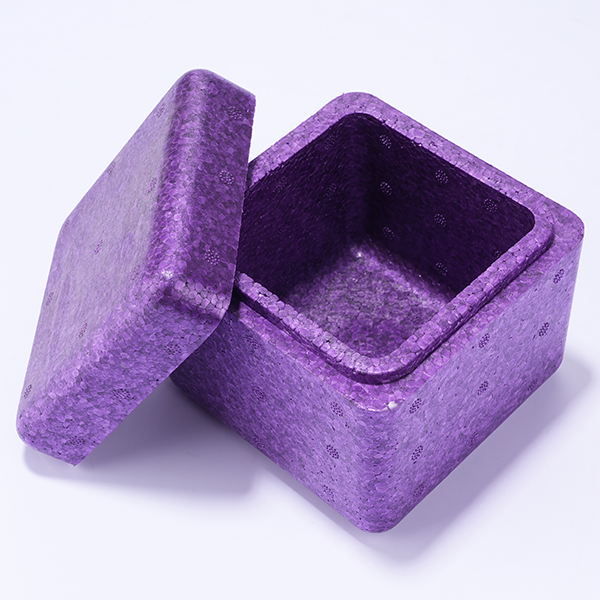
kotak transportasi EPP ringan: Cara Memilih Kotak yang Tepat Tanpa Mengklaim Kinerja Secara Berlebihan
Ringan Kotak transportasi EPP layak dipertimbangkan ketika Anda membutuhkan insulasi yang dapat digunakan kembali, perlindungan dampak, dan penanganan praktis dalam alur kerja yang sensitif terhadap suhu. Hal ini tidak boleh dianggap sebagai jawaban ajaib untuk setiap permasalahan rantai dingin. Kotak itu, pendingin, muatan, penutup, paparan rute, dan proses dokumentasi semuanya bekerja sama. Untuk pembeli yang serius, tujuannya adalah untuk menentukan kondisi pengoperasian terlebih dahulu, lalu tanyakan apakah kotak EPP dapat mendukung mereka dengan bukti, sampel, dan produksi yang konsisten.
Jawaban praktisnya: pilihlah ketika pengiriman atau program pengiriman Anda mendapat manfaat dari isolasi yang dapat digunakan kembali, ketahanan benturan yang dibentuk, dan penanganan manual yang lebih mudah. Jangan memilihnya hanya karena nama produknya terdengar menarik. Konfirmasikan muatannya, kisaran suhu yang diperlukan, durasi rute, rencana pendingin, rutinitas pembersihan, dan dukungan pemasok sebelum melakukan pemesanan massal.
Kerangka keputusan: bahan, rute, muatan, dan bukti
A lightweight EPP transport box should be evaluated against the full working lane, tidak hanya terhadap saat penyerahan. Sebelum pengiriman, kotak itu mungkin dipentaskan di gudang. Selama transportasi, itu mungkin duduk di dalam van, truk, area penerimaan pesawat, rak restoran, atau ruang acara luar ruangan. Setelah tiba, mungkin menunggu lagi sebelum muatan dibongkar. Setiap titik tunggu itu penting.
Jika pengiriman melibatkan obat-obatan atau produk lain yang diatur, peninjauan rute menjadi lebih ketat. Batas suhu produk harus dikonfirmasi, dan tim mutu mungkin mengharapkan prosedur penanganan yang terdokumentasi, pemantauan, dan bukti bahwa sistem pengemasan yang dipilih telah ditinjau sesuai tujuan penggunaan. Untuk makanan dan dibawa pulang, bahasa peraturannya mungkin berbeda, namun kebersihan dan kualitas produk tetap bergantung pada proses yang disiplin.
Kebiasaan membeli yang paling aman adalah menuliskan asumsi jalur sebelum meminta penawaran. Nyatakan muatannya, penggunaan yang diinginkan, frekuensi penanganan, perkiraan profil rute, proses pembersihan, dan apakah kotak tersebut merupakan bagian dari sistem yang dikontrol suhu. Hal ini memberikan kesempatan kepada pemasok untuk memberikan rekomendasi secara bertanggung jawab, bukan hanya menebak-nebak.
Dimana kotak EPP membantu dan dimana tidak cukup
EPP menarik dalam kemasan transportasi karena menggabungkan beberapa sifat yang sulit diseimbangkan dalam logistik sehari-hari. Cukup ringan untuk dibawa dengan tangan, cukup kuat untuk penanganan berulang, dan cukup isolasi untuk mendukung paket pasif. In a lightweight EPP transport box, ciri-ciri tersebut sangat berharga ketika pekerja harus sering memindahkan barang daripada memperlakukan kotak tersebut sebagai wadah pengiriman sekali pakai.
Kata terisolasi harus dibaca dengan cermat. Isolasi memperlambat pergerakan panas; itu tidak secara otomatis mempertahankan suhu yang dipilih. Jika barang Anda sensitif terhadap panas atau beku, the lightweight EPP transport box should be paired with the correct refrigerant or PCM, tata letak pengepakan yang jelas, dan proses penerimaan yang memeriksa kondisi produk. Hal ini sangat penting untuk layanan kesehatan, hidangan laut, susu, makanan siap saji, atau beban berisiko tinggi lainnya.
Check handle design, tutup pas, perilaku tumpukan, and sample consistency before deciding that a lightweight model is the best choice. Pertanyaan sederhana ini memisahkan percakapan pengemasan sebenarnya dari promosi penjualan tingkat permukaan. Pemasok yang dapat mendiskusikan batasan material dan kondisi pengoperasian biasanya lebih berguna dibandingkan pemasok yang hanya mengulangi klaim luas.
Poin verifikasi sebelum memesan
| Keputusan pembelian | Apa yang harus diperiksa | Mengapa hal itu mempengaruhi hasil |
|---|---|---|
| Rute cocok | Lamanya, titik tunggu, kondisi kendaraan, dan serah terima | Kinerja isolasi dipengaruhi oleh cara kotak ditangani dalam gerakan nyata. |
| Muatannya pas | Membentuk, berat, kerapuhan, dan ruang tersisa setelah cairan pendingin | Kotak yang terlalu besar atau terlalu sempit dapat menyebabkan kesalahan pengepakan. |
| Disiplin penutupan dan tutup | Tutup tempat duduk, tekanan segel, perilaku kait, dan kebiasaan pengguna | Perolehan panas sering kali terjadi melalui celah, pembukaan berulang, atau penutupan yang buruk. |
| Gunakan kembali program | Pembersihan, inspeksi, penyimpanan kembali, dan pengendalian kerusakan | Nilai yang dapat digunakan kembali tergantung pada disiplin operasional, tidak hanya kemampuan daur ulang material. |
| Bukti pemasok | Sampel, lembar data, dasar tes, dan konsistensi produksi | Bukti membantu mencegah klaim kinerja atau kualitas yang tidak didukung. |
A lightweight EPP transport box is a practical container, tetapi keputusan harus dibuat sebagai keputusan sistem. Tabel ini membantu memisahkan fitur yang terlihat dari pemeriksaan yang sebenarnya memengaruhi kinerja lapangan. Ini juga memberikan pengadaan, Operasi, dan tim kualitas bahasa yang sama untuk meninjau sampel.
Menggunakan kotak di dalam paket nyata
The packout is the real working arrangement inside the lightweight EPP transport box. Ini termasuk penempatan produk, pendingin atau paket es posisi, jangka pembagi garis, liner, dokumen, ruang kosong, dan urutan pekerja menutup penutupnya. Dua pembeli dapat menggunakan kotak yang sama dan mendapatkan hasil yang berbeda jika satu paket didisiplinkan dan paket lainnya diimprovisasi.
Kontak cairan pendingin adalah contoh umum. Beberapa barang tidak boleh menempel langsung pada kemasan beku; yang lain membutuhkan buffering termal yang lebih dekat. Makanan yang mudah rusak, restoran untuk dibawa pulang, minuman luar ruangan, bahan medis, dan sampel laboratorium semuanya berperilaku berbeda. Itulah sebabnya pemasok harus mengetahui apakah tujuannya adalah cold holding, dukungan beku, perlindungan panas sederhana, atau penanganan terisolasi umum.
Pendekatan yang paling aman adalah dengan mendokumentasikan prosedur pengepakan sederhana selama pengujian sampel. Tandai kemana muatannya pergi, bagaimana pendingin dikondisikan, berapa banyak ruang kosong yang dapat diterima, ketika kotak itu ditutup, dan bagaimana pemeriksaannya pada saat penerimaan. A lightweight EPP transport box becomes more reliable when the people using it do not have to guess.
Catatan pengadaan untuk kontrol sampel-ke-produksi
Procurement should not treat a lightweight EPP transport box as a simple commodity until the workflow is defined. Kotak yang sama bisa menjadi pilihan yang baik untuk satu pembeli dan kurang cocok untuk pembeli lain karena bentuk muatannya, panjang rute, proses pengembalian, pembersihan, penyimpanan, dan ekspektasi kualitas bervariasi.
Alat pengambilan keputusan yang berguna
Periksa detailnya sebelum Anda memilih kemasan
Alat cepat ini dapat membantu Anda membandingkan risiko rute, kebutuhan ukuran, pilihan pendingin, dan detail kemasan sebelum Anda meminta penawaran.
Referensi Bahan Isolasi
Bandingkan pilihan bahan insulasi untuk kebutuhan pengemasan rantai dingin yang berbeda.
Bandingkan bahanKalkulator Paket Es
Perkirakan jumlah paket es gel untuk pengiriman dingin dan perencanaan rute yang praktis.
Perkirakan kantong esPembuat Daftar Periksa Kepatuhan
Buatlah daftar periksa praktis untuk tinjauan kemasan, pengiriman, dan dokumentasi.
Buat daftar periksaPermintaan penawaran harga yang berguna mencakup lebih dari harga target. Ini mencakup penggunaan yang diharapkan, dimensi internal dan eksternal jika diketahui, jenis muatan, metode membawa, penyesuaian yang diinginkan, kisaran kuantitas pesanan, ekspektasi pengambilan sampel, dan apakah kotak itu akan dipasangkan Paket gel, batu bata es, PCM, es kering, atau sumber dingin lainnya. Jika detailnya tidak diketahui, nyatakan ketidakpastian dan mintalah pilihan.
Respons pemasok terbaik biasanya bersifat spesifik, bukan dramatis. Carilah penjelasan tentang trade-off: lebih ringan versus lebih kuat, kapasitas lebih besar versus margin suhu, menangani kenyamanan versus kemampuan ditumpuk, penampilan premium versus biaya, dan desain yang dapat digunakan kembali versus beban kerja pembersihan. Bahasa trade-off adalah tanda bahwa pemasok memahami operasinya.
Catatan risiko yang tidak boleh dilewati pembeli
Several mistakes appear again and again when buyers evaluate a lightweight EPP transport box. Sebagian besar pada awalnya bukanlah kegagalan teknis; itu adalah kegagalan asumsi. Kotak tersebut diharapkan dapat memecahkan masalah yang seharusnya telah ditentukan sebelumnya oleh perencanaan rute, ulasan paket, atau kualifikasi pemasok.
- Do not assume that the phrase lightweight EPP transport box proves the box is qualified for your exact shipment. Kualifikasi tergantung pada aplikasi, rute, paket, dan bukti.
- Jangan membandingkan harga tanpa membandingkan volume yang dapat digunakan. Pendingin, dokumen, jangka pembagi garis, dan perlindungan muatan dapat mengubah kotak yang tampak besar menjadi kemasan yang rapat.
- Jangan abaikan perilaku penutupan. Tempat duduk tutup yang buruk, pembukaan berulang, atau permukaan penyegelan yang kotor dapat mengurangi nilai praktis insulasi.
- Jangan menyetujui desain khusus hanya dari gambar. Menangani, tutup, sudut, dan garis lipatan harus diperiksa dengan sampel yang dimuat jika memungkinkan.
- Jangan biarkan klaim keberlanjutan menggantikan perencanaan operasional. Penggunaan kembali, pembersihan, logistik pengembalian, dan penyortiran di akhir masa pakainya menentukan apakah gagasan yang lebih ramah lingkungan berhasil dalam praktiknya.
Skenario tipikal: memperbaiki spesifikasi sebelum pembelian massal
Imagine a buyer preparing to use a lightweight EPP transport box for food delivery, rute belanjaan, lab moves, internal warehouse transfer, and controlled distribution lanes. Sampel pertama terlihat kuat, dan kotak kosongnya mudah dibawa. Selama persidangan, tim menemukan hal itu setelah cairan pendingin dan pembagi ditambahkan, ruang muatan sebenarnya lebih kecil dari yang diharapkan. Masalah kedua muncul saat pembersihan: sisa makanan atau penentuan ukuran label terkumpul di sekitar ceruk pegangan. Kotak itu bukan produk yang buruk, tetapi spesifikasi pertama melewatkan detail kerjanya. Pembeli memperbarui paket, meminta pemasok untuk mengonfirmasi opsi pegangan dan permukaan, dan mencatat daftar periksa penerimaan sederhana sebelum melakukan pemesanan lebih besar. Uji coba semacam ini lebih berguna daripada mengandalkan klaim judul karena menunjukkan bagaimana kotak berperilaku dalam proses pembeli yang sebenarnya..
Pelajarannya bukanlah setiap pembeli akan menghadapi masalah yang sama. Pelajarannya adalah dapat digunakan kembali wadah terisolasi harus disetujui melalui uji coba kerja, tidak hanya dari penampilannya, harga, atau klaim material yang luas. Saat uji coba menangkap penanganan nyata, spesifikasi menjadi lebih berguna bagi pembeli dan pemasok.
Detail operasional yang biasanya menentukan nilai jangka panjang
Nilai jangka panjangnya tergantung pada ritme penggunaan. A lightweight EPP transport box may perform well during a controlled trial but struggle when workers are rushed, kendaraan penuh sesak, atau kotak yang dikembalikan ditumpuk tanpa pemeriksaan. Tentukan siapa pemilik kotak itu setelah pengiriman, tempat penyimpanannya, siapa yang membersihkannya, yang memeriksa kerusakan, dan bagaimana tutup yang hilang atau gagang yang patah dicatat. Pengendalian biasa ini sering kali menentukan apakah kemasan yang dapat digunakan kembali menjadi aset atau sumber kebingungan.
Pelabelan patut mendapat perhatian lebih daripada yang diberikan banyak pembeli. Kotak yang digunakan dalam makanan, medis, atau program pengiriman mungkin memerlukan pengenal produk, kode rute, instruksi pengembalian, membersihkan tanda status, atau branding yang berhadapan dengan pelanggan. Label harus dapat dibaca tanpa menghalangi permukaan penutup atau menimbulkan residu yang mempersulit pembersihan. Jika kotaknya disesuaikan, rencanakan area label bersama dengan pegangan dan desain susun daripada menambahkannya di bagian akhir.
Penyimpanan adalah biaya tersembunyi lainnya. Kotak yang kaku membutuhkan ruang; bisa dilipat, lipat, atau sistem nestable memerlukan konfirmasi bahwa fitur penghemat ruang tidak melemahkan struktur kerja. Untuk pesanan massal, tim gudang harus menjadi bagian dari peninjauan. Mereka dapat memberi tahu Anda apakah kotak-kotak itu mudah dihitung, tumpukan, memilih, kembali, dan pisahkan jika rusak.
FAQ
Is a lightweight EPP transport box enough for temperature-controlled shipping?
Tidak dengan sendirinya. A lightweight EPP transport box can provide insulation and impact protection, Tetapi Pengiriman yang dikendalikan suhu juga tergantung pada kebutuhan produk, pendingin atau PCM, tata letak paket, paparan rute, waktu penanganan, dan pemantauan atau dokumentasi jika diperlukan. Perlakukan kotak sebagai salah satu komponen dalam suatu sistem, khususnya untuk bidang farmasi, hidangan laut, susu, atau barang sensitif lainnya.
Spesifikasi apa yang paling penting untuk dibandingkan?
Tidak ada spesifikasi tunggal yang menentukan pembelian. Ruang muatan yang dapat digunakan, keandalan penutupan, membawa kenyamanan, kemampuan ditumpuk, pembersihan cocok, dan kompatibilitas paket sering kali lebih penting daripada satu dimensi judul. Jika kotak tersebut akan mendukung pekerjaan rantai dingin, tanyakan bagaimana cara penggunaannya dengan cairan pendingin dan bagaimana kinerja diverifikasi untuk jalur yang dituju.
Bagaimana cara menguji sampel sebelum disetujui?
Muat dengan muatan asli atau penggantinya, tambahkan cairan pendingin yang diharapkan jika diperlukan, tutup seperti yang dilakukan pekerja, membawanya, menumpuknya, membersihkannya, dan memeriksanya setelah digunakan. Tujuannya adalah untuk melihat apakah kotak tersebut sesuai dengan alur kerja, tidak hanya apakah terlihat benar saat kosong.
Apakah EPP dapat didaur ulang dan digunakan kembali?
EPP secara luas digambarkan sebagai produk yang dapat didaur ulang dan sering digunakan dalam kemasan cetakan yang dapat digunakan kembali. Hasil praktis keberlanjutan masih bergantung pada return loop Anda, proses pembersihan, tingkat kerusakan, jalur daur ulang lokal, dan rencana pensiun. Pembeli harus memverifikasi bagaimana kotak bekas akan dikumpulkan, diurutkan, dan ditangani pada akhir masa pakainya.
Kapan saya harus menghindari kotak jenis ini?
Hindari ketika tim Anda tidak dapat menentukan rute, kebutuhan produk, rutinitas pembersihan, atau muatan sesuai. Hindari juga memperlakukan sebuah kotak sebagai kotak yang memenuhi syarat kemasan rantai dingin tanpa bukti paket. Jika kirimannya bernilai tinggi, diatur, atau sangat sensitif terhadap suhu, melibatkan kualitas, logistik, dan tim pengemasan sebelum disetujui.
Kesimpulan
The right lightweight EPP transport box is chosen by matching material advantages to operating reality. EPP dapat mendukung berat badan rendah, penanganan yang dapat digunakan kembali, isolasi, dan perlindungan dampak, tapi kelebihan itu hanya berguna jika kotaknya sesuai dengan rutenya, muatan, rencana pendingin, proses pembersihan, dan kontrol pemasok. Sebelum membeli, mendefinisikan kasus penggunaan, menguji sampel, memverifikasi klaim kinerja apa pun, dan memastikan desain yang disetujui dapat diulangi dalam produksi.