Produsen paket es kering untuk transportasi permen: Kerangka Kerja Pengadaan yang Siap Rute
Benar manufacturer dry ice pack for candy transport is not the sheet with the boldest duration claim. Ini adalah komponen yang sesuai dengan muatan yang ditentukan, paket terisolasi, rute, proses operasi, dan keputusan penerimaan, dengan bukti yang tetap valid pada skala produksi. Pembeli harus memisahkan lembaran hidrasi dari karbon dioksida padat, melindungi terhadap pemanasan dan hipotermia, dan menyetujui sistem yang lengkap, bukan pendingin yang terisolasi.
This framework is designed for a confectionery brand, contract packer, distributor, or procurement team that needs to move from search term to controlled purchase. Ini menggabungkan kesesuaian produk, desain termal, kualitas bahan, tata kelola pemasok, kualifikasi, Operasi, dan total biaya pengiriman. Hasilnya adalah spesifikasi dan paket yang dapat dipertahankan, diajari, ulang, dan ditingkatkan.
Define the Product Limit Before Asking for a Sample
Keputusan sumber yang baik memisahkan tiga pertanyaan yang sering kali tercampur: kondisi apa yang dibutuhkan muatan, media pendingin apa yang dapat mendukung kondisi tersebut, dan bukti apa yang membuktikan paket yang dirakit berada pada rute yang dituju. Memulai dengan nama produk membalikkan logika tersebut. Dimulai dengan kriteria muatan dan keputusan membuat perbandingan pemasok berguna.
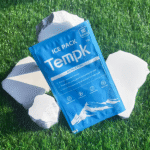
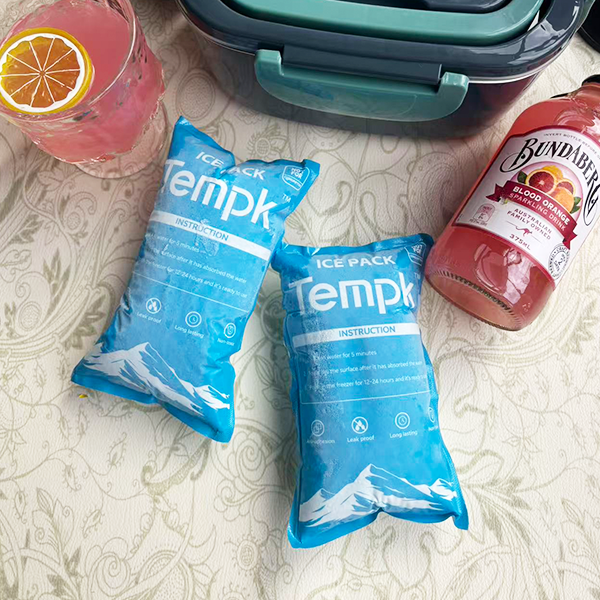
Paket es kering hidrasi adalah lembaran sel yang diaktifkan air yang dibekukan sebelum digunakan. Hal ini dapat memberikan manfaat yang luas, flexible cooling around candy, tapi itu tetap menjadi salah satu komponen sistem pelayaran. Ini tidak boleh diperlakukan sebagai karbon dioksida padat, sebagai a pengirim yang memenuhi syarat dengan sendirinya, atau sebagai bukti durasi universal. The goal is to protect texture, membentuk, pelapis, and presentation without creating damaging cold spots or condensation.
Seleksi akhir harus menghubungkan komposisi, perilaku termal, integritas materi, isolasi, geometri muatan, pengkondisian, paparan rute, pemantauan, dan pengendalian operasi. Ketika karbon dioksida padat sebenarnya diusulkan, persyaratan keselamatan dan transportasinya yang terpisah dimasukkan dalam rencana. Ketika lembaran berbahan dasar air diusulkan, mengklasifikasikan dan menyetujui produk tersebut dari dokumentasinya sendiri.
A mixed confectionery order can contain hard candy, permen karet, panned pieces, filled sweets, and chocolate-coated items in the same parcel. Their heat sensitivity is not identical. A packout that protects a coated piece on a hot loading dock may be unnecessary for a stable hard candy and may create condensation when the parcel enters an air-conditioned receiving room. The useful design question is therefore not whether the coolant feels cold. It is whether the entire parcel keeps each SKU inside its own quality limits through every handover.
Tulis persyaratan pengiriman satu halaman sebelum menghubungi pemasok. Cantumkan identitas dan kondisi produk, paket utama, dimensi dan massa muatan, suhu pengiriman, batas penerimaan atas dan bawah, rute dan serah terima, paparan musiman, isolasi, proses penerimaan, keputusan pemantauan, volume yang direncanakan, dan persyaratan kualitas atau pasar yang berlaku. Tandai hal yang tidak diketahui untuk pilotnya.
Pisahkan batas keamanan produk dari preferensi kualitas dan batas kerusakan kemasan. Hal ini dapat menyebabkan posisi dan tindakan sensor yang berbeda. Penerima harus mengetahui observasi atau kumpulan data mana yang memicu penerimaan, memegang, penyelidikan, atau disposisi. Desain termal tidak dapat dioptimalkan sampai aturan pengambilan keputusan jelas.
Choose the Coolant Architecture by Failure Mode
Bandingkan teknologi dengan kebutuhan. Lembar hidrasi menawarkan penyimpanan pra-aktivasi yang datar, cakupan permukaan yang luas, dan geometri sel yang fleksibel. Paket gel bisa lebih mudah untuk diterapkan di beberapa paket dingin. PCM dapat dipilih pada kondisi perubahan fasa yang lebih sempit. Karbon dioksida padat mendukung penggunaan makanan beku dalam namun memiliki kontrol penanganan dan pengangkutan yang berbeda. Peralatan aktif mungkin dibenarkan pada jalur kompleks yang berisiko tinggi.
Within candy, kasus produk dan rute masih memerlukan segmentasi. Tabel tersebut menunjukkan mengapa satu SKU katalog tidak dapat diasumsikan melayani setiap kasus.
| Kasus produk atau rute | Paparan atau kegagalan utama | Respons desain yang berguna | Asumsi yang harus dihindari |
|---|---|---|---|
| Hard candy and lozenges | Panas, kelembaban, sticking, and crushed retail packs | Use cooling only when the product specification or route exposure justifies it | Moisture control and carton strength may matter more than deep cooling |
| Gummies and soft chews | Pelunakan, deformasi, surface tack, and flavor migration | Use broad but buffered cooling with stable carton geometry | Avoid direct pack contact that can wet or locally harden the product |
| Chocolate-coated candy | Coating softening, bloom risk, lecet, and presentation loss | Control heat gain and temperature swings, not simply the lowest possible temperature | Plan acclimation so cold packs do not create condensation at opening |
| Filled or layered sweets | Different fat, sugar, and moisture phases respond differently | Confirm the finished product limit with quality staff before selecting coolant | A generic candy setpoint may not protect every layer |
Pilihlah teknologi yang paling sederhana yang menghasilkan hasil yang memadai, menunjukkan margin tanpa memperkenalkan sisi dingin yang lebih besar, kelembaban, penanganan, atau risiko kepatuhan. Jika dua opsi tampak memungkinkan, bandingkan mereka melalui muatan yang sama, profil, aturan penerimaan, dan batas biaya total.
Translate Route Exposure Into Pack Placement
Bangun arsitektur dari luar ke dalam: karton luar atau wadah yang dapat digunakan kembali, isolasi, liner atau kontrol uap jika diperlukan, lokasi pendingin, penyangga, pemegang muatan, paket produk, manajemen ruang kepala, posisi sensor, penutup, dan label. Setiap lapisan harus memiliki pekerjaan. Menghapus atau memindahkan lapisan setelah kualifikasi merupakan perubahan desain, bukan preferensi pengepakan yang tidak berbahaya.
Route analysis should explicitly challenge local overcooling where a frozen sheet touches a thin retail carton, warm air entering through headspace and defeating edge cooling, condensation forming on wrappers when a cold parcel is opened in humid air, mechanical scuffing when a wet or poorly drained sheet shifts in transit, and seasonal packouts remaining in use after lane conditions have changed. Use alternatives such as no coolant with improved insulation for mild lanes, conditioned gel packs for moderate heat exposure, phase change material selected around a product-specific range, and solid carbon dioxide only for a genuinely frozen requirement and an appropriate compliant packout where they solve the exposure more directly. Misalnya, pengendalian kendaraan yang lebih baik mungkin lebih efektif pada rute padat, sementara jaringan parsel mungkin memerlukan perlindungan pasif yang lebih kuat di dinding dan serah terima.
Application-specific technical considerations include Sugar, gemuk, aktivitas air, jenis pelapis, piece geometry, and primary wrap all influence how a confectionery item responds to heat and cooling., A cell sheet presents more surface area than a rigid block, which can improve heat interception but also increases the need for a buffer layer., The frozen water held in an absorbent structure stores cooling through sensible heat and phase change; it does not reproduce the temperature of solid carbon dioxide., Celah udara, liner reflektif, papan bergelombang, ketebalan isolasi, and payload thermal mass determine how quickly heat reaches the product., and The dew point at unpacking matters because a cold surface exposed to humid air can collect moisture even when the product never exceeded its upper limit. Ubah setiap pertimbangan materi menjadi fitur gambar, pengendalian pemasok, langkah operasi, inspeksi, atau variabel protokol. Jika tidak, maka hal ini tetap merupakan pengamatan yang tidak dapat melindungi pengiriman rutin.
Score the Manufacturer on Evidence and Control
Gunakan gerbang keputusan untuk membandingkan produsen. Hal ini mencegah pengadaan menentukan harga satuan sebelum komposisi, bukti, pengendalian produksi, dan skala telah ditinjau.
| Gerbang keputusan | Kondisi lulus | Tanda peringatan |
|---|---|---|
| Aplikasi cocok | The supplier asks about candy, muatan, rute, isolasi, dan batas penerimaan | Jumlah paket ditawarkan berdasarkan kata kunci atau ukuran karton saja |
| Spesifikasi | Ukuran, bahan, pengaktifan, toleransi, dan tujuan penggunaan tertulis | Sampel diperlakukan sebagai keseluruhan spesifikasi |
| Bukti | Kondisi pengujian dan batasan sistem diungkapkan | Klaim komponen disajikan sebagai kinerja paket universal |
| Kontrol kualitas | Ketertelusuran banyak, inspeksi, ketidaksesuaian, dan pemberitahuan perubahan ditentukan | Pergantian diperbolehkan tanpa ulasan pembeli |
| Skala | Kapasitas, kemasan karton, asumsi waktu tunggu, dan perencanaan puncak dibahas | Hanya keluaran nominal bulanan yang dibahas |
| Mendukung | Sampel yang mewakili produksi dan rencana uji coba rute tersedia | Pembeli didesak untuk melewatkan uji coba |
Setelah layar awal, meminta sampel perwakilan produksi dan spesifikasi tertulis. Tinjau toleransi yang diusulkan pabrikan, metode pengujian, identifikasi banyak, penanganan ketidaksesuaian, sampel yang ditahan, tanggapan pengaduan, dan periode pemberitahuan untuk perubahan. Tentukan siapa yang memiliki perkakas, karya seni, dan persetujuan pola atau kemasan sel khusus.
Persyaratan komersial harus membuat asumsi terlihat. Konfirmasikan unit kutipan, kondisi kering atau aktif, kuantitas karton, paletisasi, pesanan minimum, dasar waktu tunggu, status sampel, istilah pengiriman, dokumentasi, dan kapasitas puncak tanpa mengubah angka yang belum terverifikasi menjadi janji kinerja. Bandingkan biaya pendaratan dan biaya operasional dalam cakupan yang sama.
Qualify the Whole Parcel, Then Freeze the Specification
Kualifikasi dimulai dengan protokol yang disetujui dan diakhiri dengan laporan terkontrol, menggambar, spesifikasi, dan instruksi kerja. Uji muatan yang diinginkan atau pengganti yang dibenarkan, isolasi dan pendingin nyata, pengkondisian yang ditentukan, variasi perakitan, profil ambien yang representatif atau berbasis risiko, durasi yang sesuai, dan kriteria penerimaan yang telah disepakati sebelumnya. Meliputi pemeriksaan fisik dan perilaku penerimaan.
Alat pengambilan keputusan yang berguna
Periksa detailnya sebelum Anda memilih kemasan
Alat cepat ini dapat membantu Anda membandingkan risiko rute, kebutuhan ukuran, pilihan pendingin, dan detail kemasan sebelum Anda meminta penawaran.
Pendingin & Referensi PCM
Bandingkan opsi cairan pendingin dan PCM ketika suatu rute memerlukan dukungan suhu tambahan.
Bandingkan pilihanPemilih Kemasan
Bandingkan opsi kemasan berinsulasi berdasarkan produk, rute, dan kebutuhan suhu.
Temukan kemasannyaPelapis Kotak & Ukuran Penutup Palet
Centang kotak logika ukuran penutup palet dan liner untuk proyek pengemasan berinsulasi.
Perkiraan ukuranTempatkan penebang pohon di lokasi yang diperkirakan berisiko hangat dan dingin. Peta yang hanya berada di tengah dapat melewatkan panas dinding dan kontak yang membeku. Tentukan akurasi, status kalibrasi, selang, sinkronisasi, memulai dan menghentikan logika, kepemilikan data, dan pengobatan anomali. Ulangi pengujian secukupnya untuk memahami variasi sistem daripada memilih satu proses yang menguntungkan.
Operasikan kontrol ini: Separate summer, musim bahu, and mild-weather instructions rather than relying on one year-round packout., Hydrate with a controlled method, allow excess surface water to drain, and freeze sheets in a repeatable orientation., Gunakan pengatur jarak, lengan baju, or product tray when direct frozen contact could mark wrappers or create cold spots., Record pack count, status pengkondisian, waktu perakitan, and dispatch condition for pilot shipments., and Give receivers an opening and acclimation instruction when condensation could affect presentation. Pelatihan harus mencakup pencegahan komponen yang salah, pemeriksaan status beku, penolakan lembar yang rusak, pemilihan varian rute, dan peningkatan penyimpangan. Amati operator sebenarnya selama peluncuran; ambiguitas seringkali hanya muncul pada kecepatan produksi.
Terapkan juga batasan klaim yang relevan. Candy is food, so sanitation, suitable materials, and protection from contamination remain relevant even when cooling is mainly for quality., The required product condition should come from the confectionery specification and applicable market rules, not from a generic coolant claim., and If the chosen sheet contains no solid carbon dioxide, a marketing name that includes dry ice does not by itself establish UN1845 classification; buyers should confirm composition and carrier treatment. Ketika produk, muatan, pendingin, isolasi, pengkondisian, rute, pembawa, musim, lokasi, logger, atau perubahan materi pemasok, biarkan tim mutu menentukan apakah peninjauan dokumen, pengujian konfirmasi, atau diperlukan kualifikasi ulang.
Manage Cost Without Trading Away Product Presentation
Hitung biaya per pengiriman yang berhasil, bukan harga per lembar kering. Termasuk pengiriman masuk dan kubus, penyimpanan, air hidrasi, tenaga kerja, drainase, energi dan kapasitas freezer, rak, buffer, isolasi, waktu perakitan, pemantauan, menolak, kebocoran, kerusakan produk, pelayanan pelanggan, pembuangan, kembali, dan biaya pengiriman yang gagal atau tertunda. Nyatakan item mana yang diukur dan mana yang asumsi.
Flat dry storage can reduce inbound cube before activation, but hydration labor, energi freezer, penggunaan air, film recovery, and product waste belong in the same assessment.
A lighter packout is not automatically the lower-impact option if it causes more damaged candy or emergency reshipments.
Reuse should be considered only when hygiene, inspeksi, pengeringan, transportasi kembali, and performance after prior cycles are controlled.
Optimalkan dalam langkah-langkah terkontrol. Hapus ruang kepala berlebih, meningkatkan kesesuaian insulasi, sesuaikan penempatan cairan pendingin, membuat varian musiman yang berkualitas, menyederhanakan gerakan operator, atau tingkatkan waktu penerimaan sebelum mengurangi margin termal tanpa bukti. Lacak penerimaan produk, tamasya, kerusakan, keluhan, kehilangan paket, tenaga kerja, dan energi melalui rute keluarga.
Program yang stabil tidak berarti desainnya dibekukan. Artinya perubahan diajukan dengan suatu alasan, dievaluasi terhadap batas sistem, diuji bila diperlukan, disetujui, didokumentasikan, terlatih, dan dilacak. Disiplin tersebut memungkinkan peningkatan biaya dan keberlanjutan tanpa mengubah jaringan distribusi langsung menjadi eksperimen yang tidak terkendali.
Pertanyaan yang sering diajukan
Does every candy shipment need a frozen pack?
TIDAK. Some hard candies tolerate ordinary parcel conditions better than coated, dipenuhi, or gummy products. Start with the finished-product specification, paparan rute yang diharapkan, and presentation risk. Cooling that is unnecessary can add condensation, berat, tenaga kerja, and cost without improving delivery quality.
Can a hydrate dry ice pack touch candy boxes directly?
Direct contact may create local cold spots, perpindahan kelembaban, or scuffing, especially around thin retail cartons. Sebuah pengatur jarak, lengan baju, baki, or liner is often worth testing. The approved arrangement should be based on a packed-product trial rather than on the coolant sheet alone.
Is a water-activated dry ice pack regulated as solid dry ice?
Tidak secara otomatis. Solid carbon dioxide is a specific material with transport requirements. A water-activated frozen sheet may use a different composition. Ask for the product description and safety documentation, then confirm classification with the carrier for the planned mode and lane.
How should a candy brand compare samples from manufacturers?
Condition every sample with the same hydration and freezing process, use the same candy load and carton, expose the parcels to the same profile, and place temperature sensors consistently. Also compare leakage, ukuran, waktu penanganan, bau, mencetak, and production-lot consistency.
What information should be sent before requesting a quote?
Provide candy type, kemasan primer dan sekunder, dimensi muatan, ukuran paket, durasi rute, paparan musiman, kondisi pengiriman dan penerimaan, penyesuaian yang diinginkan, estimated volume, and the evidence required by your quality team. That information produces a more meaningful proposal than pack size alone.
Menyetujui Sistem Terkendali, Bukan Klaim Terisolasi
Hasil pencarian sumber terbaik menghubungkan enam keputusan: kebutuhan muatan, teknologi pendingin, arsitektur paket, kontrol pabrikan, bukti kualifikasi, dan proses operasi. Jika ada tautan yang hilang, pembeli mengandalkan asumsi yang mungkin gagal dalam skala besar atau pada jalur yang berbeda.
Untuk permen, langkah praktis berikutnya adalah mendokumentasikan produk, rute, muatan, isolasi, kondisi pengiriman dan penerimaan, paparan musiman, dan kebutuhan bukti. Gunakan ringkasan tersebut untuk membandingkan sampel produksi dan merancang uji coba. Baru setelah itu bekukan spesifikasi komersial dan rencana peluncurannya.
Tentang tempk
Tempk menyediakan lembaran sel yang diaktifkan air dan sejenisnya kemasan rantai dingin dukungan untuk makanan, hidangan laut, Sampel medis, dan pengiriman sensitif suhu lainnya. Untuk permen, Tempk dapat meninjau masukan muatan dan rute, mengusulkan format lembar dan sel, mendiskusikan materi dan pilihan cetak, dan menyiapkan sampel untuk uji coba paket. Konfigurasi pengiriman akhir harus disetujui dari persyaratan produk pelanggan dan bukti pada sistem insulasi lengkap, dengan kontrol produksi dan perubahan yang selaras sebelum peningkatan skala.
Send Tempk your candy shipment brief and expected order scale to discuss coolant-sheet options, geometri sel khusus, sampel produksi, dan tinjauan paket berbasis rute.