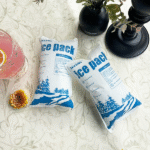
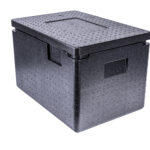
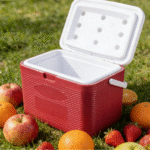
Pengiriman jamur melalui kurir, kebutuhan sehari-hari, atau jalur e-niaga memerlukan rencana rantai dingin khusus produk karena hilangnya kesegaran tidak hanya disebabkan oleh suhu. Kelembaban, tekanan karton, aliran udara, pra-pendinginan, penempatan cairan pendingin, dan waktu tinggal semuanya mempengaruhi kualitas kedatangan.
Jamur sensitif terhadap dingin dalam arti praktis: mereka membutuhkan penanganan dingin, tetapi kualitas permukaannya bisa menurun jika ada uap air di tutupnya. Kemasan produk segar yang umum dapat membuat kotak tetap dingin, tapi masih bisa gagal jika menimbulkan kondensasi, menghalangi ventilasi, menghancurkan paket ritel, atau menggunakan cairan pendingin yang terlalu dingin untuk produk.
Recommended rantai dingin range
Untuk perencanaan rute, jamur harus ditangani 0-2 C dengan kelembaban relatif disekitarnya 95% RH. Nilai-nilai ini merupakan rentang perencanaan berdasarkan panduan penyimpanan produk komersial dan harus diperiksa berdasarkan spesifikasi produk pemasok, format karton, tahap kedewasaan, dan iklim destinasi.
Aturan praktis yang paling penting adalah menghilangkan panas lapangan sebelum pengepakan. Sebuah pengirim terisolasi dirancang untuk memperlambat perolehan panas selama transit; ini bukan pengganti pendinginan awal.
Perbandingan dengan produk segar serupa
| Produk | Suhu perencanaan | Kelembaban relatif | Sensitivitas kerusakan | Pra-pendinginan | Prioritas paket |
|---|---|---|---|---|---|
| jamur | 0-2 C | 95% | Tinggi | Baki yang sudah didinginkan sebelumnya | Hindari topi basah, bau, dan kompresi |
| raspberry | 0-1 C | 90-95% | Sangat tinggi | Pendinginan udara paksa yang cepat | Kompresi sangat rendah dan kontrol kebocoran |
| Asparagus | 0-2 C | 95-100% | Tinggi | Hydrocool atau pra-dingin | Pertahankan turgor tanpa kegagalan karton basah |
Tabel perencanaan rute dan paket
| Variabel rute | Persyaratan khusus produk | Respon paket Tempk |
|---|---|---|
| Suhu | 0-2 C | Pilih ketebalan insulasi dan cairan pendingin terkondisi atau PCM untuk jalur yang diuji. |
| Kelembaban | 95% RH | Gunakan pemisah, kontrol penyerap, ventilasi, atau penghalang kelembapan berdasarkan kemasan eceran. |
| Pra-pendinginan | Produk dan baki didinginkan terlebih dahulu sebelum dikemas; jaga agar film atau ventilasi ritel tetap sesuai dengan rute. | Jangan bergantung pada pengirim untuk menghilangkan panas lapangan; itu harus mempertahankan kondisi awal. |
| Tekanan kemasan | Rendah. Tutup mudah ditandai di bawah kompresi baki, kekosongan rapat, atau beban cairan pendingin yang berat. | Cocokkan dukungan karton, isi kosong, dan posisi cairan pendingin terhadap sensitivitas himpitan produk. |
| Posisi pendingin | Paket gel yang dikondisikan ditempatkan di sekitar zona baki dengan pemisah penyerap; hindari kontak kemasan beku dengan baki ritel. | Jauhkan cairan pendingin dari kontak langsung dengan kemasan eceran dan uji suhu ruang produk. |
| Durasi transit | 24-48 jam lebih disukai untuk rute parsel. Jalur yang lebih panjang memerlukan pengujian kondensasi dan pencoklatan yang cermat. | Validasi rute berdasarkan waktu tunggu sebenarnya, penanganan depo, dan paparan di depan pintu. |
Bagaimana memilih paket untuk 24, 48, Dan 72 rute jam
| Jenis pengiriman | Logika paket | Apa yang harus diverifikasi |
|---|---|---|
| Pengiriman bahan makanan lokal | Gunakan tas jinjing berinsulasi dingin dan jaga agar baki tetap tegak dengan ruang aliran udara. | Periksa kelembapan dan bau tutup setelah melahirkan. |
| 24-kurir jam | Gunakan pengirim yang terisolasi, paket gel terpisah, dan kontrol penyerap di dekat zona baki. | Hindari pengepakan berlebihan yang akan menekan lapisan film baki. |
| 24-48 jam | Validasi suhu dan kondensasi setelah transisi hangat ke dingin. | Periksa warna kecoklatan, lendir, dan deformasi baki. |
Untuk rute yang lebih panjang, hindari menyelesaikan setiap masalah dengan menambahkan lebih banyak beku Paket gel. Pendingin ekstra dapat menimbulkan titik dingin, tanda air, aliran udara tersumbat, atau tekanan produk. Pendekatan yang lebih baik adalah dengan menyesuaikan isolasi, pengkondisian cairan pendingin, desain pemisah, karton sesuai, dan waktu rute bersama-sama.
Pola kerugian yang umum
Kerugian transit utama yang harus diperhatikan adalah warna coklat, permukaan berlendir, film basah, topi memar, membuka kerudung, penyerapan bau, dan memperpendek umur simpan. Masalah ini biasanya berasal dari waktu tinggal yang hangat, pendinginan awal yang tidak mencukupi, pemisahan cairan pendingin yang buruk, karton hancur, ventilasi tersumbat, atau kondensasi di dalam kemasan eceran.
Alat pengambilan keputusan yang berguna
Periksa detailnya sebelum Anda memilih kemasan
Alat cepat ini dapat membantu Anda membandingkan risiko rute, kebutuhan ukuran, pilihan pendingin, dan detail kemasan sebelum Anda meminta penawaran.
Kalkulator Paket Es
Perkirakan jumlah paket es gel untuk pengiriman dingin dan perencanaan rute yang praktis.
Perkirakan kantong esKetahanan Jatuh Bahan Isolasi
Tinjau ketahanan jatuh dan faktor penanganan sebelum memilih bahan insulasi.
Periksa resistensiPemilih Kemasan
Bandingkan opsi kemasan berinsulasi berdasarkan produk, rute, dan kebutuhan suhu.
Temukan kemasannyaSaat meninjau pengiriman yang gagal, periksa produk dan kemasannya secara bersamaan. Label basah mungkin menunjukkan kondensasi; memar mungkin menunjukkan tekanan vertikal; suhu yang tidak merata mungkin menunjukkan penempatan cairan pendingin yang buruk; dan data logger yang bagus dengan tampilan yang buruk mungkin menunjukkan tekanan atau kelembapan kemasan, bukan suhu.
Rekomendasi kemasan Tempk
Pengirim yang terisolasi, nampan berventilasi, paket gel yang dikondisikan, lapisan penyerap, bahan yang bebas bau, dan logger selama validasi musim panas. Untuk penggunaan komersial, paket harus diuji dengan berat muatan sebenarnya, paket ritel, ukuran karton, durasi rute, dan jalur pengiriman terhangat yang diharapkan.
Tempk dapat mendukung pemilihan paket dengan kotak terisolasi, liner terisolasi, Paket gel, Paket PCM, lapisan pemisah pengatur kelembapan, dukungan karton, dan validasi rute. Desain akhir harus melindungi kisaran suhu target dan kualitas eceran produk yang terlihat.
Daftar periksa validasi sebelum penskalaan
- Konfirmasikan suhu awal pulp atau ruang produk sebelum pengemasan.
- Tempatkan pencatat suhu di dekat produk, tidak hanya menempel pada dinding luar pengirim.
- Jalankan pengujian melalui jalur pengiriman sebenarnya, termasuk penjemputan, tinggal depo, pemuatan van, dan waktu di depan pintu.
- Periksa kelembapan, bau, memar, kondisi batang atau ujung, kekuatan karton, kondisi label, dan tampilan kemasan ritel setelah dibongkar.
- Ulangi validasi saat musim, pembawa, jumlah karton, berat muatan, atau waktu pengiriman berubah.
Informasi untuk dikirim sebelum meminta paket
Untuk merekomendasikan paket Tempk yang praktis, membagi berat produk per pengiriman, jenis paket ritel, dimensi karton, suhu awal, durasi rute target, iklim tujuan, suhu lingkungan maksimum yang diharapkan, dan apakah kirimannya berupa paket, pengiriman bahan makanan, Pengangkutan Udara, atau kurir lokal.
Dasar data
Rentang perencanaan di atas didasarkan pada Buku Panduan Pertanian USDA-ARS 66 panduan penyimpanan komoditas, praktik penanganan pascapanen yang umum, dan metode validasi paket terisolasi Tempk. Pengaturan pengiriman akhir harus dikonfirmasi dengan pengujian rute langsung.
Panggilan untuk bertindak
Jika Anda mengirimkan jamur melalui kurir hangat, kebutuhan sehari-hari, atau jalur e-niaga, Tempk dapat meninjau muatan Anda, ukuran karton, waktu pengiriman, dan paparan iklim untuk merekomendasikan paket terisolasi untuk pengujian.