Metode Lima Gerbang untuk Selimut Termal Pallet untuk Pengiriman Bahan Berbahaya
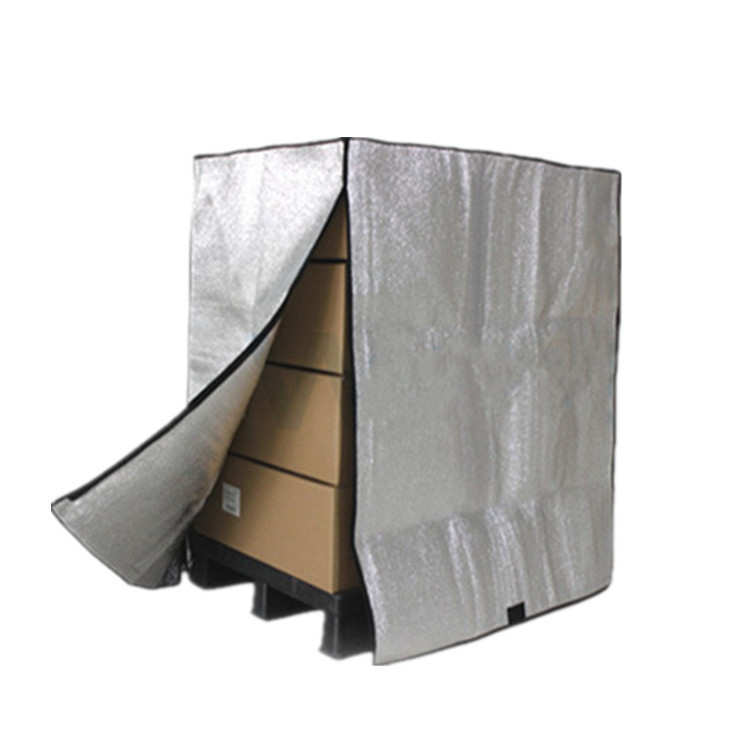
Penutup termal tidak boleh menjadi item pertama yang disetujui pada palet bahan berbahaya. Persetujuan pertama berkaitan dengan materi, kemasan resmi, komunikasi bahaya, rute, dan pembawa. Hanya dengan begitu bisa selimut termal palet untuk pengiriman bahan berbahaya dinilai sebagai perlindungan sekunder terhadap paparan lingkungan tertentu. Mereka tidak dapat mengganti kemasan dengan spesifikasi PBB bila diperlukan, klasifikasi, pemisahan, tanda, Label, dokumentasi, pelatihan, pengaturan darurat, atau penerimaan operator.
Tim pengadaan dapat mengelola keputusan melalui lima gerbang: cocok secara hukum, kebutuhan termal, integrasi fisik, bukti, dan pengendalian operasional. Seorang kandidat bergerak maju hanya jika ia berhasil melewati setiap gerbang. Metode ini mencegah hasil termal yang kuat untuk menyembunyikan cacat barang berbahaya dan mencegah paket telanjang yang memenuhi syarat terbungkus dalam penutup yang dirancang dengan buruk..
Gerbang 1: Apakah Unit yang Telah Selesai Dapat Diterima Secara Hukum dan Operasional?
Hentikan diskusi menyeluruh sampai orang yang bertanggung jawab dan terlatih telah mendefinisikan barang berbahaya tersebut. Catat PBB atau nomor identifikasi jika ada, Nama pengiriman yang tepat, kelas atau divisi, bahaya tambahan, kelompok pengepakan ketika ditugaskan, kuantitas, keadaan fisik, konsentrasi, dan modus. Konfirmasikan instruksi pengemasan resmi, ketentuan khusus, batas kuantitas, pembatasan rute, dan variasi operator atau operator apa pun.
Berdasarkan Peraturan Bahan Berbahaya Amerika Serikat, pihak yang menawarkan bertanggung jawab atas klasifikasi dan deskripsi yang tepat dan untuk menentukan bahwa kemasan tersebut sah. Persyaratan komunikasi inti muncul di 49 Bagian CFR 172 dan persyaratan pengemasan pengirim di Bagian 173, dengan aturan tambahan untuk udara, kapal, dan mode jalan raya. Peraturan Barang Berbahaya IATA memandu pengiriman melalui udara dan mencakup variasi pengangkut serta persyaratan penerimaan. ADR dan peraturan nasional mungkin berlaku untuk pergerakan jalan raya Eropa. Selalu gunakan ketentuan yang berlaku untuk jalur sebenarnya.
Sekarang periksa perakitan tertutup yang diusulkan. Bertanya:
Akankah setiap tanda yang diperlukan, label bahaya, tanda orientasi, identifikasi, dan kantong dokumen tetap terlihat?
Jika informasi disembunyikan, apakah persyaratan penandaan dan pelabelan kemasan luar yang berlaku telah dipenuhi dengan benar?
Apakah penutupnya mengganggu ventilasi, katup, perangkat pelepas tekanan, penutupan, poin pengangkatan, ikatan, atau akses darurat?
Apakah konsolidasi diperbolehkan, dan apakah persyaratan kompatibilitas dan segregasi masih terpenuhi?
Apakah operator telah menerima pertanggungan tersebut, metode pengikatan, akses inspeksi, dan menyelesaikan presentasi?
Di Amerika Serikat, 49 CFR 173.25 menangani kemasan luar yang resmi dan reproduksi tanda dan label yang diperlukan ketika tidak terlihat, termasuk penggunaan tanda “OVERPACK” dalam situasi tertentu. Penentuan pastinya tergantung pada perakitan. Jangan menganggap kantong bening atau label yang disalin sebagai solusi universal.
Gerbang 1 gagal jika penutup menyembunyikan komunikasi, mengubah konfigurasi resmi tanpa persetujuan, memblokir fitur keamanan paket, atau tidak dapat diterima oleh operator. Pengujian termal tidak boleh dilanjutkan sampai masalah ini diperbaiki.
Gerbang 2: Berapa Eksposur Tepatnya Sampul yang Seharusnya Sedang?
Tulis pernyataan penggunaan satu kalimat. Contoh yang bagus adalah: “Penutup ini dimaksudkan untuk memperlambat perolehan panas selama penumpukan kargo udara di luar ruangan dan penundaan sambungan yang terlewat setelah palet meninggalkan truk yang dikendalikan.” Contoh yang buruk adalah: “Penutupnya menjaga bahan kimia pada suhu yang tepat.” Yang pertama bisa diuji. Yang kedua tidak memiliki batasan produk yang pasti, kondisi sekitar, lamanya, atau segmen rute.
Buat catatan paparan berdasarkan waktu. Sertakan pra-pementasan, memuat, keamanan, tempat tinggal lintas dermaga, bea cukai, transfer antar aset yang dikendalikan, bukaan pintu, periode kontainer tidak bertenaga, inspeksi pengangkut, penundaan, dan menerima. Gunakan data jalur, pengamatan fasilitas, catatan cuaca, dan masukan operator jika tersedia. Pisahkan paparan lingkungan yang teduh dari beban matahari langsung dan catat kontak konduktif dengan lantai atau peralatan.
Tentukan mengapa suhu penting bagi material. Kualitas produk, tekanan paket, viskositas, kerapuhan, perilaku fase, dan keselamatan transportasi adalah masalah yang berbeda. Batasan harus berasal dari penilaian produk dan barang berbahaya yang disetujui. Pemasok penutup tidak boleh memilihnya.
Beberapa barang berbahaya mempunyai kontrol khusus atau suhu darurat, dapat menghasilkan panas, atau memerlukan ventilasi. Insulasi pasif bukanlah sistem pendingin aktif dan dapat menahan panas yang dihasilkan secara internal. Bahan-bahan tersebut memerlukan pendekatan peraturan dan keselamatan proses yang spesifik. Gerbang 2 gagal jika organisasi mencoba menggunakan isolasi sebagai pengganti pengendalian aktif yang diperlukan, stabilisasi yang disetujui, pendinginan, ventilasi, atau rencana darurat.
Gerbang 3: Apakah Penutup Sesuai dengan Pallet dan Fungsi Keamanannya?
Ukur beban unit yang telah selesai. Dimensi palet nominal menghilangkan tinggi, menggantung, karton menggembung, dering drum, pelindung sudut, lipatan stretch-wrap, penyimpangan teratas, lokasi label, dan izin akses. Catat dimensi produksi normal dan maksimum. Tentukan apakah alas dasar atau rok merupakan bagian dari desain.
Setiap fitur konstruksi harus menjawab risiko:
| Fitur sedang ditinjau | Keputusan itu harus didukung | Kegagalan untuk mencari |
|---|---|---|
| Eksterior reflektif | Kurangi paparan radiasi tertentu | Kotoran, abrasi, orientasi yang salah, klaim kinerja yang tidak didukung |
| Lapisan isolasi | Tahan konduksi melalui wajah | Kompresi, mengompol, ketebalan yang tidak konsisten, penumpahan |
| Jahitan dan penutupan | Batasi pertukaran udara dan tetap aman | Jembatan termal, celah, merobek, pembukaan yang tidak direncanakan |
| Permukaan bagian dalam | Lindungi paket luar saat digunakan | Abrasi, ketidakcocokan, kontaminasi, kekhawatiran statis |
| Perawatan dasar | Atasi kebocoran udara di tepi bawah atau jalur lantai | Gangguan forklift, cairan yang terperangkap, rok tidak stabil |
| Akses dan label zona | Pertahankan inspeksi dan komunikasi | Tanda tertutup, katup tersumbat, dokumen yang tidak dapat diakses |
Tinjauan desain harus mencakup kebocoran yang dapat diperkirakan. Selimut termal umum bukanlah penahan tumpahan. Tentukan apakah bahannya dapat bereaksi dengan, menyerap, menyebar, atau menyembunyikan konten yang lolos dan bagaimana responden akan menghapus atau mengisolasi konten tersebut. Atmosfer yang mudah terbakar, operasi sensitif statis, sumber pengapian, dan pembuangan penutup yang terkontaminasi memerlukan lokasi- dan penilaian khusus materi.
Ergonomi adalah bagian dari kesesuaian. Penutup yang berat atau tinggi yang memerlukan staf untuk memanjatnya, menjangkau drum, atau berdiri di jalur forklift menimbulkan risiko yang berbeda. Melakukan observasi tugas dengan perwakilan pekerja dan alat pelindung diri. Gerbang 3 gagal jika aman, instalasi berulang tidak dapat didemonstrasikan.
Gerbang 4: Apakah Bukti Sesuai dengan Klaim?
Terjemahkan pernyataan penggunaan ke dalam protokol. Identifikasi revisi sampul, konstruksi produksi, palet dan muatan, kondisi awal, profil lingkungan, komponen surya jika relevan, lamanya, bukaan, peta sensor, status kalibrasi, interval pencatatan, pengulangan, konfigurasi kontrol, dan kriteria penerimaan. Setujui protokol sebelum menjalankannya.
Panas bergerak melalui radiasi, konveksi, dan konduksi. Permukaan reflektif pada dasarnya mengatasi pertukaran radiasi; lapisan isolasi menahan jalur konduktif dan pergerakan udara internal; penutup dan rok mempengaruhi pertukaran udara. Sudut, jahitan, pengencang, dan daerah terkompresi bertindak sebagai jembatan. Basis palet mungkin berperilaku berbeda dari samping. Sebuah studi yang kredibel mengukur sistem yang dirakit daripada mengekstrapolasi dari satu lapisan.
Gunakan muatan yang mewakili massa muatan yang diinginkan, kapasitas panas, geometri, dan pengemasan. Palet berisi cairan padat mungkin merespons dengan lambat, sementara palet bermassa rendah dengan rongga besar dapat merespons lebih cepat. Jika pengganti digunakan, membenarkan mengapa itu konservatif atau representatif.
Petakan kemungkinan titik panas atau dingin serta referensi inti. Menangkap eksposur sekitar dan, ketika risiko matahari menjadi penting, permukaan atau indikator radiasi yang sesuai. Sinkronisasi sensor. Logger adalah alat bukti, bukan perlindungan termal. Pembacaannya mewakili lokasi dan keakuratannya; itu tidak mensertifikasi setiap paket.
Alat pengambilan keputusan yang berguna
Periksa detailnya sebelum Anda memilih kemasan
Alat cepat ini dapat membantu Anda membandingkan risiko rute, kebutuhan ukuran, pilihan pendingin, dan detail kemasan sebelum Anda meminta penawaran.
Pemeriksa Risiko Rute
Tinjau kondisi jalur sebelum memilih kemasan untuk mengetahui kebutuhan pengoperasian sebenarnya.
Periksa risiko ruteReferensi Bahan Isolasi
Bandingkan pilihan bahan insulasi untuk kebutuhan pengemasan rantai dingin yang berbeda.
Bandingkan bahanKalkulator Paket Es
Perkirakan jumlah paket es gel untuk pengiriman dingin dan perencanaan rute yang praktis.
Perkirakan kantong esStandar termal dapat memberikan disiplin. Standar ISTA 7E mencakup profil untuk pengujian termal pengiriman paket kontainer pengiriman terisolasi, dan Standar 20 menyediakan proses desain dan kualifikasi. Penutup palet penuh yang fleksibel mungkin memerlukan protokol berbeda atau kualifikasi khusus rute. Mengutip nama standar tanpa menunjukkan cakupannya saja tidak cukup.
Baca klaim secara harfiah. “Pengurangan perolehan panas dalam konfigurasi yang diuji” mungkin didukung. “Melindungi semua bahan berbahaya selama jangka waktu tertentu” hampir tidak pernah muncul dalam sebuah penelitian. Gerbang 4 gagal jika laporan menghilangkan payload, profil, sensor, konfigurasi penutup, atau kriteria penerimaan; hanya mengandalkan data material datar; atau mengubah uji coba terbatas menjadi jaminan universal.
Gerbang 5: Bisakah Operasi Mempertahankan Status yang Disetujui?
Persetujuan ada di atas kertas; kontrol ada di dok. Tulis SOP yang mengidentifikasi sampul dan revisi yang disetujui, batas palet, orientasi, pemeriksaan sebelum digunakan, urutan instalasi, penutupan, zona label, titik akses, penempatan sensor, penggunaan segel, pemindahan, dan penyimpanan. Sertakan kondisi penghentian yang jelas untuk air mata, mengompol, kontaminasi, delaminasi, tag yang hilang, dimensi yang salah, komunikasi tersembunyi, kondisi pelepasan hangat atau dingin, atau perubahan rute.
Tambahkan pemeriksaan pelepasan unit yang telah selesai oleh staf barang berbahaya yang terlatih. Periksa setelah selimut terpasang sepenuhnya. Konfirmasikan kondisi kemasan, tanda, Label, orientasi, perawatan overpack jika memungkinkan, dokumen, pemisahan, ventilasi, katup, penutupan, tali pengikat, dan presentasi pembawa. Urutan ini mengatasi masalah yang luput dari pemeriksaan palet telanjang.
Tentukan kepemilikan pengecualian. Logistik menangani koneksi yang terlewat dan kejadian peralatan; spesialis barang berbahaya menangani penyimpangan pengemasan dan komunikasi; kualitas mengevaluasi kunjungan termal dan ruang lingkup kualifikasi; keselamatan mengelola kebocoran atau paparan; pengangkut memutuskan penerimaan berdasarkan aturannya. Daftar telepon saja tidak cukup. Tuliskan informasi yang dibutuhkan setiap fungsi dan wewenang untuk menahan atau menolak pengiriman.
Saat diterima, memeriksa sebelum membuang bukti. Rekam kondisi sampul, bukaan atau segel rusak, kerusakan paket, kebocoran, menonjol, keterbacaan label, status pencatat, dan suhu yang dibutuhkan oleh rencana yang disetujui. Pembacaan sensor yang stabil tidak memberikan izin penerimaan paket hazmat yang rusak. Penutup yang rusak tidak serta merta berarti produk tersebut rusak; mengikuti penilaian yang ditentukan.
Gerbang 5 gagal ketika sistem bergantung pada keahlian tidak tertulis, tidak dapat melacak revisi sampul, tidak bereaksi terhadap kerusakan, atau perlindungan kredit selama segmen rute di mana perlindungan dihilangkan.
Tender Harus Mendefinisikan Penggunaan Kembali, Hentikan Aturan, dan Hasil Terkendali
Setelah gerbang ditentukan, permintaan penawaran menjadi lebih bermanfaat. Berikan amplop palet kepada pemasok, label dan peta akses, paparan rute, kendala penanganan, menggunakan model, harapan pembersihan, dan tujuan tes yang diusulkan. Jangan mengungkapkan informasi sensitif mengenai barang berbahaya melebihi batas yang wajar, tetapi sediakan secukupnya untuk tinjauan teknis yang aman.
Memerlukan bill of material konstruksi atau deskripsi lapisan terkontrol, toleransi dimensi, detail jahitan dan penutup, titik pemeriksaan produksi, dan proses pemberitahuan perubahan. Mintalah bukti termal dalam konteks lengkap, tidak ada satu pun hasil judul. Minta informasi yang relevan untuk sifat mudah terbakar, statis, kompatibilitas kimia, perilaku kelembaban, pembersihan, dan pembuangannya sehingga pakar internal dapat menilainya. Dokumen-dokumen ini tidak memberikan persetujuan barang berbahaya; mereka mendukung ulasan pembeli.
Evaluasi konsistensi sampel hingga produksi. Periksa dimensi yang sudah jadi, massal jika berguna, penempatan jahitan, kekuatan penutupan, kondisi permukaan, label jendela, dan identifikasi. Sepakati perbaikan dan cacat yang dapat diterima sebelum pasokan volume. Peralihan yang tampaknya kecil dalam film, busa, perekat, benang, atau penutupan dapat mengubah perilaku termal atau kesesuaian keselamatan.
Perbandingan komersial harus mencakup tenaga kerja instalasi, volume penyimpanan, penanganan pembawa, pembersihan, transportasi kembali, kehilangan, inspeksi, memperbaiki, dan pensiun. Hindari asumsi jumlah penggunaan kembali yang tidak terverifikasi atau durasi termal tetap. Bandingkan opsi dengan fungsi sama yang disetujui.
Penggunaan Kembali dan Keberlanjutan Melewati Gerbang yang Sama
Penggunaan kembali dapat mengurangi material yang terbuang dalam siklus tertutup, tapi bisa juga menambah ongkos kirim pulang pergi, pembersihan, kerugian, dan laminasi kompleks. Definisikan unit fungsional sebagai unit yang berhasil dilindungi, pergerakan palet yang sesuai. Kemudian memperhitungkan pembuatan sampul, perjalanan benar-benar tercapai, jaringan kembali, pembersihan, perbaikan, suku cadang pengganti, dan rute akhir kehidupan.
Setiap penggunaan kembali dimulai dengan inspeksi. Tetapkan batasan untuk menangis, isolasi hancur, noda, paparan bahan kimia, reflektifitas rusak, kegagalan jahitan, penutupan yang hilang, dan identitas yang tidak dapat dibaca. Penutup yang terkontaminasi harus masuk ke dalam respon bahan berbahaya dan proses limbah yang sesuai dengan kontaminan tersebut, bukan aliran cucian biasa.
Lacak pertanggungan individu jika risiko dan nilainya membenarkannya. Identitas membantu inspeksi tautan, perbaikan, pembersihan, dan revisi. Itu tidak menggantikan pemeriksaan fisik atau membuktikan kinerja. Penutup yang digunakan kembali masih harus melewati Gates 1 melalui 5 untuk pengiriman yang dimaksud.
Empat Keputusan Berhenti Otomatis
Beberapa kondisi harus menghentikan pelepasan tanpa perdebatan mengenai manfaat termal:
Barang berbahaya tidak diklasifikasikan dengan benar, dijelaskan, dikemas, ditandai, berlabel, didokumentasikan, atau diterima untuk mode tersebut.
Blok penutup memerlukan komunikasi, ventilasi, pelepas tekanan, penanganan, inspeksi, atau akses darurat.
Bahan tersebut memiliki persyaratan kontrol suhu yang kritis terhadap keselamatan sehingga konfigurasi pasif yang diusulkan belum disetujui secara khusus untuk dipenuhi.
Klaim termal tidak dapat ditelusuri ke konfigurasi representatif dan profil yang relevan.
Perhentian ini menjaga hierarki tetap utuh. Tujuan dari penutup termal adalah untuk menambah margin pada pengiriman yang sehat, jangan pernah membuat kiriman yang tidak sehat terlihat selesai.
Kesimpulan: Keputusan Pelepasan yang Dapat Bertahan dari Audit
Selimut termal palet untuk pengiriman bahan berbahaya siap digunakan hanya jika organisasi dapat menjawab lima pertanyaan dengan catatan: Apakah unit yang telah selesai dapat diterima? Apakah paparannya sudah ditentukan? Apakah penutupnya terintegrasi dengan aman? Apakah bukti mendukung klaim terbatas tersebut? Bisakah operasi mempertahankan keadaan yang disetujui?
Jika jawaban atas pertanyaan apa pun tidak pasti, pegang proyek di gerbang itu. Hasil yang disiplin adalah kasus penggunaan yang lebih sempit namun lebih dapat dipertahankan: sampul tertentu, diterapkan pada palet tertentu, untuk kondisi rute tertentu, berdasarkan SOP yang melindungi setiap kewajiban barang berbahaya.
Tentang tempk
Shanghai Tempk Industri Co., Ltd. mengoperasikan Tempk sebagai a kemasan rantai dingin merek. Informasi produk resmi kami meliputi penutup palet termal, kemasan terisolasi dan kotak, pendingin, dan PCM, sementara halaman solusi menjelaskan tinjauan paket, perencanaan posisi logger, dan dukungan rencana validasi. Untuk pengiriman bahan berbahaya, cakupan ini dapat menginformasikan evaluasi lapisan termal luar terhadap geometri dan paparan yang ditentukan. Itu tidak mencakup klasifikasi, kemasan barang berbahaya resmi, tanda, dokumen, rute, tanggap darurat, atau persetujuan operator; pihak pengiriman yang memenuhi syarat memegang keputusan tersebut.
Mulailah dengan pernyataan penggunaan yang diusulkan, gambar palet lengkap, aturan akses, dan batas uji. Tempk kemudian dapat mendiskusikan tinjauan kemasan termal dengan cakupan yang sempit.